Running Shoes Vs Training Shoes: Why Wearing The Wrong Pair Can Cause Pain
Running shoes and training shoes may look similar, but they support very different movements. Pick the wrong pair and your knees, ankles, heels and back may complain sooner than expected.
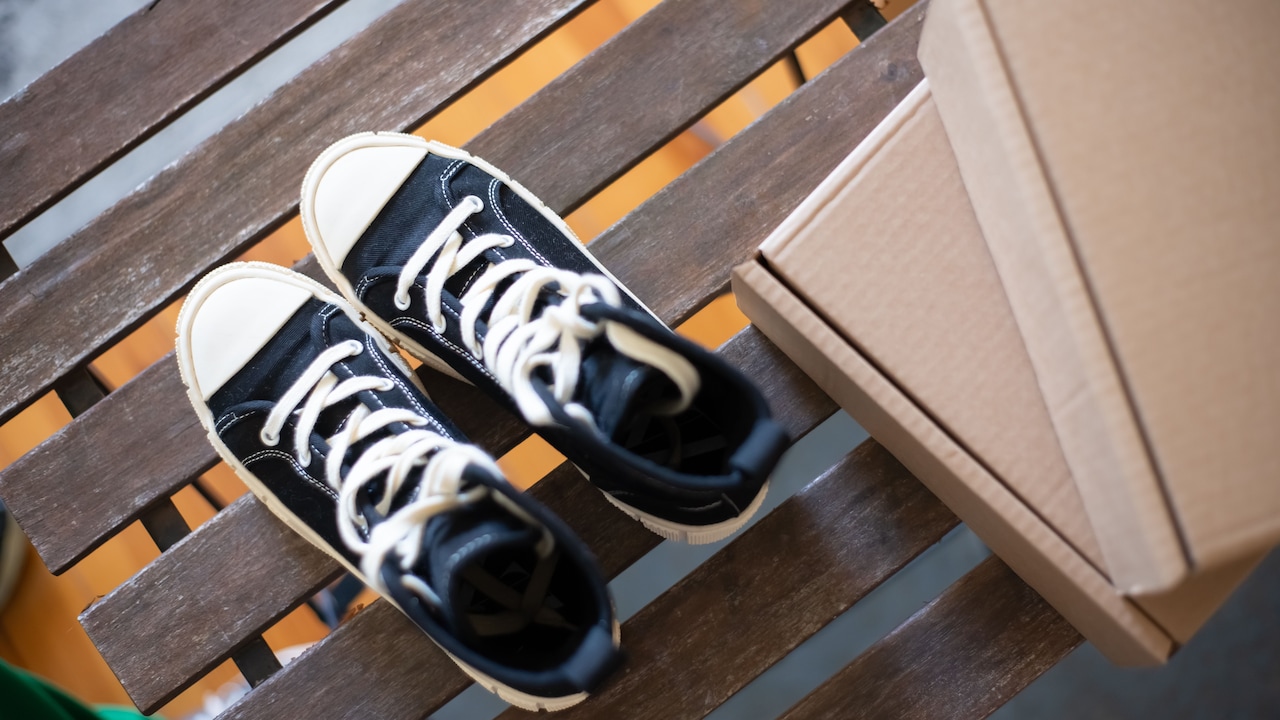
Running Shoes Vs Training Shoes: Why Wearing The Wrong Pair Can Cause Pain
A good pair of sports shoes can feel like motivation in a box. Fresh cushioning, clean laces, bright soles and that tiny promise that tomorrow's workout will finally happen. But here is where many people go wrong. They buy one pair and expect it to handle everything, from treadmill runs and badminton sessions to leg day, Zumba, home workouts and quick grocery runs. Running shoes and training shoes may sit next to each other on store shelves, but they serve different jobs. Running shoes help the foot move forward with comfort and shock absorption. Training shoes handle side movements, quick changes in direction, lifting, jumping and mixed workouts. The difference may not look dramatic at first. Your body, however, notices it quickly.
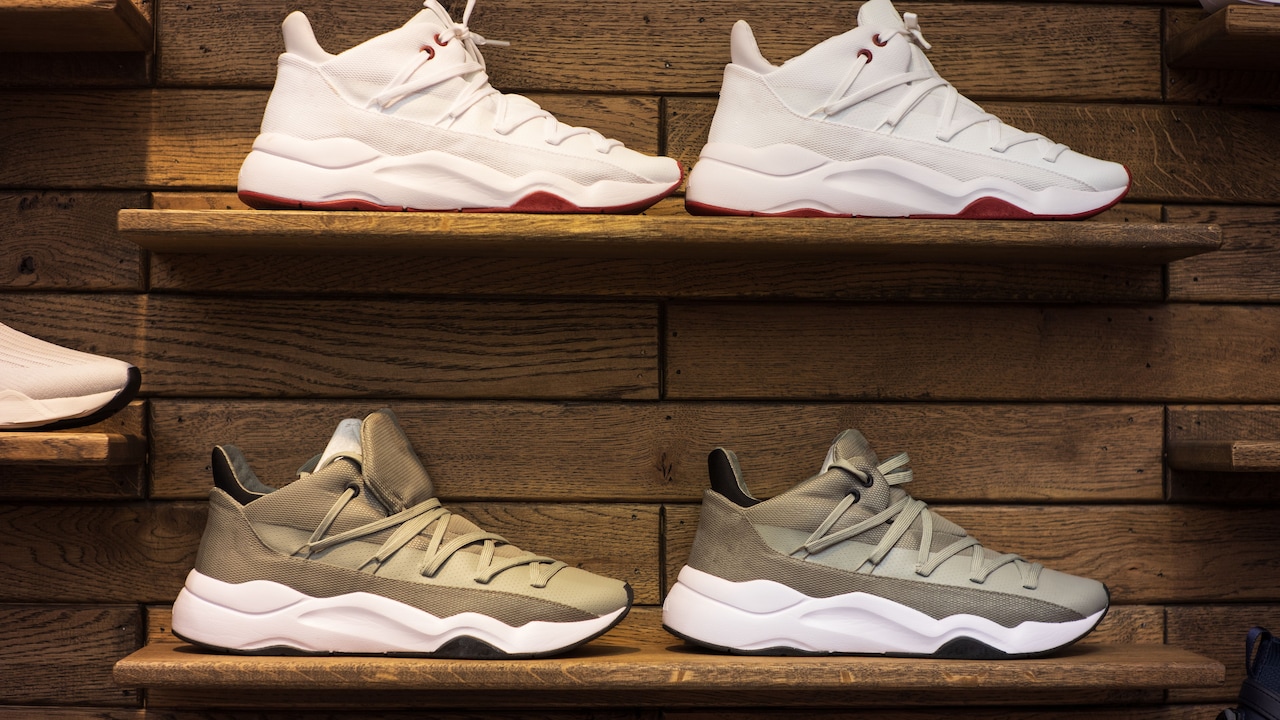
Running Shoes Vs Training Shoes: Which One Should You Wear To Avoid Pain?
Photo Credit: Pexels
The wrong pair can create heel pain, knee strain, ankle wobble, shin discomfort or lower back stress. So before blaming the workout, the road, the gym floor or age, it helps to look down.
How To Choose The Right Shoe For Your Workout Style
Running Shoes Are Built For Forward Motion
Running has a simple movement pattern. The body moves forward, one foot lands, pushes off, and repeats. Running shoes support this rhythm. They usually come with more cushioning under the heel and forefoot because each stride sends impact through the feet, ankles, knees and hips. That soft landing matters, especially on concrete roads, hard pavements, society tracks and treadmills that feel forgiving only for the first ten minutes.
A running shoe often feels springy. It may have a curved sole, a higher heel, a lighter upper and a flexible front. These features help the foot roll forward smoothly. They do not need to hold the foot firmly during sharp side steps because running rarely demands that.
This makes running shoes great for walks, jogs, treadmill sessions and long-distance runs. They work well when the route goes straight or gently curves. But take the same soft, high-cushion pair into a fast gym circuit, and the story changes. Too much bounce can turn unstable when your body moves sideways.
Also Read: How To Pick The Right Sports Shoes For Running In Rain?
Training Shoes Are Built For Mixed Movement
Training shoes focus on control. They support workouts where the body moves forward, backwards, sideways, down and up. Think squats, lunges, burpees, box steps, skipping, HIIT, strength training, aerobics or that one enthusiastic gym class where the instructor believes everyone has the energy of a film song background dancer.
A training shoe usually has a flatter sole than a running shoe. It keeps the foot closer to the ground. This helps with balance during squats, deadlifts, lateral steps and quick direction changes. The sides often feel firmer too, so the foot does not slide out when you push sideways.
The cushioning still exists, but it does not feel as pillowy as running shoes. That is intentional. During strength training, too much softness can make the foot sink and wobble. A stable base helps your knees track better and keeps your posture cleaner. Training shoes may not feel as dreamy during a long run, but during a workout, they keep your movement sharper and safer.
Cushioning Can Help Or Hurt
Cushioning often sells shoes faster than any other feature. A soft sole feels luxurious in the store, especially when the salesperson says it has “cloud comfort”. But cushioning only helps when it suits the activity. Running needs shock absorption because the same forward impact happens again and again. A well-cushioned running shoe reduces the harshness of each landing.
In training, however, excess cushioning can become a problem. During squats or weighted exercises, a very soft sole compresses under pressure. The foot may tilt slightly without you noticing. That tiny tilt can travel up to the knees, hips and lower back. Over time, discomfort starts showing up in places that seem unrelated to shoes.
This explains why some people feel knee pain after using running shoes for gym workouts. The shoe may not be defective. It may simply offer softness when the body needs stability. Comfort underfoot should not feel like standing on a mattress during leg day. For training, the best comfort comes from control, not squish.
Side-To-Side Support Makes A Big Difference
Most running shoes do not love side movement. Their design supports heel-to-toe motion, not sudden lateral shifts. During a run, that works beautifully. During a gym class, badminton warm-up, agility drill or dance workout, it can feel risky. The foot may slide inside the shoe or spill slightly over the edge. That movement may strain the ankle, especially when the pace increases.
Training shoes handle this better. Their wider base and stronger side walls help keep the foot in place. When you step sideways, push off diagonally or land from a jump, the shoe resists unwanted rolling. That makes a huge difference for people who enjoy functional workouts or home exercise videos that jump from lunges to skaters without warning.
An ankle twist rarely arrives with a dramatic announcement. It often begins with one unstable landing. If your workout includes side steps, quick turns or rapid direction changes, running shoes may feel comfortable but behave like the wrong tool. Training shoes give the foot a firmer boundary.
Heel Height Affects Your Knees And Posture
Running shoes often have a noticeable heel-to-toe drop. This means the heel sits higher than the forefoot. That raised heel can help runners move forward more smoothly. It may also reduce strain on the Achilles tendon for some people. On a run, this design makes sense because the body keeps travelling ahead.
During training, that raised heel can change your posture. In squats or lunges, it may push the body slightly forward. Some people then feel pressure in the knees instead of the hips and glutes. The change feels small, but during repeated sets, it can create irritation.
Training shoes usually keep the foot flatter. This gives a more grounded stance and helps distribute weight more evenly. A flatter shoe can make strength exercises feel steadier, especially when you push through the heels. This does not mean every raised-heel shoe causes pain. But using a running shoe for every gym movement may force your joints to adjust in ways they did not sign up for.
Running Shoes May Feel Unstable During Lifting
A heavily cushioned running shoe can feel pleasant during warm-ups, but lifting exposes its weakness. When you hold dumbbells, use machines or perform bodyweight moves, the shoe has to support both your weight and the load. If the sole compresses unevenly, your balance may shift. The body then compensates through the ankles, knees or lower back.
This becomes more obvious during squats, leg presses, deadlifts and lunges. A soft running shoe may make the foot rock slightly. You may not fall, but your form may suffer. The knees may cave inward, the heels may lift, or the lower back may work harder than necessary.
Training shoes offer a firmer base. They help you push against the floor without losing balance. For serious heavy lifting, some people use specialised lifting shoes or flat shoes. But for regular gym sessions, a good training shoe works well. It gives enough support without turning every set into a balancing act.
Training Shoes Are Not Ideal For Long Runs
Training shoes can manage short warm-up jogs. They can handle five to ten minutes on the treadmill before a workout. But they do not suit long-distance running. Their flatter, firmer sole may feel tiring once the kilometres build up. The foot receives less cushioning, and the repeated impact can start irritating the heels, arches, shins or knees.
A training shoe also tends to weigh more than a running shoe. That extra structure helps during mixed workouts, but it may feel clunky during a run. The foot may not roll forward as smoothly either. Over longer distances, this can affect your stride and comfort.
Many people try to save money by buying one sturdy training shoe for everything. That can work if workouts stay short and mixed. But if running forms a regular part of the routine, a separate running shoe makes more sense. A ₹2,500 training shoe used for daily 5K runs may cost less upfront, but pain can make it expensive in a different way.
Pain Often Starts With Small Signals
Wrong shoes rarely cause pain overnight. The body sends polite warnings first. A little heel ache after a treadmill session. A dull knee pull after lunges. Shin tightness after a short jog. A sore lower back after a gym class. These symptoms often get blamed on “new workout pain”, but shoes can play a quiet role.
The location of pain can offer clues. Heel pain after running may mean poor cushioning, worn-out soles or the wrong fit. Ankle discomfort during side movements may suggest weak lateral support. Knee pain during squats can point to unstable or overly soft soles. Shin pain may come from impact, overuse or a shoe that does not suit your stride.
Of course, shoes do not explain every ache. Poor form, sudden intensity, weak muscles and hard surfaces also matter. But footwear remains one of the easiest factors to fix. Before buying pain relief sprays, knee sleeves or expensive insoles, check whether the shoe matches the activity.
Fit Matters As Much As Shoe Type
Even the right category can fail with the wrong fit. A running shoe should leave enough room near the toes because feet swell slightly during longer sessions. A tight toe box can cause black nails, blisters and numbness. A loose heel can create rubbing and instability. The shoe should hold the midfoot securely without crushing it.
Training shoes need a snugger, more locked-in feel. Since workouts involve side movement, the foot should not slide around inside the shoe. At the same time, the toes need room to spread during squats and lunges. A narrow front can make the foot feel trapped and affect balance.
Shopping late in the day often gives a more realistic fit because feet expand after hours of walking and standing. Socks matter too. Trying shoes with thin store socks and then wearing thick sports socks later can change the fit completely. A shoe should feel comfortable immediately. The old belief that painful shoes “open up later” belongs in the same dustbin as crash diets and miracle hair oils.
One Pair Cannot Do Every Job Perfectly
A single sports shoe can manage casual activity, but it cannot excel at everything. Running, lifting, jumping and lateral training place different demands on the foot. Expecting one pair to handle all of them is like expecting one masala dabba to cook every dish without adjustment. Convenient, yes. Perfect, no.
For someone who mostly walks and jogs, running shoes make sense. For someone who attends gym classes, lifts weights and does mixed home workouts, training shoes work better. For someone who runs three times a week and trains twice a week, two pairs offer the safest setup. This does not mean buying the most expensive options. A well-chosen ₹3,000 pair can serve better than a flashy ₹8,000 pair bought only for looks.
Lifestyle also matters. If your workout happens on uneven roads, slippery tiles, gym mats or terrace floors, grip becomes important. If the shoe bends too much, slips easily or feels unstable, it does not deserve loyalty. Shoes should support the routine you actually follow, not the routine imagined while adding them to the cart.
Worn-Out Shoes Can Cause The Same Problems
Even the perfect shoe has an expiry date. Old running shoes lose cushioning. Training shoes lose grip and side support. The upper may stretch, the sole may flatten, and the heel may tilt. Once that happens, the shoe can start causing the same pain as the wrong category.
Many people keep using sports shoes because they still look decent from above. The real story sits underneath. If the sole has uneven wear, smooth patches, cracks or a compressed midsole, the shoe may no longer support the foot well. A shoe that once felt springy may now feel dead. A training shoe that once felt stable may now slide during lunges.
Workout frequency decides replacement time. Daily runners may wear shoes out faster than weekend walkers. Gym users may notice grip fading before cushioning disappears. Pain that appears suddenly after months of comfortable use can mean the shoe has reached retirement. Old sports shoes can still handle errands, but workouts deserve better.
Products Related To This Article
1. HRX by Hrithik Roshan Women Mesh Running Non-Marking Shoes
2. ADIDAS Drumlin Sports Shoes
3. JQR Men PROTEIN Running Shoes
4. Longwalk Women Mesh Training or Gym Non-Marking Shoes
5. Campus RAYE Women Lace-Up Running Shoe
6. Puma Men's Swift Pulse Training Shoes
7. WROGN Men Woven Design Running Shoes
Running shoes and training shoes differ for good reason. One cushions repeated forward movement. The other supports varied, side-to-side and strength-based movement. Wearing the wrong pair may not hurt on day one, but the body often keeps score quietly.
The smartest choice depends on your routine. Run often? Choose running shoes. Train, lift or do mixed workouts? Choose training shoes. Do both seriously? Keep separate pairs if the budget allows. Your feet carry every plan, every fitness goal and every “Monday se pakka” promise. They deserve shoes that understand the job.
(Disclaimer: This article may include references to or features of products and services made available through affiliate marketing campaigns. NDTV Convergence Limited (“NDTV”) strives to maintain editorial independence while participating in such campaigns. NDTV does not assume responsibility for the performance or claims of any featured products or services.)