How To Pick A Shrug That Does Not Make A Sleeveless Kurta Look Bulky
A shrug can save a sleeveless kurta from awkward styling, chilly AC and last-minute modesty panic. The trick lies in choosing the right fabric, cut, length and sleeve shape.
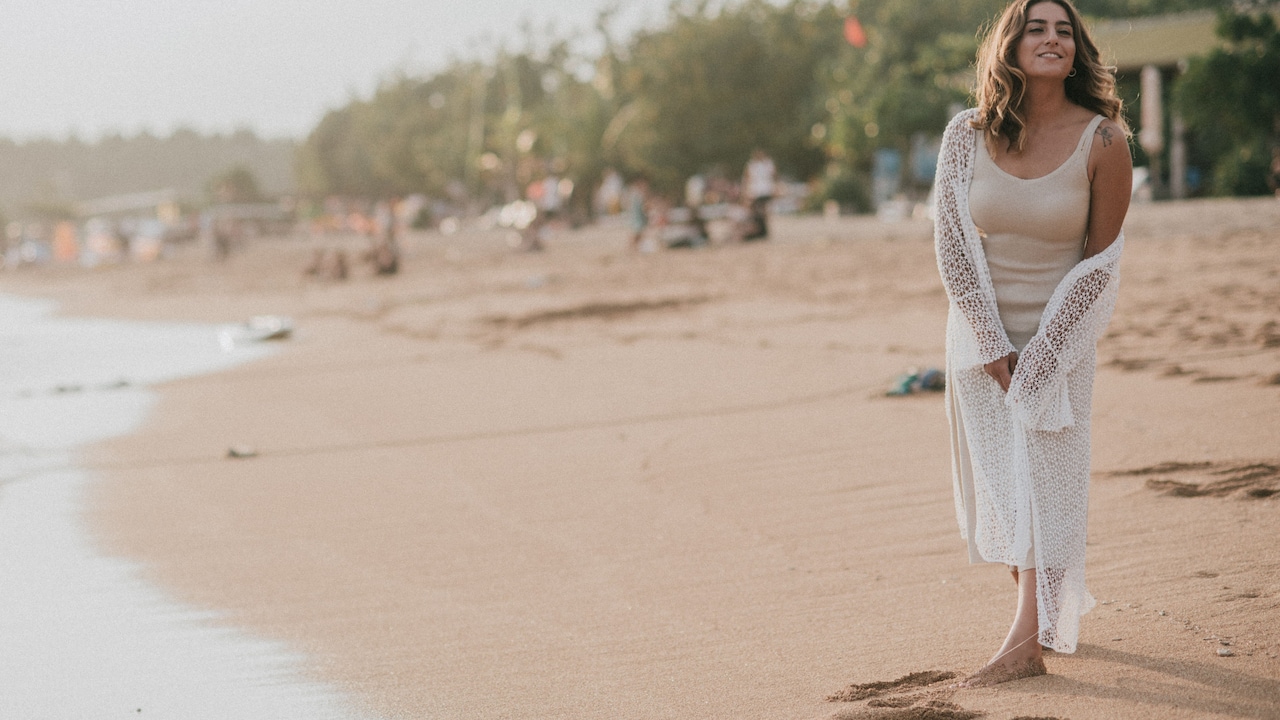
Key features to consider when buying a shrug for ethnic wear
A sleeveless kurta has a special place in the wardrobe. It feels light, looks neat and works beautifully in warm weather. Then comes the real-life twist. The office AC starts behaving like Shimla in December. A family lunch suddenly feels too formal. A dupatta keeps slipping off one shoulder. That is when a shrug looks like the easiest fix. But not every shrug helps. Some make the kurta look wider. Some hide the shape completely. Some sit oddly near the armhole and create that padded, stuffed feeling no one asked for. The problem rarely lies with the kurta. More often, the shrug fights with its cut, fabric or length.
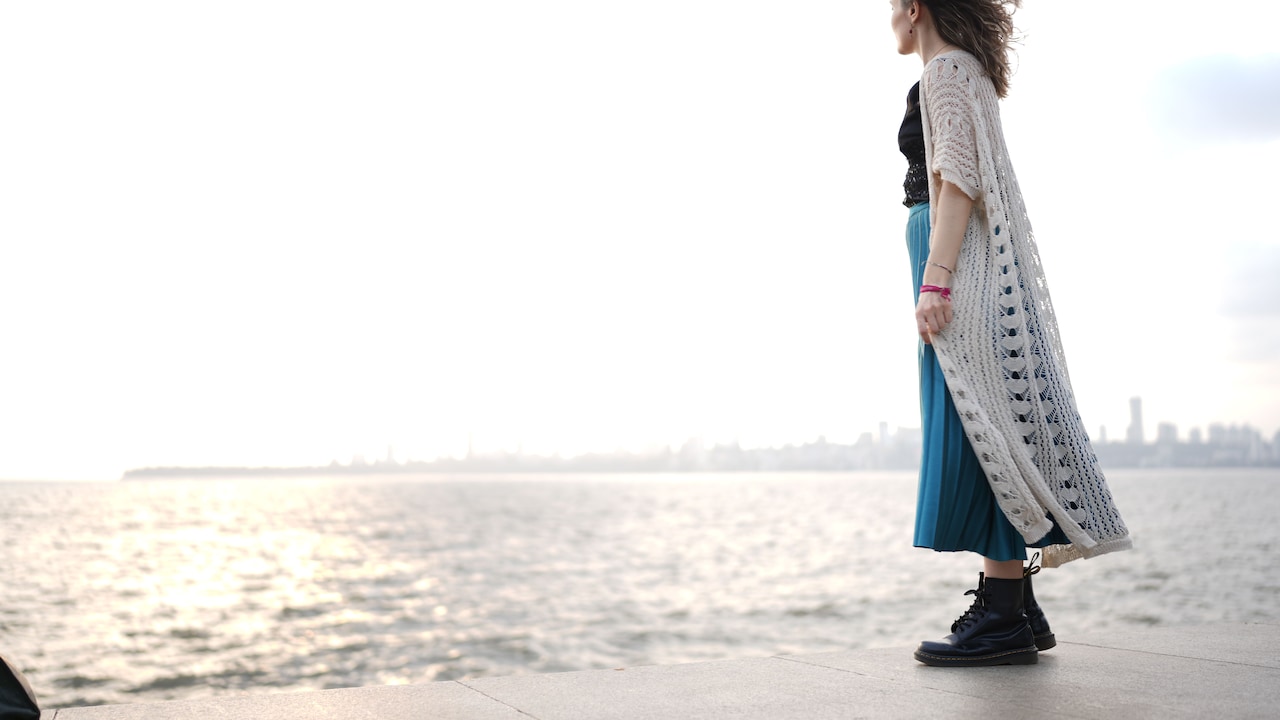
Easy tips to choose a kurta for your everyday ethnic wear; Photo Credit: Pexels
A good shrug should feel like a soft frame around the kurta, not like an extra garment forced into the outfit. It should add coverage without stealing ease. The right one can make a sleeveless kurta look more polished, more comfortable and much more wearable.
Also Read: 7 Best Women's Shrugs To Layer Over Dresses, Tees, And Kurtas For Instant Sophistication
Smart Layering Tips To Keep Your Sleeveless Kurta Looking Light
Start With The Kurta's Shape, Not The Shrug
A shrug should match the kurta's structure before anything else. A straight kurta, an A-line kurta and a flared kurta all need different partners. When the kurta already has volume near the hem, a loose, long shrug can make the whole outfit look heavy. The eye sees too much fabric moving in different directions, and the body loses shape.
For a straight sleeveless kurta, a slightly open-front shrug works well because it keeps the vertical line visible. For an A-line kurta, the shrug should stay closer to the shoulders and arms, so the flare below can breathe. For an anarkali-style kurta, a cropped or waist-length shrug usually looks cleaner than a long one.
The mistake many people make is buying a shrug because it looks nice on its own. That rarely works. The kurta should lead the decision. Place the shrug over the kurta and check whether it follows the outfit or fights it. If the kurta disappears completely, the shrug has already won too much attention.
Pick Fabrics That Fall Instead Of Puffing Out
Fabric decides whether a shrug looks graceful or bulky. Stiff fabrics often stand away from the body, especially around the shoulders, bust and upper arms. That creates extra width even when the shrug technically fits. Thick cotton, heavy crochet, dense knits and rigid blends can all make a sleeveless kurta look boxy.
Softer fabrics work better because they follow the body's natural line. Rayon blends, viscose, soft cotton voile, light georgette, chiffon, mul and fine jersey can add coverage without adding volume. These fabrics move with the kurta instead of sitting on top like another layer.
Texture matters too. Big cable knits, chunky embroidery and heavy lace may look charming in product photos, but they can overwhelm a simple kurta. A smoother surface keeps the outfit light. That does not mean the shrug has to look boring. A subtle woven texture, small print or delicate border can still add interest.
The best test is simple. Hold the shrug from the shoulder. If it falls softly, it will likely behave well. If it sticks out like cardboard, the kurta may suffer.
Watch The Shoulder Seam Carefully
The shoulder area can make or break the entire look. A shrug that sits too wide on the shoulders creates a droopy frame. A shrug that sits too tight pulls near the armhole and makes the kurta bunch up underneath. Both problems make a sleeveless kurta look bulkier than it actually is.
The shoulder seam should sit close to the natural shoulder point. It should not slide down the upper arm or creep towards the neck. This small detail matters because sleeveless kurtas already expose the shoulder line. When the shrug changes that line too much, the outfit starts looking confused.
Raglan sleeves can work well for softer, casual looks because they do not create a hard seam. However, they should not puff up near the underarm. Structured shoulder seams look neater for office wear, especially with straight kurtas and cigarette pants.
Try raising the arms once before buying. If the shrug pulls the kurta upward or forms folds near the bust, skip it. Comfort shows. A shrug that lets the shoulders relax always looks more expensive, even when it costs far less.
Choose A Sleeve Shape That Adds Ease, Not Width
Sleeves need special attention because they sit directly over the bare arm. The wrong sleeve shape can turn a light kurta into a heavy outfit within seconds. Wide batwing sleeves, puff sleeves and thick gathered sleeves may look stylish, but they often add bulk around the upper body.
Slim sleeves usually work best with sleeveless kurtas. They do not need to feel tight; they simply need to follow the arm without too much extra fabric. Three-quarter sleeves often look especially flattering because they show the wrist and keep the outfit from looking covered from neck to ankle. This tiny break of skin balances the added layer.
Bell sleeves can work, but only when the shrug fabric feels light, and the kurta has a simple cut. A flared sleeve over an already flared kurta can become too much. For daily wear, a clean straight sleeve gives more styling mileage.
Also check the armhole. If it sits too low, it can bunch near the side of the kurta. A neat armhole creates a smoother line and avoids that annoying lump under the arm.
Keep The Front Open And Uncluttered
A shrug for a sleeveless kurta usually looks better when it stays open in the front. Open fronts create vertical lines, which make the outfit look longer and lighter. They also allow the kurta's neckline, print and embroidery to remain visible. This matters because most kurtas carry their main design in the front.
Buttoned shrugs, tie-front styles and thick overlapping panels can add unnecessary weight near the bust and waist. They may also clash with the kurta's own neckline. A mandarin collar kurta, for example, can look crowded under a closed shrug. A round neck kurta may lose its softness if the shrug cuts across it awkwardly.
Look for clean edges. A narrow placket, soft waterfall front or straight open panel works better than heavy ruffles. Waterfall shrugs can look lovely, but they should not have too much fabric pooling in front.
The goal is not to hide the sleeveless kurta. The goal is to make it easier to wear. If the front of the kurta still looks clear, the shrug has done its job well.
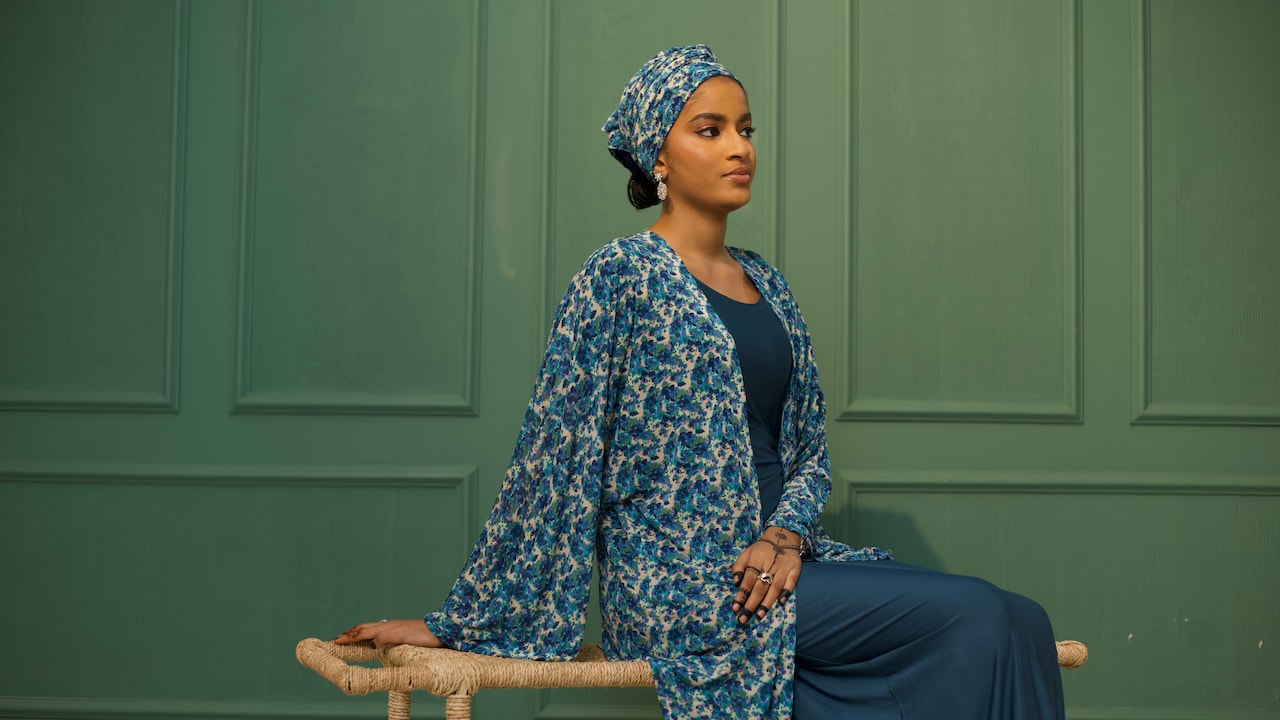
Always leave the front opened and unbuttoned; Photo Credit: Pexels
Match The Length To Your Bottom Wear
Shrug length should not depend only on the kurta. The bottom wear also plays a big role. A sleeveless kurta with palazzos already creates a relaxed, wide silhouette. Add a long, loose shrug to that, and the outfit may start looking shapeless. With palazzos, a cropped, waist-length or hip-length shrug often works better.
With leggings or churidar, a longer shrug can look balanced because the lower half stays narrow. A calf-length shrug over a straight kurta can create a sleek line, as long as the fabric stays light. With jeans, the shrug length can change the mood completely. A shorter shrug feels casual, while a longer one gives the kurta a more layered, fusion look.
The safest length usually hits just above the hip or around mid-hip. It gives coverage without cutting the body strangely. Avoid shrugs that end at the widest part of the hips if the kurta underneath also ends there. That double horizontal line can make the outfit look heavier.
A mirror check from the side helps. If the layers stack too obviously, try a different length.
Use Colour To Create A Softer Frame
Colour can either slim down the layering or make it look louder. A shrug in a harsh contrast may cut the outfit into blocks. That can work for a bold look, but it also draws attention to the added layer. When the aim is to avoid bulk, softer colour pairing usually works better.
A shrug in the same colour family as the kurta creates a longer, calmer line. A beige shrug over an earthy kurta, a dusty pink shrug over a rose-toned kurta or a navy shrug over a blue printed kurta can look polished without trying too hard. Tonal dressing reduces visual clutter.
That said, exact matching can sometimes look flat. A slight contrast in shade often feels more natural. For printed kurtas, pick one minor colour from the print and use that for the shrug. This trick makes the outfit look planned, not randomly layered five minutes before leaving home.
Dark shrugs can look sharp, but they should not feel too heavy against pastel kurtas. A black shrug over every kurta may feel convenient, but softer neutrals often give better results.
Avoid Heavy Borders Near The Bust And Arms
Borders and embellishments can look beautiful, but placement matters. A thick border running down the front of the shrug can add weight. A heavy embroidered sleeve can make the upper arms look broader. Dense mirror work, tassels, pom-poms and large crochet edges can all make a sleeveless kurta look busier than needed.
This becomes more noticeable when the kurta already has embroidery, print or a decorative neckline. Two statement pieces in one outfit often start competing. The shrug should support the kurta, not start a separate festival of its own.
If embellishment feels tempting, keep it at the hem or as a narrow edge. Small threadwork, a slim lace trim or a delicate printed border can add charm without creating bulk. Avoid anything that sticks out from the fabric, especially near the shoulders.
A plain shrug can actually make a pretty kurta look more expensive. It gives the eye a resting space. When the kurta has mirror work, gota, ikat, block print or chikankari-style detailing, a quieter shrug usually looks more elegant.
Check How The Shrug Behaves When You Sit
Many outfits look perfect while standing in front of a mirror. Then one cab ride, one office chair or one long lunch reveals the truth. A shrug that rides up, bunches at the back or gathers near the waist can make the whole kurta look bulky once sitting begins.
Before deciding, sit down and check the front, side and back. The shrug should not form a thick fold around the stomach. It should not push the kurta fabric upwards. It should also not pull at the shoulders when the arms move forward. Daily life involves reaching for phones, bags, lunch boxes and metro handles, so the shrug needs to cooperate.
Long shrugs can sometimes wrap awkwardly around the hips when sitting. Cropped shrugs may climb up if the fabric lacks weight. A mid-length shrug in a soft fabric usually handles movement better.
This step feels small, but it saves money. A shrug worn only for mirror selfies has limited use. A shrug that survives a full day earns its place in the wardrobe.
Balance Prints Instead Of Mixing Everything At Once
Print mixing can look stylish, but it needs control. A printed shrug over a printed sleeveless kurta often looks crowded unless both prints share scale and colour. Big florals over tiny florals can confuse the outfit. Stripes over bold ethnic motifs can work in fashion shoots, but daily wear needs a little more calm.
If the kurta has a strong print, choose a solid shrug. If the kurta is plain, a printed shrug can add personality. This simple rule solves most layering problems. The eye needs one main focus. When both pieces demand attention, the outfit looks heavier even if the fabrics feel light.
Small prints on shrugs work better than large, scattered motifs. Tiny florals, fine checks, subtle stripes or tone-on-tone patterns can add texture without swallowing the kurta. Avoid prints that sit exactly around the bust or shoulder in a way that widens the frame.
A sleeveless white kurta with a soft printed shrug can look fresh and easy. A heavily printed kurta with a plain shrug can look balanced. The pairing should feel like a conversation, not an argument.
Think Of The Shrug As A Styling Tool, Not A Cover-Up
The best shrug does more than hide bare arms. It changes the mood of the kurta. A soft cotton shrug can make a festive kurta work for daytime errands. A fine knitted shrug can make a sleeveless kurta suitable for chilly office spaces. A sheer long shrug can turn a plain kurta into something dressier for dinner.
When the shrug works only as a cover-up, people often choose something oversized. That is where bulk begins. Instead, think of it as a styling tool. It should frame the neckline, soften the shoulders, add movement and help the kurta fit the occasion.
This mindset also helps with shopping. Instead of asking whether the shrug hides enough, ask whether it improves the outfit. Does it make the kurta easier to wear? Does it keep the shape visible? Does it feel comfortable after an hour? Does it suit at least three kurtas already in the wardrobe?
A good shrug should not feel like damage control. It should feel like a clever little layer that makes sleeveless kurtas more useful.
Products Related To This Article
1. Style Quotient Women Crop Denim Shrug\
2. InWeave Printed V-Neck Acrylic Open Front Shrug
3. RAYWARE Women Crop Shrug
4. Moda Rapido Women Printed Longline Shrug
5. Enchanted Drapes Women Longline Shrug
6. Fbella Women Longline Shrug
7. Zarinivas Women Party Embellished Crop Sheer Shrug
A shrug can either rescue a sleeveless kurta or bury it under unnecessary fabric. The difference lies in small choices: soft fabric, clean sleeves, the right length, gentle colours and a front that stays open enough to show the kurta. The best shrug does not shout for attention. It quietly adds comfort, coverage and polish, while letting the kurta remain the hero of the outfit.
(Disclaimer: This article may include references to or features of products and services made available through affiliate marketing campaigns. NDTV Convergence Limited (“NDTV”) strives to maintain editorial independence while participating in such campaigns. NDTV does not assume responsibility for the performance or claims of any featured products or services.)