How To Build A Gardening Tools Kit For Balcony Plants Without Buying Too Much
Build a practical balcony gardening tools kit with only the essentials. Learn what to buy, what to reuse, and how to avoid wasting money on tools your plants do not need.
Explore the different balcony gardening tools you need for various needs
Balcony gardening has a special charm. A few pots of tulsi near the railing, a row of chillies catching the morning sun, mint growing faster than expected, and one ambitious tomato plant leaning like it owns the place can turn even a small flat into a softer, greener corner. Yet, the moment someone starts looking for gardening tools, the confusion begins. Online carts fill up quickly. A fancy pruner appears useful. Then comes a soil scoop, moisture meter, spray bottle, rake, fork, gloves, labels, trays, and something that looks like it belongs in a science lab. The truth feels far kinder. Balcony plants do not need a grand toolkit. They need regular care, suitable soil, proper watering, timely pruning, and a gardener who notices small changes. A practical kit should help with these jobs, not create more mess. In many homes, balcony space already fights with drying clothes, stored buckets, gas cylinders, and the occasional old chair that nobody wants to throw away. So every tool must earn its place.
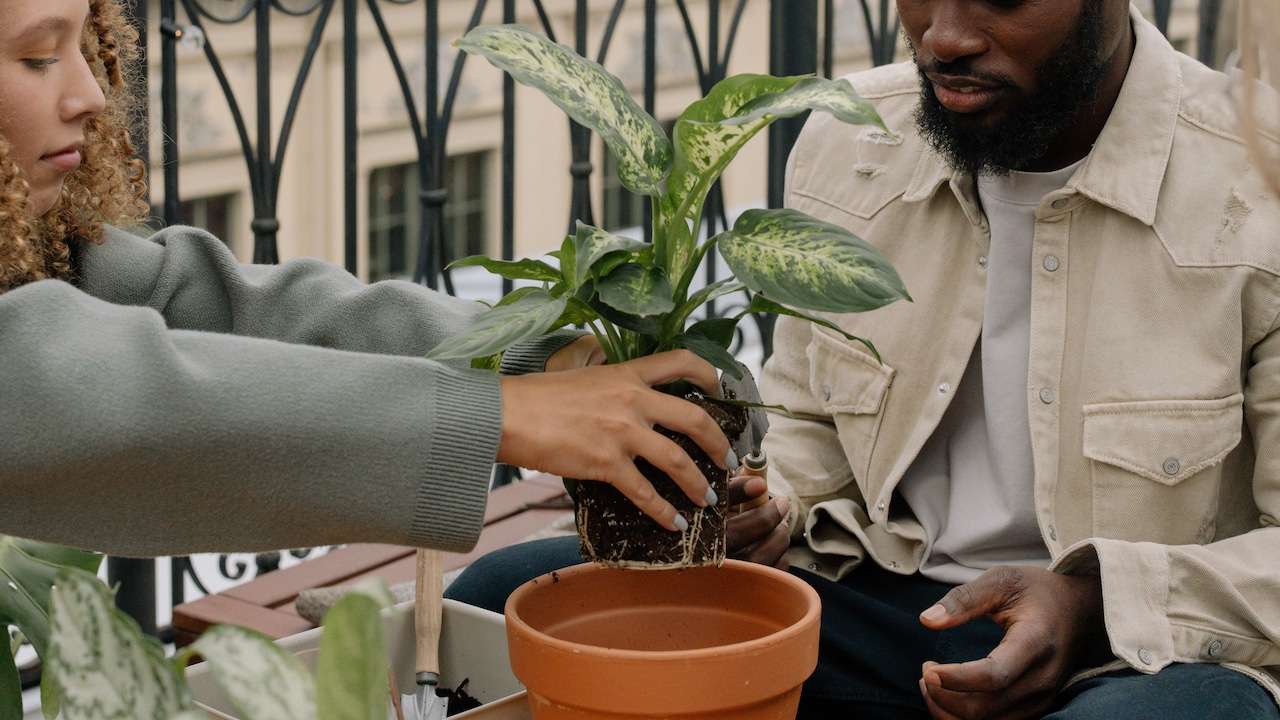
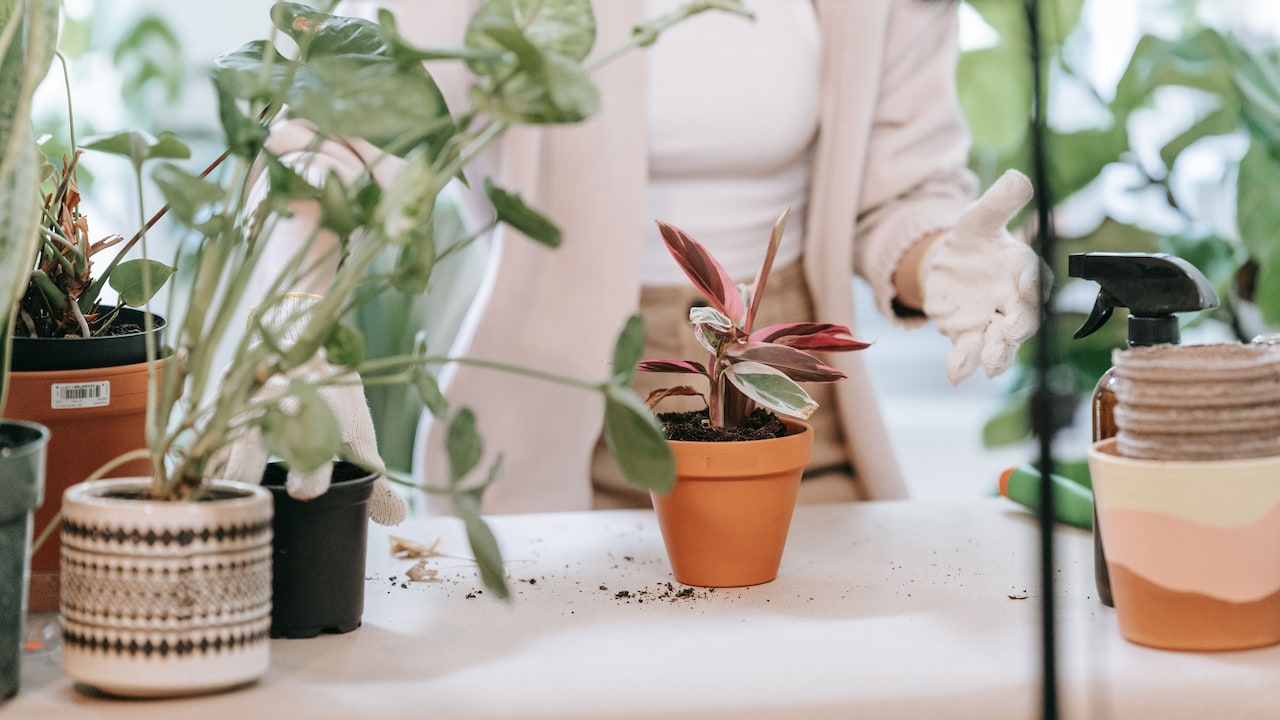
Essential balcony gardening tools every home needs for a thriving setup; Photo Credit: Pexels
A good gardening tools kit should stay small, affordable, easy to clean, and useful through the year. It should handle daily watering, potting, pruning, feeding, pest control, and quick clean-ups. The aim is not to buy less for the sake of it. The aim is to buy only what will genuinely help. After all, a balcony garden should bring peace, not another monthly expense that makes the wallet sigh.
Also Read: 5 Easy And Affordable Ways To Transform Your Garden
Essential Tools For A Practical Balcony Gardening Kit
Choose Tools According To Your Balcony Size
The first step sounds simple, yet many people skip it. Look at the balcony before buying anything. A narrow balcony with ten pots does not need the same tools as a sunny terrace corner with grow bags, creepers, and a small compost bin. Space decides the kit. When the balcony has limited room, short-handled tools work better than large ones. A compact trowel, a small watering can, and a pair of pruning scissors will serve better than a full-sized garden fork that knocks into pots and ankles.
Think about storage too. A toolkit that fits inside one bucket, crate, or old paint container will feel easier to manage. In flats, tools often vanish behind shoe racks or gather dust near the washing machine. Keeping everything together saves time and prevents duplicate buying. Many balcony gardeners realise too late that they own three spray bottles and no proper scissors.
The plant count also matters. Five pots of herbs need very little. Twenty flowering plants need more regular trimming and feeding. Vegetable grow bags need a stronger scoop and better gloves. Start with the balcony you have, not the dream garden seen on reels. Plants grow slowly, and the toolkit can grow slowly with them.
Start With A Strong Hand Trowel
A hand trowel earns its place in almost every balcony garden. It helps with filling pots, loosening soil, mixing compost, removing tired plants, and shifting seedlings. Choose one with a sturdy handle and a metal scoop that does not bend at the first meeting with hard soil. Cheap plastic trowels look cheerful, but many crack when used in dense potting mix. A decent metal trowel may cost around ₹150 to ₹350 and can last for years with basic care.
Size matters here. A very large trowel feels awkward in small pots. A medium one works for most balcony plants, from money plant cuttings to brinjal seedlings. The grip should feel comfortable, especially during repotting days when soil gets everywhere and patience runs thin.
There is no need to buy a full set of mini tools unless each piece has a clear purpose. Many three-piece sets include a tiny rake that spends its life untouched. A single good trowel often does more work than a decorative set. Wash it after use, dry it in the sun, and keep it away from standing water. Rust arrives quickly during the monsoon, like an uninvited relative who refuses to leave.
Pick One Reliable Pruning Tool
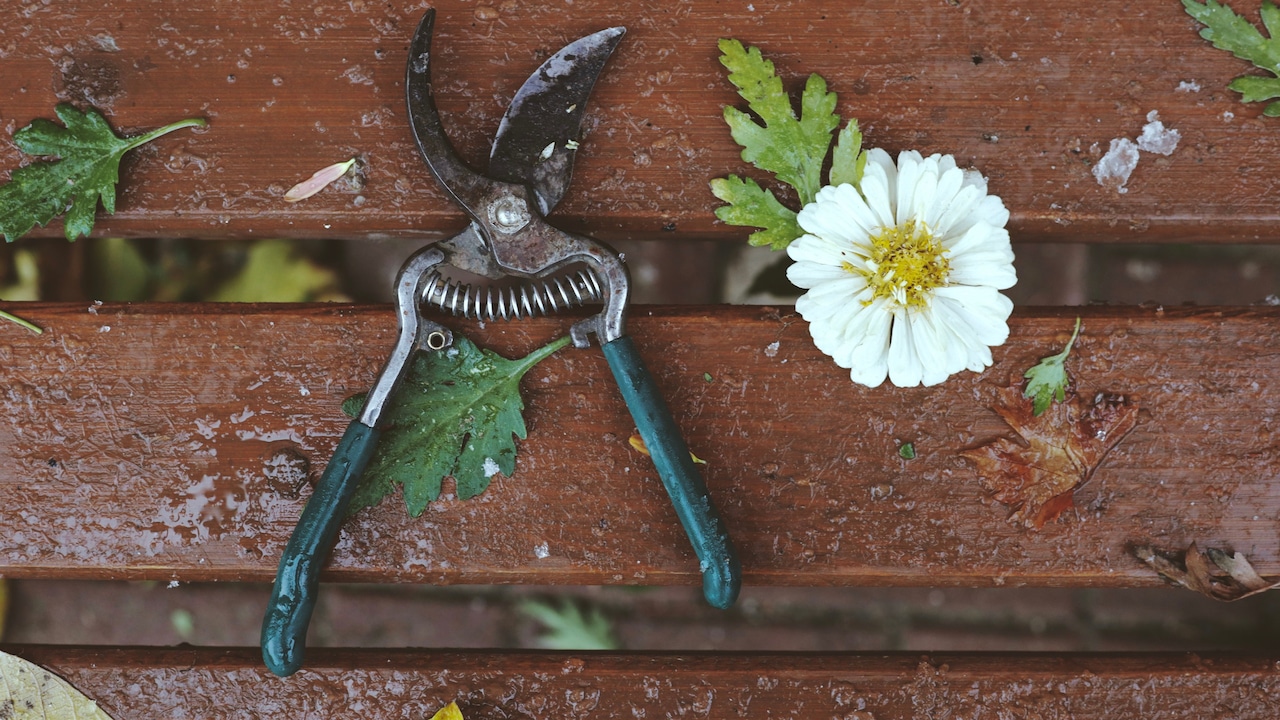
Balcony plants love a good trim. Basil grows bushier, hibiscus flowers better, and curry leaf plants stay neat when they get timely pruning. For this job, one reliable cutting tool beats a drawer full of weak scissors. A bypass pruner works well for thicker stems, while sharp gardening scissors handle herbs, soft stems, and dead flowers. For a small balcony, gardening scissors may suit most needs. For woody plants such as rose, jasmine, or bougainvillaea, a compact pruner makes more sense.
Do not use kitchen scissors for every plant task. They may work for mint today, then struggle with a dry stem tomorrow. Plant sap also makes blades sticky. A separate tool keeps both the kitchen and the garden happier. Good pruning scissors usually start around ₹150, while a sturdy pruner may cost ₹300 to ₹700. The cheaper one often looks tempting, but a blunt blade can crush stems instead of cutting them cleanly.
Clean the blade after pruning diseased leaves or pest-hit stems. A quick wipe with diluted disinfectant or rubbing alcohol helps prevent trouble from travelling from one pot to another. Sharp tools protect plants, save effort, and make pruning feel less like a wrestling match.
Keep Watering Simple And Sensible
Watering tools often cause the most unnecessary shopping. A balcony garden does not need five kinds of cans. Most homes can manage with one small watering can and one spray bottle. A can with a narrow spout helps water the soil without splashing mud on walls or drowning leaves. For tiny balconies, even a reused bottle with holes in the cap can work, though it may test one's patience during summer.
Choose a watering can that feels easy to lift when full. A five-litre can sounds efficient until someone has to carry it across a tiled balcony without spilling half of it. A two-litre or three-litre can suits most flat gardens. It allows better control, especially around seedlings and indoor plants placed near balcony doors.
A spray bottle helps with misting humidity-loving plants and applying homemade pest sprays. It should produce a fine mist, not an angry jet that flattens coriander seedlings. Avoid overusing it, though. Many plants prefer water at the roots, not constant moisture on leaves. During humid weather, too much misting can invite fungal issues. Simple watering tools, used with attention, beat expensive gadgets that promise plant wisdom but cannot replace daily observation.
Add Gloves Only If They Match Your Habits
Gloves sound essential, but not everyone uses them. Some gardeners love feeling soil between their fingers. Others need protection from thorns, rough pot edges, insects, and skin irritation. The right choice depends on habits and plants. For herbs and leafy plants, gloves may not feel necessary. For roses, cactus, bougainvillaea, or compost work, gloves save many dramatic moments.
Choose washable, flexible gloves that allow finger movement. Thick rubber gloves protect well but make delicate work difficult. Cotton gloves feel comfortable but soak up water quickly. A pair with a rubber-coated palm offers a good middle path for balcony gardening. Prices usually start near ₹100 and go upward depending on quality.
Gloves also help during monsoon clean-ups, when wet soil sticks to everything and ants begin secret housing projects inside pots. Keep them dry after use. Damp gloves smell terrible and attract fungus. There is no need to buy separate gloves for every task. One practical pair can handle repotting, pruning, shifting pots, and cleaning trays. The best gardening glove is not the fanciest one. It is the one that actually gets worn.
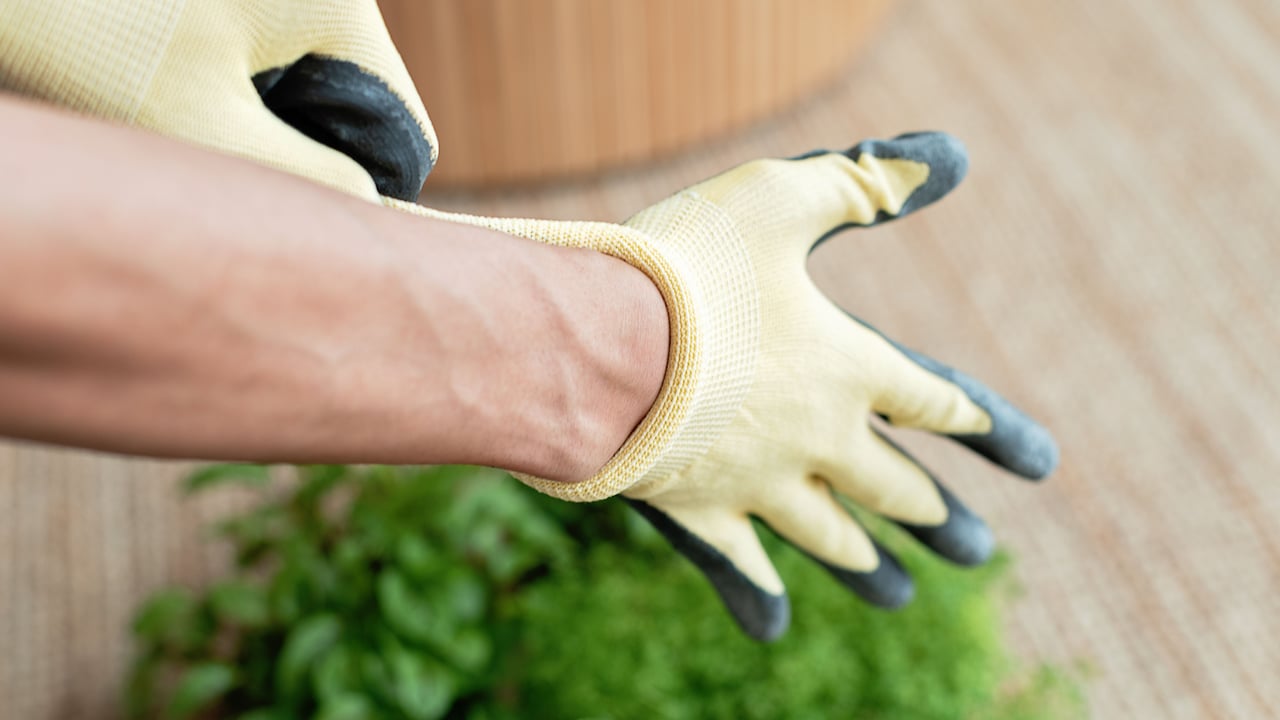
Use gardening gloves only if they match your habit
Photo Credit: Pexels
Use A Small Soil Scoop Or Repurpose One
Potting mix has a talent for spreading across balcony floors, slippers, and sometimes the neighbour's ledge below. A soil scoop keeps the mess under control. Yet this is one tool where buying new may not always make sense. An old steel katori, broken-handled mug, plastic measuring cup, or small dustpan can do the job beautifully. Many homes already have something suitable hiding in the kitchen cabinet or storeroom.
A scoop helps when filling small pots, adding compost, topping up soil, or mixing cocopeat and manure. It gives more control than pouring directly from a heavy bag. For balcony gardeners who use grow bags, a larger repurposed container can speed things up. Just make sure the edges do not cut the hands or tear bags.
The trick lies in assigning one item permanently for gardening. Do not return a soil scoop to kitchen duty, no matter how well it gets washed. Soil contains microbes, fertilisers, and bits of compost that do not belong near food. A labelled or clearly separate scoop avoids confusion. This small act of jugaad saves money and reduces the urge to buy yet another shiny tool that does the same job.
Buy A Good Spray Bottle For Pest Control
Pests arrive without invitation. Aphids gather on tender shoots, mealybugs hide like tiny cotton thieves, and fungus gnats dance around damp soil as if they pay rent. A good spray bottle becomes useful during these moments. It helps apply neem oil solution, soap spray, or plain water to clean dusty leaves. A weak bottle, however, turns pest control into finger exercise.
Choose a bottle with an adjustable nozzle and a comfortable trigger. It should spray evenly and not leak from the neck. For most balconies, a one-litre bottle works well. Smaller bottles need frequent refilling, while very large ones feel heavy. Keep one bottle only for plant sprays. Do not reuse containers that once held harsh cleaners, as residue can harm leaves.
Label the bottle if it contains neem oil mix or any treatment. This prevents accidental use on the wrong plant or at the wrong strength. Always spray during cooler hours, preferably early morning or evening. Strong sun and oil-based sprays can burn leaves. A spray bottle cannot solve every pest problem, but it gives quick control before a small issue becomes a full family gathering on the chilli plant.
Keep A Tray, Cloth, And Brush For Clean-Ups
Balcony gardening creates mess. Soil spills, dry leaves collect in corners, and water stains form under pots. A smart toolkit includes clean-up items, not just planting tools. A shallow tray, an old cloth, and a small brush can make regular maintenance far easier. These items rarely appear in glamorous gardening videos, but they save floors, drains, and tempers.
A tray helps during repotting or mixing small amounts of soil. It catches spills and makes it easy to return unused mix to the bag. Old serving trays, cracked plastic trays, or unused baking trays can work if they have enough depth. A cloth helps wipe leaves, clean tools, and dry wet railings. A small brush removes soil from pot rims and balcony corners.
This part matters even more in flats where water may drip to the balcony below. Plant saucers catch excess water, but they also collect mosquito-friendly puddles. Empty them regularly. A clean balcony keeps plants healthier and neighbours calmer. No one wants a society WhatsApp message about muddy water dripping from “some balcony”. A tidy toolkit makes gardening feel like a pleasant routine rather than a weekend punishment.
Store Fertiliser And Soil Additions Carefully
A gardening kit does not stop at tools. It also needs space for small quantities of soil helpers such as compost, cocopeat, neem cake, seaweed solution, or slow-release fertiliser. Buying huge bags may look economical, but balcony gardeners often struggle to store them. Moisture ruins open packets, ants move in, and the whole corner starts smelling like a forgotten farm.
Buy smaller packs at first. A packet of compost, a little neem cake, and one balanced liquid fertiliser can support many balcony plants. Store dry items in airtight boxes or reused jars with labels. Keep liquids away from direct sun. Never leave fertiliser packets open, especially during the rainy season. Damp compost becomes clumpy, and fungus may appear.
Avoid buying every plant tonic recommended online. Plants do not need constant feeding. Too much fertiliser can burn roots, reduce flowering, or make leafy growth weak. Learn what each plant prefers. Tulsi, mint, and curry leaf enjoy regular but gentle feeding. Succulents need very little. Flowering plants may need extra support during bloom time. A small, organised fertiliser corner prevents waste and keeps the garden budget from behaving like festival shopping.
Skip Fancy Gadgets Until You Truly Need Them
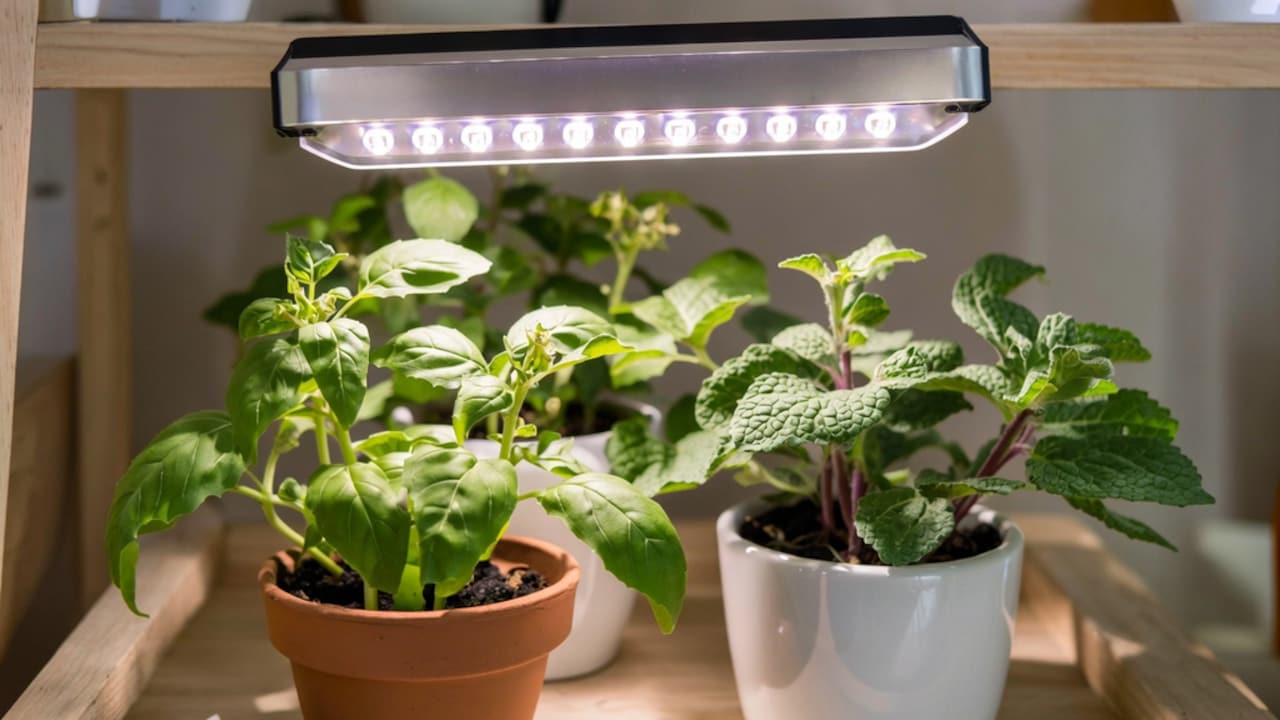
Moisture meters, self-watering globes, electric sprayers, decorative labels, plant stands, soil testers, and grow lights can look irresistible. Some do help in specific cases. Yet many beginners buy them before understanding basic plant behaviour. A finger pushed one inch into the soil often tells enough about watering. Drooping leaves, yellowing tips, dry edges, and slow growth speak clearly once someone starts paying attention.
Balcony gardening rewards observation more than gadgets. Before buying a tool, ask what problem it solves. If plants die because of overwatering, a moisture meter might help. If travel keeps the home empty for days, self-watering solutions may make sense. If the balcony gets no sunlight, grow lights could support herbs indoors. But these tools should solve real problems, not imagined ones created by late-night scrolling.
Decorative items deserve the same caution. Pretty labels and matching pots look lovely, but they do not replace drainage holes or healthy soil. Spend first on essentials that improve plant care. Beauty can come later through terracotta pots, painted tins, or reused containers. A balcony garden grows best when common sense leads and shopping follows politely behind.
Build The Kit Slowly With Each Planting Season
A useful gardening kit develops over time. Summer teaches the value of better watering tools. Monsoon teaches storage and drainage. Winter encourages pruning, flowering, and soil refreshment. Each season reveals what the garden actually needs. Buying everything at once often leads to clutter and regret.
Start with the basics: a trowel, pruning scissors, watering can, spray bottle, gloves if needed, and a few repurposed clean-up items. Add other tools only when repeated tasks demand them. For example, someone growing only herbs may never need a pruner. Someone growing roses will definitely appreciate one. A balcony full of hanging pots may need a long-spout can. A vegetable grower may need stronger gloves and a larger mixing tray.
Set a small monthly garden budget if possible. Even ₹300 to ₹500 used wisely can cover seeds, compost, or one good tool. This keeps spending under control and makes every purchase thoughtful. Gardening should feel generous, but not careless. A slow-built kit also carries stories. The old mug that became a soil scoop, the scissors that saved a curry leaf plant, the tray that caught one spectacular soil disaster; these humble things make the garden feel personal.
Products Related To This Article
1. Amazon Brand - Solimo 8-Piece Gardening Tool Kit
2. UGAOO Premium Gardening Tool Kit
3. 4-Piece Gardening Tools Kit for Home
4. Oblivion Gardening Tool Set 4 Pcs – Pruner Shears
5. Amazon Brand - Solimo 3-Piece Garden Tool Set | Big Shovel
6. HASTHIP® 8 Pcs Gardening Tools Set - Aluminum Alloy Steel
7. Gardening Tools Kit-9 Pcs (Fork, Cultivator, Big Trowel
Building a gardening tools kit for balcony plants does not require a big budget, a large storage box, or a shopping list that looks like a mini nursery invoice. It requires attention. Notice the space, the plants, the chores that repeat, and the tools that would genuinely make those chores easier. A small, well-chosen kit can handle most balcony gardening needs without turning the home into a hardware shop.
The smartest kit includes a sturdy hand trowel, one reliable pruning tool, a sensible watering can, a good spray bottle, gloves if needed, a scoop, clean-up items, and carefully stored soil additions. Around these basics, many household items can step in with quiet brilliance. Old mugs, trays, jars, cloths, and buckets often serve better than expensive tools bought in a hurry.
Balcony gardening already teaches patience. Seeds take time. Cuttings take time. Flower buds appear when they feel like it, not when someone checks them ten times a day. The toolkit can follow the same rhythm. Start small, use what works, skip what only looks impressive, and let the garden guide future purchases. In the end, the best balcony gardening kit is not the biggest one. It is the one that keeps plants healthy, hands happy, floors clean, and the monthly budget smiling.
(Disclaimer: This article may include references to or features of products and services made available through affiliate marketing campaigns. NDTV Convergence Limited (“NDTV”) strives to maintain editorial independence while participating in such campaigns. NDTV does not assume responsibility for the performance or claims of any featured products or services.)