Why Your Essential Oil Diffuser Stops Misty Output After A Few Uses
Your diffuser may stop misting because of hard water, excess oil, the wrong water level, clogged vents or a weak power supply. Simple cleaning and careful use can usually restore steady mist.
Why Your Essential Oil Diffuser Stops Misty Output After A Few Uses
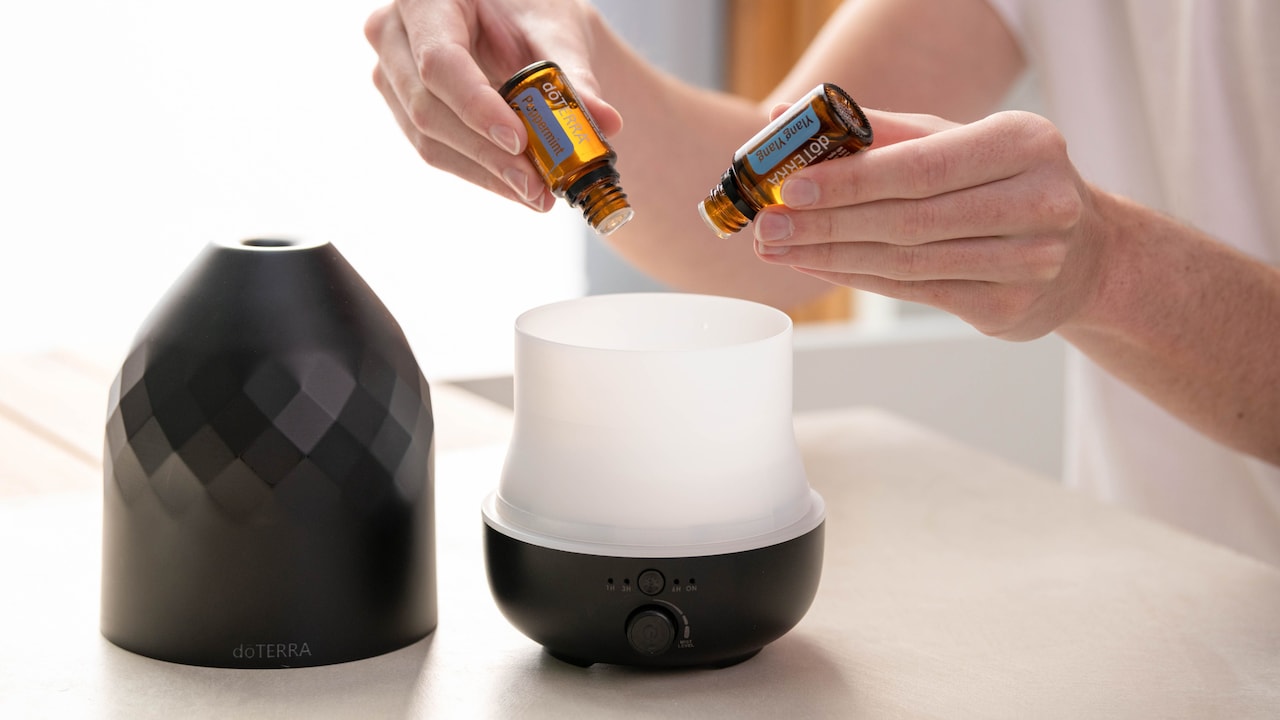
An essential oil diffuser often enters the home with big promises. It sits prettily on a bedside table, glows like a tiny moon, and fills the room with lavender, lemongrass, eucalyptus, or whatever scent the household has decided will bring “spa vibes” after a long day. For the first few uses, everything feels perfect. The mist rises in a calm stream. The room smells fresh. Even the ceiling fan seems to behave. Then, one evening, the diffuser switches on, lights up, makes a faint humming sound, and produces almost no mist. Perhaps a lazy puff appears for a second and vanishes. Perhaps nothing happens at all. Naturally, suspicion falls on the machine. Was it cheap? Did the shopkeeper oversell it? Did the oil ruin it? Did someone fill it like a steel lota?

Why Your Essential Oil Diffuser Stops Misty Output After A Few Uses; Photo Credit: Pexels
The good news: most diffusers do not fail dramatically after a few uses. They usually complain quietly through weak mist. A small cleaning mistake, the wrong water level, thick oil residue, hard water deposits, or a tired power cable can stop the misty output. Here is what usually goes wrong, and how to bring back that gentle cloud without turning the living room into a repair workshop.
Common Reasons Your Diffuser Stops Misting
The Water Level Has Crossed The Sweet Spot
A diffuser may look simple, but it behaves like a fussy chai recipe. Too little water, and the ultrasonic plate struggles to create mist. Too much water, and the same plate cannot vibrate properly. Many people fill the tank right up to the brim, thinking more water means longer fragrance. The diffuser disagrees.
Every diffuser has a maximum fill line inside the tank. Sometimes the mark looks faint, especially in white or translucent plastic bowls. Fill beyond that line and the machine may switch on without producing proper mist. It may also spit water, make strange sounds, or stop after a few minutes.
The fix feels almost too easy. Empty the tank, refill it only up to the marked level, and keep the diffuser on a flat surface. Room-temperature water works best for most models. Very cold water can slow mist formation. Very hot water can harm internal parts. Treat the water line like a Lakshman Rekha. Cross it, and the mist may disappear.
Also Read: 5 Budget-Friendly Aromatherapy Diffusers Under ₹500 for Instant Relaxation Now On Amazon
Hard Water Leaves A Chalky Film Behind
Many homes deal with hard water, whether the tap runs in Delhi, Pune, Jaipur, Chennai, or a smaller town with borewell supply. That same hard water that leaves marks on bathroom fittings can also trouble a diffuser. Minerals settle on the ultrasonic plate and form a thin chalky layer. After a few uses, this layer can dull the vibration that creates mist.
At first, the diffuser may only produce weaker mist. Later, it may glow and hum without sending anything visible into the air. The water sits there, the oil floats around, and the owner wonders whether the machine has joined a silent protest.
Using filtered water can help, especially in areas where kettles, taps, and buckets gather white deposits quickly. Distilled water works even better, though many households may not keep it handy. A simple routine helps: after every few uses, wipe the tank and the small metal or ceramic disc gently with a cotton bud dipped in diluted white vinegar. Never scrub it like a stubborn kadhai. Gentle cleaning keeps the mist alive.
Why Your Essential Oil Diffuser Stops Misty Output After A Few Uses; Photo Credit: Pexels
Oil Residue Builds Up Faster Than Expected
Essential oils smell delicate, but they can behave like clingy guests. A few drops of sandalwood, patchouli, vetiver, or jasmine blend can leave an oily film inside the tank. Over time, this film coats the ultrasonic plate, the water surface, and the mist outlet. The diffuser then struggles to push out vapour.
This problem appears quickly when users add too much oil. Many people think six drops must smell twice as good as three. In a small bedroom, that can become overwhelming for the nose and troublesome for the diffuser. Thick oils also collect faster than lighter oils such as lemongrass or peppermint.
Follow the dose suggested by the brand. For many small diffusers, three to five drops suit a tank of water. Bigger rooms may need a larger machine, not a reckless oil shower. After each use, empty leftover water instead of letting it sit overnight. Wipe the tank with a soft cloth. A diffuser loves moderation. Give it a gentle scent bath, not a perfume flood.
The Ultrasonic Plate Needs Gentle Cleaning
The ultrasonic plate sits at the heart of most modern diffusers. It looks like a tiny round disc at the bottom of the water tank. This small part vibrates at high speed and breaks water into fine mist. When it gets dirty, oily, or coated with minerals, mist output drops almost immediately.
The tricky part is that the plate looks harmless. Many users do not notice it, and some accidentally poke it with sharp objects while cleaning. A toothpick, knife tip, metal scrubber, or rough brush can damage it. Once scratched or weakened, the plate may never work properly again.
Use a cotton bud, soft cloth, or the cleaning brush that comes with the diffuser. Dip it in clean water or a mild vinegar-water mix, then wipe the disc lightly. After cleaning, dry the area before switching the machine on. This small ritual takes less time than scrolling through shopping apps for a new diffuser worth ₹800 or ₹2,000. A clean plate usually means a happier mist.
The Mist Outlet Has Got Blocked
Sometimes the tank looks clean, the water level looks correct, and the diffuser still gives only a weak puff. In such cases, the mist outlet may have collected oil, dust, or dried residue. The outlet sits on the lid, where the mist escapes. Since fragrance passes through this tiny opening, it naturally gathers sticky deposits.
This happens more often in homes where the diffuser sits near open windows, incense smoke, cooking fumes, or dusty shelves. A living room near the balcony may collect fine dust during the day. Add a few rounds of essential oil mist at night, and the outlet can turn into a narrow, greasy tunnel.
Remove the lid and rinse it under clean water. Use a soft cotton bud to clean the outlet. Dry it properly before placing it back. Also check whether the lid sits correctly. A slightly tilted lid can redirect mist back into the tank. The machine may work perfectly, yet the mist never escapes with style. A clean outlet lets the fragrance rise like steam from fresh idlis.
The Diffuser Has Not Dried Between Uses
A diffuser handles water every day, so it seems natural to leave water inside it. That habit causes trouble. Stagnant water can develop a stale smell, especially in warm weather. Oil residue floats on top, dust settles in, and the tank becomes a tiny pond nobody asked for. After a few uses, the mist weakens, and the fragrance turns odd.
Many people switch off the diffuser at night and plan to clean it in the morning. Morning brings school tiffins, office calls, traffic, and tea. The diffuser waits with old water till evening. Repeat this for a week, and the machine begins to sulk.
Empty the tank after every use, even if some water remains. Wipe it with a dry cloth and leave the lid open for a while. Let the inside breathe. This habit also reduces mould risk and keeps each fragrance cleaner. Lavender should smell like lavender, not like yesterday's leftover eucalyptus mixed with damp cupboard memories.

Why Your Essential Oil Diffuser Stops Misty Output After A Few Uses; Photo Credit: Pexels
The Essential Oil May Be Too Thick Or Adulterated
Not every bottle labelled “essential oil” behaves the same way. Some oils contain carrier oils, synthetic fragrance, or thick additives. These blends may smell pleasant, but they can clog a diffuser faster than pure, lighter oils. A diffuser needs oils that disperse well in water. Heavy or sticky blends can coat the plate and outlet after just a few uses.
Price can give a clue, though it does not tell the whole story. A large bottle of “pure rose essential oil” sold for ₹150 deserves a raised eyebrow. Real floral oils often cost much more because producers need a huge amount of petals. Very cheap oils may contain perfume compounds or carrier bases. These can work in potpourri, candles, or aroma burners, but they may not suit ultrasonic diffusers.
Check the label. Look for oils meant for diffusers. Avoid massage oils, hair oils, and fragrance oils unless the manufacturer clearly says they work in ultrasonic machines. The diffuser cannot read labels, but it certainly reacts to what enters its tank.
The Power Adapter Or Cable Has Weakened
A diffuser may light up even when it does not receive enough power to create strong mist. This confuses many users. The lamp glows, the button responds, and the machine appears alive. Yet the mist barely rises. A weak adapter, loose cable, or damaged USB port can cause this half-hearted performance.
This problem often appears with portable or USB-powered diffusers. People plug them into laptop ports, old phone chargers, power banks, or extension boards that already carry three chargers and a mosquito repellent machine. The diffuser may not get steady power. It may start well and then fade within minutes.
Use the original adapter and cable whenever possible. Check whether the wire fits snugly. Try another compatible charger with the correct rating if the brand allows it. Avoid cheap adapters from the bottom drawer unless they match the diffuser's requirements. A replacement cable may cost far less than a new diffuser. Before blaming the tank, give the power source a proper look.
The Placement Affects The Mist Flow
A diffuser needs a sensible spot. Place it under a fast ceiling fan, beside an open window, or near an air conditioner vent, and the mist may disappear before anyone notices it. The machine may produce mist, but moving air scatters it quickly. This makes the output look weak even when the diffuser works normally.
Surface matters too. A tilted table, soft bed, thick rug, or crowded shelf can disturb the machine. Ultrasonic diffusers work best on firm, flat surfaces. If the water inside does not sit evenly, the plate may not vibrate well. Some models also have air intake vents underneath. Put the diffuser on a towel or mattress, and the airflow gets blocked.
Choose a stable table or sideboard. Keep some space around the diffuser. Avoid placing it too close to walls, books, curtains, or electronics. During monsoon, extra humidity can also make mist less visible. The room may already hold moisture, so the vapour blends into the air faster. Sometimes the diffuser works; the weather simply steals the drama.
The Machine Needs A Reset Or Rest
Small appliances can act moody when they run for long stretches. Many diffusers come with auto shut-off features, timer modes, and internal sensors. If the sensor detects low water, overheating, or poor contact, the machine may stop misting. After a few uses, residue around the sensor can also confuse it.
Unplug the diffuser and let it rest for a few minutes. Empty the tank, clean it gently, refill it correctly, and switch it on again. This simple reset often helps. Also check whether the lid locks into place. Some models refuse to mist when the cover does not sit properly.
Do not run the diffuser all day like a ceiling fan in May. Essential oils are strong, and the machine needs breaks. Short sessions of thirty to sixty minutes often work well for bedrooms or study corners. Longer use can leave heavy scent in the air and more residue in the tank. A diffuser performs best when treated like a mood-setter, not a full-time room freshener.
The Diffuser May Have A Manufacturing Or Ageing Issue
Sometimes the problem does not come from water, oil, cleaning, or placement. The diffuser itself may have a faulty plate, weak motor, poor seal, or damaged internal circuit. Budget models can vary in quality. A machine that costs ₹500 may not always offer the same durability as one with better parts and warranty support.
If a new diffuser stops misting after only two or three uses, and cleaning does not help, check the return or warranty window. Keep the bill, box, and adapter safe for at least a few weeks. Many sellers replace faulty units if buyers report the issue quickly. Waiting too long can turn a simple exchange into a long customer-care saga with hold music and heroic patience.
For older diffusers, parts may wear out naturally. Ultrasonic plates lose strength over time. Buttons loosen. Cables fray. If the machine needs constant cleaning yet still produces weak mist, replacement may make more sense than repair. A good diffuser should make the room calmer, not turn every evening into detective work.
Products Related To This Article
1. Aroma Diffuser with Wooden Finish, Ultrasonic Essential Oil Diffuser & Humidifier
2. PREZONE H2O Diffuser with Colorful LED Lights for Home Office
3. Essential Oil Diffuser & Humidifier – Ultrasonic Cool Mist Aroma Diffuser with LED Light
4. Diffuserlove Essential Oil Diffuser 500ML Ultrasonic Aromatherapy Diffuser Mist Humidifiers with Mute Design
5. 500ml Premium, Essential Oil Diffuser
6. Diffuserlove MAX 220ML Essential Oil Diffuser Ultrasonic Remote Control Aromatherapy Diffuser Mist Humidifiers
7. AGARO Breeze Cool Mist Ultrasonic Humidifier, Aroma Diffuser Support Essential Oil
An oil diffuser that stops giving mist after a few uses rarely has a grand mystery behind it. Most cases begin with small habits: extra water, too many oil drops, hard water, old residue, blocked outlets, weak power, or poor placement. The machine may look decorative, but it still needs care. Treat it like a small appliance, not a showpiece that magically survives anything poured into it.
Clean the tank often. Respect the water line. Use suitable oils. Empty leftover water. Keep the ultrasonic plate safe from scratches. Place the diffuser on a flat, open surface, away from strong airflow. These steps sound simple because they are. Yet they can save money, frustration, and that familiar moment when the diffuser glows beautifully while doing absolutely nothing useful.
With the right care, the mist returns. The room smells fresh again. The tiny cloud rises, the mood softens, and the diffuser goes back to doing what it promised: making an ordinary evening feel a little more peaceful.
(Disclaimer: This article may include references to or features of products and services made available through affiliate marketing campaigns. NDTV Convergence Limited (“NDTV”) strives to maintain editorial independence while participating in such campaigns. NDTV does not assume responsibility for the performance or claims of any featured products or services.)