
Refrigerator Buying Guide For Small Kitchens With Limited Corner Space
Choose the right refrigerator for a small kitchen with limited corner space. Learn how to pick the ideal size, door style, capacity, storage layout and energy-efficient model without wasting precious floor space.

Refrigerator Buying Guide For Small Kitchens With Limited Corner Space
In many homes, the kitchen has to perform like a full orchestra in the space of a cupboard. The gas stove sits close to the sink, the mixer-grinder claims its royal corner, spice boxes occupy prime real estate, and somewhere between the water purifier and the vegetable basket, a refrigerator must fit in without causing daily drama. Buying a fridge for a small kitchen needs more thought than simply choosing the biggest discount during a festival sale. The right refrigerator should open easily, cool efficiently, store weekly groceries, handle power cuts gracefully and leave enough room for you to move without bumping into handles or corners.
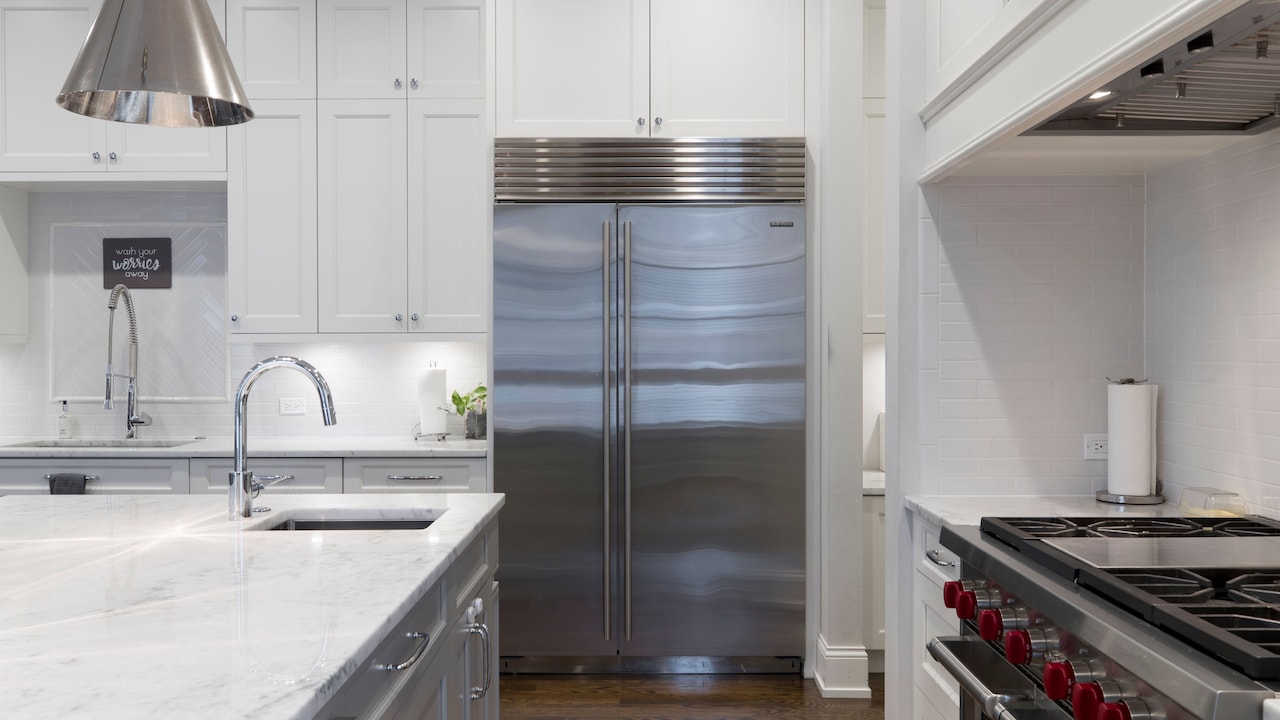
Refrigerator Buying Guide For Small Kitchens With Limited Corner Space; Photo Credit: Pexels
Limited corner space adds another twist. A poorly chosen fridge can block drawers, clash with cabinet doors or turn the kitchen entrance into a traffic jam. A well-chosen one, however, quietly settles in and makes life smoother. It keeps milk fresh, leftovers safe, fruits crisp and Sunday ice cream ready, all without eating up precious space.
Things To Consider Before Buying A Refrigerator For A Small Kitchen
Measure The Kitchen Before You Fall For A Fridge
The most beautiful refrigerator in the showroom can become a daily headache if it refuses to fit your kitchen. Start with a measuring tape, not a wishlist. Measure the width, depth and height of the available corner. Then measure the space around it, because a fridge needs breathing room. Most models require a small gap at the back and sides for heat to escape. Without that gap, the compressor works harder, power bills rise, and cooling suffers.
Also check the path from your main door to the kitchen. Many buyers forget this and discover the fridge cannot pass through the staircase, lift, balcony door or narrow kitchen entry. In older flats, this matters a lot. Add handle depth to your calculation, especially with single-door and double-door models. A bulky handle can stick out like an elbow in a crowded local train.
Leave space for cleaning too. Corners gather dust, onion peels and mystery crumbs. A fridge that fits too tightly may look neat on day one, then become impossible to maintain.
Also Read: 5 Best Family-Sized Refrigerators Under ₹95000 From Samsung To Godrej
Choose The Right Door Style For Corner Placement
Door swing can make or break a small kitchen. In a corner, the fridge door must open wide enough for shelves, vegetable trays and freezer boxes to slide out. If the wall blocks the door, you may struggle every time you pull out a watermelon, a steel dabba or a large bowl of batter.
Single-door refrigerators suit very tight spaces because they usually have slimmer bodies. They work well for bachelors, couples and small families that buy fresh produce often. Double-door models offer better organisation, but they need more opening room. Bottom-freezer models help if you use fresh food more than frozen items, though they can cost more.
Side-by-side refrigerators look tempting, especially during big sale banners, but most compact kitchens cannot host them comfortably. Their width needs serious floor space. French-door models face the same problem. For limited corner space, a narrow double-door or a well-designed single-door often feels more practical than a glamorous giant that turns cooking into a sideways shuffle.
Pick Capacity According To Real Food Habits
Capacity should match your lifestyle, not your neighbour's opinion. A fridge that looks small in the shop may serve you well if your household buys vegetables every two days and cooks fresh meals. A larger one makes sense if you store weekly groceries, milk packets, curd, leftovers, chutneys, dosa batter and seasonal mangoes with equal seriousness.
For one or two people, a compact refrigerator around 180 to 220 litres usually works well. A family of three or four may prefer 240 to 300 litres, especially if tiffin prep and weekend cooking fill the shelves quickly. Bigger families need more capacity, but small kitchens may demand compromise. In that case, focus on smart storage instead of sheer size.
Think about your containers. Many homes use round steel vessels, pressure cooker inserts and tall water bottles. Check shelf height and bottle rack depth before buying. A fridge with adjustable shelves can rescue you from the eternal struggle of fitting yesterday's sambar, half a cabbage and a birthday cake into the same space.
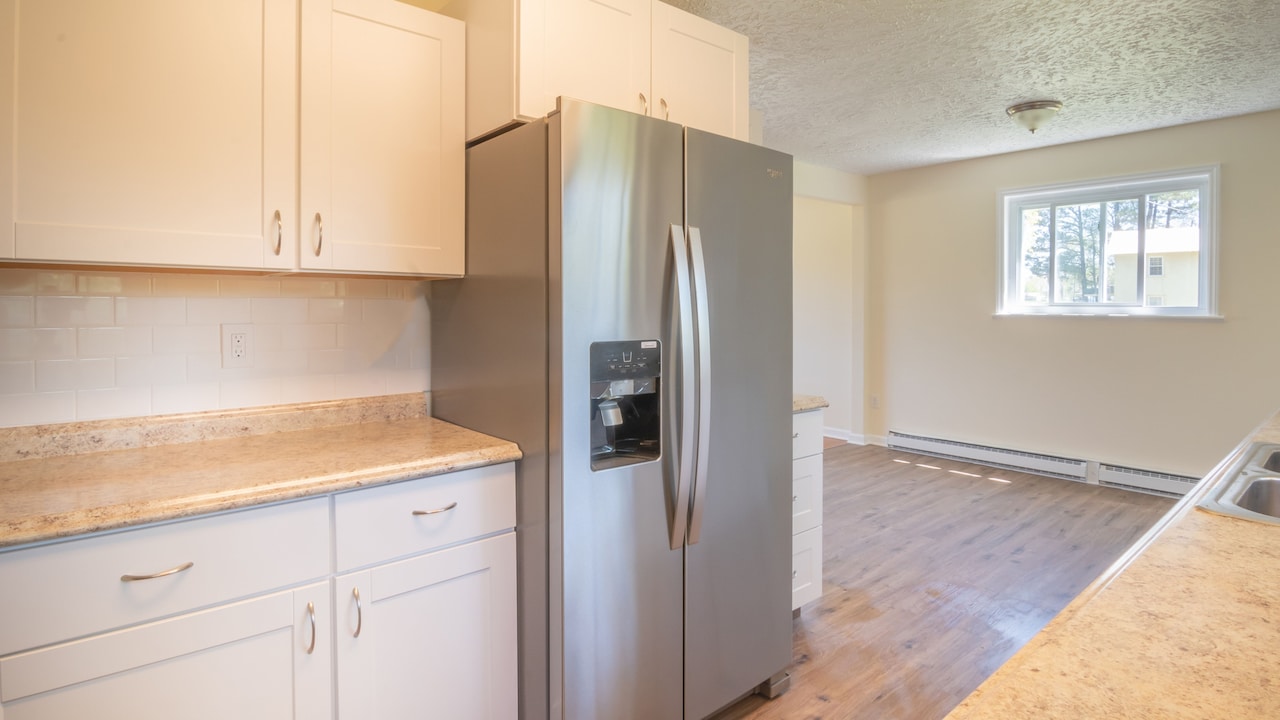
Refrigerator Buying Guide For Small Kitchens With Limited Corner Space; Photo Credit: Pexels
Look For A Slim Design With Practical Depth
A slim refrigerator does more than save width. It can keep the kitchen walkway open, reduce awkward turns and make daily cooking less cramped. Many compact kitchens lose comfort because the fridge juts out beyond the counter line. That extra depth may seem harmless until two people try to cook together and one has to squeeze past with a hot tadka pan.
Counter-depth models look neater, though they may offer slightly less storage. Check the actual depth with doors and handles, not just the body depth mentioned in product highlights. Some fridges look sleek from the front but stretch far back like a hidden suitcase.
A flat-back design helps in corner spaces because it sits closer to the wall while still allowing ventilation. Recessed handles also work beautifully in narrow kitchens. They prevent accidental bumps and give the fridge a cleaner look. Glossy finishes may brighten the space, but they show fingerprints quickly. A matte or brushed finish hides daily smudges better, especially in homes where children inspect the fridge every fifteen minutes.
Check Ventilation Before Blaming The Refrigerator
A refrigerator throws out heat while keeping food cold. That may sound unfair, but physics does not negotiate. In a cramped corner, poor ventilation can make even a good fridge perform badly. The compressor runs longer, cooling takes time, and electricity consumption climbs quietly.
Before choosing a model, study where the heat exits. Some refrigerators need side clearance, while others need more space at the back. Avoid placing the fridge flush against two walls if the manual asks for side gaps. The corner should allow air to move freely. Also keep it away from the stove, oven and direct sunlight. Heat from cooking can force the appliance to work overtime.
A small kitchen already gets warm during lunch prep, especially in summer. Give the fridge a slightly cooler spot if possible. Even a few inches of thoughtful placement can improve performance. Do not cover the top with heavy storage boxes either. That space often becomes a parking lot for cereal packets, pickle jars and old newspapers, but the fridge deserves room to breathe.
Prioritise Energy Efficiency For Monthly Savings
A refrigerator runs all day and night, so energy efficiency matters more than a one-time discount. A cheaper model with high power consumption can cost more over the years. Look at the star rating carefully and compare annual electricity consumption figures when available. A higher-rated model may carry a slightly bigger price tag, yet it can soften monthly bills.
Inverter compressors suit many homes because they adjust cooling according to need instead of switching on and off harshly. They also tend to make less noise, which helps in small flats where the kitchen sits close to the living room or bedroom. Nobody wants a fridge that hums like a tired ceiling fan during a late-night film.
Power cuts also deserve attention. Some models promise longer cooling retention or faster ice-making. These features can help in areas where electricity plays hide-and-seek during summer. Avoid buying only by brand name or showroom excitement. A fridge should save money quietly, year after year, while your family spends that extra amount on better fruit, not bigger bills.
Make Storage Work Harder Than The Size
In a small kitchen, clever storage beats oversized capacity. Look for adjustable shelves, strong door racks, a spacious vegetable box and enough room for tall bottles. A fridge may have decent litre capacity but poor internal design. That means you end up stacking containers dangerously, then performing a balancing act every time you need curd.
Door racks should hold two-litre bottles without wobbling. The vegetable drawer should slide smoothly even when full of tomatoes, carrots, coriander and that one forgotten bitter gourd. Toughened glass shelves help when you store heavy vessels. Spill-proof shelves save effort when milk or curry escapes its container.
Freezer layout matters too. If your home keeps frozen peas, ice trays, kulfi, meat, fish or ready-to-cook snacks, choose a freezer that does not turn into a frosty cave. For fresh-food-heavy households, larger fridge space and a modest freezer make more sense. Storage should match real habits. A well-planned 250-litre fridge can feel roomier than a poorly arranged 300-litre one.
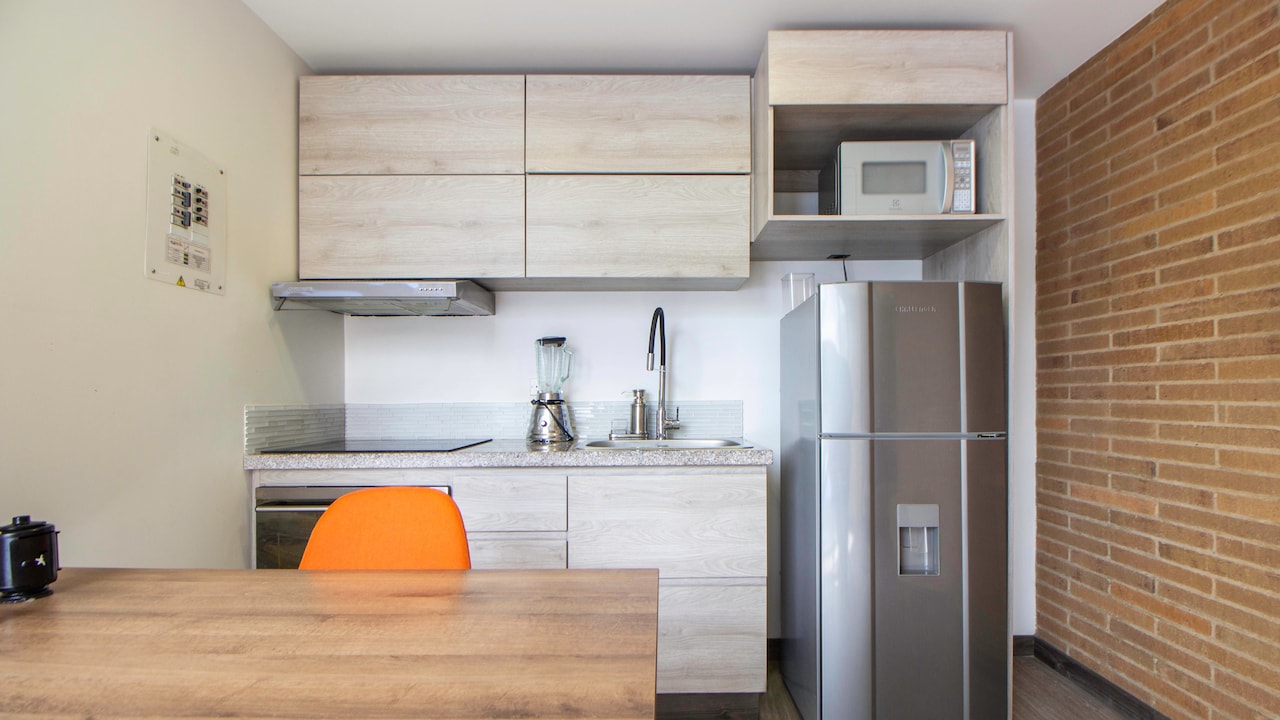
Refrigerator Buying Guide For Small Kitchens With Limited Corner Space; Photo Credit: Pexels
Think About Noise In Open Or Compact Homes
Small kitchens often sit close to everything. The dining table may stand just outside, the sofa may face the kitchen entrance, and in studio homes, the bed may hear every appliance gossip. That makes refrigerator noise an important detail. A loud compressor or rattling tray can become annoying, especially at night.
Ask about noise levels and read user experiences when possible. Inverter models usually operate more smoothly, though installation also affects sound. An uneven floor can make the fridge vibrate. A loose bottle rack can add its own percussion. Even a steel plate kept on top can turn a gentle hum into a strange kitchen concert.
After delivery, let the fridge stand upright for a few hours before switching it on, especially if workers tilted it during transport. Place it on a level surface and avoid pushing it hard against the wall. A quiet fridge may not feel exciting in the showroom, but it becomes a daily blessing at home. Peace has value, particularly after a long day of office calls, traffic and dinner prep.
Match Features With Daily Use, Not Showroom Drama
Modern refrigerators come with flashy promises, from convertible freezers to touch panels and smart sensors. Some features genuinely help, while others only make the brochure look expensive. In a small kitchen, useful features should earn their place.
Convertible modes help families that need extra fridge space during festivals, weddings, mango season or weekly meal prep. Frost-free technology reduces manual defrosting and keeps freezer maintenance easier. A stabiliser-free operation feature helps in areas with voltage fluctuations, though a separate stabiliser may still offer peace of mind in some homes.
Water dispensers and ice dispensers sound luxurious, but they take door space and need more width. They may not suit kitchens where every shelf counts. Smart connectivity can appeal to gadget lovers, but most households need strong cooling, sensible storage and easy cleaning first. Do not pay extra for features that will impress guests once and then sit unused. The best fridge should simplify daily life, not behave like a showroom celebrity.
Plan The Budget With Delivery And Maintenance
A refrigerator budget should include more than the sticker price. Delivery charges, extended warranty, stabiliser, stand, installation accessories and old-fridge exchange value can affect the final amount. During festive sales, a model may appear cheaper online, but check warranty terms, return conditions and service availability in your city before clicking “buy”.
For compact kitchens, paying slightly more for the right dimensions can save years of irritation. A fridge that blocks a cabinet or scratches the wall every morning costs more in stress than the discount saved. Set a realistic price range in ₹ and compare models within that range. Avoid stretching the budget for unnecessary size or gimmicks.
Maintenance also matters. Choose a brand with reliable service nearby. Check whether spare parts, shelves and trays cost a fortune. Clean the coils or rear area as recommended, wipe door gaskets, and avoid overloading shelves. A fridge that receives basic care cools better and lasts longer. Good buying decisions continue long after the bill gets printed.
Products Related To This Article
1. Bosch 207 L, 3 star, Direct-Cool Single Door Refrigerator
2. Haier 190 L 4 Star Direct Cool Single Door Refrigerator with Fast Ice Making
3. Godrej 180L 2 Star Direct Cool Single Door Refrigerator with 5 Years Warranty
4. Whirlpool 192 L 4 Star Icemagic Powercool Direct-Cool Single Door Refrigerator
5. Samsung 183 L, 4 Star, Digital Inverter
6. Whirlpool 184 L 2 Star Direct-Cool Single Door Refrigerator
7. Haier 190 L 4 Star Direct Cool Single Door Refrigerator with Fast Ice Making
A refrigerator for a small kitchen should behave like a thoughtful housemate. It should fit neatly, open comfortably, cool reliably, and stay out of the way when the cooking rush begins. Limited corner space does not mean you must settle for a tiny, frustrating appliance. It simply asks for sharper planning.
Measure the space, study the door swing, choose sensible capacity and respect ventilation. Look beyond shiny finishes and festival discounts. The right fridge will suit your food habits, your containers, your power situation and your daily rhythm. It will hold milk for morning chai, vegetables for the week, sweets from relatives, leftovers from Sunday lunch and ice cubes for nimbu paani in May.
In compact kitchens, every inch carries responsibility. A carefully chosen refrigerator can turn a tight corner into a hardworking storage zone rather than a bulky obstacle. Buy with patience, not panic. Your kitchen will thank you every day, quietly, every time the door closes with a soft, satisfying click.
(Disclaimer: This article may include references to or features of products and services made available through affiliate marketing campaigns. NDTV Convergence Limited (“NDTV”) strives to maintain editorial independence while participating in such campaigns. NDTV does not assume responsibility for the performance or claims of any featured products or services.)