Why Your Microwave Heats Food Unevenly And How To Fix It
Microwaves often leave food hot at the edges and cold in the centre. Learn why uneven heating happens and how simple fixes like stirring, covering, spacing, and resting food can make every reheated meal warmer, softer, and more evenly cooked.
Why Your Microwave Heats Food Unevenly And How To Fix It
Few kitchen moments feel more disappointing than reheating a plate of biryani, opening the microwave with hope, and finding steam rising from one side while the other side feels like it just returned from Shimla. The microwave promises speed, and to be fair, it usually delivers. It softens butter, warms milk, revives leftover dal, and rescues busy mornings when breakfast has gone cold. Yet it often heats food unevenly. The top feels hot, the middle sulks in silence, and the edges threaten to burn your tongue. Many people blame the machine, the bowl, or even the cook. In reality, uneven heating has a scientific reason, and it can be fixed without buying a fancy new appliance. Microwaves work differently from gas stoves and induction cooktops. They do not heat food from the outside in the usual way. They send energy waves into the food, and those waves behave in surprisingly fussy ways. Once that becomes clear, the solution feels simple: spread, stir, cover, pause, and place food wisely.
Why Your Microwave Heats Food Unevenly And How To Fix It; Photo Credit: Pexels
Simple Fixes For Even Microwave Heating
Microwaves Do Not Heat Like A Stove
A stove heats a pan, the pan heats the food, and the food slowly warms through. A microwave takes another route. It sends electromagnetic waves into the oven cavity. These waves make water, fat, and sugar molecules move rapidly. That movement creates heat inside the food.
This sounds wonderfully efficient, and often it is. A bowl of poha or upma can warm faster in a microwave than on a tawa. But the heat does not spread evenly by magic. The waves enter the food only to a limited depth. After that, the heat must travel through the rest of the food. Thick foods, such as stuffed parathas or a dense bowl of khichdi, can fool the microwave. The outer layers get hot while the centre stays cool.
That is why a flat portion heats better than a tall mound. A small adjustment in shape can make a big difference. Spread rice, sabzi, noodles, or pasta in a shallow layer rather than piling it like a mini hill. The microwave then has less work to do, and your lunch has fewer cold surprises.
Also Read: Check Out Best-Selling Microwave Ovens For Cooking, Reheating, And More
Hot Spots And Cold Spots Are Real
Inside every microwave, waves bounce around the metal walls. They reflect, overlap, and create areas where energy feels stronger or weaker. These areas become hot spots and cold spots. Food sitting in a strong energy zone heats quickly. Food sitting in a weak zone may barely warm.
This explains why one piece of paneer in a curry can feel fiery while the next piece tastes as if it came straight from the fridge. The microwave has not heated the dish uniformly. It has warmed certain areas more than others.
The rotating glass plate tries to solve this problem. As the dish turns, different parts of the food pass through different energy zones. But rotation does not always fix everything. A large square container, an overloaded plate, or food stacked unevenly can still heat poorly.
A simple trick helps: avoid placing food right in the centre of the turntable. Put the bowl slightly off-centre so it travels through a wider path as it rotates. This gives more parts of the food a chance to pass through warmer zones. It sounds too easy, but it works surprisingly well.
The Shape Of Your Food Matters
Food shape plays a bigger role than most people expect. A round, even layer heats more predictably than a lumpy, uneven pile. Corners also heat faster than centres, which explains why the edges of a lasagne slice or leftover pizza can turn chewy while the middle remains cold.
Microwaves love exposed surfaces. Thin sections absorb energy quickly. Thick sections lag behind. A potato, for example, can feel hot outside but stay firm inside unless you pierce it and give it enough time. A bowl of curry with large chunks of vegetables can behave the same way. The gravy heats quickly, while the potato or carrot pieces take longer.
The fix lies in simple arrangement. Place thicker pieces towards the outer edge of the plate and thinner pieces near the centre. Spread food evenly. Break up large clumps of rice or noodles before heating. For rotis, parathas, or theplas, stack only a few at a time and wrap them in a damp cloth or microwave-safe cover.
Treat the plate like a small map. Give each part of the meal space, and the microwave will reward you with better results.
Why Your Microwave Heats Food Unevenly And How To Fix It; Photo Credit: Pexels
Stirring Is Not Optional
Many microwave users treat stirring as a suggestion. It is not. Stirring moves hot food into colder areas and helps heat spread through the dish. Without it, the microwave may heat one patch aggressively while another patch waits politely for attention.
This matters especially for liquid and semi-liquid dishes. Dal, sambhar, kadhi, gravies, soups, and milk can develop hot pockets. A spoonful from the edge may burn the tongue while the middle still feels lukewarm. Stirring halfway through heating prevents this drama.
For best results, heat food in shorter rounds. Warm it for a minute, stir well, then heat again. This method may feel slower, but it saves time compared with reheating the same bowl again and again. It also protects flavour and texture. Rice stays softer. Gravies do not splutter as much. Milk heats with less risk of overflowing like an angry volcano.
Stirring also gives you control. You can check whether the food needs more time instead of guessing. The microwave becomes a helpful tool rather than a mysterious box with mood swings.
Covering Food Keeps Moisture In
Microwaves can dry food quickly. Anyone who has reheated uncovered rice knows the sadness of hard grains and rubbery edges. Covering food traps steam, and steam helps distribute heat more evenly. It also keeps the dish moist, soft, and far more pleasant to eat.
Use a microwave-safe lid, a vented cover, or a microwave-safe plate placed loosely over the bowl. Do not seal the container tightly. Steam needs a way to escape; otherwise, pressure can build up and create a messy surprise. A small gap does the job.
This trick works beautifully for rice, idlis, dhokla, pulao, and leftover sabzi. A tiny sprinkle of water before covering can revive dry food. For rotis, a damp cloth can bring back softness. For pizza, though, too much moisture can make the base soggy, so a lighter cover works better.
Covering also keeps the microwave cleaner. Less splatter means fewer stubborn curry stains on the roof of the oven. That alone makes it worth doing. A clean microwave also performs better, because old food stains can absorb energy and create smells nobody invited.
Power Level Changes Everything
Many people use only one microwave setting: full power. It feels logical. More power means faster heating, right? Not always. Full power can overheat the outside before the centre has time to warm. Lower power gives heat more time to travel through the food.
Think of it like reheating gajar ka halwa. Blast it at full power, and the edges may become too hot while the middle stays cool. Use medium power for a little longer, and the heat spreads more evenly. The result tastes better too.
Lower power works especially well for dense foods, thick curries, frozen meals, butter, chocolate, and bread-based items. It prevents tough textures and burnt patches. For leftovers from the fridge, medium-high power often gives a better balance than full power.
The microwave does not actually become weaker in a smooth way. It usually cycles energy on and off. That pause gives heat time to move through the food. So, the next time lunch needs reheating, try 70 per cent power instead of 100 per cent. Those extra seconds can save the meal.
Standing Time Is Secretly Powerful
The beep does not mean the heating has finished. It only means the microwave has stopped sending energy. Heat continues to move inside the food after the door opens. This resting period, known as standing time, can turn uneven warmth into a properly heated meal.
This matters most for dense or thick foods. A bowl of rajma, chole, pulao, pasta, or leftover curry benefits from a minute or two of rest. During that time, the hotter areas share heat with the cooler centre. The food settles, and the temperature becomes more even.
Skipping standing time often leads to confusion. The bowl feels hot, steam rises, and the first bite seems ready. Then the next bite feels cold. Letting the food rest avoids that uneven experience.
Standing time also protects your mouth. Microwaved food can hide extremely hot spots, especially in sauces and fillings. A stuffed paratha or samosa filling can feel harmless outside and molten inside. Give it a short rest, then check before eating. Patience here does not feel dramatic, but it prevents burnt tongues and ruined moods.
Container Choice Can Help Or Hurt
The bowl or plate matters more than it gets credit for. Microwave-safe glass and ceramic usually heat food well. Some plastics work too, but only if they carry a microwave-safe label. Metal should stay out of the microwave unless the appliance manual clearly allows a specific accessory.
Container shape also matters. A shallow, wide dish heats more evenly than a deep, narrow bowl. When food sits in a tall container, the top and sides heat faster while the centre struggles. A flat dish gives the waves better access and makes stirring easier.
Avoid containers that are much larger than the food. Empty areas do not help. Also avoid cramming a dish until it looks like a railway platform during rush hour. Food needs space for heat and steam to move.
For everyday reheating, a simple glass bowl with a loose lid works well. It may cost more than thin plastic, but it lasts longer and avoids stains from turmeric-heavy gravies. Good containers are not just kitchen accessories. They quietly improve the quality of every reheated meal.
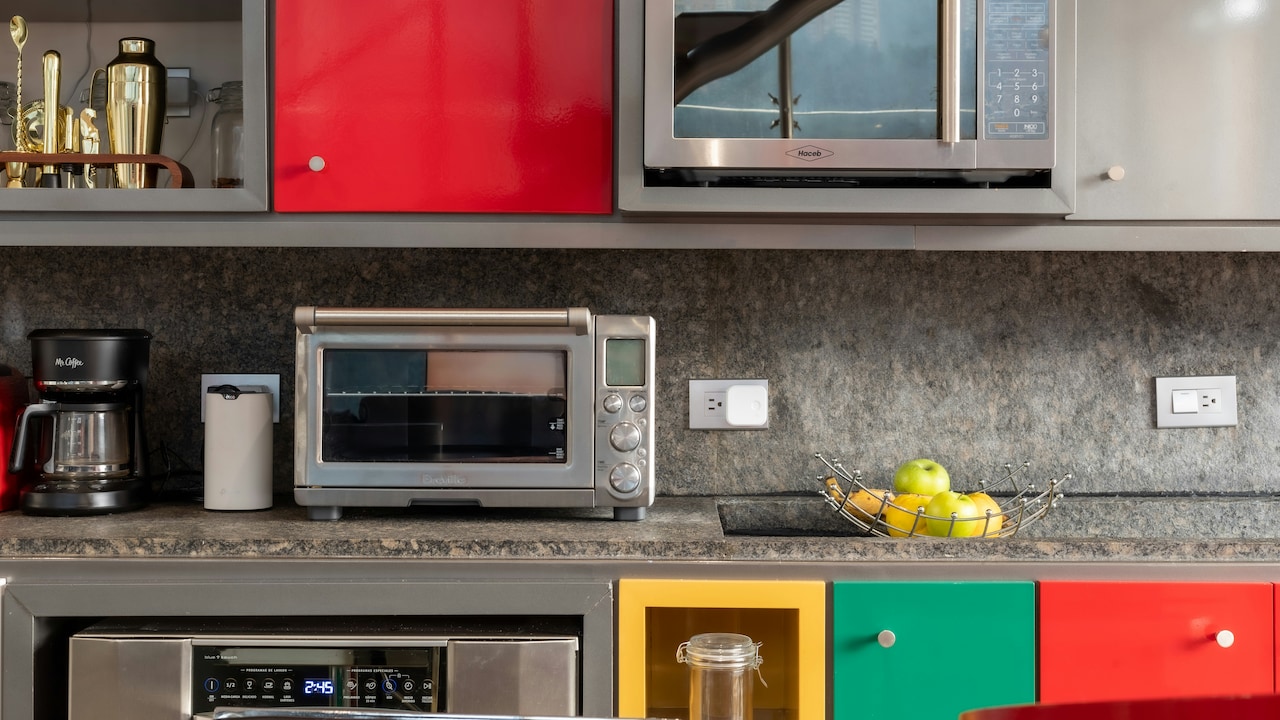
Why Your Microwave Heats Food Unevenly And How To Fix It; Photo Credit: Pexels
Frozen Food Needs Extra Care
Frozen food creates a special challenge. Ice absorbs microwave energy differently from liquid water. Once some areas thaw, they begin heating faster than the still-frozen parts. That is why frozen peas in pulao may become hot while a chunk of curry remains icy.
The defrost setting exists for this reason. It uses lower power and gives food more time to thaw gradually. Jumping straight to full power can cook the outside while the inside remains frozen. For frozen parathas, cutlets, curries, and meal boxes, defrost first, then heat.
Break up frozen food whenever possible. Separate pieces before microwaving. Stir or turn the food during defrosting. For frozen gravies, stop halfway and loosen the softened edges so the centre can thaw.
Do not rush frozen meat or seafood in the microwave unless you plan to cook it immediately after defrosting. Uneven thawing can create warm patches where bacteria may grow. For safety and taste, slow thawing in the fridge still works best when time allows. The microwave helps in a hurry, but it needs attention.
A Cleaner Microwave Heats Better
A dirty microwave does more than look unpleasant. Dried food splatters, grease, and sauce stains can absorb energy and create smells. They can also interfere with how evenly food heats. That old patch of dal on the side wall may not seem important, but it joins the heating party every time the appliance runs.
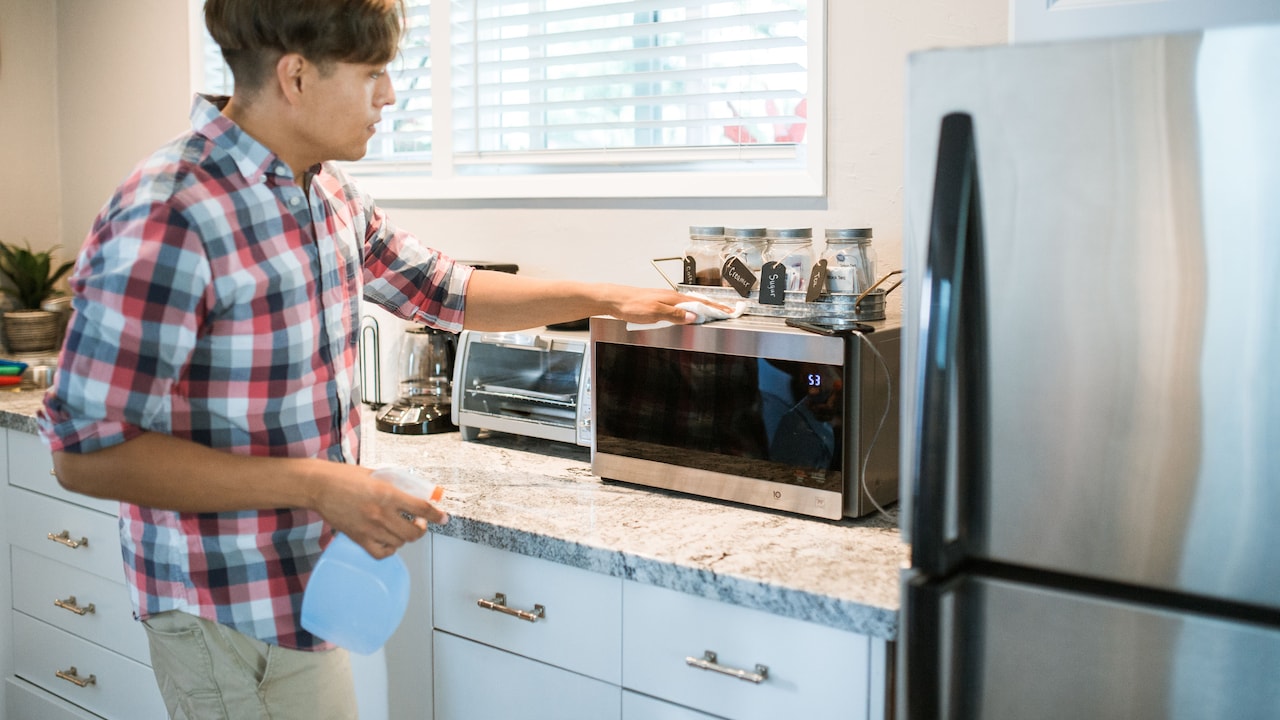
Cleaning does not need much effort. Place a microwave-safe bowl of water with a slice of lemon or a spoon of vinegar inside. Heat it until steam forms, then leave the door closed for a few minutes. The steam loosens grime, and a soft cloth can wipe it away. No heroic scrubbing required.
The turntable also deserves attention. Food spills under the glass plate can affect rotation. If the plate does not turn smoothly, food will heat unevenly. Wash the plate, clean the roller ring, and check that everything sits correctly.
A fresh-smelling microwave makes reheated food taste better too. Nobody wants tea carrying the ghost of last night's garlic tadka. Cleanliness may feel basic, but it remains one of the easiest fixes.
Small Habits Make The Biggest Difference
Microwave heating improves when small habits come together. Spread food evenly. Use a shallow container. Cover it loosely. Heat in short rounds. Stir halfway. Lower the power for dense dishes. Let the food rest before eating. None of these steps requires a new appliance or a complicated kitchen routine.
The biggest mistake is expecting the microwave to behave like a magic box. It works fast, but it needs cooperation. A plate of leftover rice dumped into a tall bowl and blasted at full power will not heat as nicely as rice spread out, sprinkled with water, covered, stirred, and rested.
The same rule applies across meals. Whether it is dal from lunch, sabzi from dinner, or morning milk for coffee, a little care changes the result. Food heats more evenly, textures improve, and reheating feels less like a gamble.
In many homes, the microwave has become the quiet hero of rushed mornings and late dinners. Treat it well, and it returns the favour one warm, comforting plate at a time.
Products Related To This Article
1. Panasonic 20L Grill Microwave Oven
2. Midea 20L Solo Microwave Oven
3. IFB 24L Solo Microwave Oven with 69 Auto Cook Menus
4. Glen Multi-Function OTG for Kitchen 35 Litre
5. Samsung 23 L Solo Microwave Oven
6. Godrej 20 L 5 Years Comprehensive Warranty Multi Distribution System for Even and Faster Cooking
7. iBELL WAVE10 OTG Oven – 10L Compact Design, 1200W Power
Uneven microwave heating is not a flaw that you must simply tolerate. It happens because microwaves form hot and cold spots, food comes in awkward shapes, and heat needs time to move through dense portions. Once you understand that, fixing the problem becomes refreshingly simple.
Spread food instead of piling it. Stir whenever possible. Use lower power for thicker dishes. Cover food to trap steam. Choose shallow microwave-safe containers. Let meals rest after heating. Keep the oven clean and the turntable moving smoothly.
These small changes can rescue everyday leftovers from cold centres, dry edges, and surprise hot spots. A microwave may never have the charm of a sizzling tawa or the slow comfort of a pressure cooker, but it has its own place in a busy kitchen. Use it with a bit of thought, and it can turn yesterday's meal into today's comfort without the usual uneven drama.
(Disclaimer: This article may include references to or features of products and services made available through affiliate marketing campaigns. NDTV Convergence Limited (“NDTV”) strives to maintain editorial independence while participating in such campaigns. NDTV does not assume responsibility for the performance or claims of any featured products or services.)