How To Choose A Rain Jacket For Two-Wheeler Rides Without Losing Arm Movement
Choose a rain jacket that blocks showers without locking your arms. The right fit, sleeves, cuffs and fabric keep braking, turning and gripping the handlebar easy during wet two-wheeler rides.
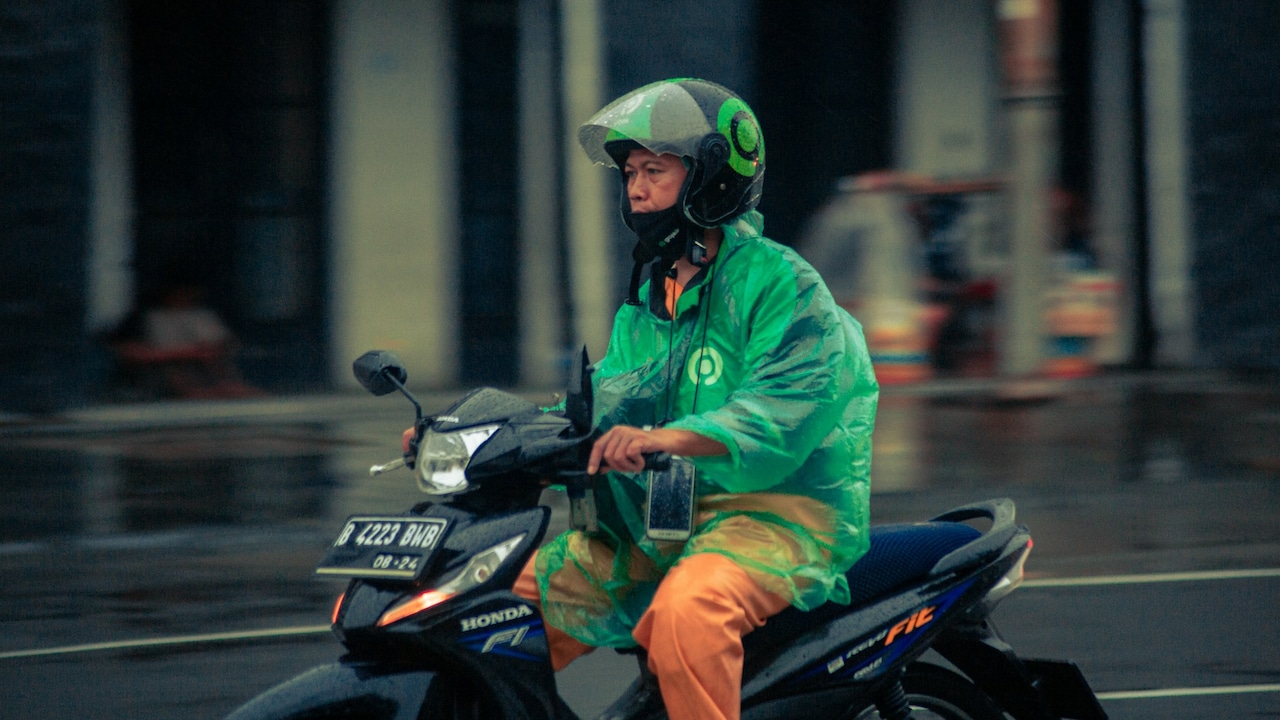
Say goodbye to getting soaked in rain with these tips to choose a rain jacket
Rain changes a familiar ride in seconds. A smooth road turns shiny, traffic slows into a restless queue, and every signal feels longer than usual. On a scooter or bike, the rain jacket becomes more than seasonal clothing. It becomes a small shield against splashes, wind, puddles and that one bus that believes in creating waves. Yet many riders buy a rain jacket only after checking whether it looks waterproof. That is where the trouble starts. A jacket may keep water out but still pull across the shoulders, rise at the wrists, squeeze the elbows, or make every turn feel like a gym exercise. Arm movement matters because riding needs quick reactions. Braking, indicating, checking mirrors, balancing through potholes and turning the handlebar all need freedom.
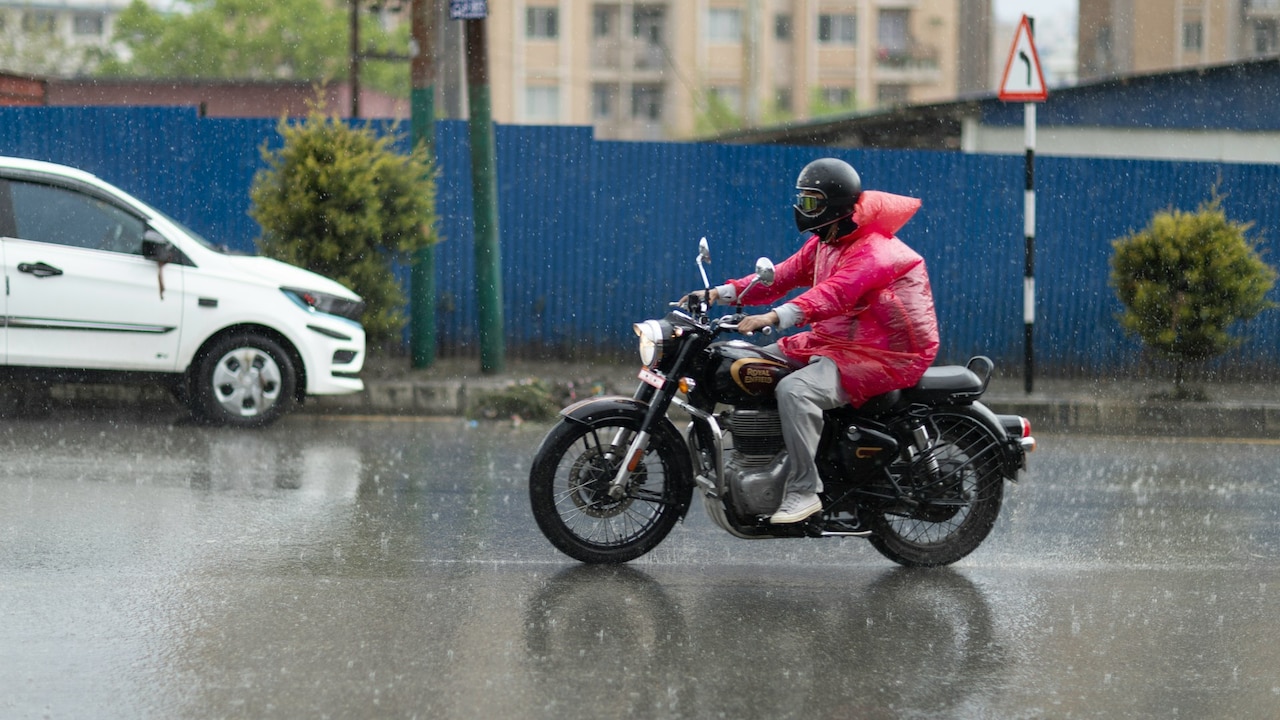
Tips to choose a rain jacket for two wheelers that doesn't restrict movement
Photo Credit: Unsplash
Choosing the right rain jacket means finding the sweet spot between protection and movement. The jacket should feel secure, not stiff; roomy, not baggy; waterproof, not sweaty. A little attention before buying can save many uncomfortable monsoon rides.
Also Read: 5 Best Raincoats Under ₹1000 To Combat Monsoon
Key Features To Check Before Buying A Rain Jacket
Start With Shoulder Freedom, Not Just Waterproof Claims
The shoulders decide how naturally the arms move while riding. A jacket can have impressive waterproof promises, sealed seams and a shiny finish, but if it tugs across the shoulders, it will become annoying before the first flyover. Two-wheeler riders keep their arms forward for long stretches, unlike walkers who swing their arms freely. That riding position changes how a jacket fits.
When trying one, stretch both arms forward as though holding a handlebar. Then turn slightly from side to side. The fabric should not pull tightly across the upper back or chest. A small amount of ease around the shoulders helps during sudden braking or sharp turns. Too much tightness can also make the jacket ride up, leaving the waist exposed to rainwater.
Look for designs that understand movement. A slightly broader shoulder cut, curved panels or extra room across the back can help. The jacket should not feel like a school raincoat borrowed after three growth spurts. Comfort in the shoulders often decides comfort for the whole ride.
Choose Raglan Or Articulated Sleeves For Easy Reach
Sleeves make a huge difference on wet rides. Straight, narrow sleeves may look neat while standing, but riding bends the elbows and pushes the arms forward. That simple change can make a regular sleeve feel restrictive. Raglan sleeves, which run from the collar towards the underarm, usually allow better movement because they do not place a hard seam at the shoulder point.
Articulated sleeves also work well. These sleeves come shaped with a slight bend around the elbow, so the jacket follows the riding posture instead of fighting it. This small detail feels especially useful during longer commutes, when the arms stay in one position for half an hour or more.
A good test takes only a few seconds. Bend the elbows, reach forward, twist the wrists and mimic using the brake or clutch. The sleeves should move with the arms without pulling the jacket body upwards. Avoid jackets that feel fine only when standing still. A rain jacket for two-wheeler rides should suit the road, not just the shop mirror.
Check The Sleeve Length While Holding The Handlebar
Sleeve length often fools buyers. A jacket may cover the wrists perfectly while standing, but the sleeves can climb up once the arms stretch forward. That gap invites rain straight into the gloves, shirt cuffs or watch strap. Nothing ruins a ride faster than cold water sneaking down the wrist at a red light.
The right sleeve should cover the wrist when the arms extend towards the handlebar. It should not end exactly at the wrist bone while standing. A little extra length helps when bending the elbows. However, sleeves should not hang so long that they cover the palms or interfere with grip. Balance matters.
Riders who use gloves should check how the sleeve and glove overlap. The cuff should sit neatly over or under the glove, depending on preference, without bunching. Adjustable cuffs help because they close the gap and stop water from entering. Before buying, hold an imaginary handlebar and rotate the wrist as though accelerating. If the sleeve stays in place, the jacket deserves serious attention.
Pick A Fit That Allows Layers Without Ballooning
A rain jacket should leave room for regular riding clothes underneath. During cooler monsoon mornings or hill rides, a sweatshirt or light jacket may sit below the rain layer. If the rain jacket fits too tightly, arm movement suffers immediately. The elbows feel squeezed, the shoulders pull and the zip strains whenever the rider leans forward.
At the same time, a jacket that is too loose can flap wildly in the wind. That noisy balloon effect becomes distracting, especially on open roads. Loose fabric may also catch air around the chest and sleeves, making the ride feel clumsy. The ideal fit allows a thin layer underneath while keeping the outline controlled.
Try the jacket over the kind of clothes usually worn while riding. A formal shirt, office trousers, kurta, hoodie or college backpack can change the fit. Zip the jacket fully and sit or squat slightly to mimic riding posture. The body should feel easy, but not oversized. A smart fit protects without turning the rider into a moving tarpaulin.
Look For A Back Panel That Moves With You
The back of the jacket works harder than many people realise. On a two-wheeler, the rider leans forward slightly, especially on bikes. That position stretches the upper back and can make short or tight jackets pull against the shoulders. Over time, the pressure becomes tiring. During sudden turns, it can even slow natural movement.
A longer back panel helps because it covers the waist when the rider bends forward. This detail matters on roads where rainwater sprays upward from tyres and passing vehicles. Some jackets also include a slight drop-tail design, where the back sits lower than the front. It gives better coverage without making the front bunch near the stomach.
Movement panels or a little extra space across the shoulder blades can also improve comfort. When trying the jacket, cross the arms in front of the chest and then reach forward. The back should stretch or shift smoothly. If the jacket pulls like a stubborn bedsheet tucked too tightly, it will not feel pleasant on a rainy commute.
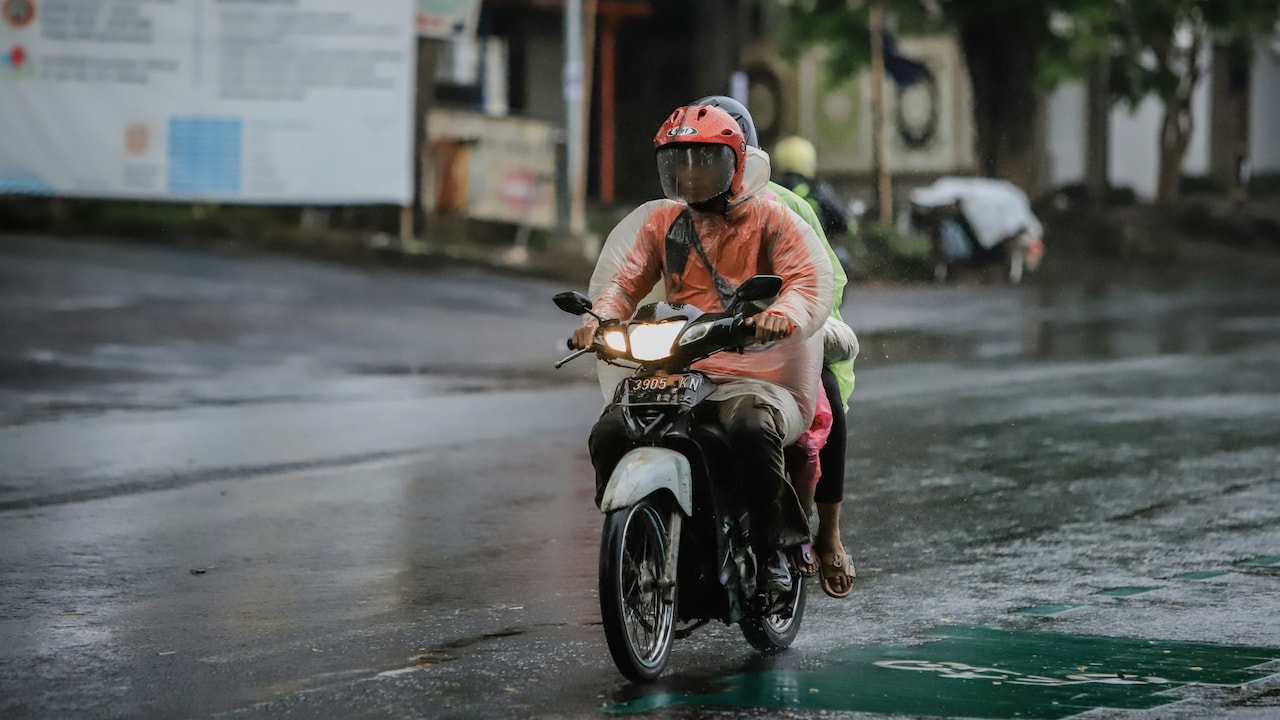
Ensure that the jacket has a back panel that moves with you; Photo Credit: Unsplash
Choose Light, Flexible Fabric Over Stiff Plastic
Fabric decides whether a rain jacket feels like protection or punishment. Very stiff plastic jackets may block rain for a while, but they often restrict arm movement and trap heat. In humid weather, that can feel like wearing a personal steam room. The result is familiar: dry from rain, damp from sweat, and mildly irritated by everything.
Lightweight waterproof fabric usually works better for daily two-wheeler rides. It bends easily at the elbows and shoulders, packs into a scooter boot or backpack, and does not make every movement noisy. A flexible outer layer also helps when checking mirrors, adjusting a helmet strap or lifting the arm to signal.
The fabric should feel tough enough for regular use, though. Thin material that tears near the seam after two rides saves no money. Mid-range jackets, often around ₹1,200 to ₹3,000, can offer a practical balance for city commuting. The best fabric feels smooth, bends easily and does not crackle like snack packaging during every turn.
Keep The Cuffs Snug Yet Easy To Adjust
Cuffs sit at a small but important trouble spot. Loose cuffs allow water and wind to enter. Tight cuffs make wrist movement uncomfortable. During riding, the hands constantly work the throttle, brakes, clutch and switches, so the cuffs must support movement rather than block it.
Adjustable cuffs with Velcro, snaps or elastic can solve the problem. Velcro gives more control because the rider can tighten the opening over gloves or loosen it over a watch. Elastic cuffs feel convenient but may become irritating if they press too hard. A cuff should close neatly around the wrist while still letting the hand flex.
This detail also helps during heavy rain at signals, when water rolls down the sleeves. A snug cuff stops much of that water from reaching the palm. Before buying, rotate the wrist, squeeze an imaginary brake lever and open the palm wide. The cuff should stay comfortable through all these movements. Small design choices often decide whether a wet ride feels manageable or maddening.
Avoid Tight Armholes And Bulky Inner Linings
Armholes can quietly ruin a rain jacket. If they sit too high or feel too narrow, the jacket pulls whenever the rider lifts or reaches forward. This creates pressure around the armpits and shoulders, making the arms feel boxed in. Over a short ride, it feels uncomfortable. Over a long ride in traffic, it becomes pure drama.
Bulky inner linings can cause similar trouble. Some jackets add thick mesh or padded layers that seem comfortable at first, but they reduce space around the arms. When worn over daily clothes, the lining bunches near the elbows or underarms. That bunching steals movement and makes the jacket feel heavier.
Choose a jacket with clean inner finishing and enough armhole space. The inside should not snag on shirt sleeves or pull when putting it on quickly. Smooth linings help riders wear and remove the jacket without wrestling in a parking area while clouds gather overhead. A rain jacket should support quick action, because monsoon showers rarely send a calendar invite.
Test The Jacket With Your Actual Riding Posture
The shop test should look a little funny. That is fine. A rain jacket for two-wheeler rides cannot be judged by standing straight like a passport photo. The real test starts when the body copies riding posture. Stretch the arms forward, bend the elbows, lean slightly, turn the neck and mimic checking mirrors. Then lift one arm as though giving a hand signal.
These movements reveal problems quickly. The front may ride up. The shoulders may tighten. The sleeves may shorten. The zip may press into the stomach. Better to discover these things under bright shop lights than during a downpour near a flooded junction.
Scooter riders and bike riders may need different comfort checks. Scooter riders often sit more upright, while bike riders lean forward more. Backpack users should test the jacket with a bag, because straps can pull the shoulders tighter. A proper trial takes two minutes and saves months of irritation. Comfort while moving should always beat style while standing.
Balance Ventilation With Rain Protection
A rain jacket must keep water out, but it should also let heat escape. Humid weather makes this balance tricky. A jacket with no ventilation can feel suffocating, especially in slow traffic where there is little airflow. Sweaty arms stick to the lining, and movement becomes uncomfortable even when the jacket fits well.
Look for smart ventilation such as covered vents at the back, underarm openings or breathable fabric. These features allow heat to escape without letting rain pour inside. The openings should have flaps or clever placement, otherwise they become entry points for water during strong wind.
Ventilation also helps arm movement because dry fabric slides better against clothing. When sleeves become damp inside, they cling to the arms and restrict motion. Riders who commute through crowded areas, market roads or office traffic should treat breathability as a serious feature, not a luxury. A jacket that handles both rain and body heat makes the ride calmer, cleaner and far less grumpy.
Products Related To This Article
1. ZEEL Rain Coat for Men Waterproof for Bike Riders with Adjustable Hood Along with Inner Pockets
2. Boldfit Unisex Waterproof Rain Jacket Rainwear Top for Men
3. Citizen Spiderman Reversible Raincoat for Men with Waterproof Pant
4. GRECIILOOKS Men`s Raincoat
5. PALAY® Long Rain Coat, Raincoat for Men Women Waterproof
6. Boldfit Windcheater Jacket for Men,Lightweight
7. Venzina® UPF 150+ Sunscreen Jacket for Women
Choosing a rain jacket for two-wheeler rides is not just about surviving the rain. It is about staying comfortable enough to ride safely. Arm movement matters every minute on the road, from braking near a pothole to turning into a lane packed with autos, scooters and impatient honking. A jacket that blocks the shoulders or shortens at the sleeves can make even a short commute feel awkward.
The best choice gives freedom across the shoulders, shaped sleeves, practical cuffs, a flexible fabric and enough space for regular clothes. It should cover the back, breathe in humid weather and stay steady in the wind. Price matters, but movement matters more. A cheaper jacket that traps the arms will gather dust after one season, while a well-cut one becomes a trusted monsoon companion.
Before paying, copy the riding posture, move the arms, bend the elbows and check the wrists. The mirror may show how the jacket looks, but movement reveals how it will behave on the road. Rain will always bring puddles, splashes and surprise showers. The right jacket simply lets the rider handle them with dry clothes, free arms and a little more peace.
(Disclaimer: This article may include references to or features of products and services made available through affiliate marketing campaigns. NDTV Convergence Limited (“NDTV”) strives to maintain editorial independence while participating in such campaigns. NDTV does not assume responsibility for the performance or claims of any featured products or services.)