Does A Squeaky Suitcase Wheel Need Replacing? 10 Luggage-Care Myths Explained
A noisy suitcase wheel doesn’t always mean replacement time. From stiff zips to cracked shells, these 10 luggage-care myths explain what actually needs fixing and what doesn’t.
10 Luggage-Care Myths About Squeaky Wheels, Stiff Zips And Worn Suitcases
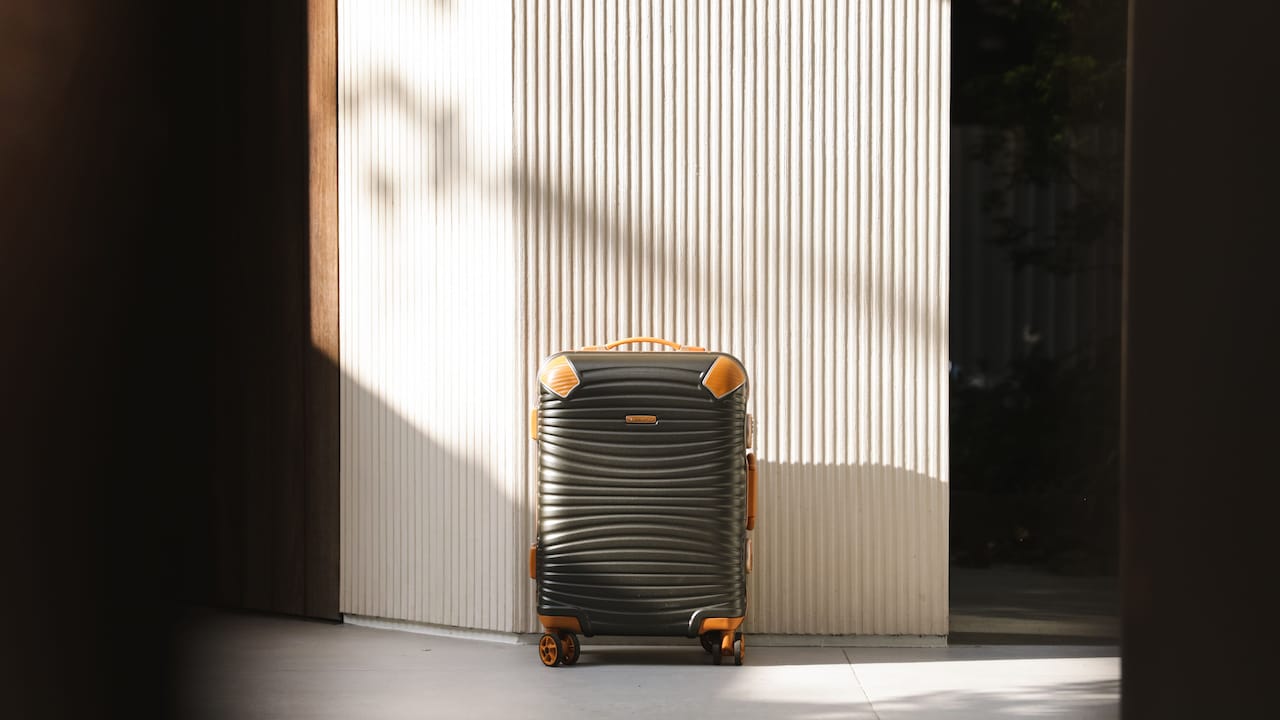
A suitcase rarely gets treated gently. It gets dragged across railway platforms, rolled over uneven pavements, squeezed into car boots and pushed through airport queues. Then, once the trip ends, it often disappears into a cupboard until the next holiday. So, when a wheel starts squeaking or a zip suddenly feels stiff, it's easy to assume the suitcase has reached the end of its useful life. Not necessarily. Many luggage problems look worse than they actually are. A noisy wheel might only have trapped dust around its axle. A stubborn zip may need cleaning rather than force. Even cosmetic scratches can tell a very different story from structural damage. Knowing what needs attention and what can safely wait can save money while helping luggage last longer. More importantly, proper care prevents a small annoyance from turning into a broken bag handle or jammed wheel halfway through a journey. So, before replacing an otherwise dependable suitcase, it helps to separate sensible maintenance from some surprisingly persistent luggage-care myths.

10 Luggage-Care Myths About Squeaky Wheels, Stiff Zips And Worn Suitcases; Photo Credit: Pexels
What Your Suitcase Is Really Trying To Tell You
Myth 1: A Squeaky Wheel Always Needs Replacing
That irritating squeak echoing through a quiet station can certainly make a suitcase sound ready for retirement. In reality, noise alone rarely proves that a wheel needs replacing.
Suitcase wheels collect an impressive amount of debris. Fine dust, hair, thread and tiny fibres can settle around the axle during travel. As the wheel turns, this build-up increases friction and may create squeaking or grinding noises. Cleaning around the wheel carefully can often solve the problem.
After removing visible debris, check whether the wheel still spins freely. A wheel that rotates smoothly without wobbling probably remains perfectly usable. Depending on the suitcase design, a small amount of suitable lubricant around the axle may also reduce friction. Avoid soaking the mechanism, though, since excess lubricant can attract more dirt.
Replacement becomes more sensible when the wheel cracks, develops obvious flat spots, wobbles heavily or repeatedly locks while rolling. Noise is a warning worth investigating, but it isn't automatically a farewell song for the suitcase.
Myth 2: Suitcase Wheels Only Get Damaged On Rough Roads
Cobblestones, broken pavements and bumpy station entrances certainly challenge suitcase wheels, but perfectly smooth floors can contribute to wear too.
The real issue often involves weight and movement rather than surface texture alone. A heavily packed suitcase places constant pressure on small wheel assemblies. Pulling it rapidly around corners can add sideways stress, especially with spinner wheels designed to rotate in several directions.
Then there are those little travel habits nobody thinks about. Rolling a packed suitcase down a staircase instead of carrying it, dragging it sideways across a kerb or letting children sit on top while someone pulls it along can put far more strain on the wheels than a slightly uneven pavement.
Watch how the suitcase moves instead of blaming every wheel problem on rough ground. If one wheel starts leaning differently or resisting movement, inspect it early.
A minor alignment problem may remain manageable for several journeys. Ignore it long enough, however, and the wheel housing itself can suffer damage, making repairs considerably more complicated.
Myth 3: A Stiff Zip Needs More Force
Few things test pre-trip patience quite like a suitcase zip refusing to move when departure time is getting closer. Pulling harder seems instinctive. Unfortunately, that can turn a minor obstruction into a broken slider or damaged zip teeth.
First, check what sits behind the zip. Clothing, inner lining fabric and loose packing straps regularly become trapped in the track. Even a tiny piece of fabric can stop the slider from travelling properly.
If nothing appears caught, examine the teeth for dirt or misalignment. Dust and grime can accumulate during storage, particularly when luggage sits uncovered for months. Gentle cleaning may restore smoother movement.
Overpacking causes another common problem. When the case bulges outward, the zip has to fight tension from both sides. Removing one jumper may solve the issue faster than wrestling with the slider for ten minutes.
Repeated stiffness deserves attention because forcing the zip can bend its components. A suitcase that closes comfortably should not require a strength contest. When the zip starts resisting, treat that resistance as information rather than a challenge.

10 Luggage-Care Myths About Squeaky Wheels, Stiff Zips And Worn Suitcases; Photo Credit: Pexels
Myth 4: Scratches Mean A Hard-Shell Suitcase Is Becoming Weak
Hard-shell luggage can look surprisingly battered after only a few trips. Scratches, scuffs and streaks appear quickly, especially on glossy finishes. Fortunately, ugly marks don't necessarily indicate structural weakness.
Most superficial scratches affect only the outer finish. They result from bags rubbing against conveyor belts, walls, luggage racks and neighbouring suitcases. These marks may ruin the pristine new-case appearance, but they usually make little difference to how safely the shell protects belongings.
Cracks deserve much more attention. Run a hand carefully over suspicious marks. A true crack may flex when pressure reaches the surrounding area, while a cosmetic scratch generally stays shallow and stable.
Also inspect corners and areas near wheels or handles. These sections often absorb stronger impacts and therefore deserve closer monitoring.
Trying to keep travel luggage completely scratch-free can become an exhausting mission. A few marks simply show that the case has travelled. Structural changes, deep splits and growing cracks matter far more than surface imperfections when deciding whether a hard-shell suitcase still has plenty of journeys left.
Myth 5: Packing To Full Capacity Does Not Affect The Suitcase
Expandable luggage makes extra space incredibly tempting. Another kurta, an extra pair of shoes and a few gifts somehow keep finding room. But fitting everything inside doesn't mean the suitcase enjoys carrying it.
Overpacking puts pressure on several components at once. Zips stretch, seams face greater tension, handles bear more weight and wheels carry heavier loads. Hard-shell cases can also bow outward when packed beyond comfortable capacity.
Problems may not appear during the first trip. Repeated overloading gradually weakens components until a zip separates or a handle feels loose.
There is also a practical difference between filling available space and compressing belongings until the case barely closes. The latter creates constant outward pressure, particularly around the zip line.
If closing the suitcase requires sitting on the lid while another person wrestles with the zip, that is a fairly convincing sign that something needs to come out.
Leaving a little breathing room protects the luggage and also makes repacking easier. Nobody wants to solve a three-dimensional puzzle on the hotel floor before the return journey.
Myth 6: Retractable Handles Should Be Lubricated Whenever They Feel Stiff
A telescopic handle that suddenly stops gliding smoothly can make travellers reach for lubricant immediately. Sometimes lubrication helps, but stiffness has several possible causes.
Start by extending the handle and examining the metal tubes. Dust can settle along the rails and interfere with their movement. A careful wipe with a dry or slightly damp cloth may remove enough grime to restore normal operation.
Check whether both sides rise evenly. If one side remains lower or catches repeatedly, the problem may involve the internal locking mechanism rather than surface friction.
Forcing a stuck handle can worsen the situation. Pulling hard while twisting the grip places stress on the joints and may bend the tubes slightly. Once that happens, smooth movement becomes even harder.
If the manufacturer permits lubrication, use an appropriate product sparingly rather than coating the entire rail.
The important point is diagnosis. A dirty track, damaged tube and faulty release button can all create similar symptoms. Automatically adding lubricant treats only one possible cause, while cleaning and inspection reveal what the handle actually needs.

10 Luggage-Care Myths About Squeaky Wheels, Stiff Zips And Worn Suitcases; Photo Credit: Pexels
Myth 7: Fabric Suitcases Can Be Cleaned Like Regular Clothes
Soft-sided luggage may look like an oversized piece of fabric, but that doesn't mean it belongs in the washing machine.
Suitcases combine textiles with stiff backing materials, frames, coatings, zips, handles and wheel assemblies. Soaking the entire bag can affect adhesives, inner structures and water-resistant finishes. It can also leave moisture trapped inside thick padded sections.
Spot cleaning usually offers a safer approach. Start by emptying every pocket and vacuuming loose crumbs, sand and dust. Then test a mild cleaning solution on a small, hidden section before tackling obvious stains.
Use a cloth rather than flooding the material. Once cleaning ends, allow the suitcase to dry completely in a well-ventilated place before storing it. Closing damp luggage encourages musty smells and may create mould in humid conditions.
Interior spills deserve the same treatment. Clean them quickly and keep compartments open until every section feels dry.
Soft luggage certainly needs cleaning, particularly after messy journeys. It just requires a little more restraint than an everyday T-shirt heading for the next wash cycle.
Myth 8: A Loose Handle Can Wait Until It Breaks
A slightly wobbly side handle can seem harmless. After all, it still lifts the suitcase. Unfortunately, looseness often signals that screws, mounts or attachment points have started shifting.
Handles experience some of the highest forces on luggage. Think about lifting a packed suitcase from the floor into a car boot or onto a luggage rack. That entire weight briefly hangs from one relatively small component.
Inspect loose handles before the next journey. Some suitcases allow easy access to mounting screws from inside the lining. Tightening them carefully may restore stability. Avoid overtightening, though, since excessive pressure can damage plastic fittings or strip screw threads.
If the mounting area itself has cracked, tightening may not solve the issue. That calls for repair or replacement of the affected part.
Continuing to lift a heavy bag by a badly loose handle risks sudden failure. Best case, the suitcase lands with an embarrassing thud. Worst case, the fall damages belongings or injures a foot.
A little movement today deserves attention before it becomes a handle in one hand and a suitcase on the floor.
Myth 9: Suitcases Should Be Stored Completely Sealed
Closing every zip before storing luggage certainly makes a cupboard look tidier, but sealing a suitcase immediately after a trip isn't always the best idea.
Travel introduces moisture in unexpected ways. Slightly damp clothes, humid weather, bathroom toiletries and even condensation can leave moisture inside compartments. Lock everything shut before the interior dries and unpleasant smells may greet the next holiday.
After travelling, empty the suitcase completely and check hidden pockets. A forgotten sock is bad enough. A forgotten snack can become an entire ecosystem.
Wipe the interior where necessary and allow the case to air thoroughly. Once completely dry, it can be closed for longer storage.
Choose a dry storage area away from persistent dampness and excessive heat. Heavy objects should not sit on top of soft cases for months because prolonged pressure can distort their shape.
Hard-shell luggage also benefits from sensible storage rather than being crushed between heavy household items.
Good luggage care doesn't stop once the journey ends. A few minutes of drying and inspection can prevent smells, stains and unpleasant discoveries later.
Myth 10: Expensive Luggage Does Not Need Regular Maintenance
Higher-priced luggage may offer stronger materials, better hardware or longer warranties, but no suitcase becomes maintenance-free simply because it costs more.
Premium wheels still pick up hair. High-quality zips still collect dirt. Strong handles still face stress when travellers repeatedly exceed sensible packing weight.
Regular inspection protects any suitcase, regardless of price. After major trips, check the wheels for trapped debris, examine the zip track and make sure handles remain secure. Look around corners and wheel housings for cracks or signs of impact.
This routine doesn't need to become another household chore requiring a spreadsheet. A quick once-over before storage and another before the next journey usually catches obvious issues.
Maintenance also helps expensive luggage deliver the lifespan that justified paying more for it in the first place.
Price can influence durability, but treatment plays a major role too. A modest suitcase that gets packed sensibly, cleaned properly and repaired early may easily outlast a premium case that spends every journey overloaded, dragged down stairs and forgotten damp in a cupboard.
Products Related To This Article
1. Core Cabin Suitcase 55 cm 20 inch Polypropylene Hard Trolley Bag
2. uppercase Vector Trolley Bag Small Size 55cm, Hardsided Suitcase
3. Meridian Medium Check-in Suitcase 65 cm 24 inch Polypropylene Hard Trolley
4. MOKOBARA Transit Cabin Trolley Bag 54cm 40L Off White
5. Safari Cabin Genius Alley 55cm Trolley Bag Hard Case Polypropylene
6. Provogue Coral Hard-Sided PP 55 Cm Suitcase
7. F Gear Sedona Large 79cm German Polycarbonate Hard Luggage
Suitcases for travel tend to give small warnings before bigger problems appear. A squeak, stiff zip or loose handle doesn't automatically mean replacement, but it shouldn't be ignored either. The trick lies in knowing the difference between ordinary wear and genuine damage. Clean wheels before condemning them, investigate stiff mechanisms instead of forcing them and give luggage time to dry after travelling. Most importantly, deal with small problems while they're still small. A dependable suitcase doesn't need to look spotless. Scratches, scuffs and the occasional stubborn wheel come with travel. What matters is whether the case still rolls smoothly, closes securely and handles the journey without turning baggage collection into an unexpected repair session.
(Disclaimer: This article may include references to or features of products and services made available through affiliate marketing campaigns. NDTV Convergence Limited (“NDTV”) strives to maintain editorial independence while participating in such campaigns. NDTV does not assume responsibility for the performance or claims of any featured products or services.)