How To Build An App In One Weekend: From Idea To A Working Product With AI
Have an app idea? Learn how to turn it into a working product in a weekend using AI app builders, from idea validation to testing and launch.

A weekend is enough to build and test many simple software products.
Every successful app was once a thought. A thought that someone couldn't stop returning to. Sometimes it was a business opportunity. Sometimes a side hustle. Sometimes just a solution to an everyday irritation. The founders of Airbnb saw renting out air mattresses during a sold-out industrial design conference as an opportunity. WhatsApp began as a simple way to stay connected without the hassle of traditional SMS charges. Countless local businesses, community groups, and creators have built digital tools to solve problems that matter only to a few hundred people, yet make life easier for all of them.

Building an app is no longer limited to professional developers.
Photo Credit: Pexels
For many, the challenge was never coming up with an idea. It was turning that idea into something real. Building software required technical expertise, development teams, and often significant investment. Most people could imagine an app. Very few could build one.
That equation is beginning to change in 2026.
Today, AI-powered app builders are making software creation accessible to people who may never have written a line of code. One such platform is Emergent, developed by Emergent Labs, which allows users to build apps, websites, dashboards, and SaaS products through natural language prompts. Instead of starting with code, users start with a conversation.
So, if you had one free weekend and an idea worth exploring, how far could you actually get?
Why Do You Need An App Idea?
Not every app idea you think of needs to become a unicorn startup.
A fitness trainer sitting in Mumbai may need a better way to track pan-India client progress. A tuition teacher in the Delhi suburbs may want a portal where students can access daily assignments. A housing society might require a visitor management system. A small retailer may struggle to keep track of inventory.
Individually, these may not seem like revolutionary ideas. Yet collectively, they represent something valuable: unmet needs.
And that's where most successful app ideas begin. The best app ideas rarely start with technology. They start with addressing a gap or frustration experienced by real people.
Step 1: Start With A Problem, Not Features
Before getting knee-deep into the technology of building something new, spend 30 minutes answering a few simple questions:
- Who are you building this app for?
- What problem does it solve for them or for you?
- How are people solving this problem today?
- Why is the current method inefficient?
Let's say you're building an app for tutors and want to explain your idea to a 10-year-old.
Instead of saying this: "I want an education app.", you could put it like this: "I want a platform where a home tutor can upload handwritten assignments, students can submit homework, and parents can track progress."
The more specific your brief, the better a 10-year-old will understand it. Similarly, the more specific and detailed your prompt is, the better the output will be.
Step 2: Describe The App To Emergent
Once the idea is clear, head to Emergent. Rather than worrying about code, databases, or design frameworks, simply describe what you want to build.
Your prompt could look something like this:
"Build a student management app for tuition teachers. Allow teachers to upload assignments, students to submit homework, parents to track grades, and create separate logins for all three user groups."
Emergent then begins generating the application's structure, interface, and workflows based on your requirements. Think of it less as programming and more as briefing a developer.
Step 3: Refine The First Version
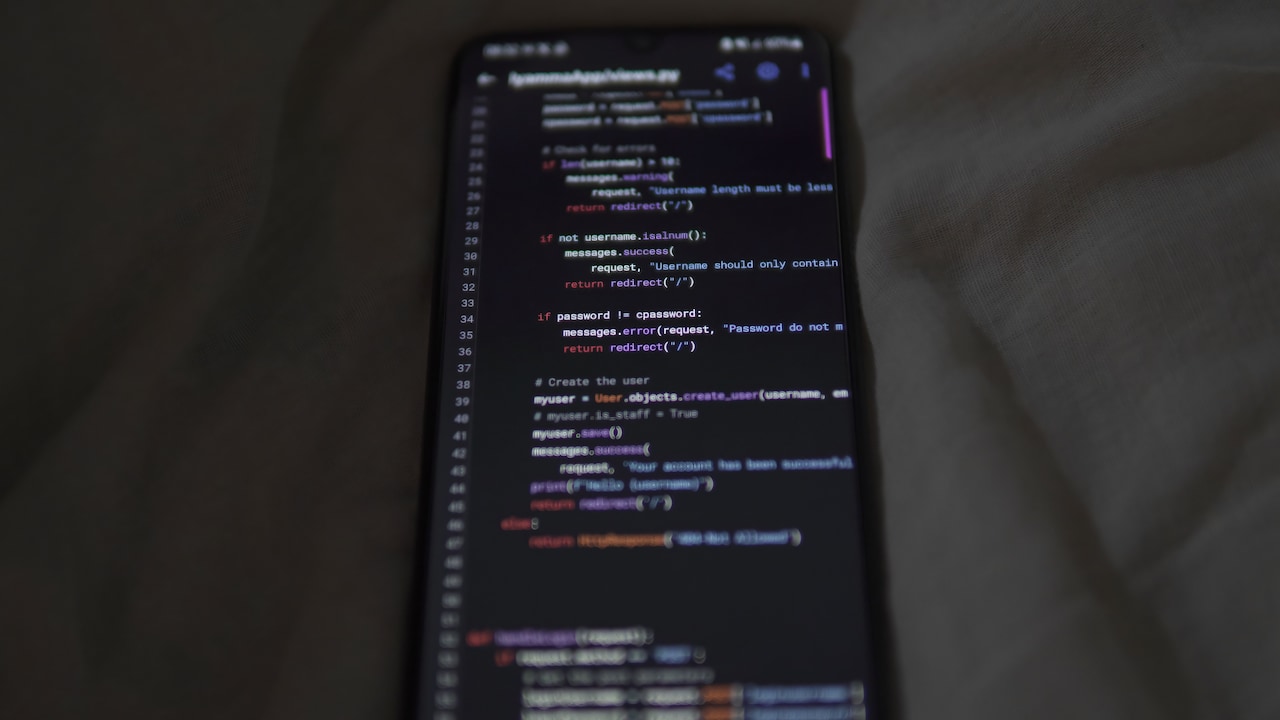
AI app builders can help turn ideas into working products faster than ever.
Photo Credit: Pexels
Like many AI outputs, the first version won't be perfect. Not because the AI isn't capable enough, but because it takes time to learn how to work with AI and generate your desired outcome.
That's okay.
In fact, one of the biggest mistakes first-time founders make is trying to build too much.
Focus on:
- User login
- Dashboard
- Core functionality
- Basic navigation
Skip:
- Fancy animations
- Advanced analytics
- Extra features that are not needed at the beginning
The goal isn't to build the final product. The goal is to build a working one.
Step 4: Talk To The AI Like A Product Manager
This is where many people underestimate platforms like Emergent.
You don't stop after the first version. You keep improving it.
For example:
- "Make the dashboard simpler."
- "Add a progress-tracking chart."
- "Allow file uploads."
- "Create a mobile-friendly view."
Instead of manually coding every change, you continue refining the product through prompts and feedback.
Step 5: Test It Like A User
Before declaring the app ready, spend some time using it the way your intended users would. Create multiple accounts, click through every section, try entering incorrect information, upload files, and test the experience across devices. Small issues often surface during this testing stage.
A button may not be working as expected, a workflow feels confusing, or a feature that seemed essential during development may turn out to be unnecessary. Testing may not be the most exciting part of building an app, but it is often the difference between an interesting idea and a product that people can confidently use.
Step 6: Publish And Share
By this point, you should have something functional.
Once you are sure that the core functionality is working, it is time to put the app in front of real people. Share it with a small group of friends, colleagues, customers, or community members who are likely to benefit from it. Pay close attention to how they use the product rather than how they say they would use it.
The most valuable feedback often comes from watching where users hesitate, get confused, or ask questions. If people immediately begin suggesting improvements or describing additional ways they could use the app, that is usually a positive sign. It suggests the problem is genuine and the solution is worth developing further.
What Can Realistically Be Built In One Weekend?
With tools like Emergent, a single weekend can be enough to create:
- Appointment booking systems
- Inventory management dashboards
- Customer relationship management tools
- Event registration portals
- Habit trackers
- Tutor management platforms
- Internal business tools
- Portfolio websites
- Basic SaaS products
What probably won't happen is building the next Netflix, Uber, or Instagram.
And that's perfectly fine because the objective of a weekend project isn't to build a billion-dollar company. It's to find out whether your idea deserves a second weekend.
The New Advantage Isn't Coding
For decades, software development belonged primarily to those who could code or those who could afford developers. AI app builders are changing that equation. Today, the biggest advantage isn't knowing a programming language like HTML, Java, or C++. It's understanding a problem well enough to describe the solution.
Clear prompts and user feedback play a crucial role in successful app development.
Photo Credit: Emergent
And perhaps that's why the idea of building an app in one weekend feels so powerful. The technology barrier that once stood between an idea and a working product is lower than ever before. Platforms like Emergent allow anyone with a clear problem statement and a willingness to experiment to start building within minutes. If you've been sitting on an app idea for months, waiting for the right time or the right technical skills, this weekend might be a good place to start. Head to Emergent, describe what you want to build, and see how far your idea can go.
Frequently Asked Questions (FAQs)
1. Can I build an app without knowing how to code?
Yes. Modern AI app builders allow users to create apps using natural language prompts without requiring programming knowledge.
2. What kind of apps can be built in a single weekend?
Simple tools such as booking systems, inventory trackers, tutor portals, dashboards, habit trackers, and basic SaaS applications can often be built over a weekend.
3. Are AI app builders suitable for beginners?
Yes. Most AI app-building platforms are designed for entrepreneurs, creators, freelancers, and business owners with little or no technical background.
4. How important is the app idea before development begins?
A clear problem statement is often more important than technical expertise. Successful apps typically start by solving a specific user need.
5. Can an AI-generated app be improved after it is created?
Yes. Users can continue refining features, workflows, design elements, and functionality through additional prompts and feedback.
(Disclaimer: This article may include references to or features of products and services made available through affiliate marketing campaigns. NDTV Convergence Limited (“NDTV”) strives to maintain editorial independence while participating in such campaigns. NDTV does not assume responsibility for the performance or claims of any featured products or services.)