
Refrigerator Organisation Mistakes That Block Airflow And Cause Uneven Cooling
Poor fridge organisation can block airflow, create warm spots and spoil food faster. Avoid overcrowded shelves, covered vents and bulky containers to maintain even cooling.
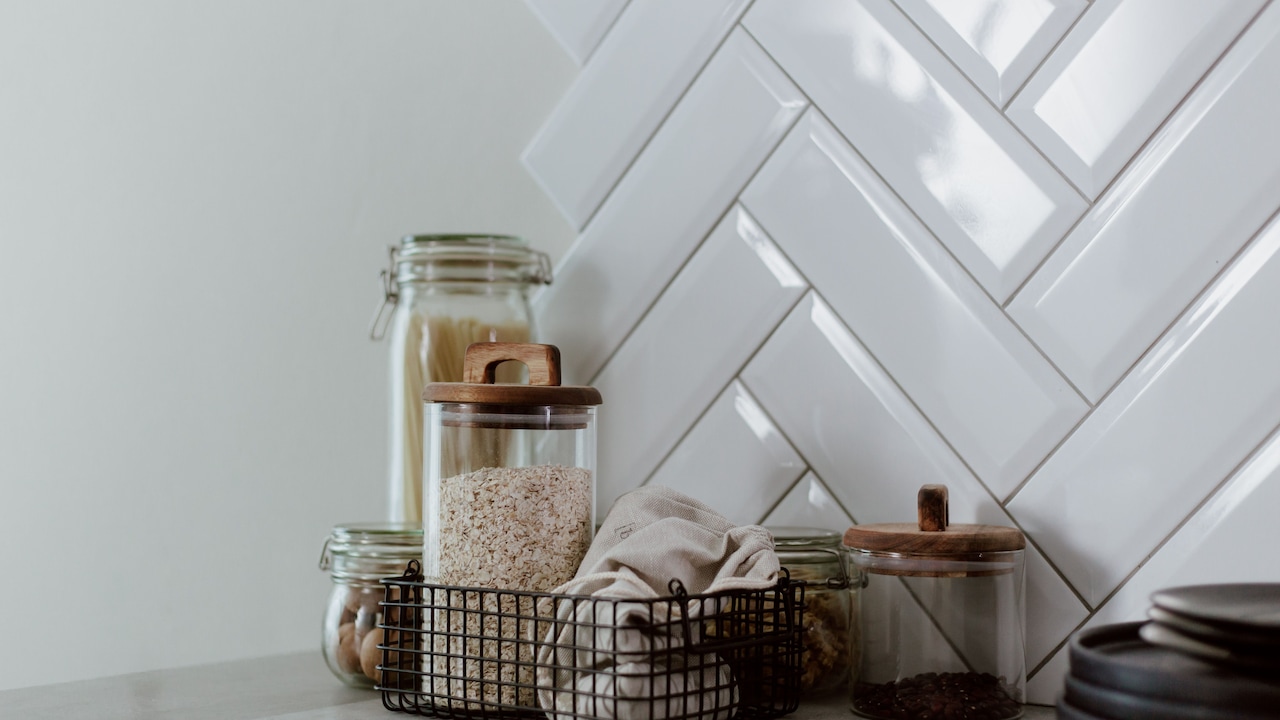
10 Fridge Storage Mistakes That Lead to Poor Airflow and Uneven Cooling
A refrigerator often becomes the busiest cupboard in the kitchen. Milk packets compete with leftover dal, vegetables disappear behind steel containers, and half a watermelon somehow claims an entire shelf. Everything may fit after a little pushing and rearranging, but fitting food inside does not always mean storing it correctly. Cold air needs space to move. Most refrigerators circulate chilled air through vents located along the back, sides or upper section of the compartment. When containers, food packets or bulky vessels block that movement, some areas become colder while others remain surprisingly warm. The result may include frozen tomatoes, lukewarm curd, wilted coriander or leftovers that spoil sooner than expected.
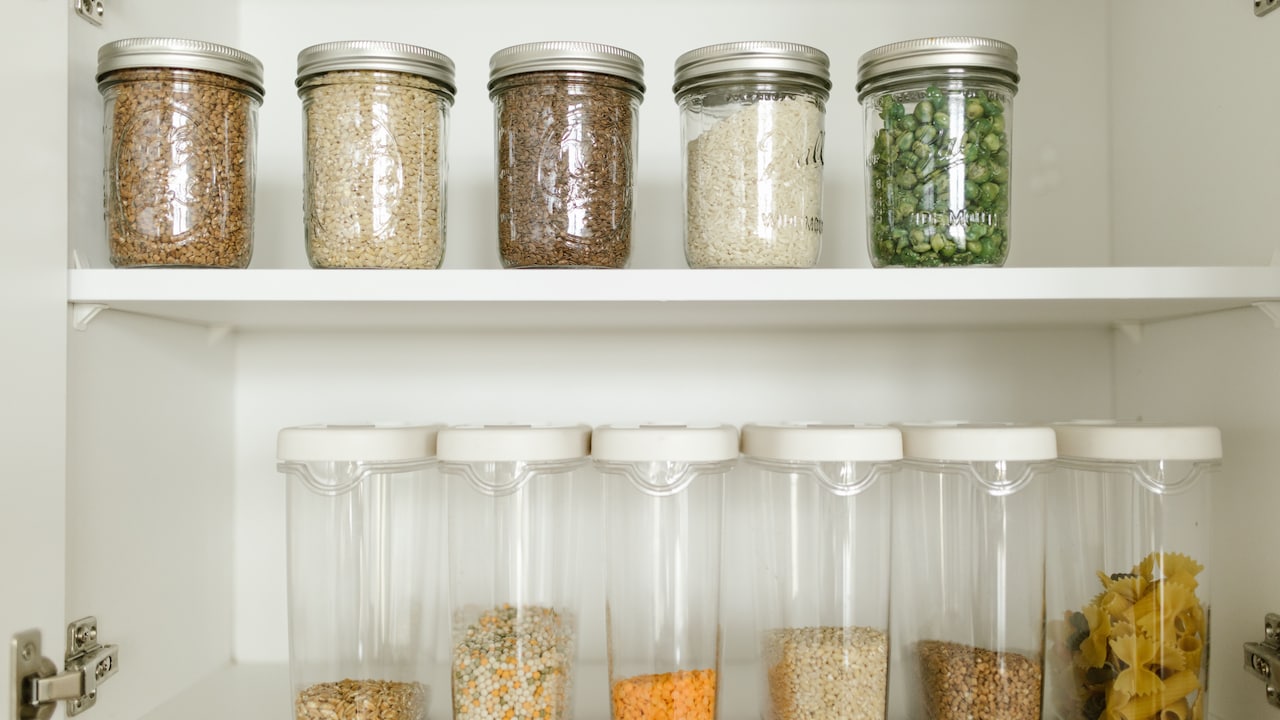
Refrigerator Organisation Mistakes That Block Airflow And Cause Uneven Cooling
Photo Credit: Pexels
Uneven cooling can also make the compressor work harder. That may increase electricity use and place unnecessary strain on the appliance. The good news is that better cooling rarely requires expensive accessories or a complete kitchen makeover. A few thoughtful changes can make a noticeable difference.
Common Fridge Organisation Errors That Disrupt Cooling
1. Packing Every Shelf Until Nothing Can Move
A fully stocked refrigerator may feel satisfying, especially after the weekly grocery run. Yet shelves packed from edge to edge leave little room for cold air to circulate. Containers begin to behave like walls, trapping chilled air in one section and preventing it from reaching another.
This often happens when large steel dabbas, milk packets, fruit boxes and leftovers sit tightly together. The items near the cooling vent may become extremely cold, while those near the front remain warmer. Food can then spoil unevenly, even when the temperature setting looks correct.
Leave small gaps between containers and avoid stacking food right up to the roof of each shelf. A little breathing room helps chilled air travel around jars, bowls and packets. Think of the refrigerator as a room with ceiling fans. Even a powerful fan cannot help much when cupboards block every corner.
Regularly remove empty boxes, forgotten chutney jars and mystery containers. A less crowded refrigerator does not mean less food. It simply means better visibility, better cooling and fewer unpleasant discoveries on Sunday morning.
2. Blocking The Air Vents With Containers
Air vents act as the refrigerator's cooling gateways. They release and circulate cold air throughout the compartment. When a large vessel, food packet or storage box sits directly in front of a vent, the chilled air cannot spread properly.
Many households place tall containers against the back wall because they seem secure there. Unfortunately, that area often contains the main cooling outlets. A big pot of sambar or a stack of lunch boxes can block the vent and create a cold zone behind it. Meanwhile, food on the lower or front shelves receives less cooling.
Check the inside walls for slits, openings or fan covers. Keep a clear space around them. Even a gap of a few centimetres can improve circulation. Avoid pressing soft packets against these openings because they may flatten and cover the vent completely.
Some refrigerators also have vents near the vegetable drawer or freezer section. These need space too. Treat them like windows. Covering them may keep the kitchen looking neat, but the room soon becomes stuffy. Cold air needs a clear route, not an obstacle course.
Also Read: Amazon Prime Day Deals On LG Appliances: Top Discounts On Home Upgrades Worth Checking Out
3. Pushing Food Against The Back Wall
The back wall often feels like the coldest place in the refrigerator. That makes it tempting to push milk, vegetables and leftovers as far back as possible. However, direct contact with this surface can cause food to freeze or collect moisture.
In many models, the back panel plays an important role in cooling. Cold air moves near it, and condensation may form there during normal operation. When containers or packets touch the wall, they may interrupt airflow and create icy patches. Leafy vegetables can turn limp, milk packets may partially freeze, and cooked food can develop an unpleasant texture.
Keep a narrow gap between food and the rear panel. Use shelf depth wisely instead of treating the back wall as a stopper. Smaller containers can sit near the middle, while taller items can occupy the sides if they do not block vents.
This habit also makes cleaning easier. Spilled curry or leaking packets often hide behind tightly packed items and dry into stubborn stains. A small gap protects airflow and prevents the back of the refrigerator from becoming a forgotten archaeological site.
4. Using Oversized Containers For Small Portions
A giant storage box holding two pieces of paneer may look organised, but it wastes valuable space and disrupts air movement. Oversized containers create unnecessary barriers inside the refrigerator. They occupy more shelf area than needed and force other items into cramped corners.
Choose containers that match the quantity of food. Transfer small portions into compact boxes instead of storing them in large serving bowls or cooking vessels. This improves airflow and frees up room around other items. It also makes leftovers easier to spot and use.
Round containers may leave awkward gaps when several sit together. Square or rectangular boxes usually fit more efficiently, especially on narrow shelves. However, they still need a little space between them. Perfectly packed rows may look pleasing in a social media reel, but cold air does not admire symmetry.
Transparent containers can also reduce repeated searching. When the contents remain visible, the refrigerator door stays open for less time. That prevents warm air from entering and helps maintain a steady temperature. Sensible container choices support both cooling and daily convenience without turning the refrigerator into a complicated puzzle.
5. Stacking Containers Too High
Vertical stacking saves space, but excessive stacking can create a solid tower that blocks cold air. Three or four containers placed tightly on top of one another may stop air from reaching the food behind or below them.
Unstable stacks also lead to longer door-opening times. Finding the correct box may require lifting several others, reading labels and balancing a wobbling tower with one hand. During this small kitchen adventure, warm air enters the refrigerator, and the internal temperature begins to rise.
Keep stacks low and manageable. Two containers usually work better than a tall column. Place frequently used food at eye level and store less urgent items below. Use shallow boxes for flat foods such as cutlets, parathas or sliced fruit.
Avoid stacking warm food, even when the containers feel convenient. Heat rises from the lower box and warms the items above it. Let cooked dishes cool slightly before refrigeration, but do not leave them at room temperature for too long.
A refrigerator shelf should resemble an organised neighbourhood, not a crowded apartment block where nobody gets fresh air.
6. Covering Shelves With Mats Or Newspaper
Shelf liners, plastic mats and sheets of newspaper may seem useful for catching spills. However, solid coverings can interfere with airflow, especially when the shelves contain built-in openings or gaps designed for circulation.
Some wire shelves rely on open spaces to allow cold air to move vertically. Covering them completely turns each shelf into a barrier. The upper section may stay cold while the lower section struggles to maintain the same temperature. Even glass shelves need clear edges so air can travel around them.
Newspaper also absorbs moisture, food spills and odours. Over time, it can become damp and unhygienic. Printed ink may transfer onto containers or fresh produce, particularly when the paper gets wet.
Use washable liners only when the refrigerator manufacturer allows them. Choose perforated designs that permit airflow. Better still, place trays under items that commonly leak, such as milk packets, cut fruit or marinated food. This controls spills without covering the entire shelf.
Cleaning a small mess may feel annoying, but blocking the refrigerator's circulation system creates a much larger problem.
7. Storing Too Many Items In The Door
The refrigerator door offers convenient storage, but it also experiences the greatest temperature changes. Each time the door opens, warm air reaches the shelves. Overloading this area adds weight, restricts movement and may prevent the door from closing firmly.
Heavy bottles of juice, large jars, water containers and multiple sauce bottles can strain the hinges. A slightly misaligned door may leave a small gap in the seal. Cold air then escapes, while warm air enters. The refrigerator works harder, yet some sections remain inadequately cooled.
Keep door shelves for condiments, pickles, butter and other items that tolerate mild temperature variation. Avoid placing highly perishable food there. Milk, fresh cream and delicate leftovers usually stay safer on an internal shelf where the temperature remains more stable.
Do not squeeze bottles so tightly that they press against the inner compartment. The door should close smoothly without a forceful push. Check the rubber gasket for trapped packets or crumbs.
A refrigerator door should shut with quiet confidence, not require the kind of shoulder push usually reserved for an overstuffed suitcase.
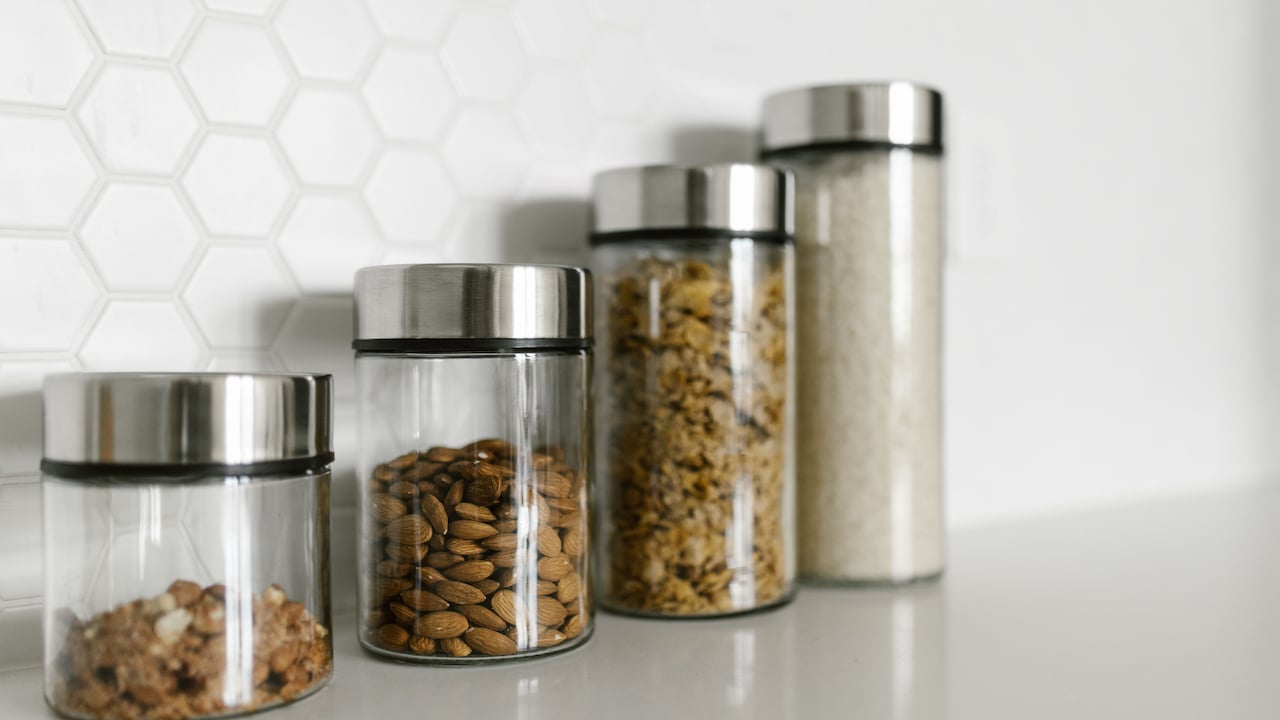
Refrigerator Organisation Mistakes That Block Airflow And Cause Uneven Cooling
Photo Credit: Pexels
8. Mixing Hot Food With Chilled Items
Placing a steaming vessel directly inside the refrigerator raises the temperature around it. Nearby foods absorb some of that heat, and the cooling system must work harder to restore balance. A large hot pot can create a temporary warm zone that affects several shelves.
Cooked food should cool before refrigeration, but it should not sit outside for hours. Divide large quantities into smaller, shallow containers. They release heat faster and cool more evenly. A deep vessel of biryani or curry may stay warm in the centre long after the surface feels cool.
Leave enough space around freshly stored containers so cold air can circulate. Do not wedge them between milk, curd and vegetables. The surrounding chilled items may warm up, while condensation forms inside the hot container and affects texture.
Cover food properly once excess steam has reduced. A tightly sealed lid on very hot food can trap moisture, while an uncovered vessel may spread odours throughout the refrigerator.
Thoughtful cooling protects both the new dish and everything already stored. Yesterday's kheer should not suffer because today's rajma arrived like a hot celebrity.
9. Ignoring The Different Temperature Zones
Not every part of a refrigerator has the same temperature. The upper shelves, lower shelves, door compartments and vegetable drawers serve different purposes. Treating the entire space as one uniform cold box can lead to poor storage and uneven cooling.
The area near the cooling vent usually stays colder. Dairy products and cooked food often suit stable internal shelves. Vegetables need the controlled humidity of the crisper drawer. Condiments cope better in the door. Exact zones vary by model, so checking the appliance manual can prevent guesswork.
Problems begin when vegetables block the lower vent, milk sits in the warm door rack, and delicate fruit rests beside the coldest outlet. One item freezes while another spoils early.
Arrange food according to how much cooling it needs. Keep raw ingredients separate from ready-to-eat dishes to reduce contamination risks. Avoid stuffing the crisper drawer beyond its capacity because air must still move around the produce.
Understanding temperature zones turns organisation into more than neatness. It helps every shelf perform its actual job instead of becoming a random parking space for containers.
10. Forgetting To Remove Old And Unused Food
Expired sauces, dried lemon halves, empty cartons and forgotten leftovers quietly steal space. As clutter grows, airflow weakens and useful items get pushed into unsuitable areas. The refrigerator may appear full even though much of its contents no longer belong there.
Set aside a few minutes each week for a quick check. Open containers, inspect dates and remove anything spoiled or unlikely to get used. Move older food towards the front so it gets eaten first. Place newer items behind it. This simple rotation reduces waste and prevents overcrowding.
Label leftovers with the storage date. A small piece of tape can end the familiar debate about whether a container holds yesterday's dal or something from a previous festival season.
Cleaning also reveals blocked vents and hidden spills. Wipe shelves, dry wet areas and check that drawers slide properly. Clutter near the fan or sensor may interfere with temperature control.
A refrigerator does not need to look like a showroom. It only needs enough order for cold air to travel freely and for every stored item to remain visible, accessible and safe.
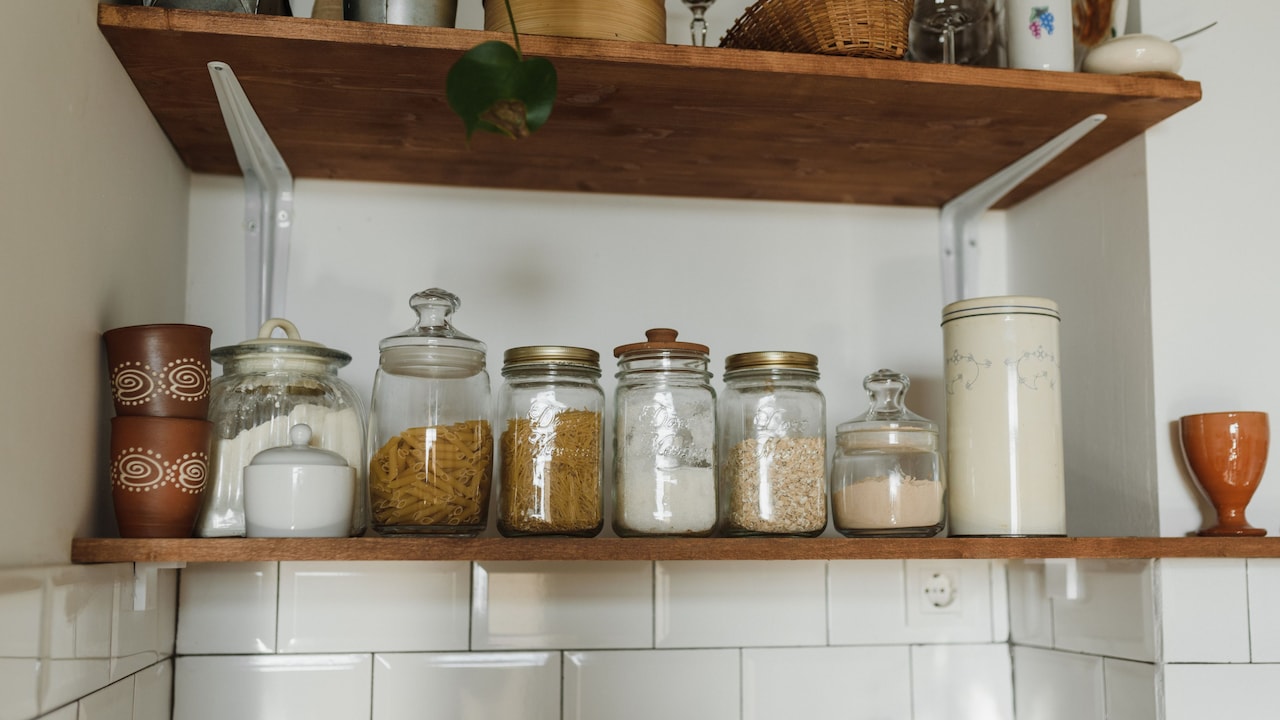
Refrigerator Organisation Mistakes That Block Airflow And Cause Uneven Cooling
Photo Credit: Pexels
Products Related To This Article
1. P SEVEN Fridge Storage Containers Set with Airtight Lid
2. HomeWiz Fridge Storage Containers for Kitchen
3. RILION 6 fridge storage boxes multipurpose containers
4. Fridge Storage Containers Pack of 6
5. Amazon Brand - Solimo Plastic Fridge Storage Organizer Racks
6. EKDHRA Air Tight Plastic Storage Containers Set for Kitchen
7. VOLTURI Fridge Storage Containers (Pack of 6)
Uneven cooling often begins with ordinary habits rather than a serious appliance fault. Crowded shelves, blocked vents, oversized boxes and overloaded door racks can all interrupt the movement of cold air. The refrigerator then develops warm corners, icy patches and unpredictable results.
Better organisation creates space where it matters. Small gaps between containers, clear air vents, sensible storage zones and regular clean-outs can improve performance without extra spending. These changes may also reduce food waste, shorten search time and help the appliance use energy more efficiently.
The goal is not a picture-perfect refrigerator filled with matching boxes. A practical arrangement works far better than a decorative one. Food should remain easy to find, shelves should stay manageable, and cold air should move without meeting a steel dabba at every turn.
A little breathing room can make the difference between crisp vegetables and soggy ones, fresh leftovers and suspicious smells, or a calm breakfast and an urgent search for unspoilt milk. Organisation, in this case, does much more than make the refrigerator look tidy. It helps the entire appliance do its job properly.
(Disclaimer: This article may include references to or features of products and services made available through affiliate marketing campaigns. NDTV Convergence Limited (“NDTV”) strives to maintain editorial independence while participating in such campaigns. NDTV does not assume responsibility for the performance or claims of any featured products or services.)