Iron, Non-Stick Or Triply Kadhai: Which One Works Better For Indian Cooking?
Choosing between iron, non-stick and triply kadhais? Here’s a clear guide to what works best for daily cooking, from crisp sabzis and deep frying to easy cleaning, heat control, durability and value for money.
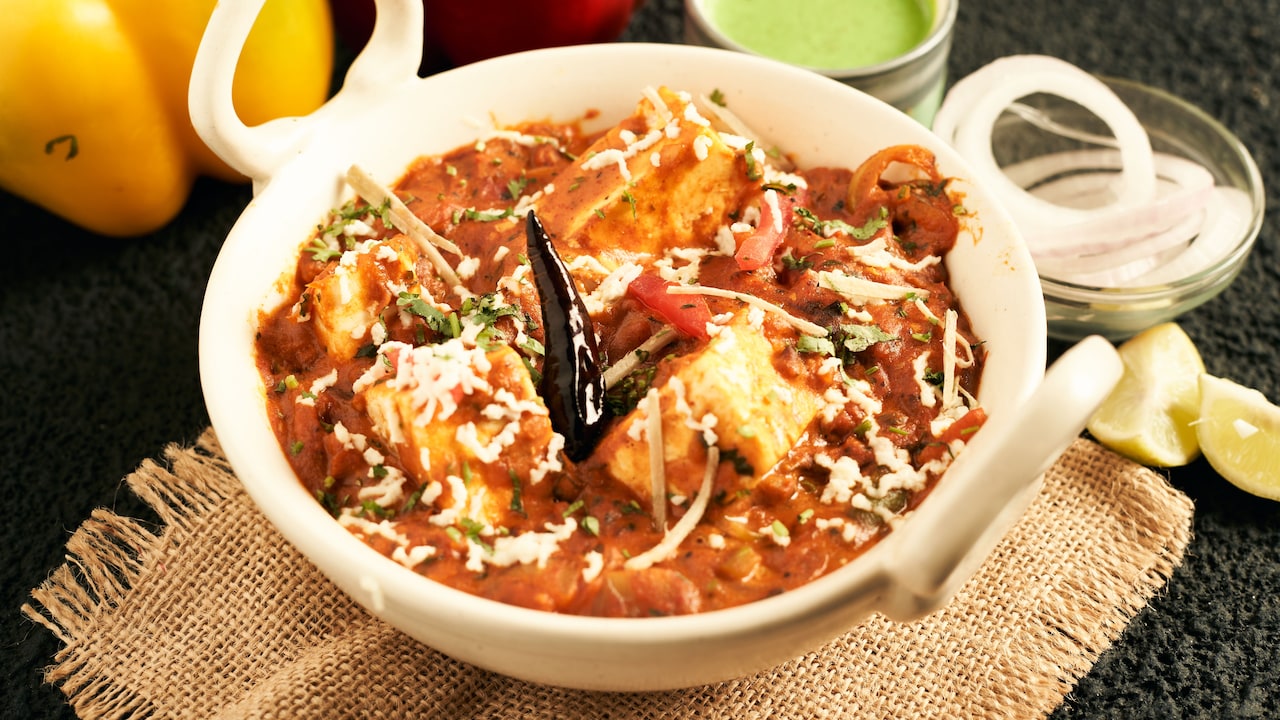
Tips to choose the right kadhai for your kitchen
Walk into any kitchen, and the kadhai usually sits somewhere within arm's reach. It may have a slightly blackened base, a handle that has seen better days, or a lid that belongs to another utensil altogether. Still, it remains the star of everyday cooking. From Sunday aloo puri to weekday bhindi, the kadhai takes on more responsibility than most appliances. Yet, buying one has become strangely complicated. Earlier, families simply used what elders trusted. Now, shop shelves and online carts offer iron, cast iron, non-stick, hard anodised, stainless steel and triply options, each claiming to be the smartest choice.
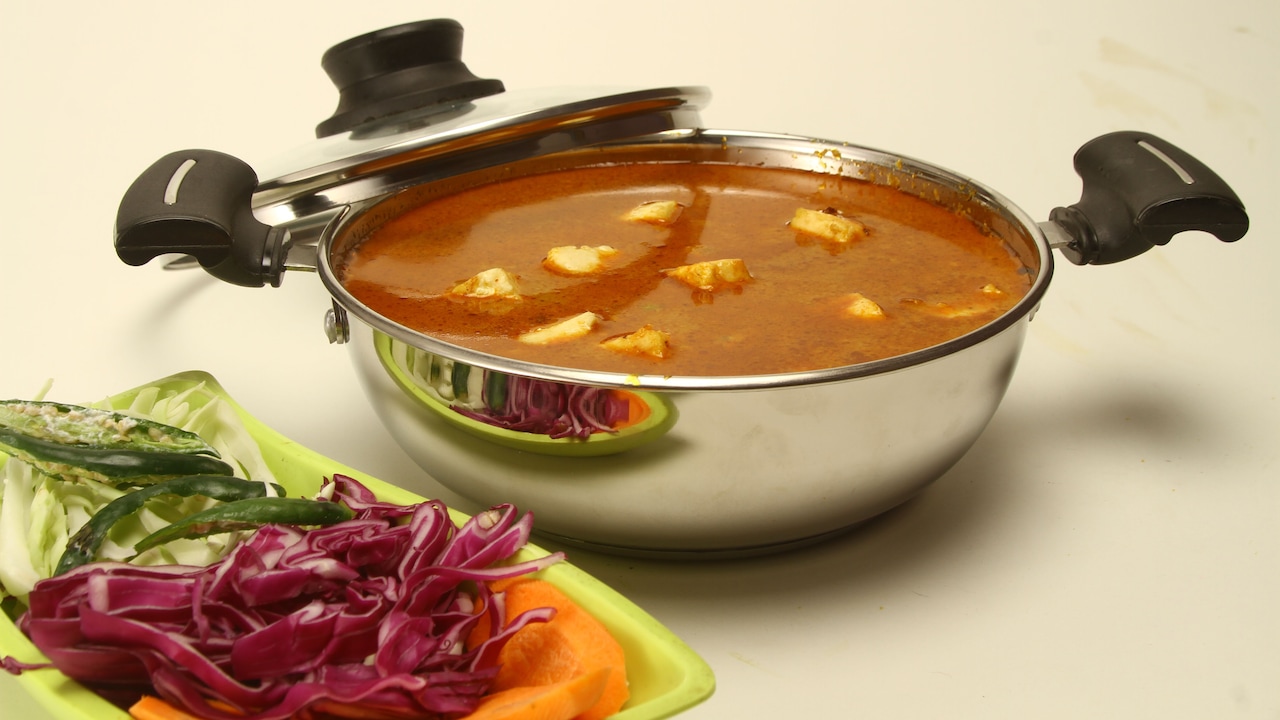
Iron vs non-stick vs triply kadhai which is best for everyday use; Photo Credit: Pexels
The real question is simple: which kadhai works better for daily cooking? The answer is not one-size-fits-all. Iron brings flavour and tradition. Non-stick offers ease and speed. Triply brings balance, strength and a modern touch. Let's look at how each one behaves in real kitchens, not just in glossy product descriptions.
Also Read: Smart Kitchen Shopping Starts Here: Top 5 Casseroles Under ₹1,000
Choosing The Right Kadhai For Everyday Cooking
The Everyday Kadhai Test
A good kadhai must do more than look shiny on day one. It should heat well, handle masalas without burning them, survive regular washing, and not throw a tantrum when the flame goes high. In many homes, the same kadhai cooks onions in the morning, fries papad at lunch and reheats dal by evening. That kind of workload needs serious character.
Iron, non-stick and triply behave very differently under heat. Iron takes time to warm up but holds heat beautifully. Non-stick heats quickly, but too much heat can damage its coating. Triply spreads heat evenly and gives better control, especially when cooking gravies or stir-frying vegetables.
Think of it like choosing footwear. Iron is like sturdy leather chappals that get better with time. Non-stick is like soft slippers, easy but delicate. Triply is like a good pair of walking shoes, practical and reliable. The winner depends on the journey.
Iron Kadhai: The Flavour Favourite
An iron kadhai has an old-world charm that modern cookware still struggles to copy. It turns simple potatoes into crisp, golden bites and gives baingan, bhindi and karela a deeper, earthier taste. Many cooks swear that food made in iron has a certain “ghar ka khaana” warmth that no polished vessel can match.
Iron works especially well for dry sabzis, frying, roasting spices and dishes that need high heat. Once hot, it stays hot, which helps food brown nicely instead of turning soggy. Pakoras, pooris and vadas also enjoy the steady heat of iron.
The catch? Iron needs care. It can rust if left wet. Acidic foods like tomato-heavy gravies may react with the surface if the seasoning is weak. New iron kadhais also need proper seasoning before regular use. But with care, they grow better over time. A well-seasoned iron kadhai becomes almost non-stick and often turns into the most trusted vessel in the kitchen.
Non-Stick Kadhai: The Busy Morning Hero
The non-stick kadhai has earned its place in many homes because mornings rarely come with extra time. When breakfast, tiffin and tea all demand attention together, convenience matters. A non-stick kadhai helps make upma, poha, eggs, paneer bhurji and light sabzis with less oil and fewer sticky disasters.
Its biggest strength is ease. Food releases quickly, cleaning takes little effort, and even beginners feel confident using it. For low-oil cooking, it works well, especially when the dish does not need aggressive stirring or high heat.
But non-stick cookware asks for gentle treatment. Metal spoons can scratch it. High flames can damage the coating. Once the surface starts peeling, it should not stay in use. It also does not deliver the same browning or smoky depth that iron offers.
So, non-stick suits lighter cooking, smaller families and rushed weekdays. It behaves best when treated kindly. Push it too hard, and it retires earlier than expected.
Triply Kadhai: The Modern All-Rounder
Triply cookware has become popular because it solves many everyday problems without demanding too much maintenance. A triply kadhai usually has three layers: stainless steel on the inside, aluminium in the middle and stainless steel outside. This structure helps spread heat evenly while keeping the vessel strong.
For curries, dals, pulao-style preparations, sautéed vegetables and slow masalas, triply performs beautifully. Onions brown more evenly, gravies cook without hot spots, and food does not catch at the bottom as quickly as it does in thin steel. It can handle higher heat better than non-stick and needs less fuss than iron.
Triply also looks neat and lasts long if cleaned properly. It does not need seasoning. It does not react much with tomatoes, tamarind or curd-based dishes. That makes it practical for kitchens where menus change every day.
The downside is price. A good triply kadhai often costs more than a basic iron or non-stick one. Still, for people who want one dependable vessel, it makes a strong case.
Heat Control Makes All The Difference
Many cooking problems blamed on the kadhai actually come from poor heat control. A flame that feels perfect for tadka may burn garlic in seconds. A low flame that works for dal may make bhindi limp and sticky. Each kadhai needs a different rhythm.
Iron likes patience. Heat it slowly, then cook with confidence. Once it gets hot, reduce the flame slightly because it holds heat for long. Non-stick prefers low to medium heat. It should not sit empty on a high flame, even for a minute. Triply responds quickly and evenly, so it gives better control across different dishes.
For deep frying, iron gives crisp results, but triply also performs well. For delicate cooking, non-stick feels easier. For gravies that need simmering, triply often wins because it manages heat without much drama.
A kadhai does not cook alone. Flame, oil, stirring and timing all join the party. Handle those well, and even a modest kadhai can behave like a kitchen champion.
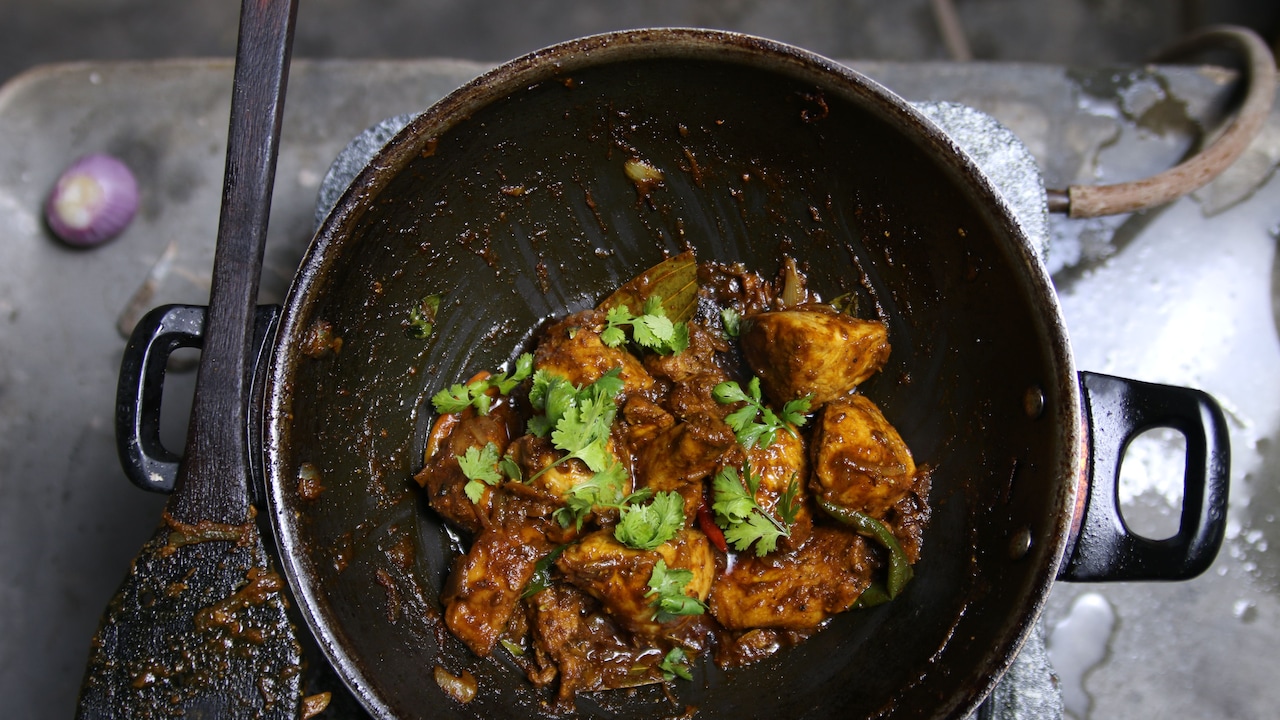
Iron kadhai holds heat for long, non-stick prefers low to medium heat, and triply responds quickly: Photo Credit: Pexels
Oil, Masala And Everyday Taste
Taste often decides the favourite kadhai in a home. After all, nobody praises cookware at the dining table unless the food tastes good. Iron adds character to dry dishes and fried snacks. It supports strong flavours, bold masalas and crisp textures. That is why many families keep iron aside for specific dishes that need extra punch.
Non-stick works better when the cooking style stays light. It helps reduce oil, but it may not roast masala as deeply. Onions can soften well, yet they may not brown with the same richness. For quick vegetables, breakfast items and low-oil meals, it remains useful.
Triply sits between both worlds. It can roast masala properly, manage gravies well and handle everyday meals without making the cook nervous. It does not add the same rustic note as iron, but it gives clean, reliable results.
So, if food in the house leans towards crispy, spicy and slow-cooked, iron shines. If meals stay light and quick, non-stick helps. If variety rules the menu, triply feels sensible.
Cleaning And Maintenance Reality
Every kadhai looks attractive before its first wash. The truth appears after a week of tadka, haldi stains and enthusiastic stirring. Maintenance matters because no one wants cookware that needs royal treatment after every meal.
Iron needs the most care. Wash it soon after use, dry it fully and rub a thin layer of oil if needed. Avoid leaving water in it. Soap can be used lightly, but harsh scrubbing can weaken the seasoning. With regular use, it becomes easier to clean.
Non-stick needs gentle cleaning. Soft sponges, mild soap and wooden or silicone spatulas keep it safe. The moment scratches appear, food starts sticking, and the coating may become unsafe. It suits people who clean carefully.
Triply can handle tougher cleaning. Stuck food may need soaking, but the surface can take more scrubbing than non-stick. Steel cleaners also help maintain shine. For busy households, triply offers a practical balance between durability and effort.
Health And Safety Considerations
Cookware choices often enter health conversations, and rightly so. An iron kadhai can add a small amount of iron to food, especially when cooking moist or acidic dishes. This may sound useful, but it does not replace a balanced diet or medical advice. People with specific health conditions should follow their doctor's guidance.
Non-stick cookware is safe when used correctly, but damaged coating changes the story. Scratched, peeling or overheated non-stick vessels should leave the kitchen. Low to medium heat, soft spatulas and careful washing make a big difference.
Triply cookware offers a stable cooking surface, especially for tomato, tamarind, lemon and curd-based recipes. Since the inner layer is usually food-grade stainless steel, it handles many ingredients without reacting strongly.
Health also depends on cooking habits. Excess oil, burnt masala and repeated overheating can spoil even the best cookware choice. A good kadhai supports better cooking, but sensible use makes it truly safe.
Cost, Durability And Value For Money
Price often settles the debate faster than any expert opinion. Iron kadhais usually offer great value because they last for years, even decades, when cared for well. A good iron kadhai may cost a few hundred rupees to a couple of thousand, depending on size, thickness and brand. It rewards patience and regular use.
Non-stick kadhais often look affordable at first. Many options fall in the ₹700 to ₹2,500 range. But their lifespan depends on coating quality and care. A heavily used non-stick kadhai may need replacement sooner than expected, especially in homes where cooking happens two or three times a day.
Triply kadhais cost more, often starting around ₹2,000 and going much higher for premium brands. Yet, they can last long and suit many dishes. For someone setting up a kitchen, one good triply kadhai may prove wiser than buying several average vessels.
Value does not mean cheapest. It means the utensil earns its space.
Which Kadhai Should You Buy?
The best kadhai depends on cooking style, not trends. For families that love crisp bhindi, fried snacks, roasted masalas and traditional textures, iron deserves a permanent spot. It may demand care, but it gives back flavour and durability.
For people living alone, working long hours or cooking quick meals with less oil, non-stick makes daily life easier. It suits light cooking, but it should not become the only vessel for every dish. Treat it as a helper, not a workhorse.
For those who want one reliable kadhai for gravies, sabzis, dals, stir-fries and occasional frying, triply offers the most balanced experience. It handles heat well, needs no seasoning and works with most ingredients.
A smart kitchen can have all three. Iron for flavour, non-stick for speed and triply for everyday versatility. But if only one kadhai can come home, triply gives the safest middle path for most households.
Products Related To This Article
1. Stahl Artisan Hybrid 2.4 L, 24 cm Triply Non Stick Kadai with Lid
2. Meyer Pre-Seasoned Cast Iron Frypan
3. Lifelong Non-Stick Frying Kadai with Glass Lid
4. Amazon Solimo Non-Stick Kadhai With Glass Lid
5. Sumeet Stainless Steel Induction Bottom
6. TRAMONTINA TITANEX 30cm
7. Wonderchef Venice Mini Kadhai | Pure-Grade Virgin Aluminium
8. Amazon Brand - Solimo Stainless Steel Kadhai
A kadhai carries stories. It remembers festival sweets, rainy-day pakoras, hurried tiffins and the first meal cooked in a new home. Choosing the right one should not feel like a chemistry exam.
Iron brings depth, nostalgia and strength. Non-stick brings comfort, speed and easy cleaning. Triply brings balance, durability and everyday confidence. None of them wins every round. Each one shines when used for the right dish.
For flavour lovers, iron feels unbeatable. For quick weekday cooking, non-stick earns gratitude. For a dependable daily partner, triply stands tall. The wisest choice comes from the stove, not the showroom. Look at what gets cooked most often, how much care feels realistic, and how long the kadhai needs to last.
In the end, the better kadhai is the one that makes cooking feel less like a chore and more like that familiar kitchen rhythm: tadka crackling, masala blooming and someone asking, “Khaana tayaar hai kya?”
(Disclaimer: This article may include references to or features of products and services made available through affiliate marketing campaigns. NDTV Convergence Limited (“NDTV”) strives to maintain editorial independence while participating in such campaigns. NDTV does not assume responsibility for the performance or claims of any featured products or services.)