Why Your Smoothie Turns Watery, Foamy Or Grainy And How Blender Power Matters
A smoothie can look healthy and still taste oddly watery, foamy or grainy. Here’s why texture goes wrong, how ingredients behave inside a blender, and why motor power matters more than most people think.
Why Your Smoothie Turns Watery, Foamy Or Grainy And How Blender Power Matters
A good smoothie should feel like a small win in a glass. Thick enough to sip slowly, smooth enough to feel refreshing, and flavourful enough that it does not taste like punishment disguised as wellness. Yet many homemade smoothies go the other way. They separate in five minutes, turn frothy like soap bubbles, feel sandy on the tongue, or taste watery even after adding bananas, curd, milk, oats, nuts, dates and every “healthy” thing lying in the kitchen. The problem rarely sits with one ingredient alone. Smoothie texture depends on how fruit, liquid, fibre, fat, ice, nuts and seeds behave when blades hit them at high speed. A blender does not simply “mix” things. It cuts, crushes, pulls ingredients down, traps air, heats slightly through friction, and decides whether your drink turns creamy or chaotic.
Why Your Smoothie Turns Watery, Foamy Or Grainy And How Blender Power Matters
Photo Credit: Unsplash
This is where blender power matters. A low-powered blender can handle soft fruit and thin liquids, but it may struggle with frozen fruit, ice, nuts, leafy greens, oats and fibrous ingredients. A stronger motor can create a finer blend, but even that needs the right order, quantity and liquid balance. So, before blaming your banana or abandoning breakfast smoothies altogether, it helps to understand what is really happening inside that jar.
Texture Mistakes That Make Smoothies Watery, Foamy Or Grainy
Too Much Liquid Makes The Smoothie Collapse
The easiest way to ruin a smoothie is also the most common: adding too much liquid at the start. It feels practical, especially when the blender refuses to move. A splash of milk becomes half a glass, then a little water goes in, then the smoothie finally spins. Unfortunately, the final drink often tastes thin, dull and watery.
Smoothies need enough liquid to help the blades move, but not so much that the fruit loses body. Bananas, mangoes, chikoo, papaya, curd, soaked oats and nut butters all add thickness. Water, thin milk, coconut water and ice melt do the opposite. When the liquid ratio climbs too high, the blender can no longer create that creamy suspension where tiny fruit particles, fibre and liquid hold together.
The smarter trick is to start with less liquid than you think you need. Add a little first, blend briefly, then adjust. If the blades get stuck, pause and push ingredients down rather than flooding the jar. A smoothie should pour, not run like juice. That one difference changes everything.
Frozen Fruit Needs More Power Than Soft Fruit
Frozen fruit sounds like the shortcut to café-style smoothies. It chills the drink, thickens the texture, and saves fruit from spoiling. But it also demands more from the blender. Frozen mango, berries, banana slices and ice cubes are hard, slippery and uneven. A weak motor may spin around them, knock them into chunks, or blend only the liquid while the fruit sits stubbornly above the blades.
That is when smoothies turn grainy or patchy. You sip one mouthful that feels smooth, then another that has frozen bits, seed fragments or icy crystals. It is not always a recipe problem. Often, the blender simply lacks the torque to pull frozen ingredients down and crush them evenly.
For regular frozen smoothies, motor power matters. A compact blender may work for soft banana, curd and milk, but frozen fruit needs stronger blades, better jar design and a motor that does not give up halfway. Cutting fruit into smaller pieces before freezing also helps. Freeze banana coins instead of whole bananas, and avoid dumping rock-hard fruit straight from the freezer without any liquid underneath.
Also Read: Blender Jars Holding Odours Too Long Usually Signal Material Limitations
Foam Happens When The Blender Traps Too Much Air
Foam can make a smoothie look generous, but it often ruins the drinking experience. That bubbly top layer can taste flat, smell grassy, and disappear into a sad, separated drink. Foam forms when the blender pulls too much air into the mixture, especially at high speed.
Certain ingredients make foam worse. Apples, pears, leafy greens, pineapple, cucumber and thin liquids trap air easily. When the blender jar has too much empty space, the blades whip the mixture like a mini storm. The result looks frothy rather than creamy. It can feel like drinking fruit-flavoured air.
To reduce foam, blend thick ingredients first with limited liquid, then add delicate ingredients later. Do not overblend watery fruits for too long. A smoothie with spinach, apple and cucumber may need a shorter blending time than a banana-peanut butter smoothie. A lower speed at the end can also calm the mixture. And yes, letting it sit for a minute helps, though nobody wants to wait too long when breakfast is already late.
Graininess Comes From Fibre, Seeds And Poor Breakdown
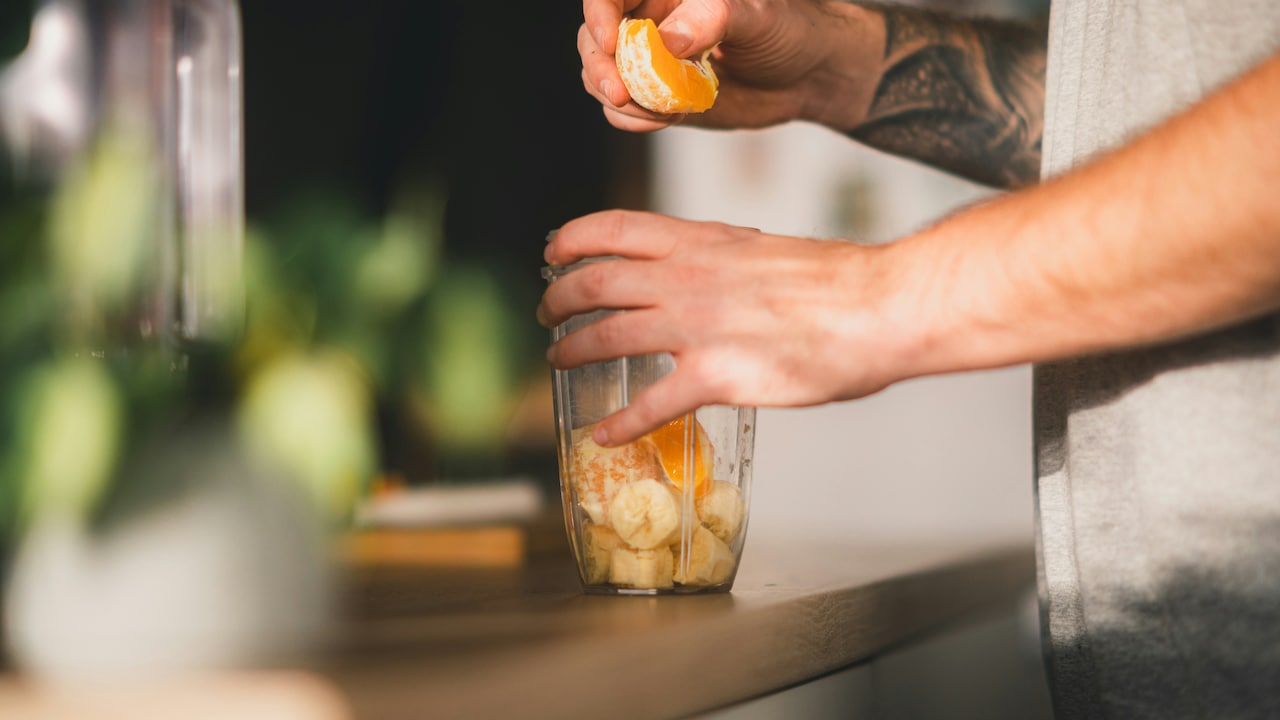
A grainy smoothie usually has a culprit hiding in plain sight: fibre. Oats, chia seeds, flaxseeds, guava, pomegranate, berries, nuts, dates, coconut, apple peel and leafy greens can all leave texture behind. Some texture is natural, but rough, gritty or sandy smoothies often mean the blender has not broken ingredients down finely enough.
This is where power and blade speed become important. A stronger blender can pulverise fibrous fruit, soaked nuts and seeds better than a low-powered one. But technique matters too. Dry oats should not go straight into a thick smoothie and expect kindness. Soaking them for 10 to 15 minutes makes a big difference. Dates blend better when softened in warm water. Almonds and cashews need soaking if the blender is basic.
Peeling fibrous fruit can help, especially when using apples or guava. For leafy greens, remove tough stems before blending. Smoothies should not feel like a health lecture on the tongue. A little prep turns rough ingredients into something far more pleasant.
Why Your Smoothie Turns Watery, Foamy Or Grainy And How Blender Power Matters
Photo Credit: Unsplash
Ice Can Thin A Smoothie Instead Of Thickening It
Ice looks harmless. It promises chill, volume and that café-like coldness. But ice can betray a smoothie quickly, especially in warm kitchens. Once crushed, it starts melting almost immediately. That extra water dilutes flavour, weakens sweetness, and makes the drink separate faster.
A powerful blender can crush ice smoothly, but that does not mean every smoothie needs it. Ice works best when the recipe already has thick ingredients such as frozen banana, mango, curd or nut butter. In fruit-heavy smoothies with watermelon, orange, cucumber or coconut water, ice often pushes the drink into juice territory.
For better texture, freeze the fruit instead of adding ice. Frozen banana gives creaminess. Frozen mango adds body. Even frozen curd cubes can work if the blender can handle them. This gives coldness without watering everything down. If ice must go in, use fewer cubes and drink the smoothie immediately. Ice is not a villain, but it needs supervision.
Ingredient Order Changes How Smoothly Everything Blends
Many people throw everything into the jar and hope for the best. That works sometimes, but ingredient order can decide whether the blender blends beautifully or starts making dramatic noises. A blender needs liquid near the blades first, especially if the blades sit at the bottom. Without that movement, thick fruit and frozen chunks can jam the jar.
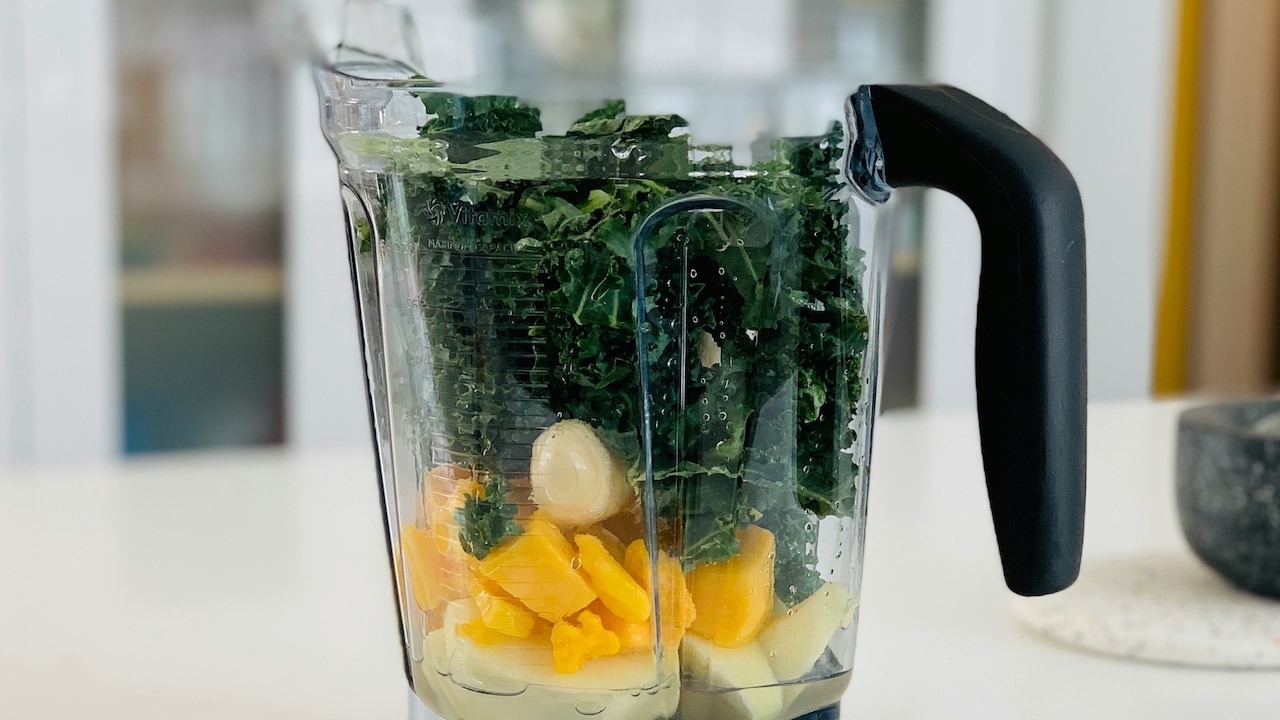
A good order starts with liquid, then soft ingredients, then powders or oats, then frozen fruit, ice or harder ingredients on top. This helps the blades create a vortex that pulls everything down. If hard ingredients sit at the bottom without enough liquid, the motor strains. If powders sit on top, they may fly around and stick to the lid. Protein powder, cocoa, instant coffee, sattu and cinnamon all behave like tiny troublemakers when added carelessly.
Jar shape also matters. Tall, narrow jars can pull ingredients down more easily for single servings. Wide jars may need more volume to work properly. So, if a smoothie refuses to blend, the issue may not be effort. It may simply need better layering.
Low-Power Blenders Struggle With Thick Smoothies
A low-power blender can still be useful. It can handle banana shakes, soft fruit smoothies, buttermilk-style drinks, lassi, milk-based blends and simple breakfast mixes. The trouble begins when expectations rise. Thick smoothie bowls, frozen fruit, nuts, seeds, ice, carrots, beetroot, kale, coconut pieces and dry oats need more muscle.
When a motor lacks power, it may heat up, smell strained, leave chunks, or require too much liquid to keep moving. That extra liquid then ruins the final texture. This is why many people think their smoothie recipe is wrong when the real problem is the blender's limit.
Power is not only about wattage printed on the box. Blade quality, jar design, motor efficiency and build matter too. Still, as a general rule, tougher ingredients need a stronger blender. For everyday soft smoothies, a basic model may be enough. For frozen fruit and nuts several times a week, investing more can save frustration, time and many sad glasses of half-blended breakfast.
Overblending Can Make A Smoothie Warm And Flat
Blending longer does not always mean blending better. Once ingredients break down, extra blending can pull in air, warm the mixture slightly, weaken freshness and create foam. This matters more with leafy greens, citrus fruits, watery fruits and delicate flavours.
A smoothie should taste bright. When overblended, it can become dull and oddly heavy. The colour may also change. Banana-based smoothies can darken, greens can lose their fresh look, and fruit can start tasting less lively. Nobody wants a drink that looks like it has lost interest in itself.
The best approach is to blend in short bursts. Start slow if the blender allows it, then move higher until the mixture looks even. Stop as soon as the texture turns smooth. For tougher ingredients, pulse first, then blend. This protects the motor and gives better control. A powerful blender does not need to run endlessly. In fact, good power often means less blending time, not more.
The Right Thickener Makes A Smoothie Creamy
Some ingredients naturally create creaminess. Banana is the obvious hero, but it is not the only one. Mango, avocado, soaked oats, curd, Greek-style yoghurt, peanut butter, almond butter, soaked cashews and chia gel can all give a smoothie body. The trick is choosing a thickener that suits the flavour.
Banana works well with cocoa, peanut butter, coffee, dates and berries. Mango pairs beautifully with curd, saffron, cardamom or coconut milk. Soaked oats make breakfast smoothies more filling. Chia seeds need time to swell; otherwise, they can feel bitty. Nut butters give richness, but too much can make the drink heavy.
A watery smoothie can often be saved by adding one creamy element rather than adding more fruit randomly. A grainy smoothie may improve with soaked oats instead of dry oats. A foamy smoothie may settle better with curd or banana. Texture is not accidental. It comes from building body, not just filling the jar.
Smoothies Separate When Fibre And Liquid Stop Holding Together
A smoothie that separates into layers can feel disappointing, especially after looking perfect in the blender. The top turns foamy, the middle looks watery, and the bottom holds the heavier fruit or seed bits. This happens when the mixture lacks enough emulsifying or thickening ingredients to hold everything together.
Watery fruits separate faster because they contain more liquid and less body. Smoothies made with orange, watermelon, cucumber, apple or coconut water need help from banana, curd, oats, chia, avocado or nut butter. Otherwise, the blender creates a temporary mix that falls apart quickly.
Drinking the smoothie fresh helps, but recipe balance matters more. A little fat can improve texture. A spoon of peanut butter, soaked cashew paste or thick curd can make the drink feel rounder. Fibre also needs to be blended finely enough to stay suspended. That is where blender power returns to the picture. A smoother blend stays together longer and feels better with every sip.
Why Your Smoothie Turns Watery, Foamy Or Grainy And How Blender Power Matters
Photo Credit: Unsplash
Products Related To This Article
1. YFL Home by Chef Sanjyot Keer BlendLab Pro 2.0 Mixer Grinder
2. Wonderchef Nutri-blend 500W Mixer Grinder
3. InstaCuppa Portable Blender for Smoothie and Juices
4. Ninja Blast Portable Cordless Blender
5. Cookwell Bullet Mixer Grinder (3 Jar, 2 Blade, Silver)
6. Kuvings New 2025 Nutri Blender PRO 2.0 Ferrari Red
7. NutriPro Juicer Mixer Grinder - Smoothie Maker - 500 Watts
A watery, foamy or grainy smoothie is not a personal failure in the kitchen. It is usually a mix of small things: too much liquid, hard frozen fruit, dry seeds, weak blending, excess air, melting ice or the wrong ingredient order. Once these details make sense, smoothies become easier to fix.
Blender power matters because texture depends on how finely and evenly ingredients break down. But even the strongest machine needs a sensible recipe. Use less liquid, prep fibrous ingredients, soak what needs softening, freeze fruit instead of relying on ice, and stop blending when the drink turns smooth. A good smoothie should not feel like a science project. It should taste fresh, thick, and worth finishing before the glass starts sweating on the table.
(Disclaimer: This article may include references to or features of products and services made available through affiliate marketing campaigns. NDTV Convergence Limited (“NDTV”) strives to maintain editorial independence while participating in such campaigns. NDTV does not assume responsibility for the performance or claims of any featured products or services.)