How To Waterproof Walls And Roofs Before Monsoon
Planning to waterproof your walls and roof before monsoon? Here are some handy tips, product picks and easy steps to keep home safe and dry this season.
How To Waterproof Walls And Roofs Before Monsoon
The monsoon, while a welcome relief from the scorching Indian summer, also introduces a range of challenges for your home. Seepage through walls, damp patches on ceilings, peeling paint, and stubborn leaks from the roof — these issues can quietly cause serious structural damage if you don't sort them out before the rains actually arrive. And the thing is, fixing water damage after the fact costs a lot more than simple prevention beforehand.
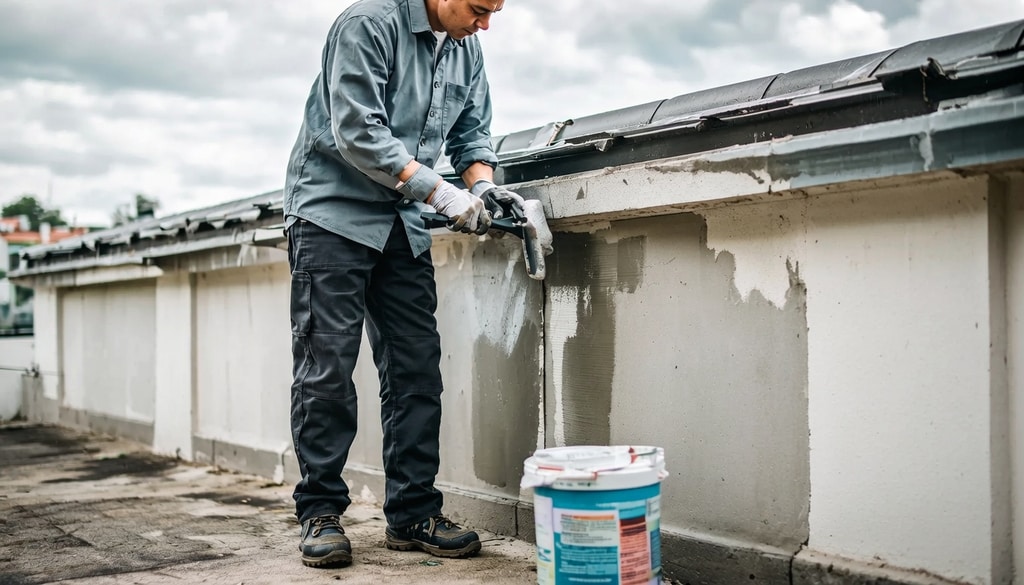
Use quality waterproofing products, patch cracks promptly, and ensure gutters drain well to protect your home; Photo Credit: iStock
Whether you live in a flat, an independent house, or an older property, getting your walls and roof waterproofed before the rain hits is genuinely one of the smartest home maintenance decisions you can make. So, let's check out how to waterproof walls and roofs before the monsoon and keep your home safe during the rainy season.
Also Read: 5 Best Wall Decor Art Pieces To Refresh Living Rooms And Bedrooms
Why Waterproofing Before Monsoon Actually Matters
Water has a way of finding the smallest crack and making it worse over time. When moisture seeps into walls or through a roof, it doesn't just create ugly stains, it weakens the plaster, encourages mould, and, over the years, can compromise the building's structural integrity. In many regions of India, homes endure significant damage from heavy and prolonged monsoon rainfall between June and September. Getting ahead of the moisture before the season begins gives you proper drying time for sealants and coatings to cure, which genuinely makes a difference to how well they perform.
How To Waterproof Walls Before the Monsoon
Step 1: Inspect And Prepare The Surface
Before applying anything, go over your exterior and interior walls carefully. Look for hairline cracks, crumbling plaster, peeling paint, or any visible gaps near window frames, pipes, or joints. Use a scraper or wire brush to remove loose material, dust, and any flaking paint. Clean the surface well — waterproofing products need a clean, stable base to actually bond properly. If there are wider cracks, fill them with a crack-filling compound or cement-based repair mortar before moving on.
Step 2: Apply A Waterproofing Primer
A special waterproofing primer, which is the bonding layer that binds all of the materials together. It penetrates the wall surface and primes it for the top coat. Apply one or two coats depending on the condition of the surface and let it dry thoroughly before continuing.
Step 3: Use A Quality Waterproofing Coating
That is where the real insurance comes in. For Indian houses, the common choices are acrylic waterproofing systems, elastomeric coatings, and liquid waterproofing membranes. Spread evenly on the surface of the wall, especially on the joints and corners where water tends to accumulate. Nearly all products require a minimum of two coats for dependable protection.
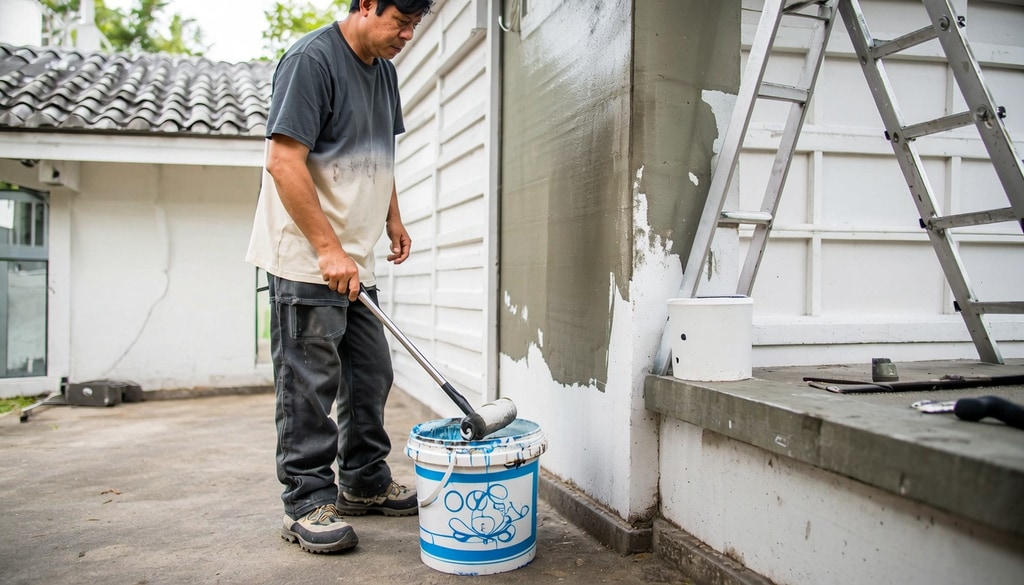
Prep your roof and walls with primers, waterproof membranes, and timely repairs to prevent seasonal leaks; Photo Credit: iStock
How To Waterproof A Roof Before the Monsoon
Step 1: Clean The Roof Thoroughly
Debris, moss, algae, and standing water residue from the previous year all need to come off before any treatment. Sweep or jet-wash the roof surface and let it dry completely. Even small amounts of trapped moisture under a waterproofing coat can cause it to bubble or delaminate.
Step 2: Seal All Cracks And Joints
Flat roofs in India are more prone to cracks. Fill cracks, parapet wall joints and areas around drainpipes and vents with a polyurethane sealant or an SBR (styrene-butadiene rubber)-based compound. These are usually the first places water can enter.
Step 3: Apply A Roof Waterproofing Membrane Or Coating
Commonly used are bituminous coatings, APP (atactic polypropylene) membranes and liquid-applied waterproofing membranes on Indian rooftops. The membrane method is best suited for flat or slightly sloped roofs. Liquid coatings are easier to apply yourself and offer seamless protection. Apply in layers, allowing the manufacturer's drying time between coats.
Step 4: Check Drainage
Even the best waterproofing will struggle if there is pooling water on your roof. Clear all drains and downpipes before the onset of the monsoon. Your roof should slope to shed water – and if you have low areas, that's worth working on too.
Useful Tips To Keep In Mind
1. Time Your Application Right
The timing of your waterproofing job matters quite a bit. Most coatings require at least three to five days of dry weather to cure properly, so you should start the work at least three to four weeks before the rains begin in your region — typically late May or early June for most of India. For exterior walls, two coats of waterproofing are usually the minimum. Corners, sills, and the junction where the wall meets the floor or ceiling are spots that need extra attention and occasionally a reinforcement tape embedded in the coating layer.
2. Know When To Call A Professional
If you have an older home or are having ongoing problems with leaks, it's worth bringing in a professional waterproofing contractor rather than trying to do it yourself. Persistent water ingress can have multiple entry points that aren't obvious to the eye, and a professional assessment is worth the cost. A trained applicator will also ensure the right product is matched to your specific surface type and conditions, which can make all the difference in how long the treatment holds up.
Best Waterproofing Products To Consider Before Monsoon
1. DR FIXIT 302 SBR Latex Super
2. DR. FIXIT Roofseal Classic New
3. UB UNITY BRAND Crack-Seal Glue
4. Elephant Shield Liquid Rubber Water-Based Waterproofing Sealant
5. Liquid Sealant: Transparent Waterproof Coating
6. Transparent Waterproof Coating Agent
7. UNIDSC Transparent Waterproof Glue
8. Loctite Silicone Waterproof multipurpose adhesive and sealant
Amazon has waterproof paints, coatings, and roof sealants that help stop leaks and damp walls at home. Pick the right product for your wall or roof type and apply it as per instructions for best results. With the right pick, your walls and roof stay dry, safe, and last longer through every season. Shop now on Amazon.
Frequently Asked Questions (FAQs)
1. When is the best time to waterproof walls and roofs in India?
Waterproofing should ideally be done in March, April or May – well ahead of the monsoons. This allows coatings to cure in dry and hot conditions.
2. Can I apply waterproofing paint over existing paint?
In most cases, waterproofing coatings must be applied over existing paint that has been removed or properly keyed (roughened). Some primers require an unpainted surface, so be sure to check the product directions.
3. How long does waterproofing last?
A good quality waterproofing will usually last anywhere from five to ten years if it's applied properly. But it is good practice to do an annual inspection and touch up the paint around joints and cracks.
4. Is professional waterproofing necessary, or can I do it myself?
Small surface jobs on exposed walls are achievable as a meticulous do-it-yourself project. For large areas, roofs or repeated leaks, it's worth considering professional application for a more thorough result.
5. What causes walls to seep even after waterproofing?
The leading causes of early waterproofing failure are inadequate surface preparation, failure to apply primer coats, and coats that are too thin or do not have enough drying time between them. The quality of the product and how it's applied are both important.
(Disclaimer: This article may include references to or features of products and services made available through affiliate marketing campaigns. NDTV Convergence Limited (“NDTV”) strives to maintain editorial independence while participating in such campaigns. NDTV does not assume responsibility for the performance or claims of any featured products or services.)