How To Dry Clothes Indoors Without A Dryer In Monsoon Season
Beat monsoon humidity with easy indoor clothes-drying solutions. Find helpful tips, drying racks and accessories to simplify laundry days.
How to Dry Clothes Indoors Without a Dryer in Monsoon Season
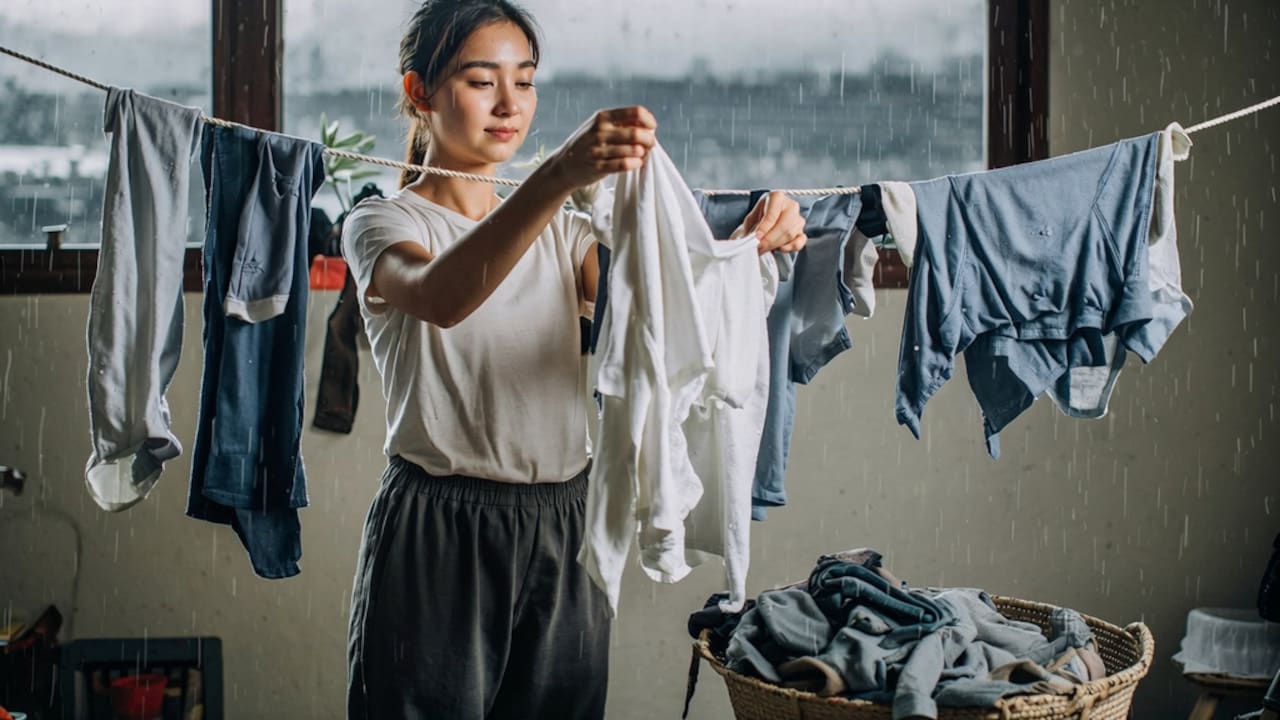
During the monsoon season drying clothes may be a big hassle. Each morning you prepare the load and at night you see that your shirts and towels are damp and odorous after sunset. In many areas of India, drying out is difficult due to high humidity and little sun and a lot of rain! Luckily, there is no need to have an expensive tumble dryer to maintain your washing routine. With some savvy tricks, useful items and an appropriate arrangement, clothes can be dried inside without wasting energy. The key is to get air moving, reduce moisture accumulation and employ drying attachments that will maximise air movement around your laundry.
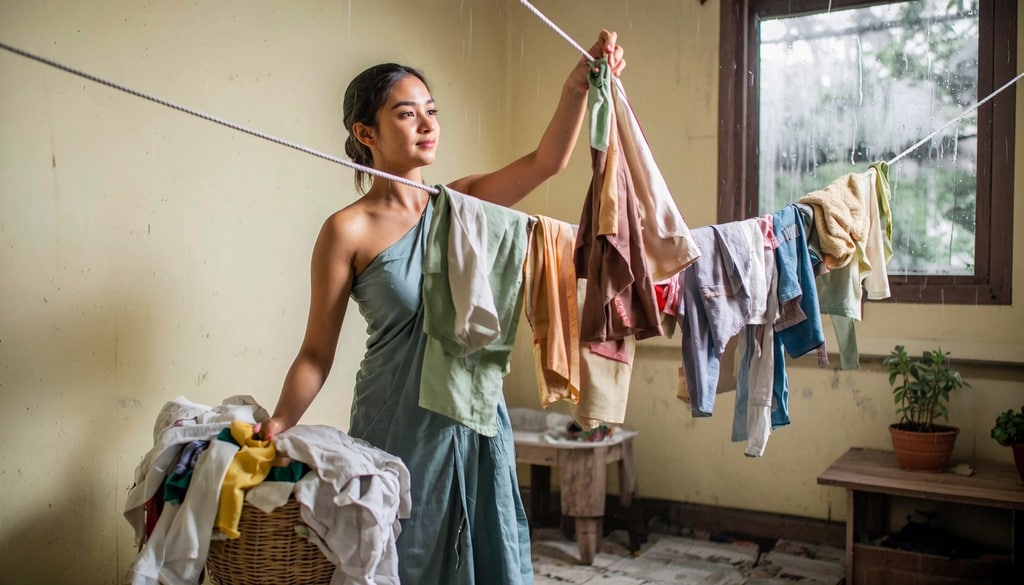
Use foldable drying racks, air circulators, and spaced garments to speed drying during humid monsoon months; Photo Credit: iStock
What To Think Before Drying Clothes Indoors?
When preparing for an indoor drying area, it's helpful to assess your space and ventilation. Bedrooms with windows, balconies that have some protection, and utility spaces are usually best. Air movement is important, as still air slows drying and increases the risk of unpleasant odours.
And there should be no overcrowding of clothes. Clothes should be loose enough to allow the moisture to evaporate properly. Hanging multiple layers together may save space but greatly extends drying time.
Another important consideration is indoor humidity. During monsoon months, the moisture in the air can stop clothes from drying.
Also Read: Best Clothes Drying Racks For Small Balconies: Best Foldable Stands To Buy Online
Drying Clothes Indoors During Monsoon Without a Dryer
Step 1: Get Rid of as Much Water as Possible
Before you hang your clothes up, give your washing machine a spin on the highest spin setting you've got. Less water, faster drying. For delicate items, gently roll the garment inside a clean towel, pressing lightly to absorb any excess moisture.
Step 2: Choose the Right Spot to Dry
Place your drying rack near a window, ceiling fan or in an open area. Avoid using the drying rack in areas that are poorly ventilated and dimly lit.
Step 3: Make Airflow
Fans can make a huge difference. Place a table or pedestal fan so the air is blowing across the clothes as they dry. Even with high humidity, moving air speeds up evaporation.
What Are The Best Indoor Drying Solutions During The Monsoon?
Folding Clothes Racks
These are ideal for apartments and smaller homes. They offer several hanging levels but are easy to store.
Wall-Type Drying System
This system is perfect for homes with limited floor space. These racks can be pulled out when required and folded away afterwards.
Hangers Mounted to Ceiling
In many Indian homes you'll find ceiling-mounted pulley systems that dry clothes above living spaces without taking up floor space.
A Dehumidifier for Drying Clothes Indoors: Is It Useful?
If humidity is a problem where you live, a dehumidifier is a good investment for your home.
It gets rid of excess moisture in indoor air, which helps clothes dry faster while decreasing the risk of mould and mildew. Even small dehumidifiers can make a big difference in drying conditions during extended rain periods.
But many households get great results with just fans and good ventilation.
How To Get Rid Of Damp Smells In Clothes During Monsoons
Step 1: Don't Leave Wet Clothes in the Washing Machine
Take laundry out as soon as the wash cycle is finished.
Step 2: Provide Sufficient Air Flow
Proper ventilation will inhibit growth of bacteria and mildew.
Step 3: Use Washing and Drying Racks Regularly
Over time, drying equipment can begin to pick up dust and moisture.
Step 4: Add in the Laundry Disinfectants
These products will help keep clothes cool and fresh smelling longer in humid conditions.
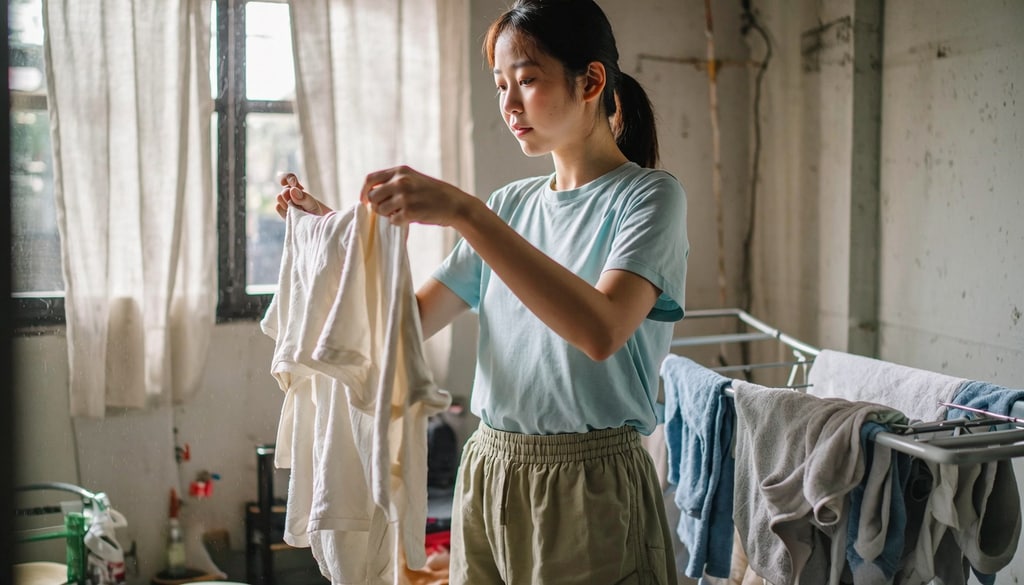
Simplify laundry days with moisture-wicking accessories, heated rails, and strategic placement to prevent damp smells indoors.
Photo Credit: iStock
Small Changes That Make A Big Difference
The effect can be quite remarkable with simple adjustments. Shake out clothes before hanging them up. This allows the fabric to not stick to itself and enhances air circulation.
Hang shirts over a line; don't fold them on a line. This method exposes more surface area of the fabric to the moving air. Halfway through the drying cycle, turn bulky clothing. Jeans, sweatshirts and towels can hold moisture in their inner layers.
Dry lighter items separately from heavier fabrics, if possible. Sheer clothes dry much faster and can be removed sooner, leaving more room for the bulkier ones.
Monsoon laundry can be a lot easier with a beneficial mix of drying accessories and the right amount of airflow. You can keep your clothes fresh, dry and ready to wear without a dedicated dryer. A good indoor drying plan can save you time and frustration during the rainy season.
Indoor Clothes Drying Products You May Like
1. Automatic Retractable Clothesline for Bathroom & Balcony
2. Rainbow Drywell Fold & Hide Metal Rust-Free Clothes Drying Rack
B0DF5DVWCW
3. LAPO Premium Stainless Steel Cloth Drying Rack
4. Wall-Mounted Clothes Drying Rack: Hidden Foldable Laundry Hanger Stand
5. Xiaokuoo Indoor Clothes Dryer
6. Heated Clothes Drying Rack
7. Collapsible Bamboo Drying Rack
8. Stainless Steel Retractable and Lockable Adjustable Hanging Clothesline
Drying clothes indoors is simple when you pick the right rack, stand, or wall mount for your space. Look for foldable, sturdy, and rust-free options that fit small rooms and hold more clothes. With the right pick, your laundry dries faster, and your home stays neat without extra effort. Shop now on Amazon
Frequently Asked Questions (FAQs)
1. Can you air dry clothes without sunlight?
Yes. And even without the aid of the sun, good air circulation, adequate spacing and lower humidity levels can help clothes dry well indoors.
2. What is the best way of drying garments during the monsoon?
Opt for the highest spin cycle. Separate clothes and store next to a fan or in an airy room.
3. Is it possible for there to be a musty odour from the clothes when dried indoors?
If there is bad air circulation, then yes. Proper air circulation and fast drying eliminate any risk of mustiness.
4. Is there going to be any moisture left in the clothes, considering that the indoor dehumidifier is used for drying?
No, it may not always be necessary. Yet, in case the humidity level gets very high, it will facilitate the process significantly.
5. What benefits and drawbacks does the use of an air conditioner for drying have?
The greatest advantages of this method are its space-saving nature and ease of storage of the racks for drying installed on walls.
(Disclaimer: This article may include references to or features of products and services made available through affiliate marketing campaigns. NDTV Convergence Limited (“NDTV”) strives to maintain editorial independence while participating in such campaigns. NDTV does not assume responsibility for the performance or claims of any featured products or services.)