Baby Stroller Buying Guide: Harness, Recline, Wheels And Storage Space Explained
Choosing the right stroller starts with four essentials: a secure harness, comfortable recline, sturdy wheels and practical storage. This guide helps parents compare key features for safer, easier everyday outings.
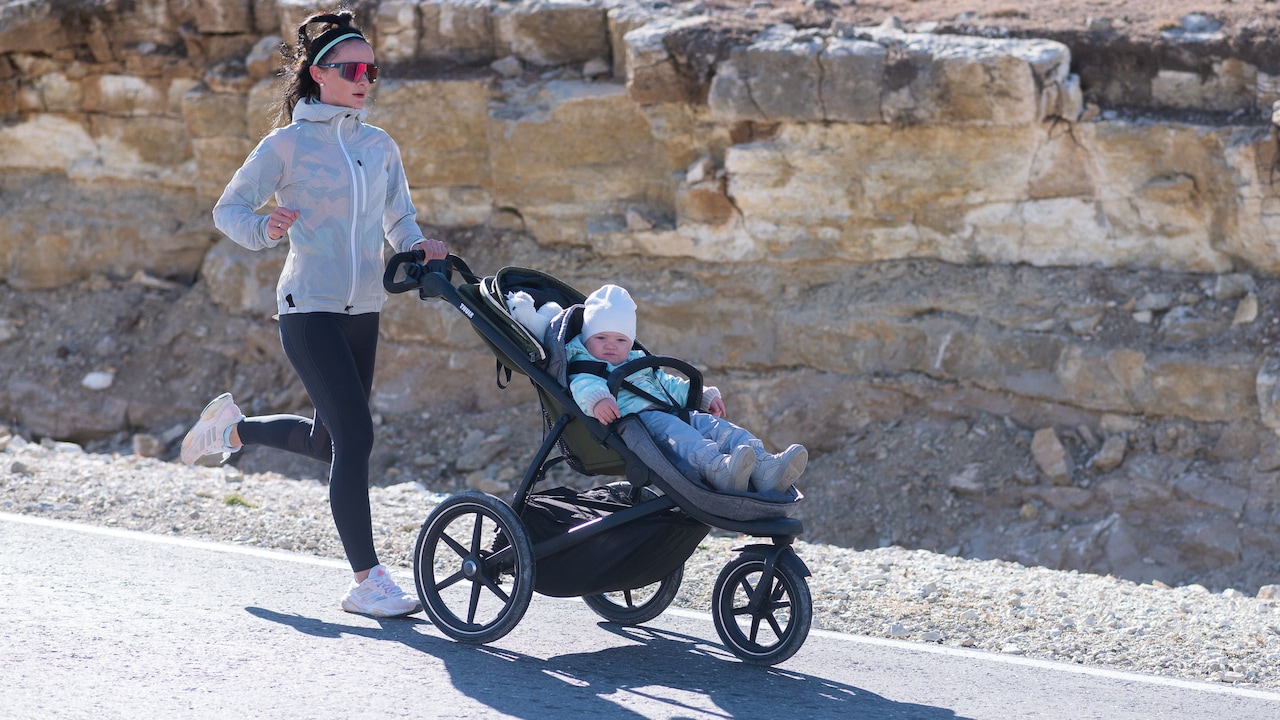
Best tips to find the best baby stroller for your little one
Buying a baby stroller often feels surprisingly complicated. One model folds with a single hand, another promises all-terrain wheels, while a third looks stylish enough for a family photograph. Then come unfamiliar terms such as five-point harness, multi-position recline, swivel lock and suspension. What began as a simple purchase can soon resemble research for a new car. A stroller, however, deserves careful thought. It may accompany a family through morning walks, shopping trips, doctor visits, railway stations, airports and evening rounds in the neighbourhood. It needs to protect a tiny passenger while making life easier for the adult pushing it. A beautiful stroller that feels heavy on stairs or struggles over uneven pavements can quickly lose its charm.z
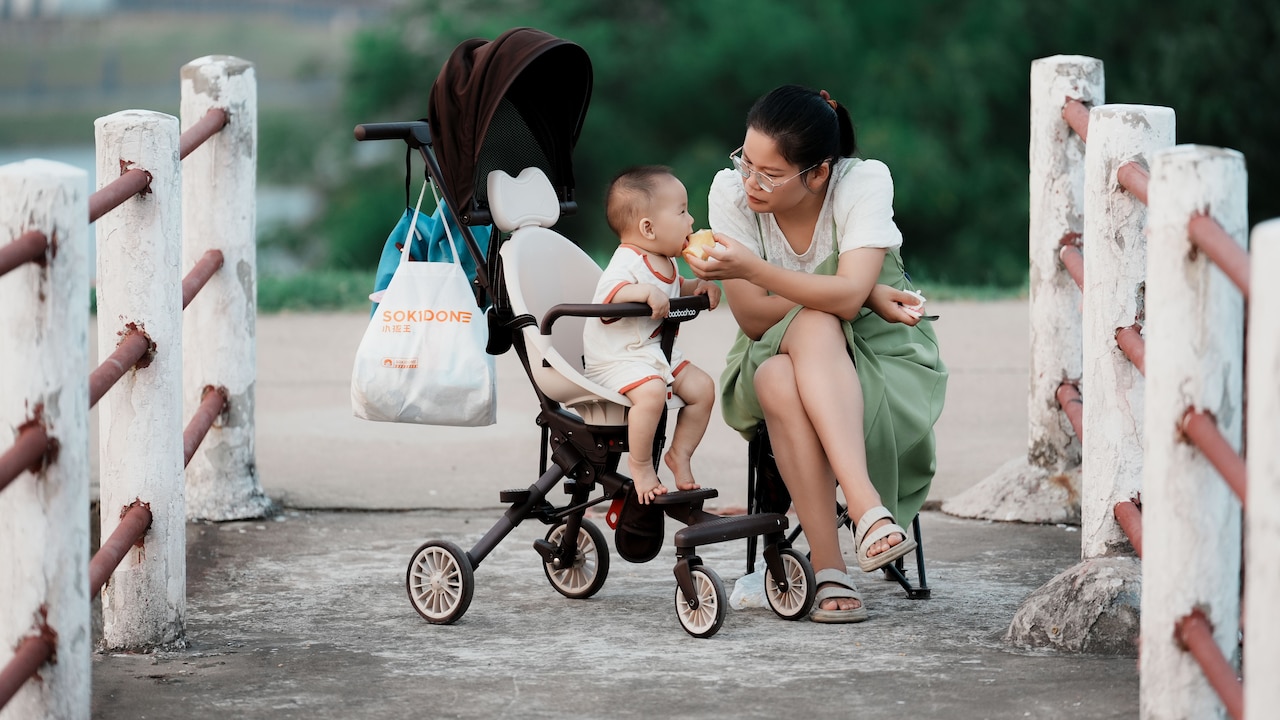
Key features to consider before buying a baby stroller; Photo Credit: Pexels
The best stroller does not need every feature in the catalogue. It needs the right features for the family's routine, surroundings and budget. These ten considerations will help parents look beyond glossy displays and choose a stroller that feels safe, practical and genuinely useful.
Also Read: Best Monsoon-Proof Baby Gear For First-Time Indian Parents
Key Features To Consider Before Buying A Baby Stroller
1. Start With A Secure Harness
The harness acts as the baby's main line of protection, so it deserves attention before cup holders, colours or clever accessories. A five-point harness usually offers the most secure fit. It holds the child at both shoulders, around the waist and between the legs. This design helps prevent slipping, leaning too far forward or wriggling out during a bumpy ride.
Check whether the straps feel soft but strong. Rough edges may irritate delicate skin, especially during warm weather when babies wear lighter clothing. Padded shoulder covers can improve comfort, though they should not make the straps difficult to adjust. The buckle must stay secure in small hands while remaining easy enough for an adult to open without wrestling with it in a crowded market.
Adjustment matters because babies grow quickly. A harness that fits perfectly today may feel tight within a few months. Look for straps with several height settings and smooth length adjustment. Try fastening the harness during the shop demonstration. A reliable system should feel secure, simple and reassuring rather than complicated enough to require a tutorial every morning.
2. Match The Recline To The Baby's Age
Recline affects comfort, posture and support. Newborns cannot hold their heads steadily, so they need a stroller that lies nearly flat or works with a compatible carrycot. A slightly tilted seat may look comfortable, but it may not provide the support a very young baby needs. Parents should always check the manufacturer's age and weight guidance instead of relying on appearance alone.
Older babies often enjoy sitting upright and watching the world pass by. A multi-position recline allows them to observe traffic, trees, dogs, fruit vendors and every other fascinating detail adults barely notice. When sleep arrives, the seat can move back into a more restful position.
Test how the reclining mechanism works. Some models use a lever, while others rely on straps. A good system should move smoothly and quietly. No parent wants a loud click to wake a baby who has finally fallen asleep after twenty minutes of determined resistance.
Also examine the leg rest. An adjustable footrest can support growing legs and reduce awkward dangling. Together, the recline and footrest should create a comfortable seat rather than a rigid chair on wheels.
3. Choose Wheels For Real Roads
Wheels determine how a stroller behaves outside the showroom. Smooth tiles can make almost any model feel effortless. The real test begins on cracked footpaths, speed breakers, gravel, apartment driveways and roads that seem to collect a new pothole after every spell of rain.
Small plastic wheels suit malls, airports and smooth indoor surfaces. They keep the stroller light and compact, but they may rattle or get stuck on uneven ground. Larger rubber or foam-filled wheels usually handle outdoor routes better. Air-filled tyres provide a softer ride, though they require more maintenance and can puncture.
Front swivel wheels help the stroller turn through narrow aisles and crowded spaces. A locking feature adds stability on rough surfaces or during longer walks. Check whether the wheels move freely without wobbling. Push the stroller in straight lines, sharp turns and small circles.
Wheel choice should reflect daily life. A family that mainly drives to air-conditioned shopping centres has different needs from one that walks to the park every evening. The best wheels are not necessarily the biggest. They are the ones that suit the route most often travelled.
4. Look For Effective Suspension
Suspension rarely attracts the same attention as colour or folding style, yet it can make a dramatic difference. It absorbs shocks before they reach the seat, helping the baby enjoy a smoother ride over uneven surfaces. Without decent suspension, every broken paving stone can turn into a tiny roller-coaster moment.
Some strollers offer suspension on the front wheels, while premium models may include it on all four. Parents who expect regular outdoor use should consider stronger suspension, especially when neighbourhood paths include rough patches. A smoother ride may also help babies nap for longer, which can feel like an unexpected gift during a busy afternoon.
Test the suspension by pressing gently on the handlebar and watching how the frame responds. It should have a controlled bounce rather than feeling stiff or unstable. Push the stroller over a small threshold if the shop allows it. Listen for rattling and notice whether the seat shakes sharply.
Suspension cannot make a stroller float over every obstacle. Parents still need to slow down at kerbs and avoid dangerous surfaces. Yet a well-cushioned frame reduces everyday jolts and makes walks more comfortable for the baby and less tiring for the person pushing.
5. Check The Storage Basket Carefully
Babies travel with an impressive amount of equipment. A short outing may require nappies, wipes, bottles, snacks, spare clothes, a light blanket and one mysterious toy that suddenly becomes essential. A practical storage basket keeps these items close without forcing parents to carry a bulging shoulder bag.
Basket size matters, but access matters just as much. A large basket loses its usefulness if the seat blocks it when fully reclined. Try reaching inside from the back and sides. Imagine placing a diaper bag inside while holding the baby with the other arm. Everyday practicality often reveals itself through such small tests.
Check the basket's weight limit. It may look strong enough for several shopping bags, but overloading can affect balance or damage the frame. Avoid hanging heavy bags from the handlebar, as they may cause the stroller to tip backwards.
Some models add zippered pockets for keys, phones or wallets. These can prove useful in busy places. A good storage system should organise essentials without turning the stroller into a moving cupboard. Enough space reduces stress, but sensible packing still keeps the ride lighter and safer.
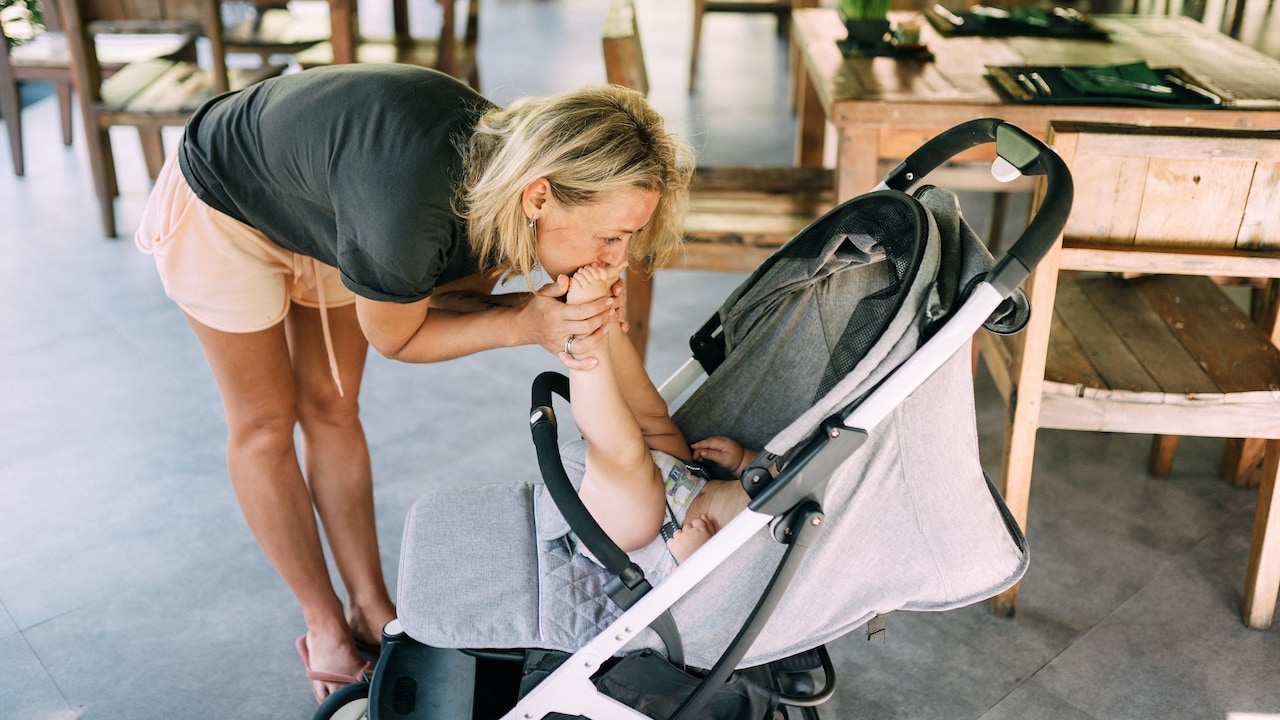
Check the storage basket capacity before finalising your purchase
Photo Credit: Pexels
6. Test The Folding Mechanism
A stroller may feel wonderful while open and become a stubborn puzzle when it needs folding. Since parents often fold it while managing a baby, a bag and perhaps an impatient cab driver, the mechanism should feel intuitive.
One-hand folding can offer genuine convenience, especially for solo outings. However, not every “one-hand fold” works as smoothly as the label suggests. Test it several times. Fold the stroller, unfold it and check whether it locks securely in both positions. Watch for places where fingers could get pinched.
Consider the folded size as well. Measure the car boot, storage cupboard or corner where the stroller will stay. A compact fold helps in smaller flats and during train or air travel. Some strollers stand upright when folded, while others need to lie flat. Self-standing models can save space and keep the fabric away from dusty floors.
Weight also affects folding convenience. A model may collapse neatly yet feel too heavy to lift into a boot or carry upstairs. The easiest stroller to fold should also feel manageable to move. Convenience lies in the full routine, not only in the satisfying click shown during a sales demonstration.
7. Examine The Brakes And Stability
Reliable brakes keep the stroller in place during pauses, whether the family stops at a pharmacy counter or waits beside a parked car. Most models use foot-operated brakes on the rear wheels. Some have separate brakes on each wheel, while others use a linked system that locks both sides with one press.
A linked brake often feels more convenient, but the design matters less than its performance. Test it on the shop floor. Apply the brake, then push the stroller gently from different angles. It should remain firmly in place. The pedal should feel easy to operate while wearing sandals or everyday footwear. A tiny, stiff pedal can become frustrating very quickly.
Stability depends on the frame, wheelbase and weight distribution. Place a light bag in the basket and check whether the stroller stays balanced during turns. Never judge stability by hanging shopping bags from the handle, as this creates an unsafe setup.
A sturdy stroller should not feel shaky when the child moves. At the same time, excessive bulk can make handling difficult. The ideal design feels planted without resembling a tank. Good brakes and balanced construction provide quiet confidence during every stop.
8. Consider Canopy Coverage And Ventilation
A generous canopy protects the baby from harsh sunlight, light rain, dust and sudden gusts of wind. In warm weather, this feature can matter as much as the seat itself. Look for a canopy that extends far enough to shade the face and upper body, especially when the sun sits low during morning or evening walks.
Some canopies include an additional flap or pull-out visor. Others offer a viewing window so parents can check on the baby without walking around the stroller. A quiet magnetic cover often works better than a noisy hook-and-loop strip, particularly when the child sleeps.
Ventilation deserves equal attention. Mesh panels allow air to circulate and reduce stuffiness. They can make a noticeable difference during humid afternoons. However, the mesh should feel strong and sit in a position that does not expose the child to direct sunlight.
Check whether the canopy stays steady when fully extended. A weak frame may collapse in wind or slowly slide backwards. The fabric should also clean easily, as dust and sticky fingers will eventually leave their mark. A well-designed canopy creates a small, comfortable shelter without making the stroller feel enclosed.
9. Select A Practical Handle Height
The handlebar affects posture and control. A handle that sits too low can cause taller adults to bend forward, while one that sits too high may strain the shoulders of shorter users. These small discomforts become more noticeable during long walks.
An adjustable handle works well when several family members use the stroller. Parents, grandparents and caregivers can set it to a comfortable height. Telescopic handles move up and down, while rotating handles change angle. Both styles can work well when the adjustment feels secure.
Push the stroller naturally during the trial. Check whether the rear wheels interfere with walking. Some compact models have short frames that cause taller users to kick the wheels or lower bar with each step. A few minutes of testing can prevent months of irritated walking.
The grip should feel comfortable, even with slightly sweaty hands. Foam offers softness but may wear over time. Rubber and leather-look coverings often clean more easily. Avoid loading the handle with bags, regardless of how sturdy it feels.
A comfortable handle encourages better posture and smoother steering. It may seem like a minor detail in the shop, but it becomes a daily point of contact once the stroller joins family life.
10. Balance Price, Durability And Daily Use
Strollers can range from affordable basic models to premium designs costing ₹50,000 or more. A higher price may bring better suspension, lighter materials and smoother mechanisms, but it does not automatically guarantee the best fit for every family.
Start with the expected pattern of use. An occasional stroller for mall visits may not need all-terrain wheels or an elaborate travel system. A model used every day should have a durable frame, washable fabric, reliable brakes and readily available spare parts. Spending more on features that reduce daily effort can make sense, while paying extra for decorative details may not.
Check the warranty and service support. Wheels, brakes and folding joints experience regular strain, so access to repairs matters. Read the cleaning instructions too. Removable, washable seat fabric can save a great deal of effort after snack spills and monsoon mud.
Try not to buy only for the present month. Consider the stroller's weight limit and seat size so the child can use it comfortably for a reasonable period. The smartest purchase balances cost with safety, convenience and durability. Value comes from regular use, not from an impressive price tag.
Products Related To This Article
1. Loopie Hop 1 Hand Fold Travel Friendly Compact CABIN Stroller
2. LuvLap Sunshine Baby Stroller/Pram for 0 to 3 Years
3. Mee Mee Little Explorer Baby Stroller/Pram
4. Loopie Hop 1 Hand Fold Travel Friendly Compact CABIN Stroller
5. Little Pumpkin by R for Rabbit Baby Stroller and Pram for Baby
6. StarAndDaisy Baby Stroller for 0–3 Years
7. R for Rabbit Lollipop Lite Baby Stroller for 0 to 3 Years with 5 Point Safety Harness
A stroller becomes part of countless ordinary family moments: sleepy evening walks, hurried clinic visits, weekend shopping trips and peaceful naps beneath a shaded canopy. Choosing one deserves more thought than simply selecting the most attractive model in the shop.
Begin with safety. A secure harness, dependable brakes and a stable frame should always come first. Then consider comfort through recline, suspension, ventilation and proper leg support. Wheels must suit the roads and spaces the stroller will face, while storage and folding should make everyday routines easier rather than more complicated.
The right stroller feels natural to use. It turns smoothly, folds without drama and carries essentials without becoming overloaded. Most importantly, it suits the family's actual lifestyle. A compact model may serve one household perfectly, while another needs larger wheels and generous storage.
Take time to test several options, ask practical questions and imagine a normal day rather than an ideal showroom outing. The best stroller will not merely carry a baby. It will lighten the journey for everyone travelling alongside.
(Disclaimer: This article may include references to or features of products and services made available through affiliate marketing campaigns. NDTV Convergence Limited (“NDTV”) strives to maintain editorial independence while participating in such campaigns. NDTV does not assume responsibility for the performance or claims of any featured products or services.)