Iron vs Stainless Steel vs Non-Stick: Which Is Best For Indian Cooking
Confused between iron, stainless steel, and non-stick cookware for Indian cooking? Learn which one works best for rotis, curries, frying, and daily meals.
Iron vs Stainless Steel vs Non-Stick: Which Is Best For Indian Cooking
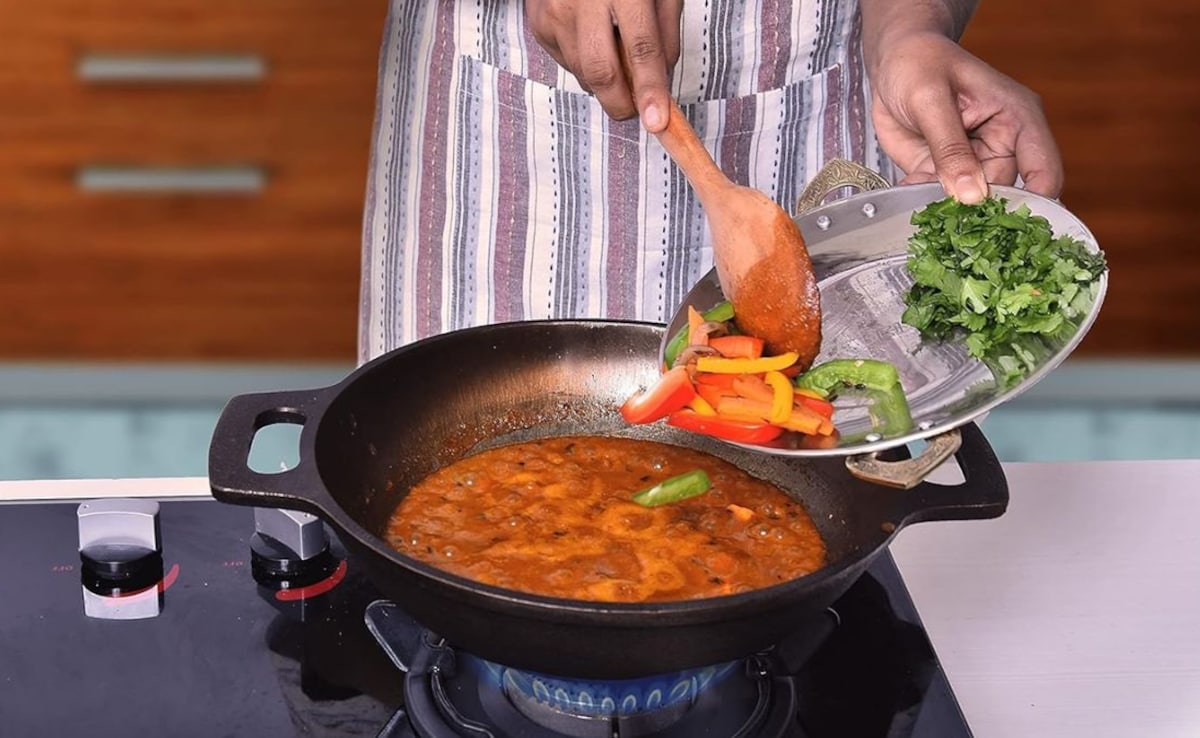
Indian kitchens almost never stick to just one type of cookware, and there is a reason for that. One pan excels at making perfect dosas, another one is better suited for tadka, and yet another becomes the preferred choice for curries and gravies. If someone has ever stood inside a utensil shop wondering whether to buy iron, stainless steel or non-stick cookware, then that confusion is quite common.
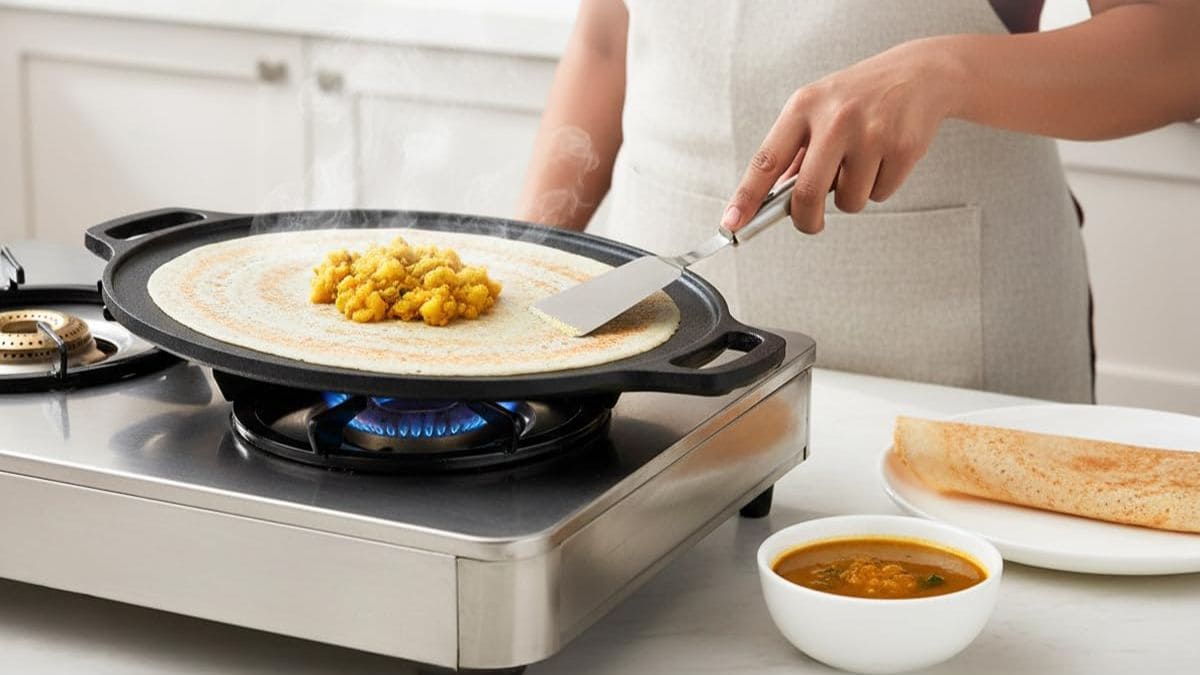
Learn which cookware material works best for making perfect rotis, curries, and deep frying.
Photo Credit: Amazon
A lot of Indian cooking depends on high heat, oil, masala, long cooking times and constant stirring. The "best" cookware varies significantly based on the frequency of cooking. What works beautifully for omelettes may become quite frustrating for sabzi or biryani.
Why Your Cookware Matters More In Indian Cooking
Indian cooking is not very gentle on cookware. There is frying, roasting, tempering, slow cooking, pressure cooking, and occasionally all of these happen in just one meal. A thin or poor-quality pan usually starts burning masalas quickly or cooks food unevenly.
Heat Retention Changes The Taste
Some cookware heats up fast but also cools down equally fast. Others hold heat for longer and help in deeper roasting. This matters quite a lot when making bhuna masala, paneer gravy or even a simple aloo fry.
Oil Usage Also Depends On The Pan
Some pans need more oil while others don't need that much. Non-stick usually works with less oil, while iron cookware often needs seasoning before food stops sticking properly.
Iron Cookware: Still Feels Made For Indian Kitchens
Iron cookware has been part of Indian kitchens for many generations. From tawa rotis to fish fry and crispy dosas, many people still prefer it over modern options.
1. Iron Gives Better High-Heat Cooking
Iron pans become extremely hot and hold that heat for a long time. This is why they work so well for parathas, dosas, kebabs, stir-fried vegetables, and crispy potato fry. That slightly charred flavour, which comes from iron pans, is something many non-stick pans simply cannot create properly.
2. It Can Increase Iron Intake Slightly
One reason many Indian households still prefer iron cookware is that cooking in it may slightly increase the iron content in food. It is not some magic health solution, but it can help a little, especially with acidic foods like tomato-based curries.
3. Iron Needs Maintenance
This stage is where some people give up on iron cookware. It cannot be left wet after washing because it may rust. Also, it needs occasional seasoning with oil to be maintained properly. And yes, acidic foods sometimes react with iron and slightly change the taste if cooked for too long.
Stainless Steel: Reliable For Everyday Indian Meals
If there is one cookware type that almost every Indian kitchen owns, it is stainless steel. It is practical and durable, and it works for daily cooking without demanding too much care from anyone.
1. Stainless Steel Is Extremely Durable
A good stainless steel kadhai or saucepan can easily last for many years. It does not rust easily, does not chip, and handles regular Indian cooking quite well.
That is why people often use it for dal, curries, tea, boiling vegetables, and pressure cooking.
2. It Doesn't React With Food
Unlike iron cookware, stainless steel usually does not react with tomato-, tamarind-, curd-, or lemon-based dishes. So for people who cook a lot of gravies and curries, stainless steel feels much safer and easier to use.
3. Food Can Stick If You're Not Careful
This is probably the biggest complaint people have about stainless steel. If the pan is not heated properly before adding oil, the food sticks terribly. Eggs, especially, become difficult occasionally.
But once heat control is understood properly, stainless steel becomes much easier to handle.
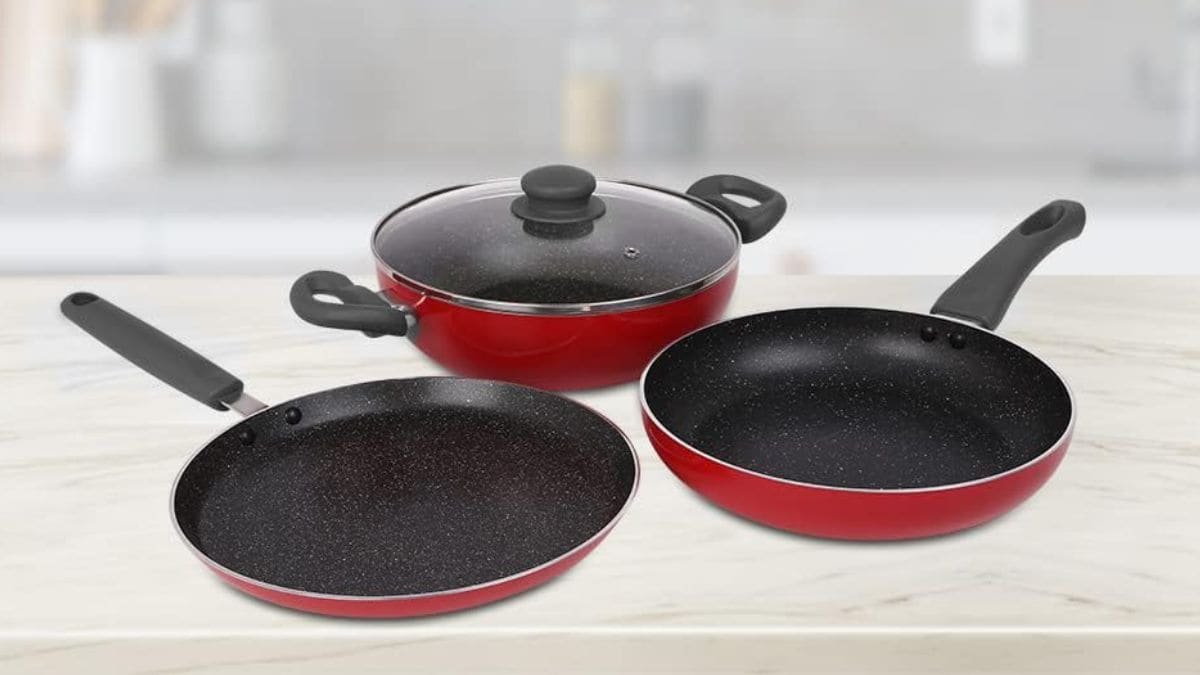
A guide to selecting the right pans for traditional Indian meals and daily frying.
Photo Credit: Amazon
Non-Stick Cookware: Easy But Not Always Perfect
Non-stick cookware became popular mainly because it made cooking feel simpler. Less oil means easier cleaning and less sticking, especially useful during rushed mornings when there is less time.
1. Best For Quick Everyday Cooking
Non-stick pans are very convenient for omelettes, pancakes, cheela, dosa, sandwiches, and light sauteing. For someone who lives alone or cooks simple meals daily, non-stick can save quite a lot of time.
2. Cleaning Is Much Easier
This is probably the biggest advantage of non-stick. Most food residue comes off quickly without heavy scrubbing. After long workdays, many people prefer this convenience more than anything else.
3. High Heat Can Damage It
Indian cooking very often uses a high flame. That is where non-stick sometimes struggles a little. Very high heat can slowly damage the coating over time and reduce its life. Using metal spoons or rough scrubbers also shortens its life further. Many non-stick pans need replacement after only a few years.
Which One Is Better For Different Indian Dishes?
There's no single cookware that is better for every Indian dish. The best cookware depends on various factors. However, here are some cookware options that work well for Indian dishes:
1. For Rotis And Parathas
Iron tawas usually perform best because they hold heat evenly and give better browning on rotis.
2. For Curries And Gravies
Stainless steel works better here because acidic ingredients cook safely without any reaction happening.
3. For Eggs And Low-Oil Cooking
Non-stick is usually the easiest option for this type of cooking. Food releases quickly and needs very little oil.
4. For Deep Frying
Iron and stainless steel both work well because they handle high temperatures much better than non-stick.
Which Cookware Should You Actually Buy?
For setting up an Indian kitchen, having a mix of all three usually makes most sense.
An iron tawa for rotis and dosas, a stainless steel kadhai for curries, and one non-stick pan for quick breakfast cooking are honestly enough for most homes.
Buying cookware also depends on cooking habits. For people who cook elaborate meals daily, stainless steel and iron will probably serve better in the long term. If convenience matters more than non-stick, it becomes quite useful.
The trick is not choosing one "perfect" piece of cookware. Indian cooking itself is too varied for that kind of thinking.
Ultimately, the best cookware for Indian cooking depends on your cooking style and preferences. Iron (cast iron) is ideal for high-heat cooking and adds a traditional touch, while stainless steel offers durability and versatility for everyday meals. Non-stick, on the other hand, is perfect for quick, low-oil cooking and easy cleanup. Instead of choosing just one, many kitchens benefit from a mix of all three each serving a unique purpose. By understanding their strengths, you can build a well-rounded cookware collection that makes preparing Indian dishes both efficient and enjoyable.
Some Cookware Products You May Like
1. Prestige Cast Iron Dosa Tawa
2. Hawkins Stainless Steel Deep Fry Pan
3. Carote Non-Stick Frying Pan
4. Hawkins Stainless Steel Deep Kadhai
5. The Indus Valley Cast Iron Kadhai
6. Pigeon Non-Stick Cookware Set
7. Bergner Stainless Steel Saucepan
8. Meyer Pre-Seasoned Cast-Iron Tawa
Frequently Asked Questions (FAQs)
1. Is iron cookware better than non-stick for Indian cooking?
Iron cookware works better for high-heat Indian dishes like paratha, dosa and frying. But non-stick is easier for quick cooking and cleaning purposes.
2. Does food stick in stainless steel pans?
Yes, food can stick if the pan is not heated properly before adding oil. Once temperature control is learned, it becomes easier to cook with stainless steel.
3. Is non-stick cookware safe for daily use?
Most good-quality non-stick cookware is safe when used correctly. Overheating should be avoided, and metal spoons should not be used on the surface.
4. Why do many Indian homes still use iron tawas?
Iron tawas give better heat retention and help create crispier rotis, parathas and dosas compared to the many modern pans available today.
5. Which cookware lasts the longest?
Stainless steel and iron cookware usually last much longer than non-stick if maintained properly over time.
(Disclaimer: This article may include references to or features of products and services made available through affiliate marketing campaigns. NDTV Convergence Limited (“NDTV”) strives to maintain editorial independence while participating in such campaigns. NDTV does not assume responsibility for the performance or claims of any featured products or services.)