Why Minimalist Home Decor Trends Are Driving Better Buying Decisions
Minimalist home decor is changing the way people shop. By prioritising quality, functionality, and purpose, it encourages smarter purchases and reduces unnecessary spending.
Why Minimalist Home Decor Trends Are Driving Better Buying Decisions
A decade ago, home décor often revolved around filling every empty corner. Shelves displayed countless decorative items, coffee tables carried stacks of accessories, and shopping trips frequently ended with impulse purchases that seemed attractive for a moment but lost their charm soon after. Today, a different approach has captured attention. Minimalist home décor celebrates simplicity without sacrificing style. Rather than focusing on how much a room can hold, it emphasises how well each item serves a purpose. The result feels refreshing, practical, and surprisingly elegant.
Why Minimalist Home Decor Trends Are Driving Better Buying Decisions; Photo Credit: Pexels
This trend has become particularly relevant as urban homes face space constraints and rising living costs encourage more thoughtful spending. A sofa, dining table, or storage unit is no longer viewed as just another purchase. People now evaluate whether an item genuinely adds value to their daily lives. Minimalism has quietly transformed consumer behaviour. It encourages homeowners to pause before purchasing, assess their needs, and choose products that offer lasting benefits. In many ways, minimalist décor is not merely changing how homes look. It is changing how people buy.
How Minimalism Is Transforming Consumer Buying Behaviour
Quality Takes Centre Stage
Minimalist interiors leave very little room for distractions. When a space contains fewer objects, every item attracts attention. This naturally shifts focus towards craftsmanship, durability, and design quality.
Instead of purchasing three inexpensive side tables over several years, many homeowners now prefer investing in one well-made piece that remains stylish and functional for a long time. A solid wood dining table, for instance, often becomes a long-term investment rather than a temporary solution.
This mindset creates better buying habits because it encourages careful evaluation before spending money. Consumers compare materials, warranties, finishes, and longevity rather than reacting to flashy discounts.
A family furnishing a new apartment may choose a ₹35,000 sofa designed to last ten years instead of replacing a cheaper option every few years. The initial expense may appear higher, but the long-term value becomes evident.
Minimalism, therefore, promotes thoughtful consumption. Every purchase carries greater significance, leading to choices that deliver both practical and financial benefits.
Also Read: From Wall Art To Storage Boxes: 5 Must-Have Items To Give Your Room A Pinterest-Worthy Look
Functionality Becomes The Priority
One of the strongest principles behind minimalist décor involves selecting items that serve a meaningful purpose. Decorative appeal still matters, but functionality often comes first.
Furniture that offers multiple uses has become especially popular. Beds with storage compartments, expandable dining tables, and modular shelving systems fit perfectly within minimalist homes because they maximise utility without creating clutter.
This practical approach directly influences purchasing decisions. Buyers begin asking smarter questions. Does this product solve a problem? Will it improve daily routines? Can it adapt to changing needs?
Consider a compact city apartment where space remains limited. A foldable work desk that transforms into a display shelf may prove more valuable than a decorative console table that occupies the same area.
As functionality gains importance, unnecessary purchases lose their appeal. The result is a shopping mindset focused on usefulness rather than impulse. Over time, this approach reduces waste and increases satisfaction with every purchase.
Clutter Awareness Encourages Mindful Spending
Most people have experienced the frustration of opening a cupboard and discovering items forgotten months ago. Minimalism shines a spotlight on this common habit.
A minimalist home encourages awareness of possessions. Every object occupies physical and visual space, making excess accumulation easier to notice. Once people become conscious of clutter, they often rethink shopping habits.
That decorative lantern available at a weekend sale may seem tempting. Yet a minimalist mindset introduces a simple question: where will it go, and does it genuinely add value?
This pause creates a powerful shift in behaviour. Instead of making spontaneous purchases, consumers become more deliberate. They focus on needs rather than temporary wants.
The financial impact can be significant. Avoiding several small impulse purchases each month can save thousands of rupees annually. More importantly, homeowners avoid filling their spaces with items that eventually become burdens.
Minimalism teaches that every purchase carries a hidden cost beyond its price tag. It requires storage, maintenance, and attention. Recognising this reality often leads to wiser spending decisions.
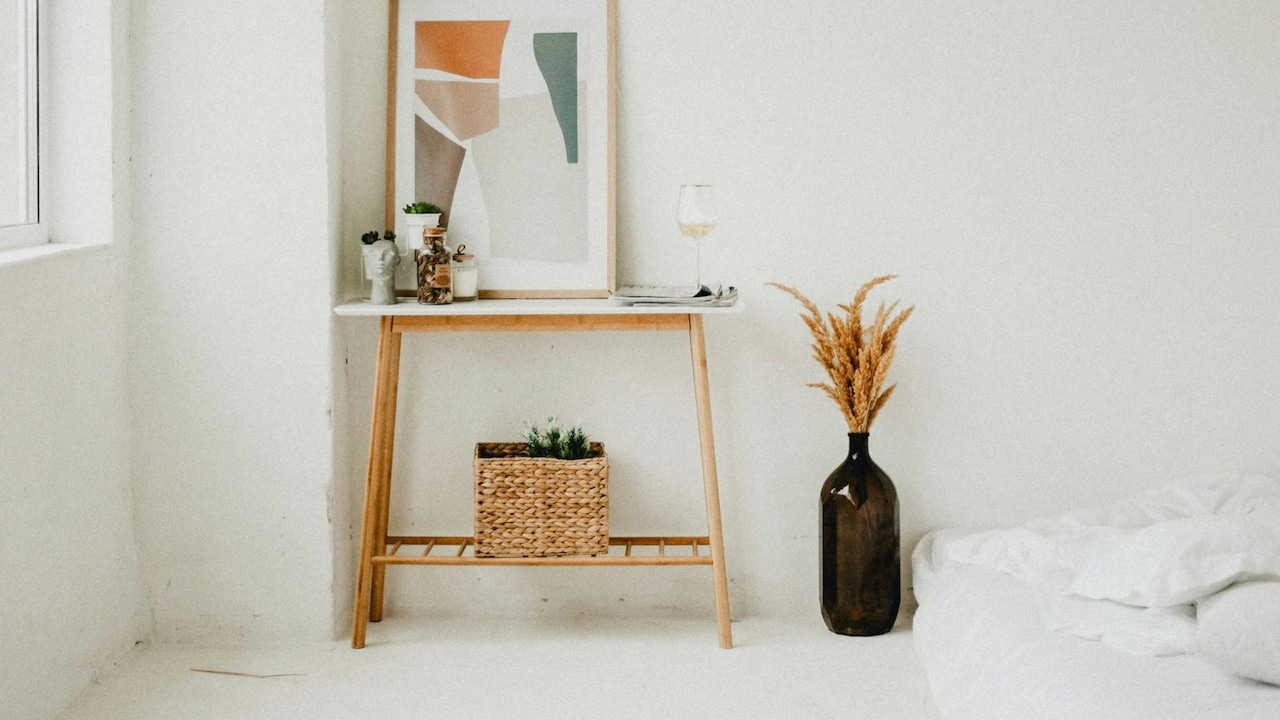
Why Minimalist Home Decor Trends Are Driving Better Buying Decisions; Photo Credit: Pexels
Simplicity Makes Product Comparisons Easier
Too many options can create decision fatigue. Anyone who has spent hours comparing hundreds of similar products online understands this challenge.
Minimalist living encourages a simplified decision-making process. Rather than evaluating endless possibilities, consumers narrow their focus to products that align with specific needs and aesthetic goals.
This approach reduces confusion and increases confidence. Buyers can concentrate on a smaller set of criteria such as quality, durability, dimensions, and functionality.
For example, someone searching for a television unit may ignore dozens of ornate designs and focus exclusively on clean, practical options that complement existing décor. The result is a faster and more effective purchasing journey.
Retailers have noticed this shift as well. Many brands now highlight minimalist collections because consumers increasingly appreciate straightforward designs and clear value propositions.
By reducing distractions, minimalism helps people make decisions based on substance rather than marketing noise. This often leads to purchases that remain satisfying long after the excitement of shopping fades.
Timeless Design Reduces Frequent Replacements
Trends come and go with remarkable speed. One year, bright geometric patterns dominate interiors. The next year, natural textures steal the spotlight.
Minimalist décor offers a welcome alternative. Its emphasis on clean lines, neutral palettes, and balanced design creates spaces that remain relevant across changing trends.
This timeless quality influences buying behaviour in meaningful ways. Homeowners become less interested in fashionable pieces that may appear outdated within a short period. Instead, they seek versatile items capable of adapting to evolving tastes.
A beige fabric sofa, a wooden coffee table, or a simple pendant light can remain stylish for years. Such purchases reduce the need for frequent updates and replacements.
The financial advantages are clear. Spending ₹20,000 on a timeless piece that remains appealing for a decade often proves wiser than repeatedly purchasing trend-driven alternatives.
Minimalism encourages long-term thinking. Rather than chasing every new design movement, consumers invest in products that offer enduring value and visual appeal.
Smaller Spaces Demand Smarter Choices
Urban living has transformed housing preferences. Compact apartments have become increasingly common, making efficient space utilisation more important than ever.
Minimalist décor aligns perfectly with this reality. It helps homeowners maximise functionality without creating a crowded environment. Every purchase must justify its presence.
This requirement naturally leads to more thoughtful buying decisions. Large furniture pieces undergo careful evaluation. Storage solutions receive greater attention. Decorative elements earn their place through both beauty and practicality.
A homeowner furnishing a two-bedroom apartment may choose a sleek sectional sofa instead of multiple seating units that consume valuable floor space. Similarly, wall-mounted storage often replaces bulky cabinets.
The focus shifts from acquiring more items to selecting better ones. This mindset reduces unnecessary spending and improves overall living comfort.
As residential spaces continue evolving, minimalist principles offer a practical framework for making smarter purchasing decisions while maintaining attractive and functional interiors.
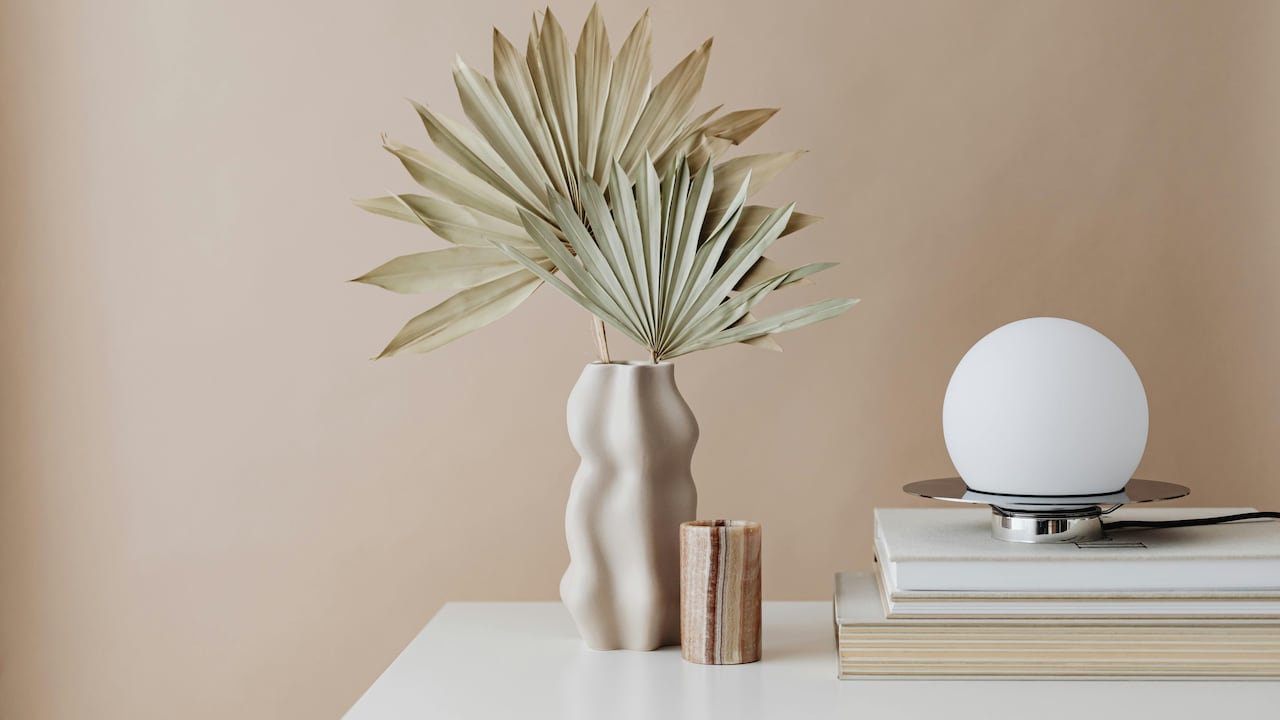
Why Minimalist Home Decor Trends Are Driving Better Buying Decisions; Photo Credit: Pexels
Sustainability Influences Consumer Behaviour
Environmental awareness has become an important factor in modern purchasing decisions. Minimalism naturally supports this shift by encouraging reduced consumption and responsible ownership.
When consumers purchase fewer items, they generate less waste and place lower demands on resources. This approach aligns closely with sustainability goals.
Many minimalist homeowners actively seek durable products made from natural or responsibly sourced materials. Rather than replacing furniture frequently, they prioritise longevity and repairability.
A solid wood bookshelf may cost more initially than a low-quality alternative, but its lifespan often makes it the more sustainable choice. The same principle applies to textiles, lighting, and home accessories.
This perspective changes how people evaluate products. Price remains important, yet environmental impact becomes part of the decision-making process.
Minimalism demonstrates that sustainability does not require dramatic lifestyle changes. Sometimes, simply buying less and choosing better can make a meaningful difference for both households and the environment.
Emotional Well-Being Shapes Purchases
A cluttered room often creates a cluttered feeling. Many people may not notice the connection immediately, yet the effect becomes apparent after spending time in a calm, organised space.
Minimalist interiors promote a sense of balance and clarity. The absence of excess visual stimulation allows rooms to feel more peaceful and inviting.
This emotional benefit influences purchasing behaviour. Homeowners begin selecting products that contribute positively to their environment rather than simply filling empty spaces.
A comfortable reading chair, a warm lighting fixture, or a thoughtfully designed storage solution may provide greater satisfaction than multiple decorative accessories.
The goal shifts from accumulation to experience. Purchases become tools for improving daily life rather than symbols of consumption.
This emotional awareness often reduces impulsive spending. People become more selective because they understand how their surroundings affect mood, productivity, and relaxation.
As a result, buying decisions increasingly reflect personal well-being rather than temporary shopping excitement.
Digital Inspiration Encourages Better Research
Social media platforms and home design websites have made interior inspiration more accessible than ever. Minimalist spaces frequently attract attention because they photograph beautifully and appear effortlessly organised.
However, the influence extends beyond aesthetics. Exposure to minimalist design often encourages consumers to research products more thoroughly before purchasing.
Instead of buying the first item that catches their eye, homeowners explore reviews, compare materials, and examine long-term performance. They want pieces that align with a carefully curated vision.
A person planning a living room makeover may spend weeks evaluating furniture options before committing to a purchase. While this process requires patience, it often results in higher satisfaction and fewer regrets.
Minimalism encourages intentionality. Every purchase contributes to a broader design narrative, making research an essential part of the decision-making process.
This behaviour benefits consumers by reducing mistakes and ensuring that each investment supports both practical needs and aesthetic goals.
Value Matters More Than Volume
Perhaps the most significant impact of minimalist décor lies in its redefinition of value. Traditional consumer culture often celebrated abundance. More furniture, more accessories, and more purchases seemed synonymous with success.
Minimalism challenges this assumption. It suggests that true value comes from usefulness, quality, and purpose rather than quantity.
This perspective transforms shopping habits. Consumers begin measuring purchases by their contribution to daily life rather than their ability to fill space.
A carefully selected ₹8,000 lamp that enhances a room and provides years of reliable use may offer greater value than several decorative items purchased on impulse. Likewise, a thoughtfully designed wardrobe can outperform multiple temporary storage solutions.
When value becomes the primary consideration, buying decisions improve naturally. Spending becomes more intentional, and satisfaction increases because each purchase serves a clear purpose.
Minimalism ultimately encourages consumers to focus on what genuinely matters, creating homes that feel both beautiful and meaningful.
Products Related To This Article
1. Wooden 1 Glass Test Tube Home Decor Planter Modern Flower Vase with Wood Stand Plant Propagation
2. POSHIO Nordic Minimalist Gold Needle Metal Wall Clock for Home and Office
3. PUREZENTO Unique White Ceramic Donut Vase
4. Glimpse Homes Ceramic Flower Vase
5. Livin'luxe Minimalist Botanical Leaf Wall Painting with Natural Color Synthetic Frame
6. 5 Pieces Moon Phase Acrylic Mirror Set
7. Wooden Test Tube Planter Vase with Wooden Stand
Minimalist home décor has evolved into far more than a design preference. It has become a practical philosophy that influences how people evaluate, purchase, and use products within their homes.
By prioritising quality, functionality, simplicity, and long-term value, minimalism encourages smarter buying decisions. It reduces impulse purchases, supports sustainability, and promotes environments that feel calm and purposeful.
In a world filled with endless choices and constant marketing messages, minimalist thinking offers clarity. It encourages homeowners to ask whether a purchase truly deserves a place in their lives. The answer often leads to fewer purchases, but better ones. And that may be the most valuable decorating trend of all.
(Disclaimer: This article may include references to or features of products and services made available through affiliate marketing campaigns. NDTV Convergence Limited (“NDTV”) strives to maintain editorial independence while participating in such campaigns. NDTV does not assume responsibility for the performance or claims of any featured products or services.)