10 Reasons Organza Sarees Add Bulk Around The Waist And How To Create A Cleaner Drape
Organza sarees can look airy yet surprisingly bulky at the waist. From thick pleats and stiff petticoats to poor tucking and pin placement, here are 10 common reasons the drape loses its clean line and simple ways to fix them.
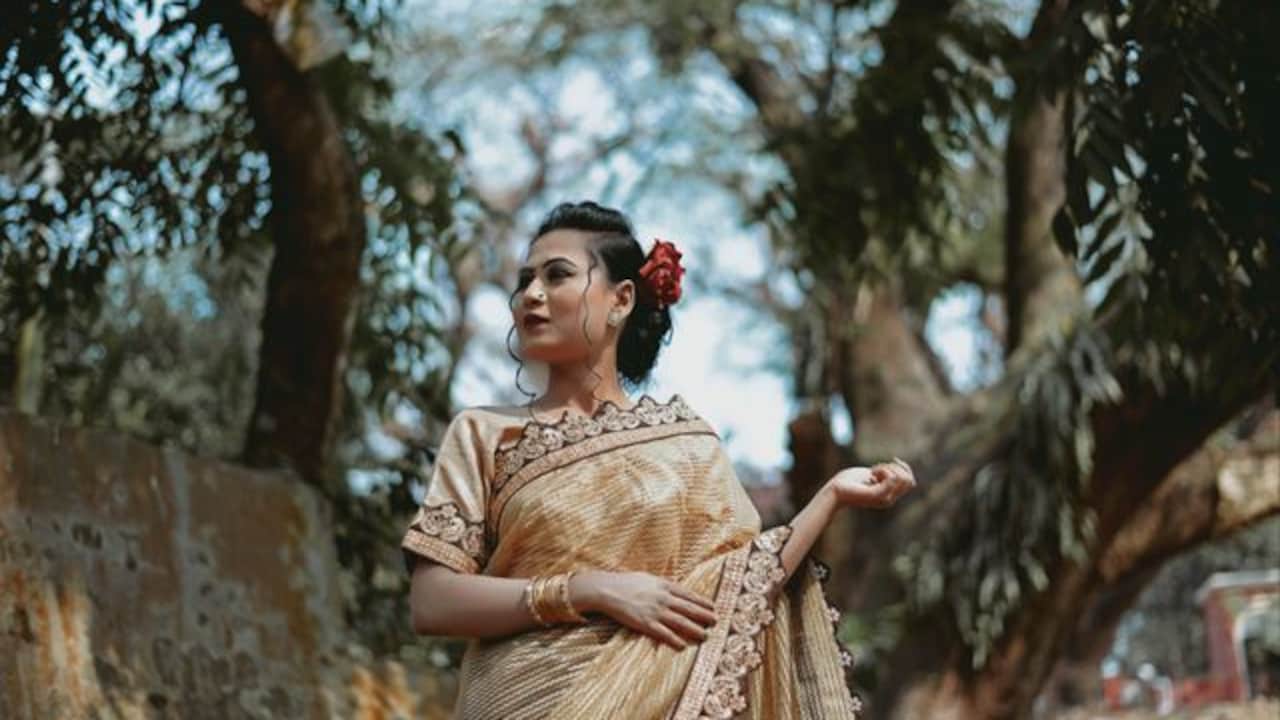
Simple tips to drape organza sarees for a bulk-free look
Organza has a strange little fashion trick up its sleeve. Hold an organza saree in your hands and it feels almost weightless. Drape the same six yards around the waist, however, and suddenly there seems to be twice as much fabric to manage. That's because organza behaves very differently from fluid fabrics such as chiffon, georgette or soft silk. Its crisp structure gives it that dreamy, slightly floating appearance, but the same stiffness prevents folds from collapsing neatly against the body. Add large pleats, an unsuitable petticoat or an enthusiastic collection of safety pins, and the waist can start looking wider than expected.
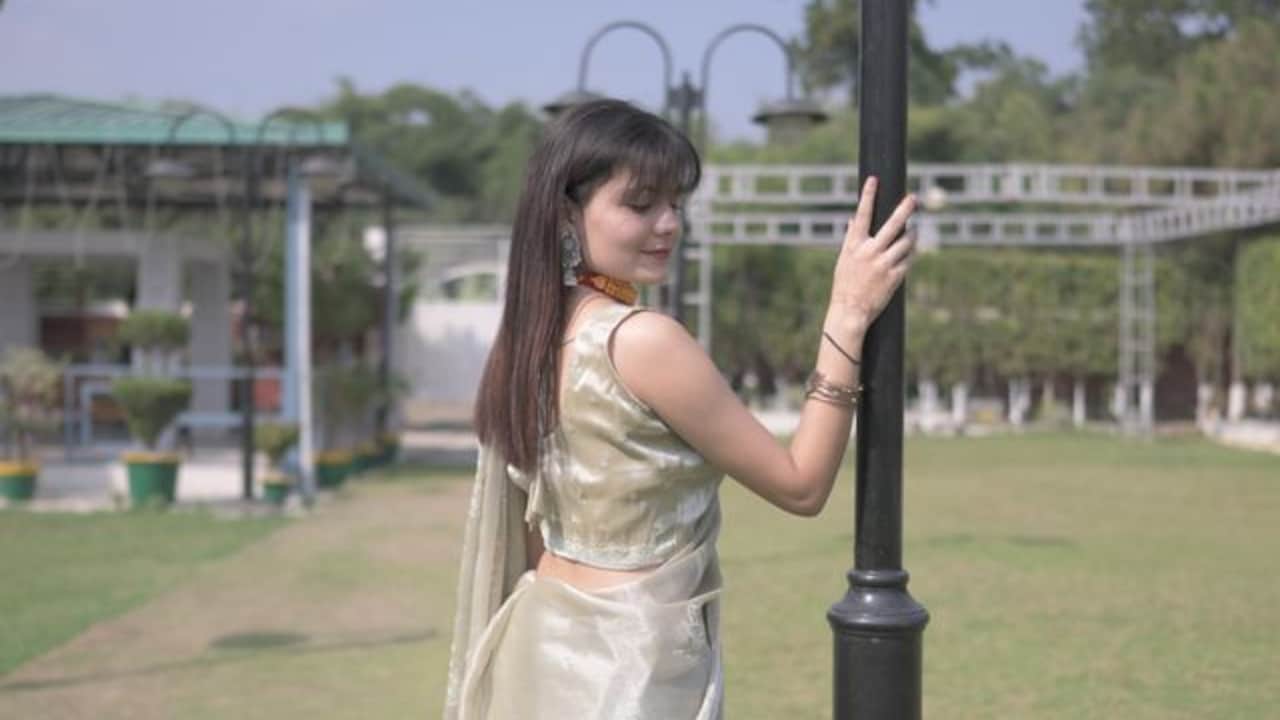
Expert tips to drape organza sarees for a flattering look
Photo Credit: Pexels
The answer isn't to flatten organza until it loses its character. A good organza drape should still have movement, volume and that unmistakable cloud-like finish. The trick lies in controlling where the volume appears.
Also Read: Best 5 Party-Wear Sarees For Women
A few small changes can make a surprisingly big difference. Understanding how the fabric reacts to pleating, tucking and layering can help us create a saree drape that looks crisp rather than cumbersome.
Why An Airy Fabric Can Still Create A Bulky Waistline
1. The Fabric Naturally Holds Its Shape
Organza doesn't fall obediently against the body. That's part of its charm. Its tightly woven structure gives it stiffness, so folds tend to stand away from the waist instead of collapsing into soft layers.
This becomes particularly noticeable around the front pleats. With chiffon, several layers can sit almost flat against one another. Organza creates tiny pockets of air between those same layers. Multiply that effect across five or six pleats and the waist can suddenly gain visible volume.
Trying to crush the fabric completely flat usually isn't the best solution either. Doing so can leave the saree looking overworked and remove the beautiful structure that makes organza distinctive.
Instead, work with the fabric. Keep the number of pleats moderate and make each one reasonably narrow. Run your fingers firmly along the pleat line before tucking them in. If the fabric allows it, a light press before wearing the saree can also help.
The goal isn't zero volume. It's controlled volume that falls vertically rather than spreading outwards.
2. Too Many Front Pleats Create A Thick Fabric Stack
More pleats don't automatically create a neater saree. With organza, they can create exactly the opposite effect.
Every front pleat adds another layer of stiff fabric at the waist. Eight narrow pleats might look beautifully structured in the hand, but once tucked together they can form a surprisingly thick bundle. That bulk becomes even more visible when a fitted blouse ends directly above it.
Start by looking at how much fabric actually needs pleating. Depending on the saree width and your preferred drape, fewer, slightly broader pleats may create a much cleaner result than a large stack of tiny ones.
The pleats should also overlap evenly. Uneven pleats often bunch at the top while looking perfectly fine near the hem. That hidden thickness around the waistband causes the familiar little bump under the saree.
Once the pleats are arranged, hold them together and check their thickness before tucking. If the stack feels bulky in your hand, it will probably look bulky at the waist too.
Sometimes removing just one pleat improves the entire silhouette without changing the overall appearance of the saree.
3. The Petticoat Is Adding More Volume Than The Saree
Sometimes organza gets blamed for a problem happening underneath it.
A thick cotton petticoat, gathered waistband or heavily flared underskirt can add considerable volume before the saree even comes into the picture. Organza then sits over that shape rather than disguising it.
The waistband deserves particular attention. Traditional drawstring petticoats can gather fabric around the waist when tightened. Those small folds underneath may create uneven bumps, especially when combined with multiple saree layers.
A smoother, well-fitting underskirt often works better. Saree shapewear can also create a cleaner base, provided it feels comfortable and doesn't restrict walking. The aim isn't extreme compression. The fabric simply needs a stable surface to sit against.
Length matters too. If the underskirt sits too high, the saree may bunch around the narrowest part of the torso instead of flowing naturally downward.
Before blaming your draping technique, wear the blouse and underskirt alone and look at the waistline. If it already appears gathered or uneven, fixing the base may solve half the problem.
4. Tucking Too Much Fabric Deep Into The Waistband Creates A Ridge
Organza inspires caution because its slippery-crisp texture can make wearers worry that the saree will come loose. The instinctive response? Push every centimetre of fabric as deeply as possible into the waistband.
Unfortunately, that creates its own problem.
Deep tucking folds the fabric over itself inside the waistband. Instead of one clean layer entering the petticoat, several centimetres may double up, forming a thick ridge around the stomach.
A secure tuck doesn't need to swallow half the saree. Insert enough fabric to hold it firmly while keeping the excess outside smooth. Working section by section can also prevent fabric from collecting in one spot.
Pay special attention around the front pleats. Their upper edges already contain multiple layers, so forcing the entire bundle deeply into a tight waistband can make it flare outward immediately below the tuck.
A small safety pin connecting the pleats to the underskirt can provide security without excessive stuffing.
There's a useful rule here: secure the saree rather than burying it. The waist should feel supported, not packed.
5. Pleats That Open Too Early Make The Stomach Area Look Wider
The front pleats may look perfectly aligned at the waistband and still create unwanted volume a few centimetres lower down.
This happens when stiff organza pleats start opening almost immediately after they leave the tuck. Instead of falling straight, they fan outward. The effect can create a bell-shaped patch right across the lower stomach.
After forming the pleats, smooth them downward for several inches before tucking. The folds should continue vertically from the waistband rather than exploding outward as soon as they emerge.
A discreet pin placed slightly below the waist can sometimes help keep particularly stubborn organza pleats together. Just avoid pinning them so tightly that walking becomes uncomfortable.
Pleat placement also matters. Positioning the entire stack directly at the widest section of the stomach can emphasise volume. A slight adjustment towards the natural centre line often produces a more balanced appearance.
Think of the pleats as vertical lines in the outfit. The longer those lines remain straight, the cleaner the drape looks. When they open too quickly, the eye sees width rather than length.
6. A Very Tight Blouse Can Exaggerate The Saree's Volume
A sharply fitted blouse can look fantastic with organza, but there's a difference between fitted and squeezed.
When the blouse grips the torso tightly and the saree begins immediately below it with several layers of structured fabric, the contrast becomes obvious. The upper body looks compressed while the waist suddenly expands. Even modest fabric volume can appear exaggerated.
The blouse length can amplify this effect too. A blouse ending at a particularly narrow part of the torso creates a strong horizontal line. If thick pleats begin directly underneath, the transition can look abrupt.
A comfortable fitted blouse usually creates a more natural continuation into the saree. The lower edge should sit smoothly without curling, digging into the skin or creating additional folds.
This doesn't mean reaching automatically for loose blouses. A loose hem can bunch underneath organza and create another layer of bulk.
Fit should follow the body without fighting it. When blouse, waistband and saree work as one continuous silhouette, organza's volume starts looking intentional rather than accidental.
Sometimes the saree isn't making the waist appear bulky at all. The contrast around it is.
7. Heavy Borders Can Make The Waistline Feel Thicker
The dreamy transparency of organza often comes with decorative borders, and those borders don't always share the fabric's feather-light character.
Zari, embroidery, beads, sequins and layered trims can make the saree edge noticeably thicker. If that border gets folded repeatedly into the front pleats, several dense layers may gather inside the waistband.
The result can resemble a small horizontal shelf beneath the stomach.
When possible, arrange the pleats so that the border aligns cleanly instead of folding into awkward lumps. The exact approach depends on the saree, as some borders remain flexible while others feel almost ribbon-like.
Take extra care while pressing the pleats. A thick embellished border may not tolerate the same heat as the rest of the fabric, so check the care instructions first.
The pallu can create similar trouble if a broad border gets folded into many narrow pleats over the shoulder. Sometimes a slightly wider pallu arrangement looks cleaner and shows off the design better anyway.
Decorative details should frame the drape. When we force thick borders into overly small folds, they start controlling the silhouette instead.
8. Incorrect Pin Placement Can Gather Fabric In The Wrong Places
Safety pins are the quiet heroes of many saree drapes, but they can become tiny agents of chaos when placed without much thought.
A pin that catches too much fabric can pull several layers towards one point. With soft fabrics, that gathering may disappear naturally. Organza tends to remember every tug.
Around the waist, pinning the front pleats too tightly can create puckering on either side. Pinning the inner saree layer to the underskirt at the wrong angle can also pull the fabric diagonally, causing bunching near the hip.
Use pins strategically rather than generously. One well-placed pin often works better than three trying to control the same area.
When securing front pleats, catch only the necessary layers and keep the pin horizontal where possible. Check the saree from the front after pinning rather than assuming everything stayed in place.
Then walk around the room. Sit down. Stand again.
A drape that looks perfect while standing still may shift once the body moves. Testing the saree before leaving home gives you time to reposition a pin instead of discovering the problem halfway through an event.
9. The Saree Hasn't Been Draped According To Its Stiffness
Not all organza behaves the same way.
Pure silk organza, synthetic organza and blended versions can vary significantly in stiffness, transparency and grip. Even two sarees labelled organza may drape completely differently.
That means copying the exact pleating technique used for another saree can backfire.
Very crisp organza usually benefits from fewer folds and deliberate shaping. Softer organza may tolerate closer pleats and a more conventional drape. Heavily embroidered versions need extra space because embellishment reduces flexibility further.
Before dressing for an event, unfold the saree and scrunch a small section gently in your hand. Notice whether it springs back immediately or settles into folds. That simple test tells you quite a lot about how much structure you're dealing with.
Then adjust the drape accordingly.
Fashion often encourages us to chase a particular silhouette, but fabric gets a vote too. Organza looks its best when we respect its natural architecture rather than trying to make it behave like georgette.
Once the drape matches the fabric, much of that awkward waist bulk disappears naturally.
10. The Pallu And Waist Aren't Balanced Visually
A bulky-looking waist isn't always physically bulky. Sometimes the proportions simply make it appear that way.
For example, a tightly pleated pallu combined with prominent front pleats can concentrate nearly all the saree's visual structure around the torso. If the fabric then remains relatively flat elsewhere, the waist becomes the obvious focal point.
A slightly more open pallu can balance that structure beautifully. Allowing organza to spread naturally over the shoulder showcases its transparency while drawing the eye upward.
The blouse neckline, sleeve length and jewellery can help with balance too. None of these needs to “hide” the waist. They simply distribute visual interest across the outfit rather than letting every strong line meet at one place.
The height at which the saree sits also affects proportions. Moving the waistband slightly up or down can change how the pleats fall across the torso.
Before adjusting ten different folds, step back from the mirror. Look at the outfit as a whole.
Sometimes the cleanest drape comes not from removing volume but from giving that volume somewhere more flattering to go.
Products Related To This Article
1. House of Pataudi House Of Pataudi Embellished Border Organza Saree With Unstitched Blouse
2. Tikhi Imli Embellished Border Saree
3. Radhika Museum Embellished Sequinned Organza Saree
4. KALINI Pink & Green Checked Zari Organza Saree
5. Sangria Floral Embroidered Organza Designer Saree
6. Anouk Woven Design Zari Organza Designer Banarasi Saree
7. Radhika Museum Embellished Sequinned Organza Heavy Work Saree
Organza was never designed to disappear against the body, and that's exactly why it looks so striking. Its crispness, transparency and gentle volume give it character. Problems begin only when too many stiff layers gather around the same area.
Cleaner pleats, a smoother underskirt, shallower tucks and smarter pin placement can make a dramatic difference without flattening the saree's natural beauty. Most importantly, let the fabric keep some movement. A good organza drape shouldn't look pressed into submission. It should look light, structured and comfortably intentional.
(Disclaimer: This article may include references to or features of products and services made available through affiliate marketing campaigns. NDTV Convergence Limited (“NDTV”) strives to maintain editorial independence while participating in such campaigns. NDTV does not assume responsibility for the performance or claims of any featured products or services.)