Why Adjustable Rings Become Loose Faster Than Expected
Adjustable rings can loosen due to frequent resizing, thin bands, metal fatigue and everyday pressure. Discover 10 reasons they lose their shape faster than expected and how to maintain a secure, comfortable fit.
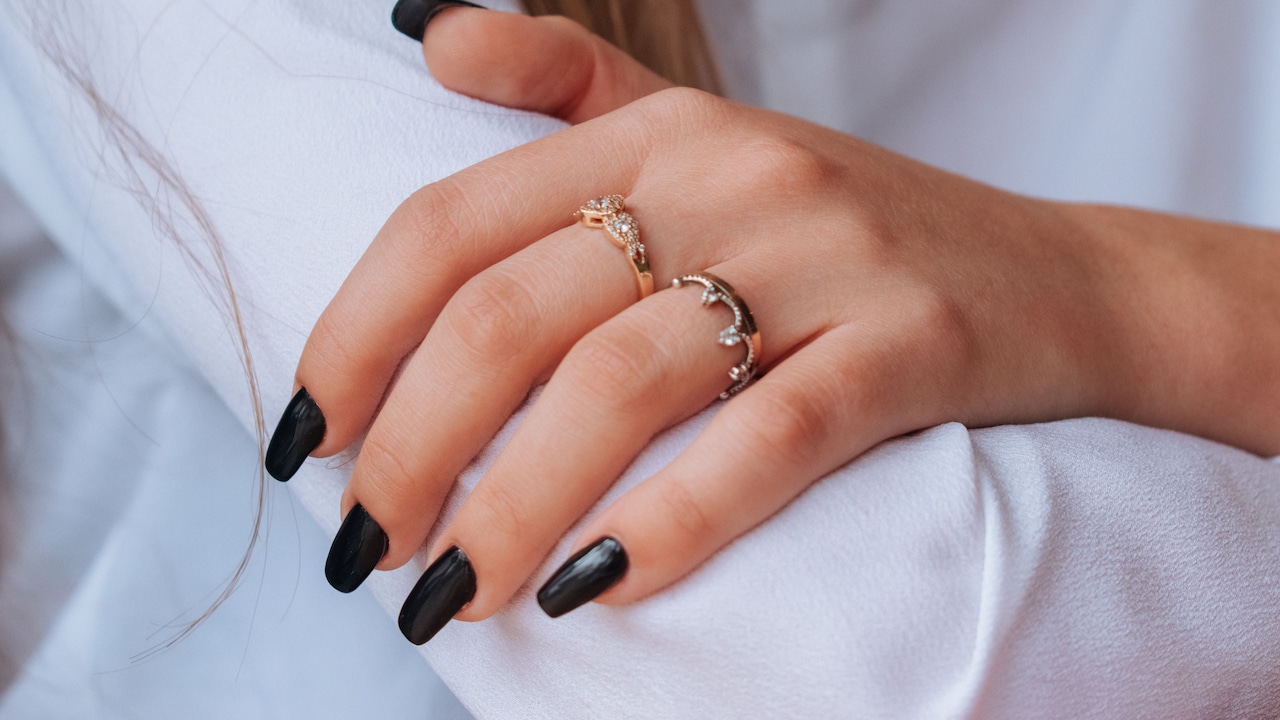
Why Adjustable Rings Become Loose Faster Than Expected
An adjustable ring solves a surprisingly common jewellery problem. Fingers aren't always the same size, standard ring sizes don't suit everyone, and buying a gift becomes easier when the band can open or close slightly. At first, the design feels wonderfully convenient. A small squeeze creates a snug fit, and a gentle pull makes room when fingers swell on a humid afternoon. Then, after a few weeks or months, something changes. The ring starts rotating around the finger. The decorative centre slips sideways. A gap that once stayed neatly underneath the finger appears wider. Soon, the ring that once felt secure needs another squeeze every time it goes on. This doesn't necessarily mean the ring was badly made. Adjustable jewellery sets face a different type of wear from closed bands because movement forms part of its design. How often the ring gets resized, the metal used, its thickness, and even everyday habits can influence how quickly it loses tension. Understanding those small stresses can help explain why some adjustable rings stay comfortable for years while others become noticeably loose within a season.
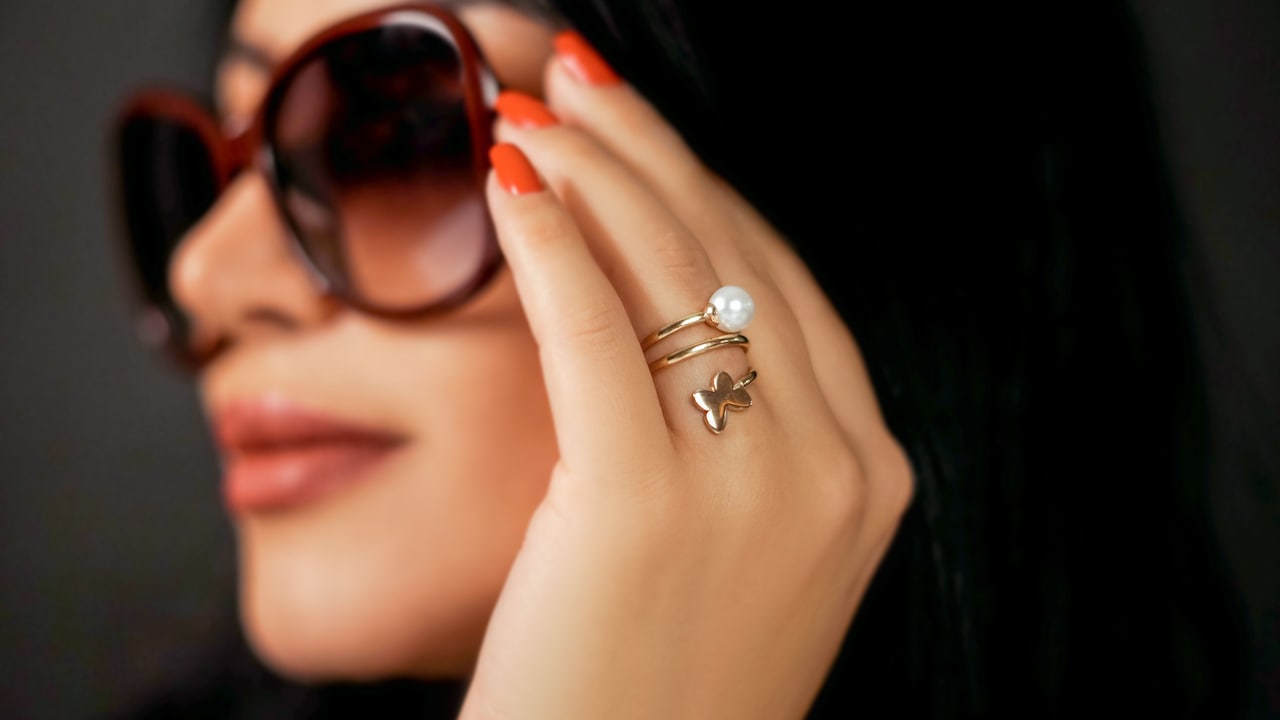
Why Adjustable Rings Become Loose Faster Than Expected; Photo Credit: Pexels
10 Reasons Adjustable Rings Lose Their Fit Over Time
1. Constant Resizing Gradually Weakens The Band
The biggest advantage of an adjustable ring can also become its main weakness. Every time the band opens and closes, the metal bends at roughly the same points. One adjustment won't usually cause trouble. Repeating the movement dozens or hundreds of times is another story.
Think of gently bending a paper clip back and forth. Jewellery metals behave differently, of course, but the principle of repeated stress still matters. The band may slowly lose some of the springiness that once helped it hold a particular shape.
This often happens when people widen a ring before putting it on and squeeze it tight again once it reaches the finger. Doing that every day creates far more movement than simply finding a comfortable setting and leaving it there.
Finger size can change naturally through the day, especially during warm weather, exercise or travel. Small fluctuations don't always require another adjustment. If the ring still feels comfortable and secure, leaving the band alone usually places less strain on it.
Treat adjustability as a fitting feature rather than a daily opening-and-closing mechanism. That simple habit can make a noticeable difference.
Also Read: 5 Best Adjustable Rings That Look Expensive: Budget-Friendly Picks for Everyday Style
2. Thin Bands Bend More Easily During Everyday Wear
A delicate adjustable ring can look elegant precisely because very little metal surrounds the finger. Unfortunately, that slender construction also gives the band less resistance against bending.
Thin rings can change shape during completely ordinary moments. Carrying shopping bags, gripping a steering wheel, opening a stubborn jar or reaching into a packed handbag may put pressure against the underside of the ring. You might not notice anything immediately. Over time, however, those tiny bends can widen the opening.
This becomes especially noticeable with open rings that have decorative ends. If one end catches against fabric or another object, even a slight outward tug can alter the fit.
A heavier-looking ring isn't automatically stronger, either. What matters is how much structural support surrounds the adjustable section. Very narrow sections tend to flex more easily.
That doesn't mean delicate adjustable rings should remain locked away for special occasions. They simply need gentler handling. Removing them before housework, gym sessions or tasks involving firm gripping can prevent a surprising amount of accidental reshaping.
If a favourite ring repeatedly becomes loose despite careful adjustment, the band may simply be too fine for heavy everyday use.
3. Soft Metals Can Lose Their Shape Quicker
Not every metal reacts to pressure in the same way. Some jewellery materials bend relatively easily, which makes them particularly suitable for adjustable designs. The catch is that easy adjustment can also mean easier accidental movement.
A softer band may feel convenient when first fitted because it doesn't require much force. Yet the same flexibility allows everyday pressure to push it gradually outward. A ring squeezed between the finger and a heavy object, for instance, may open slightly without producing an obvious kink.
Metal composition matters too. Two rings that look almost identical can behave very differently because their underlying materials aren't the same. Plating can change the appearance of a piece, but it doesn't necessarily determine how rigid the structure underneath will feel.
This explains why judging durability purely by colour can be misleading. A gold-toned ring, for example, may use a completely different base metal from another gold-toned design sitting beside it.
When choosing an adjustable ring for frequent wear, pay attention to the construction rather than appearance alone. A band that feels excessively easy to bend in your fingers may require more careful treatment.
Flexibility should allow fitting. It shouldn't make the ring feel as though it changes shape whenever you touch it.
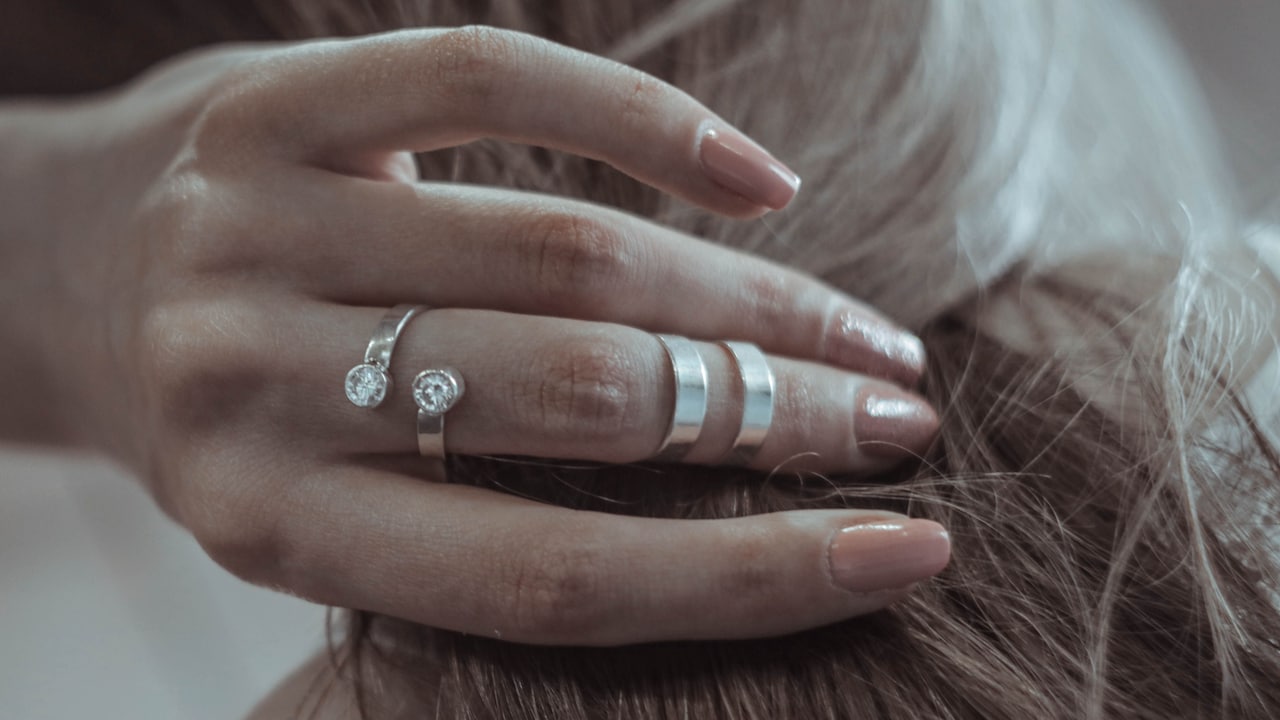
Why Adjustable Rings Become Loose Faster Than Expected; Photo Credit: Pexels
4. Opening The Ring Too Far Can Permanently Alter Its Fit
Adjustable doesn't always mean infinitely adjustable.
Most open rings can accommodate a certain range of finger sizes. Stretching the band significantly beyond that range may change its curve instead of simply enlarging the opening. Once that happens, squeezing the ends together again might not restore the original shape perfectly.
The problem often appears when a ring gets moved between fingers. Perhaps it normally sits on the ring finger but occasionally gets worn on the index finger. If the size difference is substantial, the band goes through a much larger adjustment than its design comfortably allows.
You may then notice that the ring no longer hugs the finger evenly. The front may sit properly while the underside appears flattened or the open ends stick out at different angles.
Rather than forcing one adjustable ring to fit several dramatically different finger sizes, choose the finger where you expect to wear it most frequently. Set the band comfortably around that finger and make only small corrections afterwards.
If considerable force is necessary to enlarge the ring, that's usually a sign that the adjustment has gone beyond a gentle fitting change. Pushing further risks turning a flexible design into a permanently distorted one.
5. Pulling The Ring Open To Remove It Adds Unnecessary Stress
A tight ring can create a moment of panic when it refuses to slide past the knuckle. With an adjustable design, the obvious solution seems simple: pull the ends apart and take it off.
Doing this regularly can gradually train the ring into a wider position.
The better approach is to remove the ring much like a standard band. Twist it gently while sliding it over the knuckle instead of widening it every time. A little soap or moisturiser can help if swelling makes removal unusually difficult, although jewellery should be dried properly afterwards.
The habit becomes particularly important at the end of a long, hot day. Fingers often feel slightly fuller, so a ring that slipped on easily that morning may suddenly seem stubborn. Opening the band might provide immediate relief, but repeated stretching eventually affects its grip.
Choosing a slightly more comfortable setting from the beginning may work better than constantly alternating between very tight and very loose positions.
An adjustable ring should accommodate natural variation, not require rebuilding each evening. Once you've found a fit that remains comfortable through most of the day, keeping the band close to that setting helps preserve its shape.
6. Gripping Heavy Objects Can Push The Band Outwards
Some of the biggest stresses on rings come from activities that don't look particularly rough.
Consider carrying several grocery bags in one hand. Their handles press directly against the fingers. Holding heavy luggage, lifting water bottles, moving furniture or gripping gym equipment creates similar pressure. An adjustable ring caught between the finger and the object may absorb part of that force.
Depending on where the open section sits, the pressure can either squeeze the ring inward or push its ends farther apart. Repeated often enough, the band may gradually settle into the wider position.
This explains why a ring can seem loose even when you rarely adjust it intentionally. Your daily routine may be adjusting it for you.
Removing rings before tasks that require strong gripping is one of the easiest preventative habits. It also protects decorative stones, plating and raised settings from scratches and knocks.
Keep a small jewellery pouch in a handbag or work drawer rather than dropping rings loosely into a pocket. That way, taking one off before carrying heavy parcels doesn't create another problem.
Jewellery designed for everyday wear still benefits from knowing when everyday life becomes a little too physical.
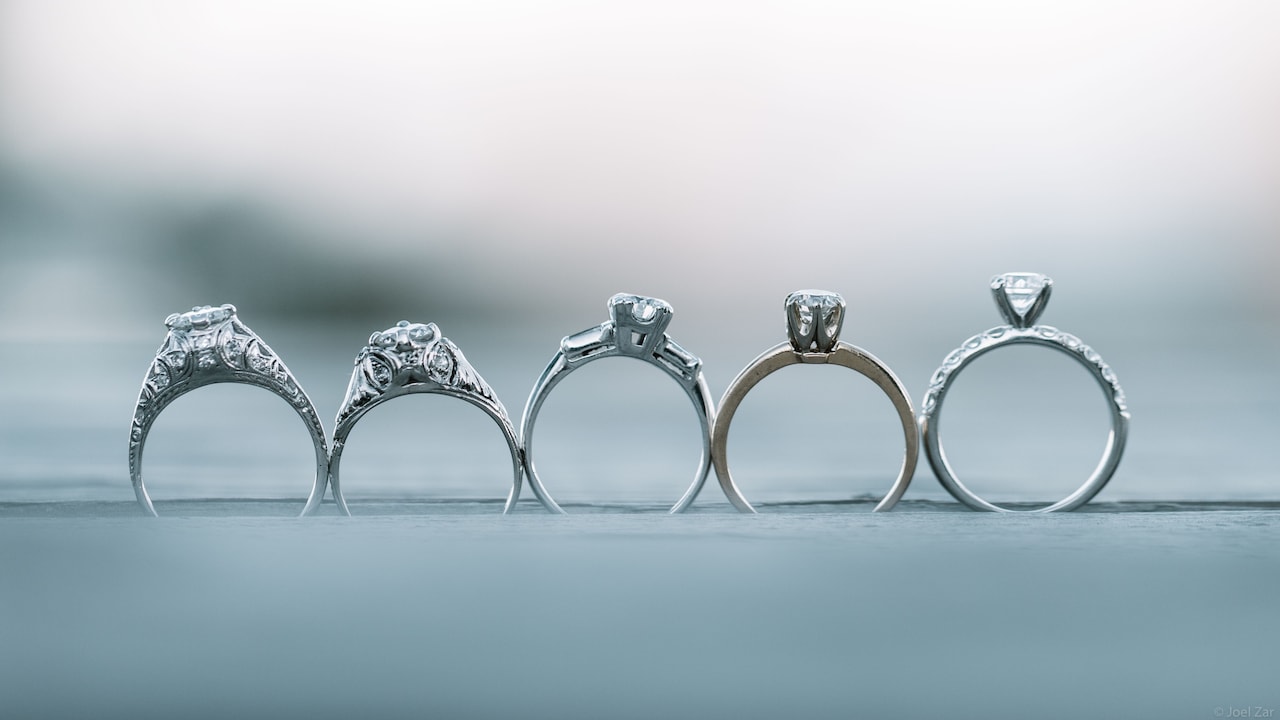
Why Adjustable Rings Become Loose Faster Than Expected; Photo Credit: Pexels
7. The Ring May Be Adjusted Unevenly
When an adjustable ring feels loose, the natural response is to pinch the two ends together. The problem is that uneven pressure can alter the circular shape of the band.
One side may bend more than the other. The underside can flatten. Decorative ends might stop lining up. Eventually, the ring may feel loose even though the visible gap looks smaller because the band no longer follows the natural curve of the finger.
Gentle, balanced pressure works better. Instead of pushing only the decorative ends, support the band and make a small, controlled adjustment from both sides. Avoid creating sharp bends at one particular point.
This matters even more when a design includes stones, enamel, intricate motifs or soldered elements near the opening. Force applied in the wrong place can affect more than the fit.
If the ring has become noticeably misshapen, repeatedly squeezing it at home may make matters worse. A jeweller can often reshape suitable pieces more evenly using proper tools.
The goal isn't merely to reduce the size of the opening. The whole band should retain a smooth curve. A rounder ring usually distributes pressure more evenly and sits more securely on the finger.
8. Catching The Ring On Clothes Can Slowly Widen It
A loose thread, knitted jumper or handbag lining doesn't look threatening to jewellery. Yet adjustable rings are particularly good at catching things.
The open ends can hook into fabric, especially when the design includes points, leaves, claws or raised decorative elements. Pulling the hand away may tug one side of the ring outward. Usually, the movement feels too minor to worry about. Repeat it often enough and the opening can gradually widen.
Winter clothing can make the issue more obvious. Sleeves, shawls and thicker fabrics create plenty of opportunities for protruding ring ends to snag. Even reaching repeatedly into a tightly packed bag can produce similar little pulls.
If a ring regularly catches on clothing, check how the opening sits underneath the finger. Sometimes a tiny adjustment in alignment reduces snagging without making the ring tighter.
Take particular care while changing clothes. Removing rings before pulling on fitted sleeves, jumpers or delicate fabrics protects both the jewellery and the garment.
Those momentary tugs might seem harmless, but adjustable jewellery remembers repeated pressure. A ring rarely becomes dramatically loose from one sleeve. It often happens through dozens of tiny incidents that barely register at the time.
9. Stacking Rings Can Place Sideways Pressure On The Band
Ring stacking looks effortless, but several bands sharing one finger constantly press and rub against each other.
A sturdy closed ring beside a thinner adjustable one can gradually push against its edges. Each time the hand bends, the rings shift slightly. That sideways movement may encourage an open band to spread, twist or lose its neat circular shape.
The effect becomes stronger when rings have very different widths or raised decorative details. A heavier neighbouring band may repeatedly knock against the adjustable ring during typing, commuting or everyday hand movements.
Spacing can help. Instead of squeezing several rings tightly together, leave the adjustable design enough room to sit naturally. Wearing it on a separate finger may make more sense when the neighbouring jewellery feels substantially heavier.
Also pay attention to rotation. If the adjustable opening keeps moving towards the side of the finger, another ring may be pushing it out of position rather than the band simply being too large.
Stacking remains a fun way to change a jewellery look without buying completely new pieces. Just remember that rings interact physically, not only visually. A delicate adjustable band sometimes fares better when it gets a little personal space.
10. A Loose Ring May Actually Reflect Changes In Your Finger Size
Sometimes the ring hasn't changed nearly as much as it seems.
Finger circumference naturally varies with temperature, hydration, activity and time of day. Hands can feel fuller during hot weather and slimmer in cooler conditions. A ring adjusted during a particularly warm afternoon may therefore feel surprisingly loose the next morning.
Weight changes can also affect ring fit over longer periods. Even modest changes may become noticeable around the fingers, especially with rings that were already adjusted close to the edge of their comfortable range.
This creates a temptation to squeeze the band every time its fit changes. Soon, the ring goes through unnecessary adjustments in response to normal fluctuations rather than permanent sizing changes.
Before tightening an adjustable ring, wear it at different times for a day or two. If it only feels loose occasionally, another adjustment may not be necessary.
A ring should stay secure without leaving deep marks or feeling restrictive. If the fit varies dramatically, consider which finger provides the most consistent comfort.
Sometimes protecting an adjustable ring from excessive bending starts with recognising a simple truth: not every change in fit comes from the jewellery itself.
Products Related To This Article
1. Clara 925 Sterling Silver Franco Adjustable Ring
2. GIVA 925 Silver Anushka Sharma Zircon Leaf Ring
3. Peach Blossom Ring
4. Clara 925 Silver Jino Pink Solitaire Pendant Earrings Chain Ring
5. MEENAZ Couple Finger Ring Combo for women girls
6. Fashion Frill Delicate Hug Silver Ring For Women
7. Heer Collection Cubic Zirconia Adjustable Golden Lotus Design Ring
Adjustable rings make jewellery more forgiving, but that flexibility needs a little restraint. Frequent resizing, thin bands, soft metals, heavy gripping, snagging and uneven pressure can all widen the fit faster than expected.
The simplest solution is often to adjust the ring once, wear it gently and resist the urge to reshape it for every small change in finger size. Remove it before rough tasks, avoid stretching it across dramatically different fingers and watch for early signs of distortion.
A ring that starts rotating or widening doesn't always need replacing. Sometimes a careful adjustment, or professional reshaping when necessary, can bring it back into comfortable use. Treat the adjustable gap as a fitting feature rather than a hinge, and the ring has a much better chance of staying snug for longer.
(Disclaimer: This article may include references to or features of products and services made available through affiliate marketing campaigns. NDTV Convergence Limited (“NDTV”) strives to maintain editorial independence while participating in such campaigns. NDTV does not assume responsibility for the performance or claims of any featured products or services.)