Bhringraj, Amla, Shikakai And More: Should You Be Using Herbal Powders For Your Hair Mask?
Explore benefits of bhringraj, amla, shikakai powders. Do herbal hair masks really work? Here's how to use Khadi India powders.
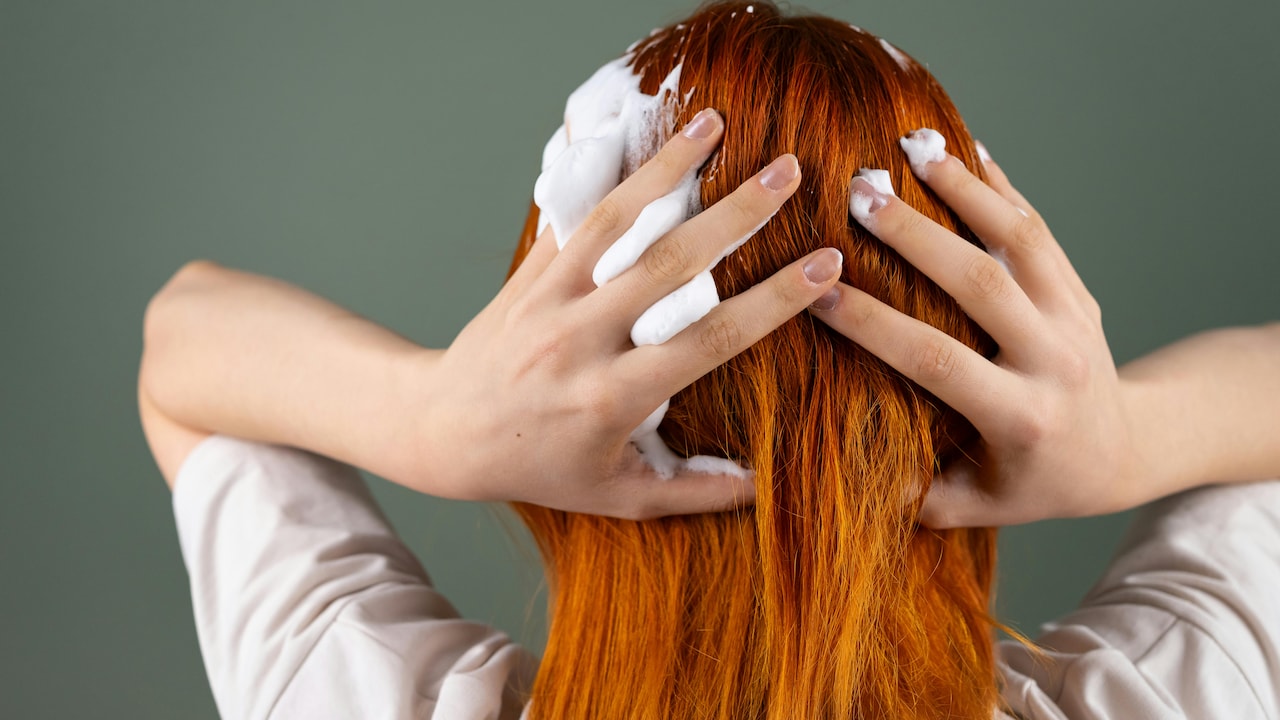
Herbal hair powders are gaining popularity as people shift towards natural beauty routines.
With trending haircare solutions giving continuous dissapointing results, there is a shift happening in bathrooms and beauty cabinets. Shelves once dominated by Shark Tank brands and beauty influencer-approved chemical serums are now making space for something far more nostalgic, earthy powders stored in simple tins and pouches. From bhringraj to amla and shikakai, natural ingredient powders, particularly those popularised by brands like Khadi India, are witnessing a revival that feels both deliberate and deeply rooted in tradition.
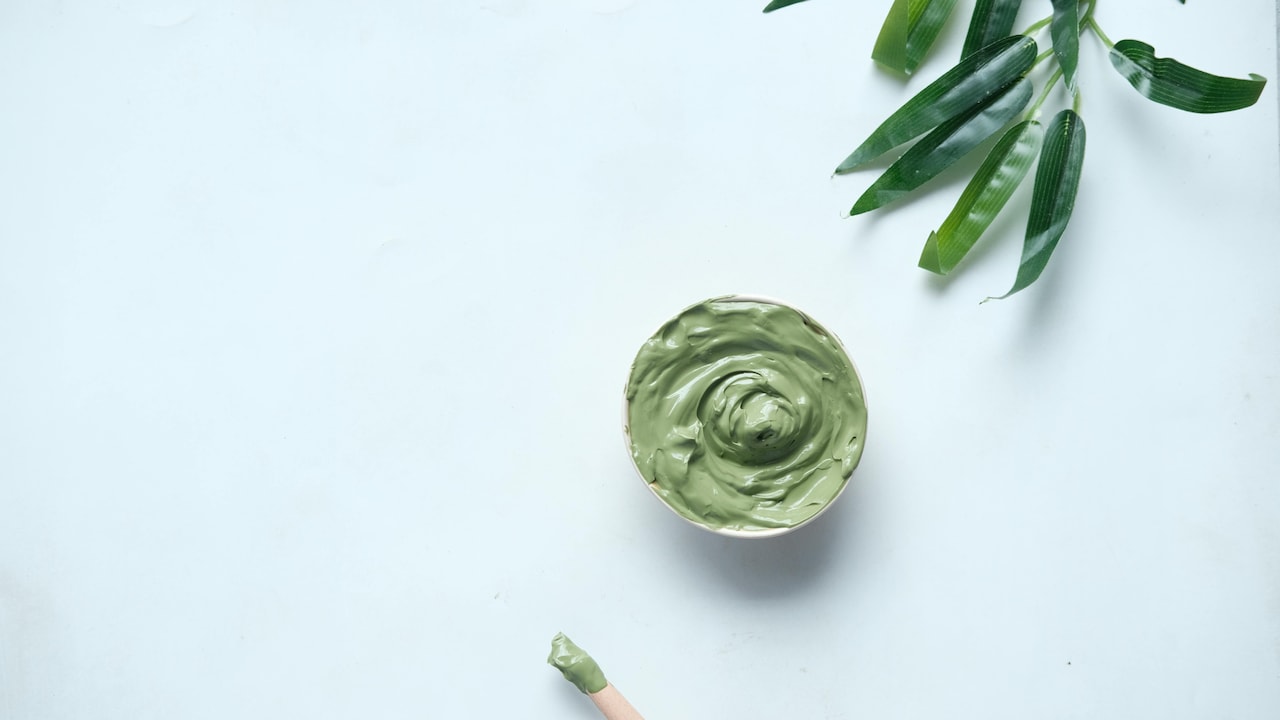
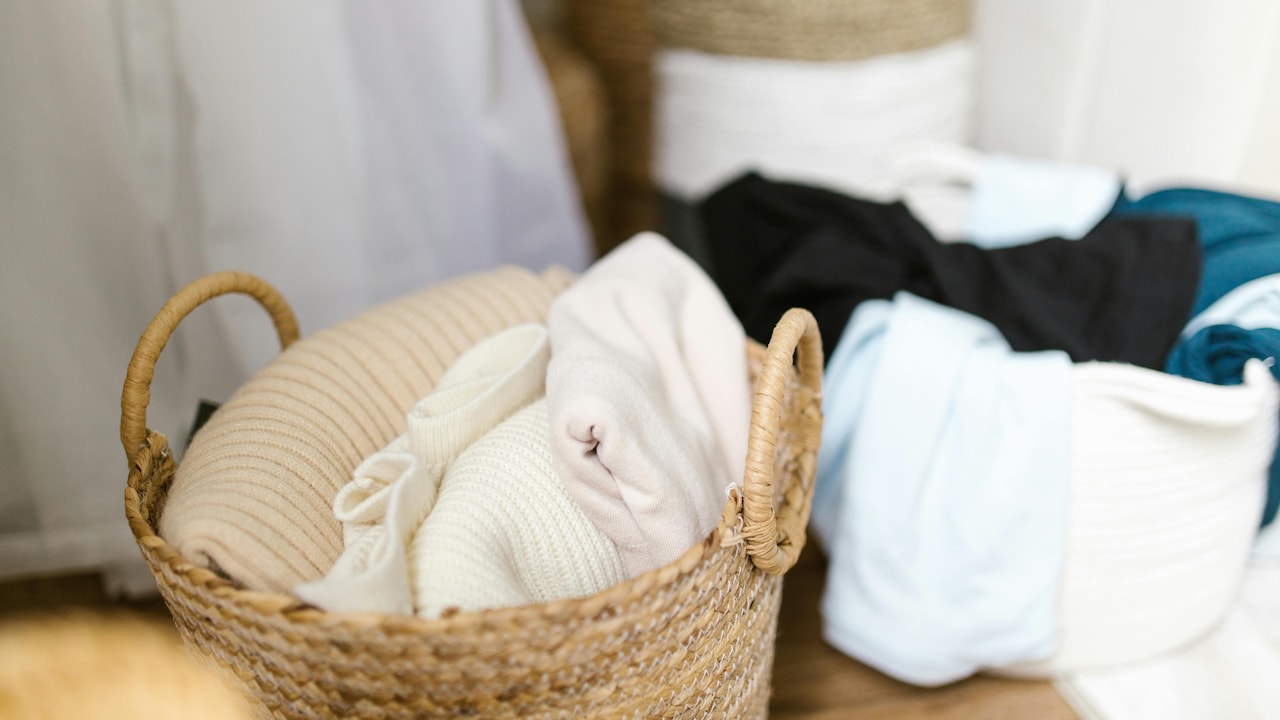
These powders work gradually, improving scalp health and hair strength with consistent use.
Photo Credit: Pexels
Fuelled by growing awareness around ingredient transparency and a collective fatigue with over-processed products, more people are turning to age-old remedies that promise gentler, long-term care. But beyond the aesthetic appeal of these “back to basics” solutions lies a critical question: do these powders genuinely live up to the hype, or are we merely romanticising tradition?
Herbal Hair Care
The renewed interest in herbal powders is not entirely surprising. Over the past decade, wellness trends have increasingly leaned into "clean", "natural", and "organic" labels. For many, this shift is less about rejecting modern science and more about rediscovering practices that have long been part of Indian households.
The brand in particular that has emerged as a significant player in this space is Khadi India. Known for promoting traditional Ayurvedic formulations, the brand offers a range of ingredient powders designed for DIY hair masks. These products are often free from synthetic preservatives, fragrances, and sulphates, qualities that appeal to consumers seeking simplicity and authenticity.
However, while the idea of mixing your own hair mask sounds wholesome, it also requires a better understanding of what each ingredient actually does.
Breaking Down the Key Powders
1. Bhringraj Powder
Often referred to as the ‘king of herbs' for hair care, bhringraj has long been associated with hair growth and scalp health. Rich in nutrients and believed to improve blood circulation on the scalp, it is commonly used to reduce hair fall and premature greying.
As a powder, it is typically mixed with water, aloe vera gel, or even curd to form a paste. When applied as a mask, it works to nourish the scalp while strengthening hair strands from the roots.
2. Amla Powder
Amla, or Indian gooseberry, is perhaps one of the most widely recognised natural ingredients in hair care. Packed with vitamin C and antioxidants, amla powder helps improve scalp health, adds shine, and may contribute to stronger hair over time.
It is often paired with bhringraj or henna to enhance its benefits. Users frequently report that regular use results in smoother, more manageable hair, though consistency is key.
3. Shikakai Powder
Unlike bhringraj and amla, which focus on nourishment, shikakai acts as a natural cleanser. Known for its mild, low-pH properties, it gently removes dirt and excess oil without stripping the scalp of its natural moisture.
Shikakai powder can be used as a hair wash in itself or added to a mask for a dual cleansing and conditioning effect. It is particularly favoured by those with sensitive scalps.
4. Reetha Powder (Soapnut)
Reetha is another natural cleanser often used alongside shikakai. It produces a light lather and helps cleanse the scalp thoroughly, making it a popular choice for those looking to avoid chemical shampoos altogether.
5. Henna Powder
Although primarily known for its colouring properties, henna also acts as a conditioning agent. It coats the hair shaft, adding volume and a natural sheen. However, its drying nature means it is often blended with moisturising ingredients like amla or methi (fenugreek).
Do These Powders Actually Work?
The effectiveness of herbal powders largely depends on expectations. Unlike commercial products that promise overnight transformation, natural ingredients work slowly, often requiring weeks or even months of consistent use.
From a dermatological standpoint, many of these ingredients do offer genuine benefits. Amla's antioxidant properties and shikakai's gentle cleansing action are all well-documented. However, it is important to note that these powders are not miracle cures.
Hair fall due to hormonal imbalances, severe dandruff conditions, or genetic hair loss will not be resolved by herbal masks alone. In such cases, they may serve as supportive care rather than primary treatment.
How To Use Khadi India Powders as a Hair Mask
The versatility of these powders allows for multiple combinations, depending on your hair concerns. Here is a simple, effective base method:
Basic Nourishing Hair Mask
- 2 tablespoons bhringraj powder
- 2 tablespoons amla powder
- 1 tablespoon shikakai powder
- Enough water or curd to form a smooth paste
Mix the powders in a bowl and gradually add liquid until you achieve a yoghurt-like consistency. Apply evenly to the scalp and hair, ensuring full coverage. Leave it on for 20 to 30 minutes before rinsing thoroughly with lukewarm water.
For added nourishment, you can include ingredients such as:
- A spoonful of coconut oil for dryness
- Aloe vera gel for soothing the scalp
- Fenugreek powder for additional conditioning
It is advisable to use such masks once a week rather than more frequently, as overuse can sometimes lead to dryness.
Things To Keep In Mind
While herbal powders are generally considered safe, they are not entirely without drawbacks.
- Time and Effort: Preparing and applying these masks requires significantly more time compared to using ready-made products.
- Texture and Residue: Some powders can be gritty, making them difficult to rinse out, especially for those with thick or curly hair.
- Inconsistent Results: The outcome can vary based on individual hair type, water quality, and consistency of use.
- Patch Testing: Even natural ingredients can cause allergic reactions, making patch testing essential.
So, should you use these natural ingredient powders? The answer, unsurprisingly, is not entirely straightforward.
For those willing to invest time and embrace a more patient, ritualistic approach to hair care, herbal powders from brands like Khadi India can be a rewarding addition. They align well with a holistic lifestyle and offer a sense of control over what goes into your routine.
However, they are not a one-size-fits-all solution. Modern hair concerns, often influenced by pollution, stress, and lifestyle factors, may require a more balanced approach that combines both traditional remedies and scientifically formulated products.
Perhaps the appeal of these powders lies not just in their effectiveness, but in what they represent, a return to slower, more mindful self-care in a world that rarely pauses. And in that sense, even if the results take time, the process itself might just be worth it.
Frequently Asked Questions (FAQs)
1. Do bhringraj and amla powders really help with hair growth?
Bhringraj and amla are known to support scalp health and strengthen hair roots. While they may not cause instant hair growth, consistent use can reduce hair fall and improve overall hair quality.
2. How often should I use herbal hair powder masks?
Using a herbal hair mask once a week is usually enough. Overuse, especially of cleansing powders like shikakai or reetha, can make hair feel dry.
3. Can shikakai powder replace shampoo?
Yes, shikakai acts as a mild natural cleanser and can replace shampoo for some users. However, it may not remove heavy oiling or product buildup completely.
4. Are Khadi India hair powders safe for all hair types?
Most powders are suitable for all hair types, but results vary. People with very dry or chemically treated hair should mix them with hydrating ingredients like curd or aloe vera.
5. Do herbal powders have any side effects?
They are generally safe, but can cause dryness or mild irritation in some cases. A patch test is recommended before full application.
(Disclaimer: This article may include references to or features of products and services made available through affiliate marketing campaigns. NDTV Convergence Limited (“NDTV”) strives to maintain editorial independence while participating in such campaigns. NDTV does not assume responsibility for the performance or claims of any featured products or services.)