The Hidden Problem With Foldable Wardrobes In Humid Weather: What To Pick Instead
Foldable wardrobes trap moisture, attract mould and leave clothes smelling damp during humid weather. This is why they fail during monsoon season, and which storage options work far better instead.
Why Foldable Wardrobes Fail During Monsoon: And What To Buy Instead
A foldable wardrobe often enters a home with big promises. The online photos look neat and stylish. The price feels manageable, especially when solid wood cupboards cost anywhere between ₹15,000 and ₹60,000. Delivery happens quickly, assembly takes less than an hour, and suddenly the bedroom appears organised. For students, tenants, newly married couples, or anyone moving cities often, it feels like the perfect solution. Then the rains arrive.
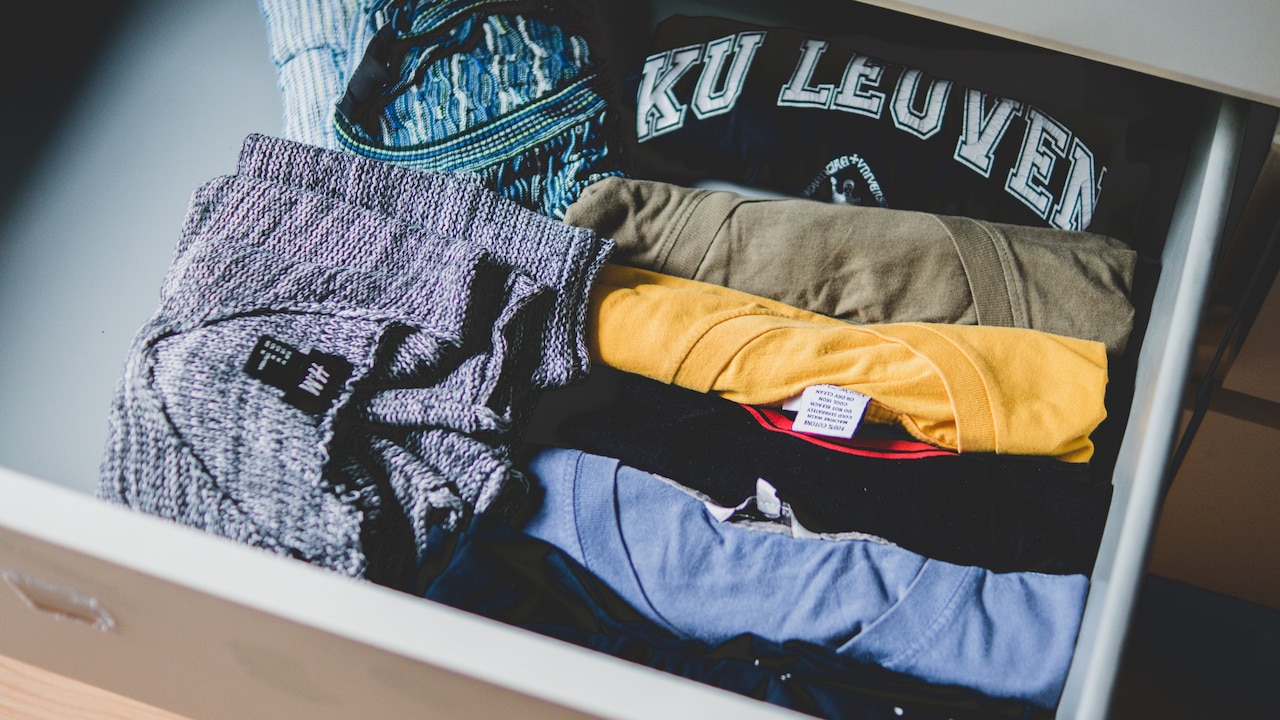
The Hidden Problem With Foldable Wardrobes In Humid Weather: What To Pick Instead
Photo Credit: Pexels
At first, the signs appear harmless. The wardrobe cover smells slightly damp. A shelf bends in the middle. Clothes no longer feel crisp after washing. Then comes the real frustration. Favourite shirts develop tiny black spots. Bags smell musty. Metal rods gather rust near the joints. Zips stop cooperating. Before long, the “budget-friendly” wardrobe starts demanding replacements, repairs, and endless cleaning sessions.
Humidity changes how furniture behaves. Unfortunately, foldable wardrobes rarely handle moisture well. Their materials often trap dampness instead of resisting it. In smaller flats with limited ventilation, the problem becomes even worse. Many households discover this only after an entire monsoon season leaves clothes smelling like forgotten storage trunks.
Still, abandoning foldable wardrobes does not mean spending a fortune on luxury furniture. Plenty of practical alternatives work far better in humid weather without swallowing half the room. The trick lies in understanding what goes wrong and choosing materials designed to survive moisture, heat, and daily use.
The Smarter Alternatives Worth Considering
Why Fabric Covers Become Moisture Magnets
The biggest issue with foldable wardrobes starts with the fabric covering. Most models use synthetic cloth stretched over a lightweight frame. While the material blocks dust, it also traps humidity inside. During monsoon months, the air already carries excess moisture. Once damp air enters the wardrobe, it struggles to escape.
This creates the perfect breeding ground for mildew. Clothes begin absorbing the trapped smell within days. Dark corners inside the wardrobe often develop tiny patches of mould, especially near folded jeans, bedsheets, and winterwear. Cotton garments suffer the most because they absorb moisture quickly.
Many households attempt quick fixes. Small camphor packets, newspaper lining, or room fresheners appear inside shelves. Sadly, these solutions only mask the problem for a short time. The trapped humidity remains.
Bedrooms without cross-ventilation worsen the situation dramatically. In many city apartments, windows stay shut during heavy rain, leaving the room sticky and warm. Foldable wardrobes simply cannot breathe in such conditions.
The irony feels painful. Something purchased to protect clothes slowly damages them instead. Nobody expects freshly washed kurtas to smell damp after two days indoors. Yet this remains one of the most common complaints surrounding foldable storage.
Weak Frames Struggle During Humid Months
Foldable wardrobes rely heavily on lightweight pipes and connectors. Most frames use hollow steel tubes or plastic joints to keep costs low. These materials may survive dry weather reasonably well, but moisture exposes their weaknesses quickly.
Metal rods often begin rusting around connection points. The process starts subtly. Tiny orange spots appear near screws or bends. Then the shelves start wobbling. Once rust spreads, the frame loses strength rapidly. Plastic connectors fare no better. Humidity and temperature fluctuations make them brittle over time.
Heavy clothes add another layer of stress. Monsoon wardrobes typically contain damp towels, thicker clothing, and laundry waiting to dry properly. The added weight pushes weak shelves downward. Many foldable wardrobes eventually develop a sad, leaning posture, like exhausted furniture begging for retirement.
The trouble becomes especially frustrating during house cleaning. Shifting the wardrobe slightly may loosen a connector or bend a pipe. Suddenly, a simple rearrangement turns into a mini engineering project involving tape, spare rods, and silent regret.
Solid storage units avoid these problems because sturdier materials resist warping better. Even engineered wood handles moisture more reliably when treated properly. Foldable structures simply prioritise portability over durability, and humid weather exposes that compromise mercilessly.
Clothes Rarely Stay Fresh Inside Foldable Storage
Fresh-smelling clothes can change the mood instantly. Unfortunately, foldable wardrobes often rob garments of that clean feeling. Even after careful washing and drying, clothes stored inside tend to develop a stale scent surprisingly fast.
Humidity plays the villain here once again. The enclosed fabric structure traps warm air and moisture together. This creates an environment where odours linger instead of disappearing. Synthetic clothing suffers particularly badly because polyester and blended fabrics hold onto smells longer.
During monsoon months, laundry already takes extra time to dry fully. Slightly damp clothes entering a foldable wardrobe make the entire space smell unpleasant within hours. Soon, even completely dry garments absorb the odour.
This becomes deeply annoying before office meetings, weddings, or festive gatherings. Nobody wants to iron a shirt only to discover it smells like wet cardboard. Air fresheners help briefly, but they often mix with dampness to create an even stranger scent.
Traditional wardrobes with proper ventilation gaps reduce this issue significantly. Wooden or engineered cabinets allow better airflow while shielding clothes from excess humidity. Open shelving systems also work surprisingly well in smaller homes because air circulates freely around garments.
A wardrobe should protect clothing and maintain freshness. When storage itself becomes the source of unpleasant smells, frustration naturally follows.
The Mould Problem Nobody Mentions Early Enough
Furniture advertisements rarely discuss mould. Yet anyone living through a heavy monsoon knows how aggressively it appears. Foldable wardrobes often become silent mould factories because their design encourages trapped moisture and darkness.
The scary part lies in how quietly mould spreads. At first, tiny black dots appear on rarely used clothes. Then bags, belts, and shoes start showing white patches. Leather items suffer terribly in such environments. Some pieces never fully recover even after cleaning.
Health concerns also enter the picture. Mould spores can trigger allergies, sneezing, headaches, and breathing discomfort. Children and older family members feel the effects more strongly. Bedrooms should feel restful, not like damp storage rooms behind an old shop.
Cleaning mould from foldable wardrobes becomes exhausting because fabric covers absorb spores deeply. Wiping surfaces rarely solves the issue permanently. Once moisture returns, the patches usually reappear.
Many households discover the problem only while unpacking festive clothes or winter blankets after months of storage. Nothing ruins excitement faster than finding mould stains on favourite outfits before a family function.
Better storage options use moisture-resistant finishes and improved airflow. Some wardrobes even include ventilated back panels specifically designed for humid climates. These details matter far more than flashy online discounts or trendy colours.
Cheap Shelving Materials Fail Faster Than Expected
Inside most foldable wardrobes sit thin fabric shelves supported by cardboard or flimsy boards. Initially, they appear adequate for everyday storage. Over time, humidity reveals its true limits.
Cardboard absorbs moisture from the air almost immediately. Once dampness enters the material, shelves begin sagging in the middle. Folded clothes slide downward, creating messy piles instead of neat stacks. Heavier items like jeans or blankets worsen the problem quickly.
Some wardrobes use fibreboard inserts instead. While slightly stronger, they still struggle against continuous humidity exposure. Edges swell, surfaces warp, and support weakens steadily. Eventually, shelves resemble soft hammocks rather than storage platforms.
This creates endless inconvenience. Clothes require constant rearranging. Items disappear into collapsed corners. Organising the wardrobe becomes a weekly chore instead of a quick task.
The emotional irritation deserves attention, too. Nobody enjoys watching newly purchased furniture lose shape within a single season. Spending ₹2,500 or ₹4,000 on temporary convenience feels wasteful when replacement becomes necessary so soon.
Metal shelving systems or engineered wood units perform far better because they maintain structure under varying weather conditions. Even compact modular cabinets offer stronger support without consuming excessive space.
Good storage should reduce stress, not create daily irritation every time someone reaches for a neatly folded kurta.
Pest Problems Increase In Damp Foldable Wardrobes
Humidity attracts more than mould. It also invites pests. Foldable wardrobes create cosy hiding spaces for insects because the fabric layers and dark corners retain warmth and moisture.
Silverfish, tiny spiders, and even cockroaches often sneak into these wardrobes during rainy months. Clothes stored for longer periods become especially vulnerable. Rarely used sarees, shawls, or festive outfits may carry unpleasant surprises.
The gaps between zips and fabric seams make pest control difficult. Unlike solid wardrobes with sealed panels, foldable units contain multiple tiny openings where insects enter easily. Food crumbs, damp newspapers, or moisture packets accidentally left inside only encourage the problem further.
Mosquitoes also love hiding around these wardrobes in poorly ventilated rooms. During humid evenings, the area behind the wardrobe often becomes a perfect resting spot for them.
Many people underestimate how strongly furniture design affects hygiene. Storage should simplify cleanliness, not complicate it. Constantly spraying insect repellent around clothes feels both unpleasant and unhealthy.
Solid wardrobes with proper sealing dramatically reduce these issues. Elevated storage units also improve cleaning access underneath, preventing hidden dust and dampness from accumulating.
A peaceful bedroom should not involve sudden encounters with silverfish while searching for socks before work.
Portable Convenience Often Comes With Hidden Costs
Foldable wardrobes attract buyers because they seem economical. On paper, the math looks convincing. Why spend ₹20,000 on a cupboard when a foldable option costs under ₹5,000?
The hidden costs appear slowly.
Replacing rusted rods, buying moisture absorbers, cleaning mould stains, repairing collapsed shelves, and occasionally replacing damaged clothes all add up over time. What started as a “smart saving” gradually turns into repeated spending.
There is also the emotional cost of inconvenience. Constantly adjusting shelves or rewashing musty clothes consumes time and patience. During busy mornings, these small frustrations feel surprisingly draining.
Many households end up replacing foldable wardrobes entirely within two or three years. Meanwhile, better-quality modular storage often lasts a decade or longer with minimal maintenance.
Temporary furniture makes sense in certain situations. Students shifting hostels or short-term tenants may genuinely benefit from portability. Yet for long-term use in humid conditions, the compromises become difficult to ignore.
Furniture should provide stability and comfort. Nobody wants storage that behaves like a seasonal experiment every monsoon.
Choosing quality materials initially may feel expensive, but repeated replacements usually cost more in the long run.
Engineered Wood Wardrobes Offer Better Moisture Resistance
For humid weather, engineered wood wardrobes strike a practical balance between affordability and durability. Unlike solid wood, they cost less while still offering stronger protection than foldable units.
Modern engineered boards come with moisture-resistant coatings that handle changing weather far better. Laminated finishes also prevent surfaces from absorbing humidity easily. This keeps the wardrobe structure stable through rainy months.
Ventilation matters too. Many modular wardrobes include small airflow gaps or back panels that reduce trapped moisture. Clothes stay fresher because air circulates more effectively.
Another advantage involves organisation. Stronger shelving supports heavier clothing comfortably without sagging. Drawers glide smoothly even after years of use. Hanging sections remain sturdy under the weight of jackets, sarees, and formal wear.
Design flexibility makes these wardrobes especially appealing for compact homes. Sliding doors save space, while custom shelves adapt to different storage needs. Some models even fit awkward corners beautifully.
Maintenance remains relatively simple as well. A dry cloth and occasional cleaning usually keep the unit in good condition. Unlike foldable wardrobes, there is no fabric absorbing odours or encouraging mould growth.
The upfront investment feels higher, certainly. Yet the long-term convenience often justifies the cost comfortably.
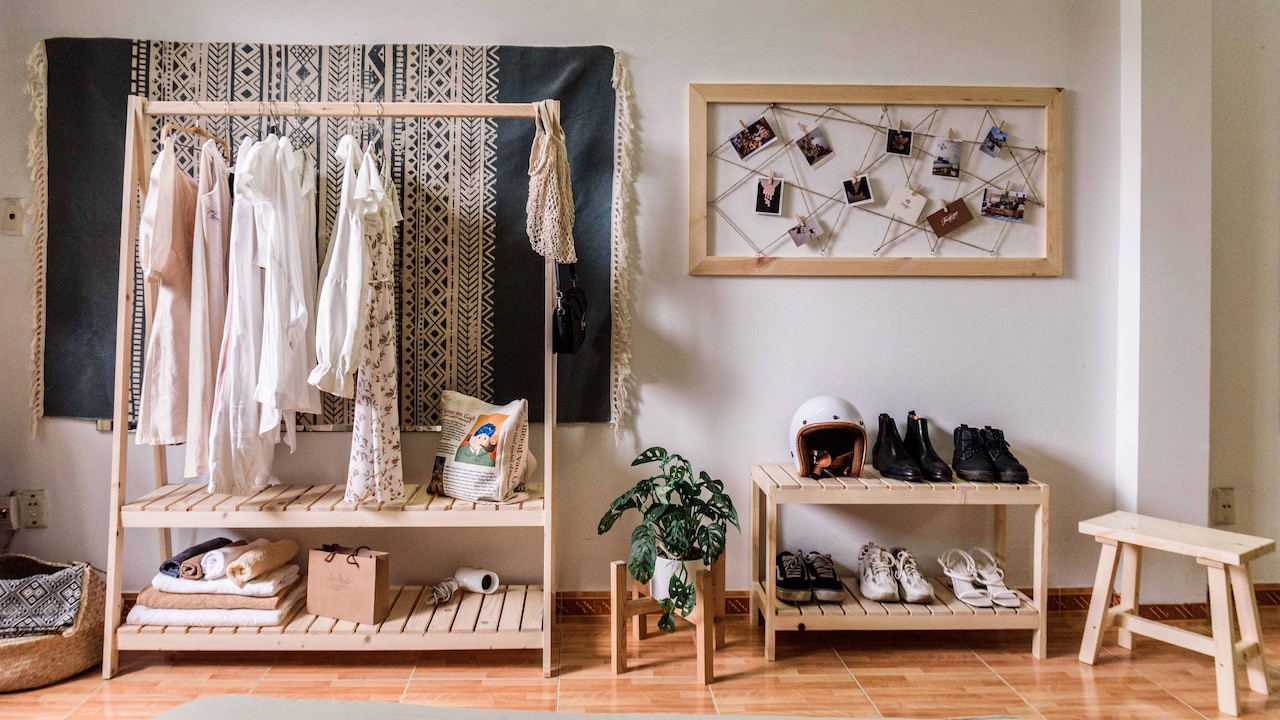
The Hidden Problem With Foldable Wardrobes In Humid Weather: What To Pick Instead
Photo Credit: Pexels
Metal Storage Cabinets Handle Humidity Surprisingly Well
Metal wardrobes rarely receive glamorous attention in furniture discussions. They often carry memories of old offices or school staff rooms. Yet modern metal storage has improved dramatically and works exceptionally well in humid conditions.
Powder-coated steel cabinets resist moisture far better than fabric wardrobes. They do not absorb dampness, develop mould, or sag under weight. Many newer designs also look sleek enough for modern bedrooms.
Another major advantage lies in ventilation. Metal wardrobes usually include air vents that allow circulation while protecting clothes from dust. This significantly reduces stale smells during monsoon months.
Cleaning becomes wonderfully simple, too. A quick wipe removes moisture or dust easily. Pest problems also reduce because insects struggle to nest inside sealed metal compartments.
Security adds another bonus. Lockable doors protect valuables and important documents more reliably than zippered fabric covers ever could.
The stereotype of metal wardrobes feeling cold or unattractive no longer holds true completely. Matte finishes, pastel shades, and slim profiles now blend surprisingly well into contemporary interiors.
For households facing relentless humidity every year, metal storage quietly delivers dependable performance without demanding constant attention.
Sometimes practicality deserves more respect than flashy aesthetics.
Also Read: Midnight Rush Ahead: What Men Should Wishlist Before Amazon Wardrobe Refresh Sale Goes Live
Open Storage Systems Work Better Than Many Expect
Open wardrobes sound risky at first. Many assume exposed clothes gather dust quickly. Yet in humid weather, open storage often performs remarkably well because airflow remains constant.
Simple clothing racks combined with sturdy shelves prevent moisture from getting trapped. Clothes breathe naturally instead of sitting inside enclosed, damp compartments. This dramatically reduces mould and unpleasant odours.
Open systems also encourage regular organisation. Since everything remains visible, clutter becomes harder to ignore. Bedrooms often feel lighter and more spacious as a result.
The style factor helps, too. Well-arranged open storage creates a relaxed, modern look without requiring expensive interiors. Wooden racks, metal frames, and woven baskets add warmth while maintaining practicality.
Of course, discipline matters here. Open storage demands neatness. Random piles of laundry quickly turn the room chaotic. Yet many households find this arrangement surprisingly refreshing once they adapt.
Fabric covers can still play a role selectively. Breathable garment bags protect special clothing without trapping excessive humidity around the entire wardrobe area.
For renters or people avoiding bulky furniture investments, open storage offers flexibility alongside better ventilation. In humid climates, sometimes less enclosure simply works better.
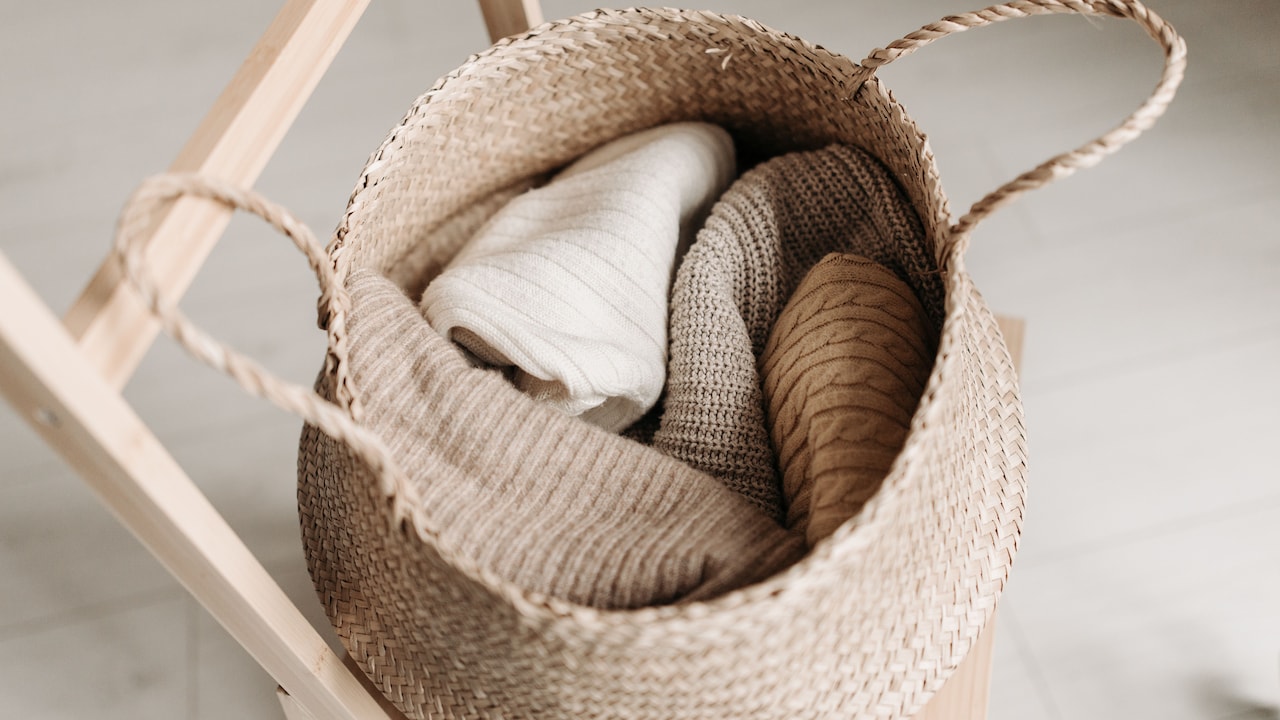
The Hidden Problem With Foldable Wardrobes In Humid Weather: What To Pick Instead
Photo Credit: Pexels
Products Related To This Article
1. URBAN LUXY Foldable Plastic Rack for Storage
2. WOODLAB Furniture Sheesham Wood Wardrobe with 1 Door and 2 Drawers Storage Wooden Multipurpose Almirah
3. CoolLeaf Soft Plastic Cupboard for Bedroom
4. Nilkamal Freedom FMDR2BE Plastic Storage Cabinet with 2 Drawer Clothes Organizer
5. Sunderlook Plastic Wardrobe for Kids Clothes
6. Bniture Wooden Almirah for Clothes, Door for Bedroom
7. Nilkamal Freedom Big FMM Plastic Cabinet
8. 3 Door Wardrobe Frosty White high Glossy and Walnut Finish with Drawer and Locker
Foldable wardrobes promise convenience, affordability, and easy setup. For short-term situations, they certainly serve a purpose. Yet humid weather exposes their weaknesses brutally. Damp smells, mould growth, rusting frames, sagging shelves, and trapped moisture turn everyday storage into an ongoing headache.
The problem rarely appears immediately. That is what makes it frustrating. Many households realise the damage only after clothes lose freshness or expensive garments develop stains during the monsoon season.
Thankfully, better alternatives exist across different budgets. Engineered wood wardrobes balance durability and style beautifully. Metal cabinets deliver reliable protection against humidity. Open storage systems improve airflow naturally while keeping rooms visually lighter.
Good furniture should simplify life quietly in the background. It should protect belongings, survive changing weather, and reduce stress rather than adding to it. Humid weather already tests patience enough without wardrobes joining the chaos.
Choosing the right storage may not sound exciting initially, but anyone who has discovered mould on favourite clothes during a rainy morning understands its importance instantly.
(Disclaimer: This article may include references to or features of products and services made available through affiliate marketing campaigns. NDTV Convergence Limited (“NDTV”) strives to maintain editorial independence while participating in such campaigns. NDTV does not assume responsibility for the performance or claims of any featured products or services.)