Washing Machine Mistakes That Fade Clothes And Leave Detergent Marks
Common washing machine mistakes can fade colours, leave detergent marks and damage fabric. Learn how proper loading, detergent use, wash settings, and machine care can keep clothes cleaner, brighter, and longer-lasting.
Why Clothes Fade And Get Detergent Marks After Washing
The washing machine often becomes the household's most trusted problem-solver. A pile of sweaty T-shirts, office wear, school uniforms and bedsheets goes in, the button gets pressed, and everyone expects clean, fresh clothes to emerge. Most days, that is exactly what happens. Then comes the occasional surprise. A black kurta looks oddly grey. A navy shirt carries pale streaks across the chest. A soft cotton top feels rough enough to polish a steel plate. Detergent marks cling to fabric even though the machine completed its full cycle. The machine is not always the villain. Laundry problems often begin with habits that seem harmless: stuffing in one more towel, adding an extra cap of detergent or washing every garment on the same setting. These shortcuts may save a few minutes, but they can shorten the life of clothes. Understanding what happens inside the drum makes laundry far less mysterious. The following mistakes are among the most common reasons clothes fade, lose shape or come out covered in powdery residue.

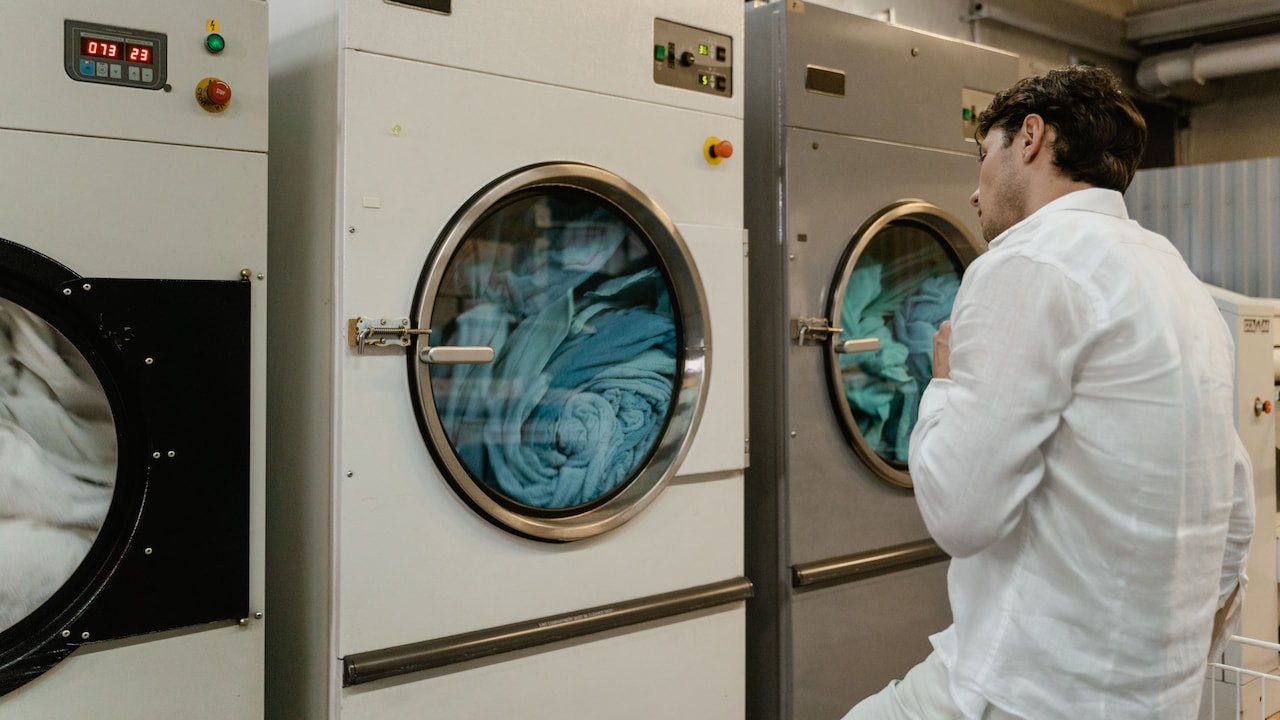
Why Clothes Fade And Get Detergent Marks After Washing; Photo Credit: Pexels
Common Laundry Habits That Damage Clothes
Overloading The Washing Machine
A washing machine drum may look spacious, but that does not mean it should be packed like an overcrowded local train. Clothes need room to move, tumble and rub gently against the water and detergent. When the drum is stuffed to the top, water cannot circulate properly. Detergent gets trapped between folds, dirt remains lodged in fabric, and pale streaks often appear after drying.
Overloading also creates unnecessary friction. Dark shirts, cotton trousers and printed kurtas repeatedly scrape against one another during the cycle. This wears away surface fibres and makes colours look dull. Delicate garments suffer even more because hooks, zips and rough fabrics press against them with every turn.
A simple check can prevent the problem. Once the clothes are inside, there should be enough space to place a hand comfortably above the load. Heavy items such as towels and jeans also need more breathing room than lightweight tops.
Splitting a mountain of laundry into two loads may feel inconvenient. However, it is still cheaper than replacing a favourite outfit that has faded years before its time.
Also Read: 5 Top-Rated Washing Machines Under ₹12000
Using Too Much Detergent
The logic sounds reasonable: more detergent should mean cleaner clothes. Unfortunately, washing machines do not reward enthusiasm. Excess detergent creates thick foam that may not rinse away completely, especially during short or water-saving cycles. The leftover soap settles into fabric and dries as white patches, sticky marks or stiff areas.
Too much detergent can also trap dirt rather than remove it. Dense foam cushions clothes and reduces the gentle rubbing action needed to loosen sweat, dust and body oils. The result may be garments that look washed but still smell slightly stale around collars and underarms.
The correct quantity depends on the load size, water hardness and detergent concentration. Concentrated liquids usually require far less than a full cap. Front-loading machines also need low-foam detergent because they use less water than many top-loading models.
For lightly soiled everyday clothes, begin with the manufacturer's minimum recommended amount. Increase it only when necessary. Detergent should behave like salt in a good dish: enough to do its job, but not so much that it announces itself in every bite—or, in this case, every sleeve.
Pouring Detergent Directly Onto Clothes
Pouring liquid detergent straight onto a dry shirt may seem quicker than using the dispenser. Yet concentrated detergent can sit on one area of fabric before the water spreads through the drum. This creates dark, oily-looking patches on light clothes and pale streaks on darker garments.
Powder detergent causes a similar problem. When sprinkled over a packed load, it can collect inside pockets, sleeves or folded bedsheets. If the wash cycle uses cool water, the powder may not dissolve fully. The stubborn granules then cling to fabric and appear after drying like chalk dust.
The detergent drawer exists for a reason. It releases the product at the correct stage and allows it to mix with water before reaching the clothes. In top-loading machines without a drawer, liquid detergent should be added to the water before the garments, where the machine design allows it. Powder can also be dissolved in a mug of warm water before use.
Laundry pods should go into the empty drum before clothes are added. Placing them on top of the load may stop the outer film from dissolving properly, leaving a sticky little surprise attached to a trouser leg.
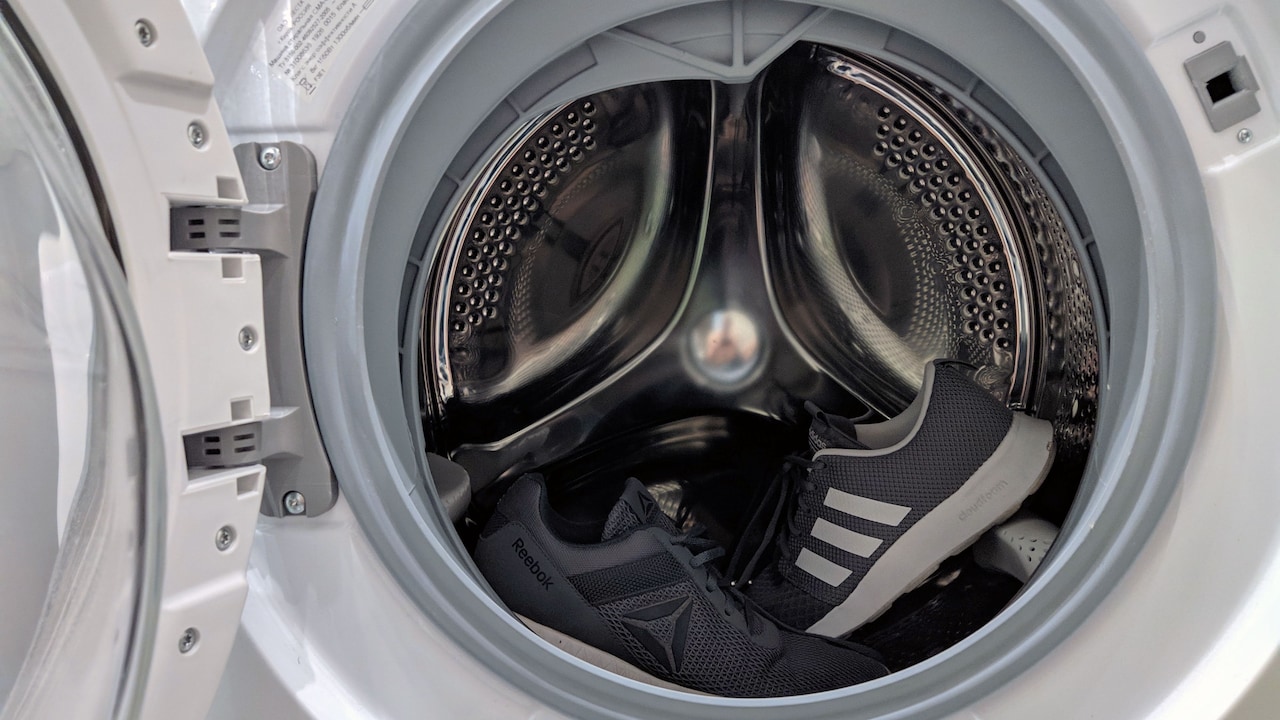
Why Clothes Fade And Get Detergent Marks After Washing; Photo Credit: Pexels
Choosing The Wrong Wash Cycle
Many households rely on one familiar setting for everything. The same cycle handles gym wear, formal shirts, cotton kurtas, towels and delicate tops. It feels efficient, but fabrics have different needs. A heavy cycle that cleans muddy trousers can be unnecessarily harsh on coloured cotton or synthetic blends.
Long wash times and fast spins increase friction. This rough movement weakens fibres and gradually removes dye from the fabric surface. Dark garments may lose their richness, while prints begin to look tired. On the other hand, an extremely short cycle may not provide enough rinsing time, leaving detergent marks behind.
The garment care label offers useful guidance. Delicate fabrics usually need gentle movement and a slower spin. Everyday cotton can handle a standard cycle, while towels and bedsheets may require a heavier programme. Mixed loads often do well on a moderate setting, provided the garments have similar colours and weights.
Modern machines may offer options such as “daily wash”, “delicates”, “dark garments” or “eco”. Choosing a suitable cycle takes only a few seconds. Those seconds can protect hours of shopping, tailoring and searching for the perfect fit.
Washing Dark Clothes In Hot Water
Hot water feels powerful, especially when clothes are sweaty or heavily soiled. However, heat can loosen dye molecules and encourage colour to escape from fabric. Repeated hot washes often turn deep black clothes charcoal grey and rich blues into uncertain, washed-out shades.
Cotton garments are particularly vulnerable because their fibres swell in warm water. This allows more dye to wash away. Heat can also shrink natural fabrics, damage elastic and set certain stains permanently. A protein-based stain, such as milk or blood, may cling more stubbornly after exposure to hot water.
Cold or cool water is usually enough for everyday coloured clothing, especially when paired with a good-quality detergent designed for lower temperatures. Warm water can be reserved for heavily soiled light-coloured garments, towels or items that the care label confirms can handle it.
Turning dark clothes inside out adds another layer of protection. The inner surface takes most of the friction while the visible side keeps its colour for longer.
A bright summer afternoon may tempt anyone to believe hotter is always cleaner. Laundry, however, often prefers a calmer approach. Cool water cleans gently and helps the wardrobe stay vibrant.
Mixing Light And Dark Colours
The classic red sock turning a white vest pink may sound like a laundry comedy, but colour transfer is not always so dramatic. Dark fabrics can release small amounts of dye in every wash. Over time, those loose pigments settle on lighter garments and make them look grey, dull or slightly muddy.
New clothes pose the greatest risk. A freshly purchased black T-shirt, indigo kurta or bright dupatta may release considerable colour during its first few washes. Washing it with pale shirts or white undergarments invites trouble. Even if no obvious stain appears, the lighter fabric may lose its clean brightness.
Sorting does not require a complicated system. Whites and very light colours can form one load. Dark shades can go together, while strong reds, oranges and deep blues deserve extra care when new. Colour-catching sheets may help, but they should support proper sorting rather than replace it.
It also helps to separate heavily soiled items from lightly worn clothes. Dusty trousers or kitchen cloths can release grime that settles on cleaner fabrics.
A few extra minutes spent making separate piles can prevent the quiet heartbreak of finding a favourite cream top looking as though it has spent the monsoon beside a busy road.
Ignoring The Garment Care Label
Care labels are often treated like unwanted background noise. They itch, curl and occasionally get cut off before the garment is worn. Yet those tiny symbols contain instructions that can prevent fading, shrinking, stretching and detergent damage.
A garment marked for a gentle wash may contain delicate fibres, decorative stitching or dye that cannot withstand vigorous movement. Some clothes require cold water, while others should not be machine-washed at all. Ignoring these warnings can turn a crisp shirt into a misshapen one or make embroidery lose its charm.
Labels also explain whether bleach, tumble drying or high-temperature ironing is safe. Chlorine bleach, for example, can weaken fibres and remove colour within minutes. Even colour-safe stain removers should be tested on a hidden area before use.
When a label has been removed, the fabric type offers clues. Cotton usually tolerates standard washing, though dark cotton benefits from cool water. Rayon, silk, wool and heavily embellished pieces need gentler handling.
Reading a care label may feel less exciting than checking a restaurant menu, but it saves money. Clothes last longer when they receive the treatment their fabric was designed to handle.
Leaving Zips Open And Buttons Fastened
Small clothing details can create surprisingly large problems inside a washing machine. An open metal zip behaves like a tiny saw as the drum rotates. Its teeth can scrape nearby garments, pull threads and damage printed surfaces. Over time, this friction contributes to faded patches and rough fabric.
Zips should be closed before washing so the teeth remain covered. Buttons, however, should usually be left undone. A fastened button is placed under tension during the wash and spin cycles. The thread may weaken, the buttonhole may stretch, or the fabric around it may tear.
Hooks and Velcro fasteners deserve attention too. Bra hooks can snag delicate garments, while exposed Velcro grips lint and pulls at soft fibres. Laundry bags provide a simple solution for small or delicate items. They keep straps, hooks and decorative details from tangling with the rest of the load.
Turning printed or embroidered clothes inside out also reduces direct contact with rough hardware.
These preparations take less than a minute. That minute can prevent a zip from attacking a favourite top with the determination of a filmi villain in the final scene.

Why Clothes Fade And Get Detergent Marks After Washing; Photo Credit: Pexels
Using An Incorrect Detergent For The Machine
Not every detergent suits every washing machine. Front-loading models use less water and rely on controlled tumbling, so they require low-foam detergent. Regular detergent can create excessive suds, reduce cleaning performance and leave residue on clothes or inside the machine.
Top-loading machines generally use more water, but that does not mean any quantity or formula will work. Some powders struggle to dissolve in cool water, particularly during short cycles. Cheap or heavily fragranced detergents may also contain fillers that settle on dark fabric as pale marks.
Machine-specific detergents are labelled clearly. A front-load product usually mentions low foam or high efficiency, while top-load varieties are designed for higher water levels. Liquid detergent can be useful for quick and cold washes because it dissolves easily. Powder often works well for heavily soiled cotton when used correctly.
Fabric conditioners should also be measured carefully. Too much can coat fibres, reduce towel absorbency and leave greasy patches.
Choosing detergent based only on the brightest packet or the biggest discount may prove costly. The right product protects both the machine and the clothes, which makes that crowded supermarket aisle slightly easier to navigate.
Neglecting To Clean The Washing Machine
A machine that washes clothes also needs washing. Detergent residue, fabric conditioner, lint and body oils gradually collect inside the drum, rubber seal and dispenser drawer. In humid weather, this mixture can develop mould and unpleasant smells. Those deposits may then transfer onto fresh laundry as dark specks, greasy marks or a musty odour.
Front-loading machines often trap moisture around the rubber door seal. Small objects, hair and detergent sludge can hide in the folds. Top-loading models may collect residue under the rim and around the central agitator. A quick wipe after washing prevents much of this build-up.
The detergent drawer should be removed and rinsed regularly. The lint filter also needs cleaning according to the machine manual. Once a month, an empty hot maintenance cycle with a washing machine cleaner can help remove residue. The door or lid should remain slightly open after use so the interior can dry.
A dirty machine cannot deliver truly clean clothes. It is rather like serving fresh chai in an unwashed cup: the effort is there, but the result still feels wrong.
Leaving Wet Clothes Inside The Drum
The cycle ends, the machine beeps, and the clothes remain inside because dinner needs attention or a phone call stretches on. A short delay is harmless, but leaving damp laundry for several hours creates the perfect environment for stale odours and bacteria.
Wet clothes pressed together may also develop dye transfer. Dark fabric can leave marks on lighter areas, particularly when garments are new or heavily saturated. Creases become deeper, and detergent residue may settle into folds as the load sits motionless.
Clothes should be removed soon after the cycle finishes and shaken gently before drying. This separates the fibres, reduces wrinkles and helps any remaining moisture evaporate evenly. Dark garments should be dried inside out and away from harsh direct sunlight, which can bleach colour from exposed surfaces.
When laundry has been forgotten overnight, running another rinse or short wash is often better than simply hanging it up. Perfume or fabric spray may hide the smell briefly, but it will not remove the cause.
A washing machine is a cleaning tool, not a storage cupboard. Prompt unloading keeps clothes fresher and saves everyone from wondering where that mysterious damp smell began.
Products Related To This Article
1. Samsung Smart Choice 9 kg, 5 Star, AI Control, AI Ecobubble
2. LG Smart Choice, 9 Kg, 5 Star, AI Direct Drive Technology
3. Haier 6 kg 5 Star Oceanus Wave Drum Washing Machine Fully Automatic Top Load
4. Whirlpool 7 kg Magic Clean 5 Star Fully Automatic Top Load Washing Machine Grey
5. LG 7 Kg 5 Star Smart Inverter Technology Fully Automatic Top Load Washing Machine
6. VW 10.5 kg Semi Automatic Top Load Washing Machine with Wings Pulsator Technology
7. Godrej Smart Choice 7 Kg 5 Star
Faded clothes and detergent marks rarely appear because of one dramatic laundry disaster. They usually develop through small, repeated habits: an overloaded drum, a generous pour of detergent, a hot cycle or a forgotten load left damp for hours.
The good news is that these problems are easy to prevent. Give clothes enough room to move. Measure detergent instead of guessing. Sort colours, read care labels and choose a cycle that suits the fabric. A clean washing machine and prompt drying also make a visible difference.
Clothes carry more than colour and stitching. They hold memories of festivals, interviews, family gatherings, hurried office mornings and relaxed weekends. Treating them carefully helps those pieces remain part of daily life for longer.
Laundry may never become the most exciting household task. Still, a little attention can turn it from an expensive guessing game into a reliable routine. The reward appears every time a dark shirt stays dark, a white kurta remains bright, and no mysterious detergent streak announces itself just before leaving home.
(Disclaimer: This article may include references to or features of products and services made available through affiliate marketing campaigns. NDTV Convergence Limited (“NDTV”) strives to maintain editorial independence while participating in such campaigns. NDTV does not assume responsibility for the performance or claims of any featured products or services.)