How To Read Microwave-Safe And Dishwasher-Safe Dinnerware Labels
Microwave-safe and dishwasher-safe labels are not guarantees of durability. Learn what they really mean and how to prevent cracks, warping, fading and costly kitchen mishaps.
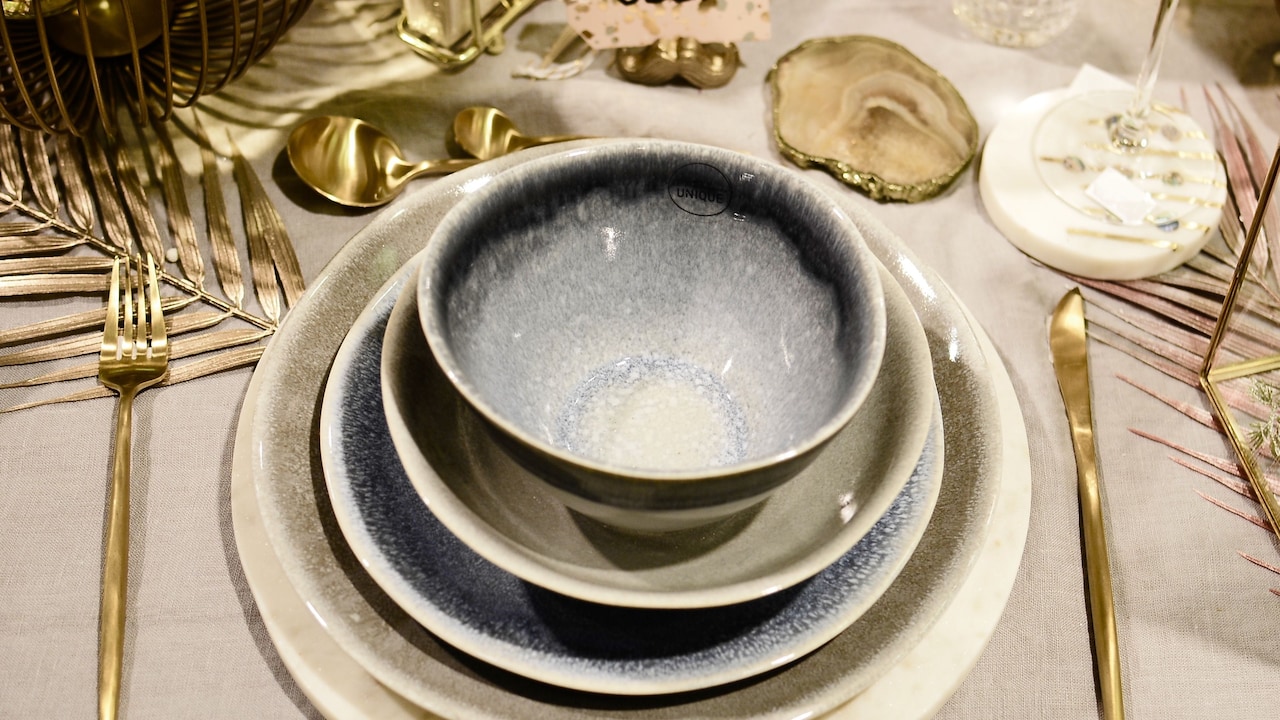
What Microwave-Safe And Dishwasher-Safe Labels Really Mean
Dinnerware labels tend to receive attention only after something goes wrong. A favourite ceramic bowl develops a hairline crack. A plastic container bends into an abstract sculpture. A gold-rimmed cup sparks inside the microwave like a tiny Diwali experiment nobody planned. The phrases “microwave-safe” and “dishwasher-safe” sound reassuring, but they do not mean indestructible. They simply indicate that a product has met certain testing standards under specified conditions. Those conditions may involve limits on heat, detergent strength, wash cycles or repeated use. Dinnerware sets also contain more than its visible material. A ceramic plate may carry a decorative glaze. A glass bowl may have a metallic border. A plastic lunch box may include a different type of lid, seal or valve. Each component can react differently to heat and water pressure.
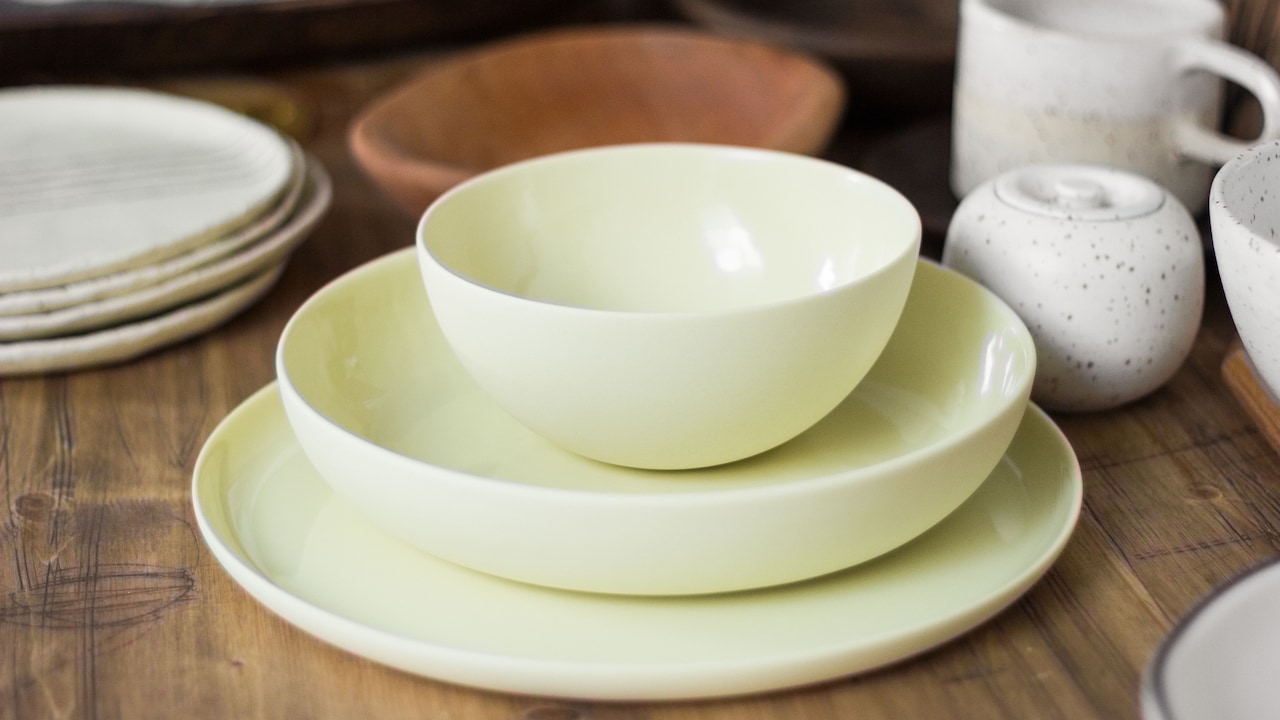
What Microwave-Safe And Dishwasher-Safe Labels Really Mean; Photo Credit: Pexels
Reading the label properly, therefore, matters as much as reading a recipe. It helps dinnerware last longer, keeps food preparation safer and saves money otherwise spent replacing damaged pieces. Here is what those familiar kitchen labels actually mean.
Understanding Dinnerware Safety Labels
1. Microwave-Safe Does Not Mean Heatproof
A microwave-safe label means the item can generally withstand microwave energy without melting, releasing unsafe levels of substances or causing an immediate hazard. It does not mean the dish can tolerate every form of heat.
A microwave heats food mainly by exciting water molecules. The food may become extremely hot while the plate remains relatively cool. However, oils, sugar syrups and thick gravies can reach higher temperatures than water-based dishes. That extra heat can soften plastic, weaken glazes or create hot spots.
A microwave-safe bowl should never automatically go into an oven, air fryer or onto a gas burner. Those appliances use direct or intense external heat. A container that handles two minutes of reheating may crack within seconds on a hot tawa or oven rack.
The phrase also does not guarantee comfortable handling. Steam and hot food can transfer heat to the dish. That innocent-looking bowl of dal may feel cool at the rim and scorching underneath. Using a kitchen cloth or oven glove remains sensible, even when the label offers reassurance.
Think of microwave-safe as permission for a particular journey, not a lifetime pass to every hot corner of the kitchen.
Also Read: Top 5 Affordable Dishwashers For Easy And Hassle-Free Kitchen Cleaning
2. Dishwasher-Safe Comes With Conditions
Dishwasher-safe dinnerware should tolerate the heat, water pressure and detergent used during a standard machine cycle. Yet dishwashers vary widely. One machine may run a gentle wash at moderate heat, while another uses powerful jets and an intensive drying programme.
Placement also matters. The lower rack usually receives stronger heat because it sits closer to the heating element. Many plastics belong on the top rack, where temperatures remain slightly lower. A manufacturer may place a small “top-rack only” note beneath the main symbol. Missing that detail can turn a lunch box lid into something that no longer fits its box.
Strong dishwasher detergents can also fade prints, cloud glass and dull decorative finishes over time. A product may survive the machine without breaking but still lose its shine after repeated cycles.
Dishwasher-safe should therefore mean “suitable for normal machine washing when used as directed”. It should not suggest that the item will look brand new forever.
For cherished crockery, handwashing may still offer the gentler option. The dishwasher handles everyday steel plates and sturdy mugs beautifully. Grandma's painted serving bowl deserves a quieter retirement plan.
3. The Symbols Matter More Than The Words
Many pieces of dinnerware use symbols instead of written instructions. A small box with wavy lines often indicates microwave suitability. A symbol showing plates or glasses beneath water droplets usually suggests dishwasher safety. Unfortunately, designs differ between brands, so guessing can become risky.
Some labels include extra information such as temperature limits, rack position or warnings against sudden temperature changes. A container may carry a microwave symbol on the base while its lid displays a separate instruction. The bowl might handle reheating, but the lid may need to remain loose so steam can escape.
Symbols can also fade after repeated washing. Taking a quick photograph of the base when the product is new can preserve the care instructions. This simple habit proves useful months later, especially when several similar containers begin sharing the same cupboard.
When buying dinnerware online or in a shop, packaging deserves a careful glance. The product description may reveal more than the stamp underneath the plate.
Labels are not decorative kitchen hieroglyphics. They work like compact user manuals. Spending ten seconds decoding them can save a ₹700 serving dish from an avoidable crack.
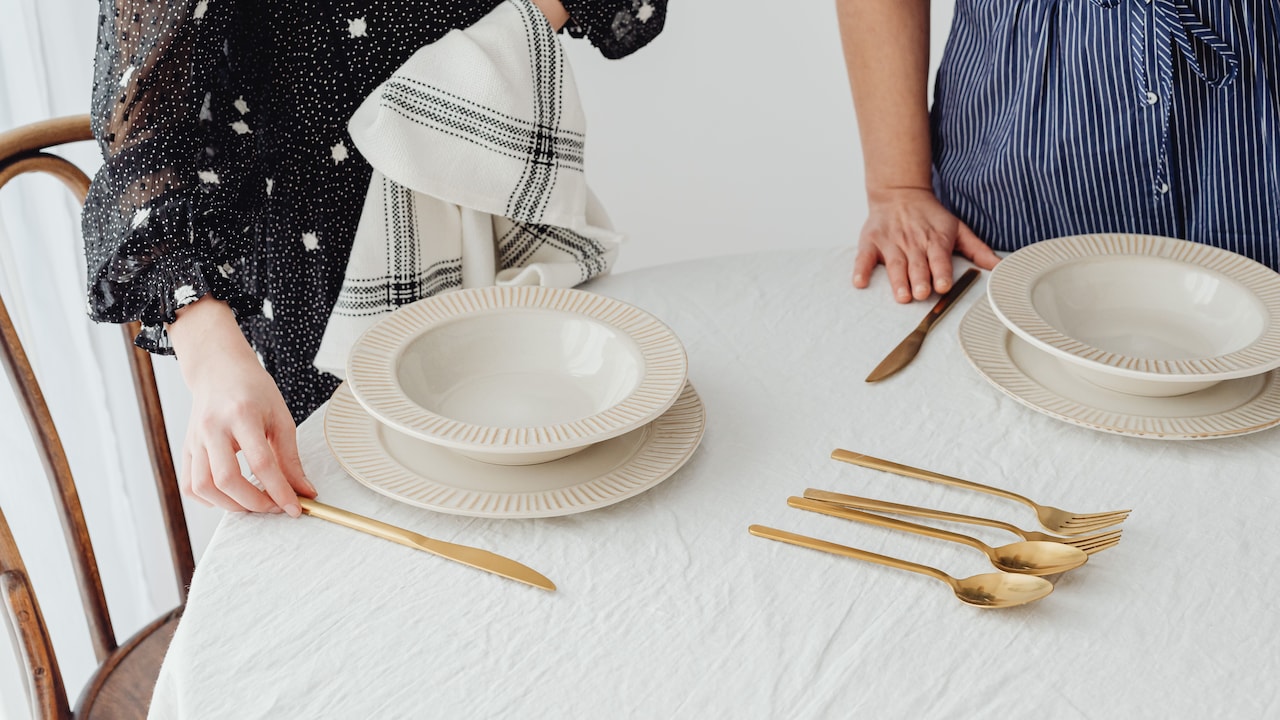
What Microwave-Safe And Dishwasher-Safe Labels Really Mean; Photo Credit: Pexels
4. Ceramic And Stoneware Need Extra Attention
Ceramic dinnerware often appears sturdy, but its microwave performance depends on its composition, firing quality and glaze. Properly manufactured ceramic usually works well for reheating. Problems arise when the clay or glaze absorbs moisture.
Water trapped inside tiny pores can heat rapidly in a microwave. This may make the plate unusually hot or cause cracking. Older pieces, chipped bowls and low-fired pottery carry a greater risk because damaged surfaces allow moisture to enter more easily.
Hand-painted designs also need caution. Some decorative paints contain metallic elements. A thin gold or silver border can spark, even when the main ceramic body seems perfectly suitable for microwave use.
Stoneware tends to feel heavier and denser, yet it can still suffer from thermal shock. Moving a chilled bowl directly from the fridge into intense heat may cause stress fractures. Allowing it to rest briefly at room temperature provides a safer transition.
A simple home check can offer a clue, though it cannot replace manufacturer guidance. Place the empty dish beside a microwave-safe cup of water and heat them briefly. If the dish becomes far hotter than the water, it may absorb microwave energy and should not be used casually.
5. Glass Can Be Safe Yet Still Break
Glass often earns a reputation as the dependable kitchen hero. Many glass bowls handle microwaves and dishwashers extremely well. However, not all glass shares the same strength.
Heat-resistant glass undergoes manufacturing processes that help it tolerate temperature changes. Ordinary decorative glass may not receive the same treatment. A glass dessert bowl can look thick and reassuring yet crack when exposed to sudden heat.
Thermal shock remains the biggest concern. Pouring boiling rasam into a cold bowl or placing a hot glass dish on a wet granite counter can create rapid temperature differences. One part expands while another stays cool, and the resulting stress may split the glass.
Small scratches and chips also weaken its structure. A damaged bowl may survive dozens of washes before breaking without much warning. Once the rim develops a chip, retirement becomes safer than continued use.
Dishwashers can gradually create a cloudy appearance on glassware. Hard water deposits may cause some of it, while harsh detergents can produce permanent etching. Using the correct detergent quantity and rinse aid may reduce the problem.
Glass deserves trust, but not blind trust. Even the strongest bowl dislikes sudden surprises.
6. Plastic Labels Require Careful Reading
Plastic dinnerware causes the most confusion because the word “plastic” covers many different materials. Some plastics handle reheating well. Others soften, warp or degrade when exposed to high temperatures.
A microwave-safe plastic container should carry a clear manufacturer label. A recycling number alone does not confirm microwave suitability. That number identifies the broad material category, not the product's performance under heat.
Fatty foods deserve particular caution. Ghee, butter and oily curries can become hotter than watery foods. They may stain the container and push the plastic closer to its heat limit. Tomato-based gravies can leave behind the familiar orange tint that survives three washes and several hopeful scrubs.
Lids need special treatment too. Steam creates pressure inside sealed containers. Unless the lid has a microwave vent, it should sit loosely on top rather than snap shut. Otherwise, the container may bulge or release a sudden burst of hot vapour.
Old, scratched or heavily stained plastic should not continue serving indefinitely. Repeated heating and washing weaken surfaces. When the box starts smelling permanently of last Tuesday's rajma, replacement may be kinder to both the cupboard and the next meal.
7. Metallic Decoration Changes Everything
Metal and microwaves rarely make peaceful neighbours. Dinnerware with gold, silver, copper or metallic paint can produce sparks because microwave energy interacts with the conductive material.
The amount of metal does not need to look significant. A delicate gold rim, tiny metallic flower or festive printed border may be enough to cause trouble. Even if sparking does not occur immediately, repeated microwave use can damage the decoration or the appliance.
Metallic finishes also struggle in dishwashers. Strong detergents and high-pressure water can fade, tarnish or peel decorative layers. A plate may carry a dishwasher-safe symbol for its ceramic body while the metallic trim requires handwashing. Product instructions should settle that apparent contradiction.
Stainless-steel dinnerware should never enter a microwave unless the appliance manufacturer specifically allows a certain accessory. Standard steel bowls reflect microwave energy and may interfere with the appliance's operation. They remain excellent for serving, storage and washing, but reheating belongs elsewhere.
Festive crockery often costs more because of its fine detailing. Treating it gently protects both its appearance and its sentimental value. A ₹1,500 tea set should not lose its golden edge merely because washing it by hand felt inconvenient after a large family dinner.
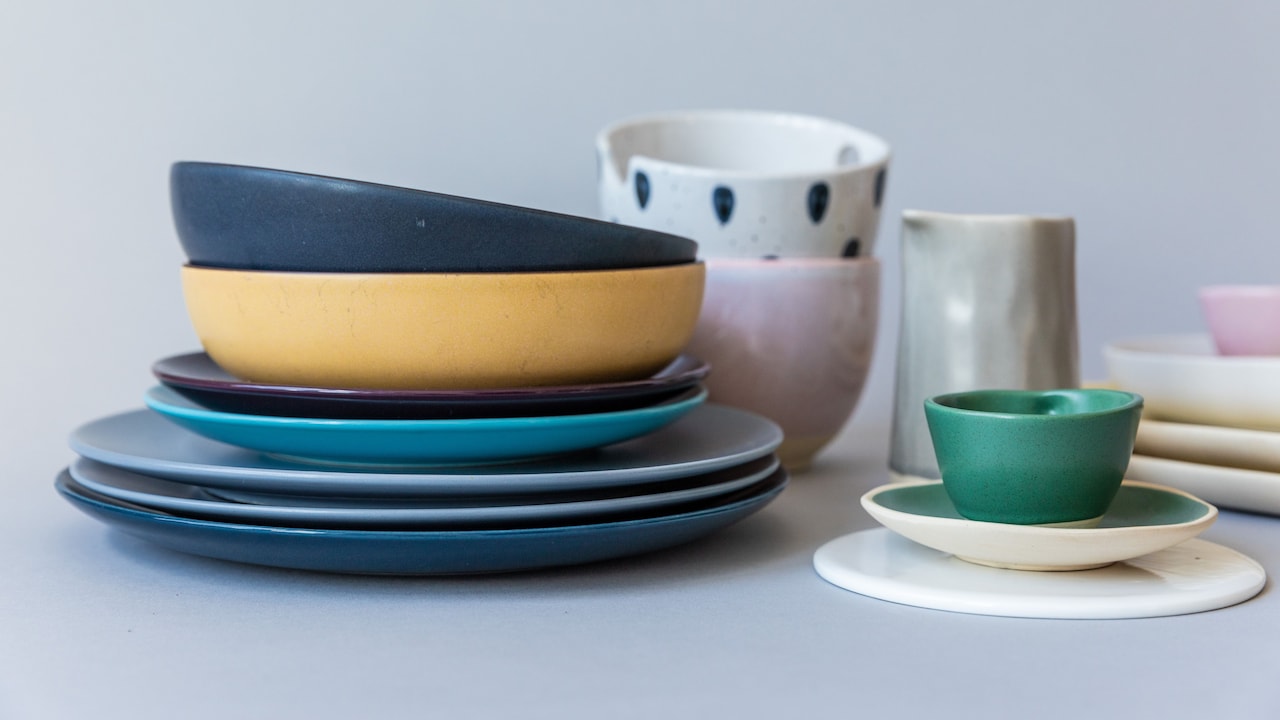
What Microwave-Safe And Dishwasher-Safe Labels Really Mean; Photo Credit: Pexels
8. Cracks And Chips Cancel The Promise
Safety labels apply to products in good condition. Once dinnerware develops cracks, chips, deep scratches or peeling surfaces, its original rating may no longer offer reliable protection.
A hairline crack can trap water during washing. In the microwave, that moisture may expand and worsen the damage. A small fracture can suddenly become a full break, sending hot food across the turntable.
Chipped ceramic also creates hygiene concerns. The exposed area may absorb moisture, oil and food particles. Rough edges can cut fingers or lips. Similarly, scratched plastic becomes harder to clean properly and may deteriorate faster under heat.
Dishwashers can enlarge existing damage through strong water jets and repeated contact with other utensils. Plates packed too closely may knock against each other throughout the cycle. That cheerful clattering sound from the machine often means the arrangement needs attention.
Regular inspection does not require dramatic detective work. Run a finger carefully around rims, examine the base and hold glassware up to the light. Pieces with serious damage should leave active service.
A beloved chipped mug may still work as a pen holder or planter. Sentimental value can survive outside the kitchen, where boiling chai no longer tests its structural courage.
9. Temperature Limits Matter During Everyday Use
Some dinnerware includes a maximum temperature, such as 100°C, 120°C or 140°C. This number deserves more attention than it usually receives. It indicates the heat level the manufacturer considers suitable under specified conditions.
Microwave food temperatures vary. Water-based dishes often stay near the boiling point, but sugar and oil can climb higher. Heating jaggery syrup, caramel, ghee or oily leftovers in a low-temperature plastic container can exceed the product's safe range.
Dishwasher drying cycles also generate significant heat. A container that survives the washing stage may warp during heated drying. Selecting an air-dry setting can protect sensitive plastics and reduce energy use.
Temperature changes matter as much as maximum heat. Taking a frozen container and immediately microwaving it at full power puts considerable stress on the material. Defrosting gradually or allowing a brief resting period can reduce the risk.
Care instructions may mention whether a product can move from freezer to microwave. Without that specific claim, caution makes sense.
Kitchen habits often run on speed, especially during rushed mornings. Yet an extra minute of care costs less than replacing a cracked casserole dish and cleaning up breakfast from the microwave walls.
10. Safe Use Still Depends On Good Habits
Labels provide guidance, but everyday habits complete the safety picture. Even approved dinnerware can fail when overloaded, sealed tightly, placed incorrectly or exposed to sudden temperature changes.
Food should sit evenly inside a microwave-safe dish. Deep containers may heat less consistently than shallow ones, leaving cold centres and dangerously hot edges. Stirring midway through heating improves temperature distribution.
Covers should allow steam to escape. A vented lid, microwave cover or loosely placed plate helps prevent splashes without building pressure. Cling film should not touch hot food unless its packaging clearly permits microwave use.
Inside a dishwasher, dinnerware needs breathing room. Plates should not block spray arms, bowls should face downward, and lightweight plastic pieces need secure placement. Otherwise, a lid may flip over, collect dirty water and emerge looking less washed than when it entered.
Manufacturer instructions should take priority over internet tricks and family folklore. The cousin who microwaves everything without incident has enjoyed good luck, not necessarily good science.
A safe label works best when paired with sensible handling. Dinnerware may not demand much attention, but it quietly supports every snack, celebration and hurried weekday meal.
Products Related To This Article
1. 'Embossed Emerald' Hand Painted Studio Pottery Ceramic Plates for Dinner
2. Bodhi House Reactive Glaze Ceramic Handcrafted Serving 4 Small Plates
3. Happy Cove Solid Husk Eco Friendly 10 inch Dinner Plates
4. La Opala Diva Classique Collection Opal Glass Crockery
5. Praahi Lifestyle Ceramic Handmade Dinner Set
6. Happy Cove Husk Eco Friendly 10 inch Solid Dinner Plates
7. Happy Cove Eco-Friendly Dinner Plate Set of 4
Microwave-safe and dishwasher-safe labels offer useful guidance, but neither phrase promises complete protection. Materials react differently to heat, steam, detergent, pressure and sudden temperature changes. Decorative finishes, lids, seals and existing damage can also change how an item performs.
The smartest approach combines label reading with practical judgement. Check symbols before first use. Keep metallic decoration out of the microwave. Place sensitive plastics on the top rack. Retire cracked or badly scratched pieces. Respect temperature limits, even when dinner needs reheating quickly.
These habits may seem small, yet they protect appliances, reduce waste and help dinnerware last longer. They also prevent the kind of kitchen incident that begins with a harmless bowl of leftovers and ends with everyone discussing why the microwave smells burnt.
A plate or container cannot explain its limits aloud. Its label does the talking. Paying attention ensures that every meal reaches the table without sparks, cracks or an unexpected ₹2,000 shopping trip.
(Disclaimer: This article may include references to or features of products and services made available through affiliate marketing campaigns. NDTV Convergence Limited (“NDTV”) strives to maintain editorial independence while participating in such campaigns. NDTV does not assume responsibility for the performance or claims of any featured products or services.)