Why Clothes Smell Damp After A Full Washing Machine Cycle
Clothes can smell damp even after a full wash due to excess detergent, an overloaded drum, poor drainage, a dirty machine or slow drying. Simple changes can restore freshness.
10 Reasons Clothes Smell Musty After A Washing Machine Cycle
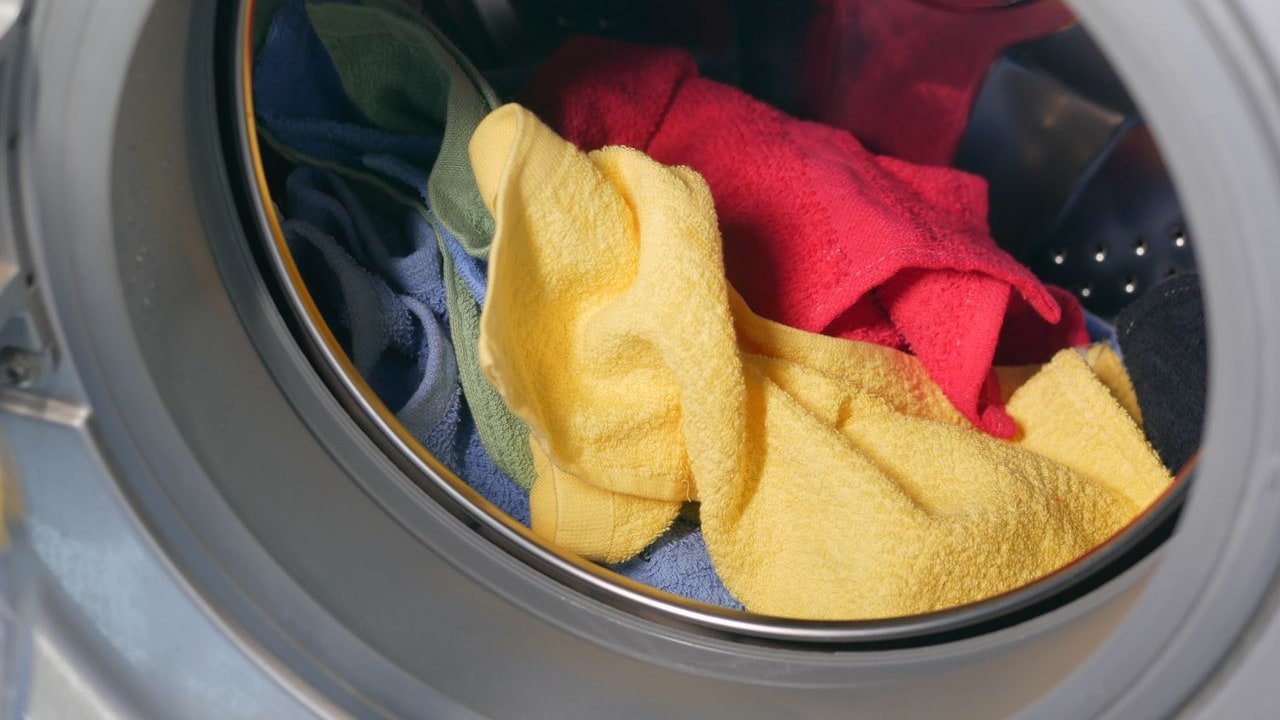
A washing machine finishes its cycle with a cheerful beep. The clothes look clean, the stains have faded, and the detergent has done its dance. Then comes the unpleasant surprise. Instead of smelling fresh, the laundry carries a damp, sour odour that feels strangely similar to a forgotten towel. This problem becomes especially common during humid weather. Clothes take longer to dry, balconies receive less sunlight, and bathrooms remain moist for hours. Even homes with modern washing machines can struggle with the smell.
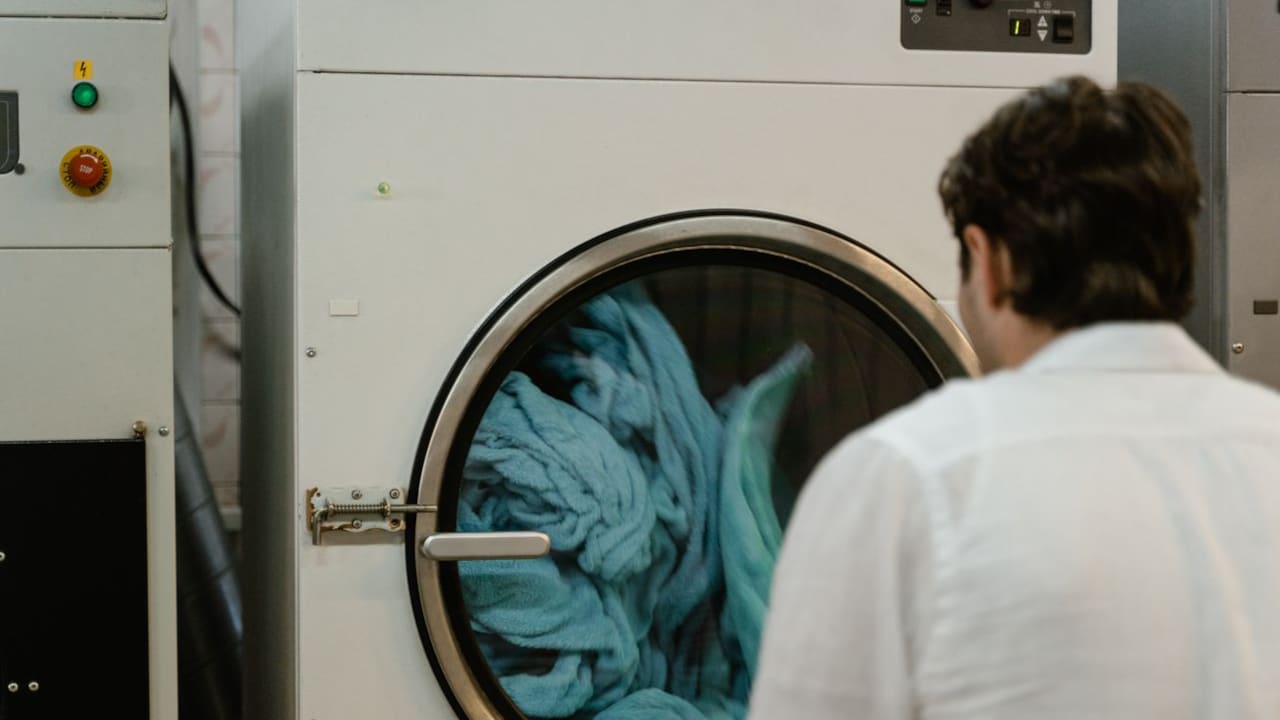
10 Reasons Clothes Smell Musty After A Washing Machine Cycle
Photo Credit: Pexels
The odour does not always mean the machine has failed. Washing removes dirt, but freshness depends on several other factors. Water must drain properly. Detergent must rinse away. Air must move through the fabric, and the washing machine itself needs regular care. Sometimes, small habits create the biggest trouble. Leaving washed clothes in the drum for an hour can undo much of the cleaning. Filling the machine to the brim can also prevent proper movement.
Understanding the source of the smell makes the solution much easier. In most cases, a few practical changes can bring back that crisp, clean-laundry feeling.
Common Reasons Freshly Washed Clothes Smell Damp
An Overloaded Drum Traps Dirt And Moisture
A washing machine needs space to clean clothes properly. When the drum looks like an overstuffed suitcase before a family holiday, the clothes cannot move freely. Water and detergent fail to reach every fold, collar and sleeve.
Fabric needs room to lift, drop and rub gently against other garments. This movement loosens sweat, body oils and food particles. A packed drum limits that action. Dirty water may also remain trapped between layers of clothing.
Heavy items create an even bigger challenge. Bedsheets, jeans and thick towels absorb large amounts of water. When washed together in a crowded load, they form a dense bundle. The machine may complete its cycle, but the centre of that bundle can remain poorly rinsed.
As a simple rule, leave enough room to place a hand comfortably above the dry clothes inside the drum. Large loads may seem economical, especially when trying to save water or electricity. However, rewashing smelly clothes costs more. Two balanced loads often produce fresher results than one heroic mountain of laundry.
Also Read: Top 7 Washing Machine Features Rarely Used While Doing Laundry
Clothes Stay Inside The Machine For Too Long
The final spin cycle ends, but nobody opens the door. A phone call arrives, lunch needs attention, or an episode turns into three. Meanwhile, warm and damp clothes sit inside a dark drum with almost no airflow.
That environment gives odour-causing bacteria exactly what they enjoy: moisture, warmth and time. The smell may begin within a surprisingly short period, especially during hot or humid months. After several hours, even properly washed clothes can develop a stale scent.
Front-loading machines make the problem more noticeable because their sealed doors hold moisture inside. Top-loading machines offer slightly more ventilation, but wet clothes can still smell if left untouched.
Try to remove laundry as soon as the cycle ends. Using the machine's delay-start feature can also help. Set the programme to finish when someone will remain at home.
When an immediate drying space is unavailable, take the clothes out and spread them loosely in a clean basket. Avoid leaving them in a wet heap.
The washing machine may finish the cycle, but timely removal completes the job.
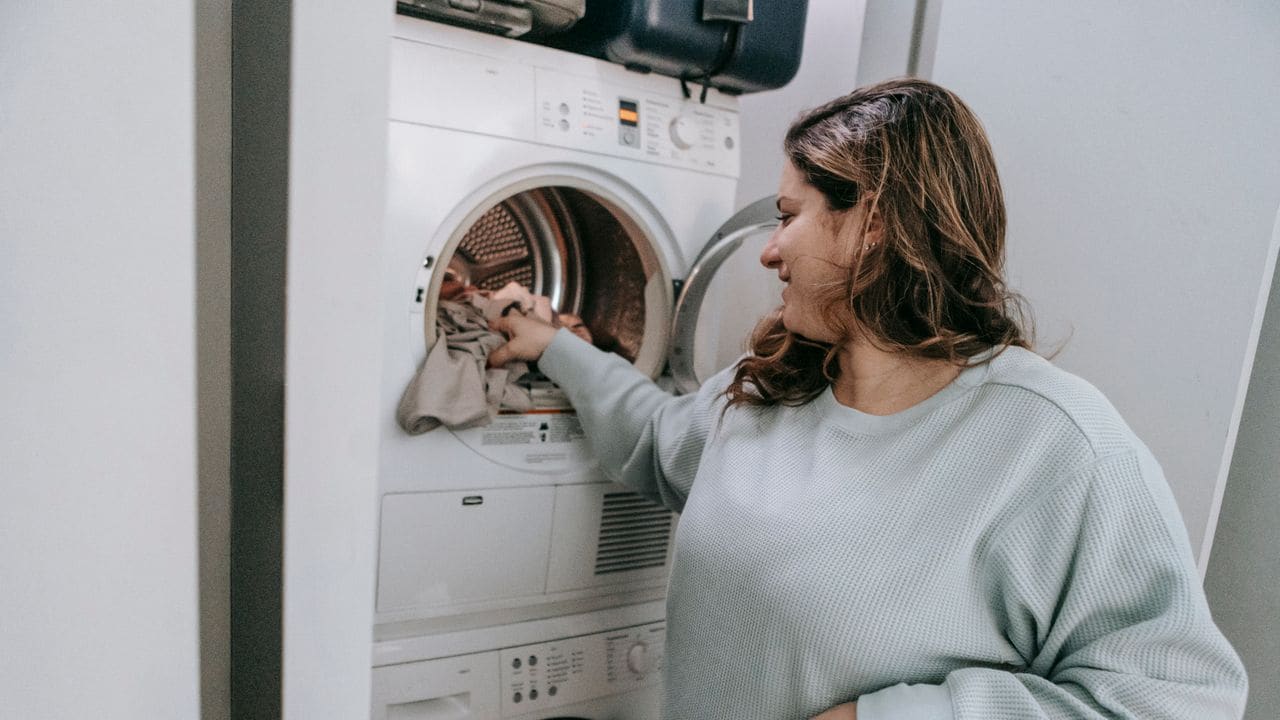
10 Reasons Clothes Smell Musty After A Washing Machine Cycle
Photo Credit: Pexels
Too Much Detergent Leaves A Sticky Residue
Adding extra detergent feels logical when clothes seem particularly dirty. Unfortunately, more soap does not always mean more cleanliness. Excess detergent can cling to fabric, trap grime and create the perfect base for unpleasant smells.
Modern washing machines use less water than older models. They need carefully measured detergent. When too much enters the drum, the rinse cycle may not remove it completely. The leftover layer attracts sweat, dust and bacteria the next time the clothes get worn.
This residue can also make towels feel stiff and reduce their ability to absorb water. Dark garments may show pale streaks, while collars and waistbands can feel slightly greasy.
Follow the quantity suggested for the machine size, water hardness and load. Concentrated liquid detergents need particularly careful measuring. A small capful may already contain enough cleaning power for a regular load.
The familiar habit of pouring “a little extra for luck” often causes trouble. Detergent works best at the correct dose, not at festival-level generosity.
If clothes already feel soapy after washing, run an additional rinse cycle without adding more detergent.
The Washing Machine Needs A Proper Clean
A machine that cleans clothes also collects dirt. Soap scum, lint, hair and body oils slowly settle inside the drum, pipes, detergent drawer and rubber seals. Over time, this hidden mixture starts to smell.
Front-loading machines often develop grime around the thick rubber gasket near the door. Water can remain inside its folds, along with stray coins, threads and the occasional missing sock's smaller cousin. The detergent drawer may also develop black or pink patches when moisture sits there for days.
Run a maintenance wash every few weeks. Choose the hottest suitable empty cycle and use a washing machine cleaner recommended by the manufacturer. Clean the detergent drawer separately with warm water and a soft brush.
Wipe the door seal after use and remove any trapped debris. Keep the machine door slightly open when the appliance remains idle. This allows moisture to escape and reduces mould growth.
The exterior may look spotless while the inside tells a different story. Regular cleaning protects both the laundry and the machine.
A fresh drum gives clothes a much better chance of smelling genuinely clean.
Also Read: Top 10 Front Load Washing Machine To Grab Under ₹50,000
The Drain Filter May Hold Old Water
Washing machines rely on a filter to catch lint, loose threads, coins and other small objects before they enter the drainage system. When this filter becomes blocked, dirty water may drain slowly or remain inside the appliance.
That trapped water soon develops a foul smell. During the next wash, the odour can return to the drum and settle into the clothes. The machine may still complete its cycle, which makes the problem easy to miss.
Other warning signs may appear. Clothes can feel wetter than usual after spinning. The machine may produce a humming sound, take longer to finish or show a drainage error.
Check the instruction manual before opening the filter compartment. It usually sits near the bottom of the machine. Place an old towel and a shallow tray nearby because water may spill out. Remove lint, buttons, coins and any other debris, then rinse the filter thoroughly.
A family washing several loads each week may need to check the filter every month or two.
If water still drains poorly after cleaning, the outlet hose may contain a blockage. A technician can inspect it safely.
A Cold Wash Cannot Tackle Every Odour
Cold-water programmes save electricity and protect delicate fabrics. They work well for lightly worn clothes. However, they may struggle with garments that contain heavy sweat, oil or stubborn bacteria.
Gym wear, socks, kitchen towels and undergarments often need a warmer wash, provided their care labels allow it. Low temperatures can remove visible dirt without fully dealing with the compounds that create odour. The clothes appear clean but smell damp soon after drying.
Synthetic fabrics create another challenge. Polyester tends to hold body oils more firmly than cotton. A quick cold wash may leave those oils behind, particularly around underarms and waistbands.
Choose the temperature according to the fabric and level of dirt. A 40°C wash often suits everyday cotton clothing, while towels and bed linen may tolerate higher temperatures. Always check the label before making changes.
For delicate clothes, pre-treat sweaty areas with a small amount of suitable detergent. Let it sit briefly before washing.
Cold cycles remain useful, but they cannot solve every laundry problem. Matching the programme to the load matters more than choosing the fastest or cheapest setting each time.
Poor Drying Creates A Musty Smell
Clean clothes can still turn musty if they dry too slowly. Fabric holds water deep within its fibres, and stagnant moisture encourages bacteria and mildew.
During humid weather, indoor drying often takes many hours. Clothes placed close together on a stand receive little airflow. Thick waistbands, pockets, cuffs and towel edges remain damp even when the outer surface feels dry.
Leave space between garments. Turn jeans inside out, open shirt buttons and spread towels fully instead of folding them over a narrow rail. Place the drying stand near a window or under a ceiling fan. A dehumidifier can help in homes with persistent moisture, though good ventilation often makes a noticeable difference without extra expense.
Sunlight offers excellent support when available. It speeds up drying and helps reduce certain odours. Strong afternoon sun can fade dark clothes, so turning them inside out protects the colour.
Never place slightly damp laundry inside a cupboard. The trapped moisture can make the entire shelf smell stale.
Clothes need more than heat to dry well. They need moving air, enough space and a little patience.
The Wrong Wash Programme Cuts Corners
Most washing machines offer several programmes, yet many households use the same quick cycle for almost everything. Quick washes save time, but they suit small loads of lightly soiled clothes. They cannot always handle full drums, thick fabrics or heavy sweat.
A short programme uses less water and offers fewer rinses. The detergent gets less time to break down dirt. The spin cycle may also leave more moisture behind.
Mixing very different fabrics makes matters worse. Lightweight shirts may finish clean while thick towels remain damp and poorly rinsed. The machine cannot adjust perfectly when one load contains delicate tops, denim, bath towels and a bedsheet tangled like a stubborn rope.
Sort clothes by fabric weight and cleaning needs. Use a cotton programme for everyday cotton garments, a synthetic cycle for sportswear and a longer setting for towels or bed linen.
The eco programme may take longer, but it often saves energy by using lower temperatures over an extended period. Time allows the detergent to work effectively.
The fastest button can feel tempting on a busy morning. Still, the right programme prevents the need for another complete wash later.
Damp Towels Can Contaminate The Laundry Basket
The problem sometimes begins before the washing machine starts. Wet towels, sweaty clothes and used cleaning cloths often sit together in a closed laundry basket for several days.
Without airflow, the pile becomes warm and damp. Bacteria multiply, and mildew may begin to grow. By washing day, the smell has already settled deep into the fabric. A normal cycle may reduce it without removing it completely.
Allow damp items to dry before placing them in the basket. Hang bath towels after use and spread sweaty exercise clothes for a while. Choose a basket with ventilation holes rather than a tightly sealed container.
Avoid storing wet kitchen cloths with regular clothing. Food residue and cooking oil create strong smells that can transfer to other items. Wash these cloths separately, especially when they have cleaned milk, gravy or oily surfaces.
Laundry baskets also need cleaning. Dust, lint and moisture collect at the bottom, where they form an unnoticed source of odour. Wipe the basket regularly and let it dry fully.
Fresh laundry starts long before detergent enters the drum. Good storage habits stop smells from becoming deeply established.
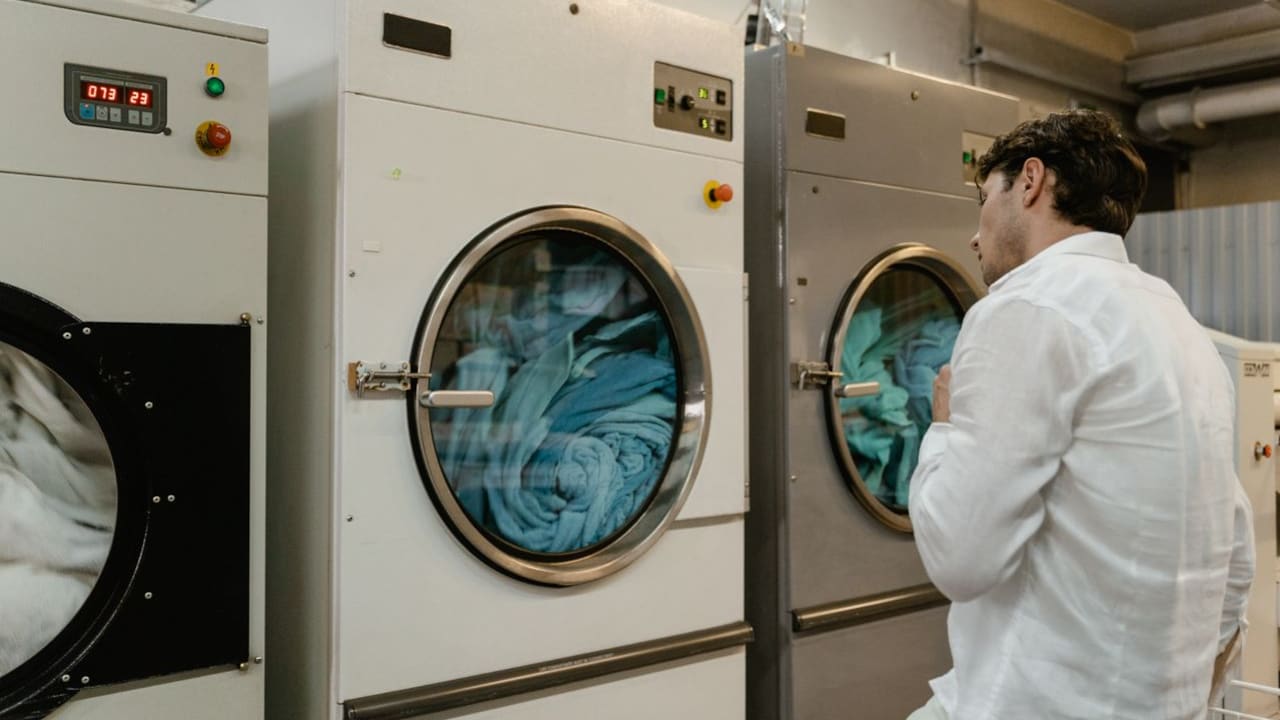
10 Reasons Clothes Smell Musty After A Washing Machine Cycle
Photo Credit: Pexels
Water Quality Can Affect The Final Smell
Water plays a larger role in laundry than many people realise. Hard water contains high levels of minerals such as calcium and magnesium. These minerals react with detergent and reduce its cleaning power.
Instead of forming an effective wash solution, the detergent can leave deposits on clothes and inside the machine. Fabrics may feel rough, look dull or develop an unpleasant smell after repeated washes.
Homes that rely on borewell water may notice the issue more often. Water can also carry iron or other minerals that affect colour and scent. In some areas, stored tank water may develop a stale odour when the tank needs cleaning.
A detergent designed for hard water can improve results. Some households use a water softener attachment, though the right option depends on local water conditions and the washing machine model. Regular descaling also prevents mineral build-up inside the appliance.
Check the water source if the problem affects every load, even after cleaning the machine and changing drying habits.
Clothes cannot smell fresher than the water used to wash them. Clean tanks, clear pipes and suitable detergent make a quiet but important difference.
Products Related To This Article
1. Haier 9 Kg Oceanus Wave Drum 15 Min Quick Wash
2. Samsung 8 kg, 5 star, AI Control, AI Eco Bubble
3. VW 7.5 kg 5 Star Aqua Spin Semi Automatic Top Load Washing Machine
4. Whirlpool 9 Kg Steam Wash Technology 5 Star Inverter Front Load Fully Automatic Washing Machine
5. LG 7 Kg 5 Star Wind Jet Dry Semi-Automatic Top Loading Washing Machine
6. Voltas beko, A Tata Product 6 kg 5 Star Semi-Automatic Top Load Washing Machine
7. Samsung 7 kg, 5 star, Semi Automatic Top Load Washing Machine
Damp-smelling clothes rarely point to one dramatic fault. The cause usually hides in everyday habits: a crowded drum, excess detergent, slow drying or laundry left inside the machine too long.
The washing machine also needs attention. A dirty seal, blocked filter or neglected detergent drawer can send stale odours back into every load. Water quality and programme choice may add another layer to the problem.
Start with the simplest changes. Wash smaller loads, measure detergent carefully and remove clothes when the cycle ends. Spread them in a well-ventilated space and make sure every thick seam dries before folding.
Then give the machine a thorough clean. Check the filter, wipe the seal and allow the drum to air between washes. These steps cost little and often solve the issue quickly.
Fresh laundry should smell clean, not like a towel that spent the weekend sulking in a bucket. With the right washing, drying and maintenance habits, that familiar musty surprise can disappear for good. Shop now!
(Disclaimer: This article may include references to or features of products and services made available through affiliate marketing campaigns. NDTV Convergence Limited (“NDTV”) strives to maintain editorial independence while participating in such campaigns. NDTV does not assume responsibility for the performance or claims of any featured products or services.)