How High Can A Robot Vacuum Climb? A Guide To Thresholds, Rugs And Door Tracks
Robot vacuums usually climb thresholds up to 1.5–2 cm. Learn how wheel size, surface shape, sensors and ramps affect whether they cross smoothly or get stuck.
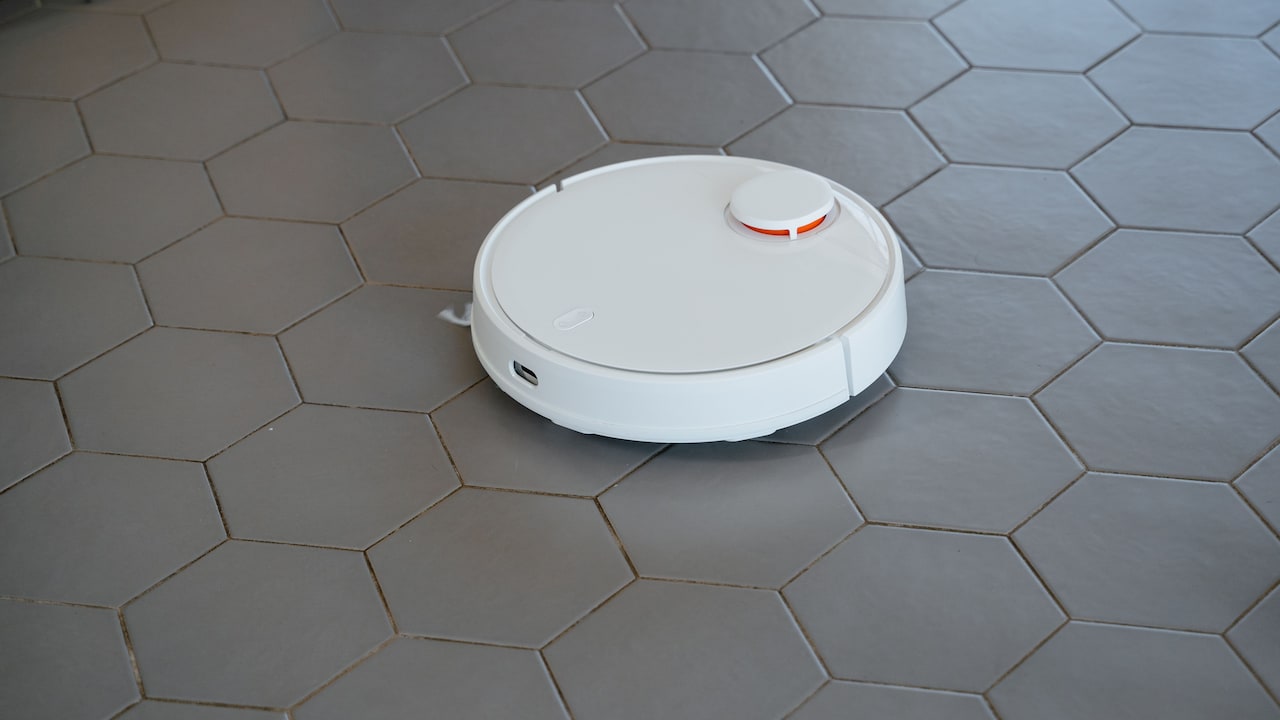
Regular cleaning of wheels, sensors and brushes can improve a robot vacuum's performance.
Robot vacuum cleaners promise something deeply satisfying: clean floors without the daily wrestling match involving a broom, dustpan and mysterious clumps of hair. Press a button, leave the room and let the little machine handle the crumbs. Reality becomes slightly less futuristic when the robot meets a raised threshold. Many homes have small height differences between rooms. A tiled kitchen may sit higher than the living room. A bathroom entrance may have a stone ledge. Sliding balcony doors often come with raised tracks. Even a thick rug can behave like a miniature hill.
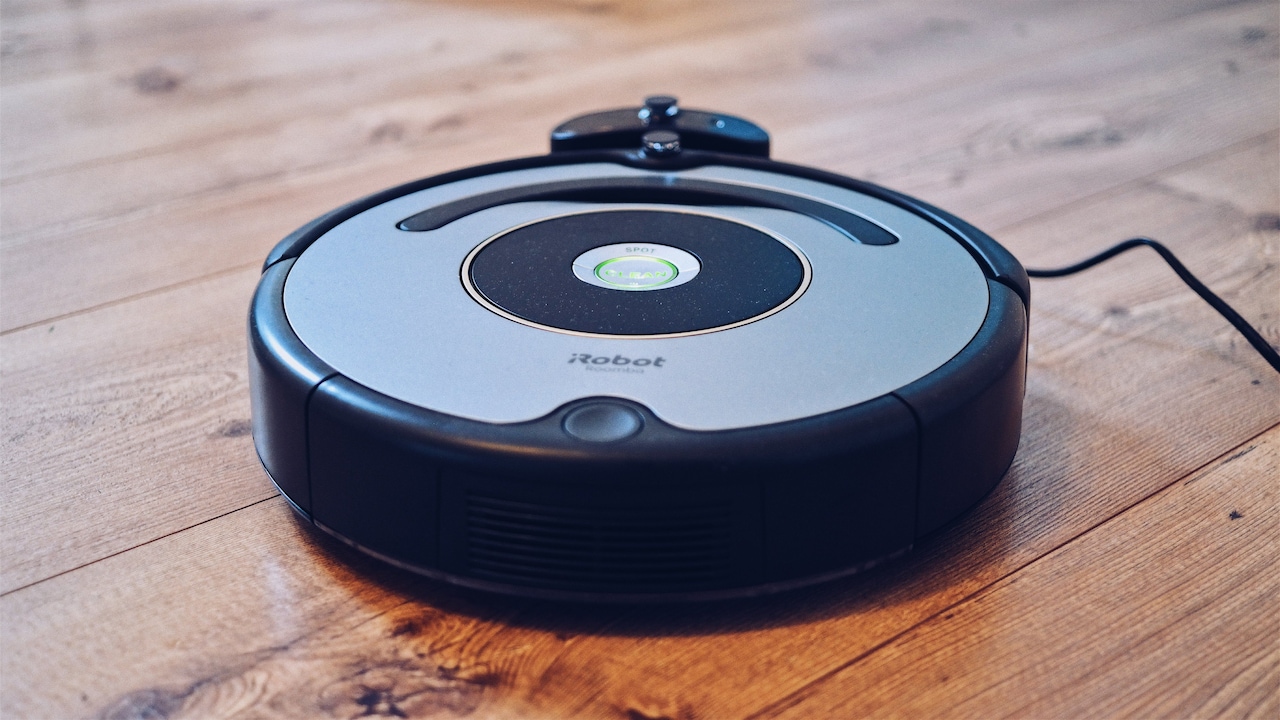
Wheel size, suspension and traction play a major role in a robot vacuum's climbing ability.
Photo Credit: Pexels
Most robot vacuum cleaners can cross low obstacles, but their climbing ability has clear limits. Wheel size, suspension, body shape and sensor programming all influence whether a robot crosses confidently or reverses in defeat.
Understanding these limits helps buyers choose the right model and prevents an expensive machine from spending its day trapped beside a doorway.
Also Read: Best-Selling Ecovacs Robot Cleaners Are Yours To Bring Home, At Up To 75% Off
What Determines A Robot Vacuum's Climbing Ability?
1. The Average Climbing Height Of A Robot Vacuum
Most modern robot vacuum cleaners can climb thresholds measuring around 1.5 to 2 centimetres. Premium models with larger wheels and stronger suspension may manage slightly higher obstacles, while basic machines can struggle with anything above 1.2 centimetres.
These figures sound straightforward, but real floors rarely provide perfect laboratory conditions. A rounded wooden strip measuring 2 centimetres may cause no trouble. A sharp-edged marble ledge of the same height can stop the robot immediately.
Approach angle matters too. A robot heading directly towards a threshold gets both drive wheels involved at nearly the same time. When it approaches diagonally, one wheel may rise while the other remains below, leaving the machine tilted and confused.
Manufacturers often advertise a maximum climbing height, but treat that number as an ideal limit rather than a daily guarantee. A model rated for 2 centimetres may cross that height occasionally yet struggle when its dustbin feels full, or its wheels collect fine dust.
For reliable movement, the everyday threshold should sit a few millimetres below the stated maximum.
2. Why Threshold Shape Matters As Much As Height
Height receives most of the attention, but the shape of a threshold often decides whether the robot succeeds.
A gently sloping transition gives the wheels time to climb. The front castor rises first, followed by the main drive wheels. The movement feels natural, rather like a scooter rolling over a mild speed breaker.
A vertical edge creates a different challenge. The front of the robot hits the surface before its wheels gain enough grip to rise. The machine may push forward, reverse, turn slightly and try again. After several attempts, it may simply wander away as though the room never existed.
Wide thresholds can also cause trouble. A narrow strip allows the robot to climb and descend quickly. A broad raised section may leave the central body resting on the obstacle while the wheels lose contact with the floor. This problem, known as high-centring, resembles a car getting stuck on a steep mound.
Rounded edges, gradual slopes and textured surfaces usually offer the easiest crossing. Sharp stone ledges and polished metal tracks create far more drama.
3. Wheel Size And Suspension Make A Major Difference
The main drive wheels do much of the hard work. Larger wheels can roll over higher edges because they meet the obstacle at a more manageable angle. Smaller wheels hit the same threshold more abruptly.
Suspension matters just as much. Many robot vacuums use spring-loaded wheels that move up and down independently. This flexibility helps the machine maintain contact with uneven flooring. When one wheel climbs a threshold, the other can remain firmly planted and continue pushing.
Budget models may offer less wheel movement and weaker motors. They work well on flat floors but lose momentum at raised transitions. Premium machines often combine deeper wheel travel, better traction and more responsive motor control.
Wheel condition also affects performance. Dust, cooking grease and strands of hair reduce grip. A robot that once crossed a doorway easily may begin slipping after several months of use.
Regular wheel cleaning can restore surprising amounts of climbing ability. Remove trapped hair, wipe the rubber tread and check that each wheel moves freely. Sometimes the robot does not need a ramp or replacement. It simply needs a quick maintenance session and a little dignity.
4. Sensors Can Mistake Thresholds For Danger
Robot vacuums do not rely on brute force alone. They use sensors to detect walls, furniture, stairs and changes in floor level. These safety systems prevent expensive tumbles, but they can also make a robot overly cautious.
Cliff sensors underneath the machine look for sudden drops. A dark threshold, black floor tile or deep-coloured rug may absorb the sensor's light. The robot can interpret that surface as an open staircase and refuse to cross.
Reflective metal strips create another problem. Light can bounce unpredictably from shiny tracks, leading to hesitation or unusual route changes. Strong sunlight near balcony doors may also interfere with navigation on some models.
Smart mapping systems help, but they cannot always overcome a sensor reading that signals danger. Safety programming usually wins.
Cleaning the sensors with a soft, dry cloth often improves performance. Dust can weaken their accuracy and create false warnings. Adjusting curtains or changing the robot's cleaning schedule may help when direct sunlight causes trouble.
Never cover cliff sensors permanently. That tempting shortcut could allow the robot to drive down an actual staircase, turning a cleaning session into a repair bill.
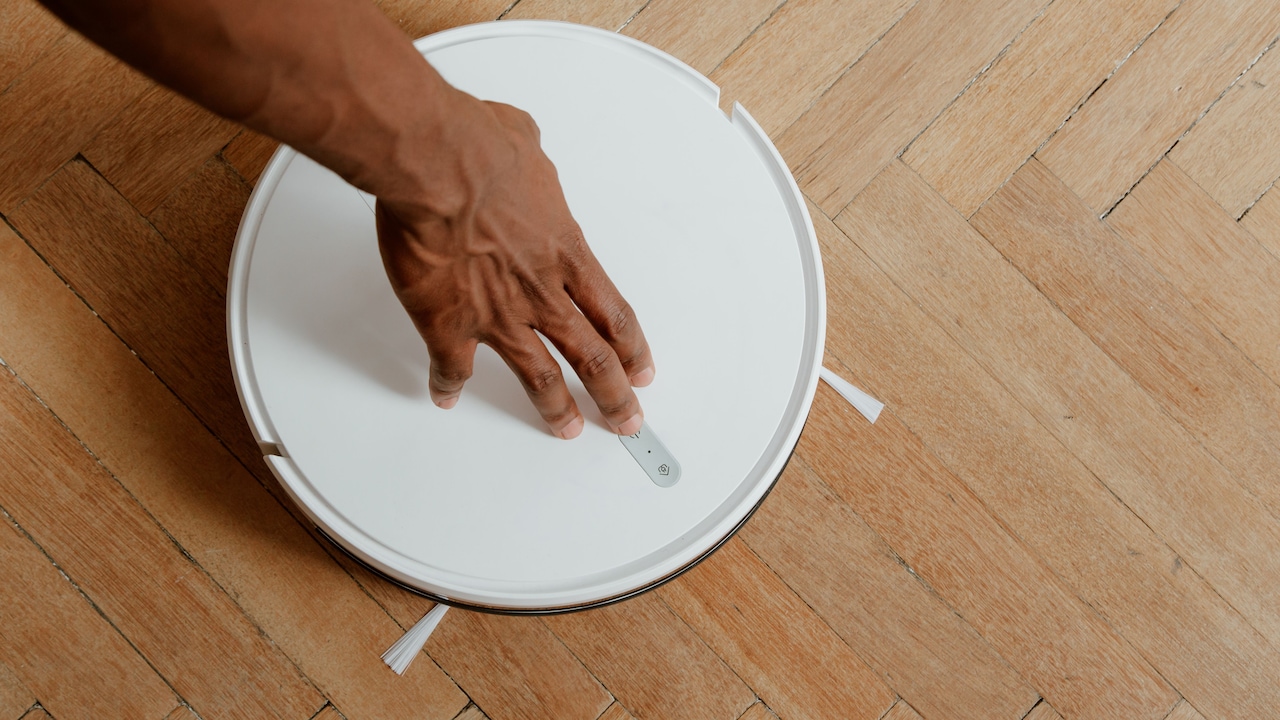
Measuring doorway thresholds before buying a robot vacuum can help you choose a model that moves more freely around your home.
Photo Credit: Pexels
5. Thick Rugs Often Behave Like Raised Thresholds
A rug does not look like a doorway ledge, but a robot vacuum may treat it in much the same way. Thick edges, curled corners and soft piles create sudden changes in height.
Low-pile rugs usually cause little trouble. The robot climbs onto them, increases suction on compatible models and continues cleaning. Shaggy rugs present a tougher test. Their fibres can wrap around side brushes, block the roller or reduce wheel traction.
Lightweight rugs may move when the robot approaches. Instead of climbing, the machine pushes the fabric forward and creates a folded ridge. That new ridge becomes even harder to cross. The result often resembles a tiny bulldozer losing an argument with a doormat.
Rubber-backed rugs usually stay in place and provide better grip. Rug tape or corner grips can also prevent movement without changing the room's appearance.
When comparing robot models, check both climbing height and carpet compatibility. A machine may cross a 2-centimetre wooden strip yet struggle with a softer rug of the same thickness. Firm obstacles and flexible surfaces create very different mechanical challenges.
6. Bathroom And Balcony Entrances Need Extra Attention
Bathrooms and balconies often contain the highest thresholds in a home. Builders raise these entrances to control water flow and protect nearby rooms from leaks. That practical design can create an impossible barrier for a robot vacuum.
A bathroom ledge may reach 3 to 5 centimetres, well beyond the climbing range of most models. Even when the robot manages to climb inside, wet floors create another concern. Standard robot vacuums should not travel through standing water. Moisture can damage wheels, sensors and internal electronics.
Sliding balcony doors commonly use aluminium tracks. These tracks may include several narrow ridges rather than one smooth rise. The robot must climb, dip and climb again within a few centimetres. Small wheels can become trapped between the rails.
Many owners simply mark these areas as no-go zones and clean them separately. Others install removable ramps when the floor remains dry and safe.
A ramp should never guide the machine towards an unprotected step, drain or wet surface. Automation feels convenient, but common sense still deserves a permanent place in the cleaning routine.
7. Simple Threshold Ramps Can Solve The Problem
A small ramp can transform an uncrossable threshold into a smooth path. Ready-made rubber, wood and plastic ramps come in different heights and widths. Custom options also work well when the doorway has an unusual shape.
The slope should remain gentle. A steep ramp may reduce the vertical edge but still exceed the robot's climbing angle. Longer ramps create easier transitions, although they take up more floor space.
The surface needs grip. Smooth acrylic or polished wood can cause the wheels to spin. Textured rubber often performs better, especially on tiled flooring. The ramp should also stay firmly in place. Double-sided mounting tape or anti-slip backing can prevent movement without requiring permanent changes.
Prices vary by material and size. Small rubber transition strips may cost a few hundred rupees, while customised wooden solutions can reach ₹1,500 or more.
Measure the threshold before buying anything. Record its height, width and available approach space. A beautifully made ramp offers little value when a nearby cupboard door cannot open over it. Practical measurements save both money and frustration.
8. Mapping Features Help Robots Approach More Successfully
Advanced robot vacuum cleaners use laser navigation, cameras or a combination of sensors to create maps. These systems improve route planning and can help the robot approach a threshold from a better direction.
A direct approach usually works best. When the robot reaches the obstacle at an angle, one drive wheel may climb before the other. The body twists, traction drops and the machine may retreat. Better mapping reduces these awkward approaches.
Some apps allow users to divide rooms, create cleaning zones and adjust boundaries. A carefully placed virtual wall can guide the robot towards the easiest crossing point. Certain premium models also recognise carpets and small obstacles, although threshold recognition remains imperfect.
Maps need occasional correction. Moved furniture, open doors and temporary objects can alter the robot's route. A bucket near the doorway or a pair of slippers can force a diagonal approach that fails repeatedly.
Keeping the crossing area clear often produces better results than changing complicated app settings. The smartest navigation system still appreciates a straightforward path. Even a sophisticated robot works more efficiently when nobody leaves a cricket bat across its preferred route.
9. Cleaning And Maintenance Improve Climbing Performance
A robot vacuum gradually loses performance when dust builds up around its moving parts. The decline may appear first at thresholds because climbing requires more power and traction than travelling across a flat floor.
Hair wrapped around the wheel axles can restrict movement. Fine dust coats the tyre tread and reduces grip. A clogged filter forces the motor to work harder, while a full dustbin adds weight. None of these problems looks dramatic alone, but together they can turn a manageable threshold into a stubborn barrier.
Check the drive wheels every week in homes with pets or long hair. Press each wheel gently to confirm that the suspension moves freely. Clean the front castor, side brushes and underside sensors as recommended by the manufacturer.
Battery health also matters. An ageing battery may provide enough power for normal movement but struggle during short bursts of high effort. The robot may climb successfully near the start of a cleaning cycle and fail later.
Good maintenance protects more than climbing ability. It also improves suction, navigation and overall lifespan, making regular care worth the few minutes it takes.
10. Choosing The Right Robot For A Home With Thresholds
Before buying a robot vacuum, walk through the home with a measuring tape. Check each doorway, rug edge, balcony track and floor transition. This simple survey reveals more than an impressive advertisement ever will.
Look for models with a climbing rating comfortably above the tallest everyday threshold. Strong drive wheels, flexible suspension and obstacle-aware navigation also help. Reviews from users with similar flooring often provide useful clues, especially when they include videos or precise measurements.
Avoid choosing a machine only by suction power. High suction improves dirt collection, but it does not guarantee strong climbing performance. A powerful vacuum can still spend half the day trapped outside the kitchen.
Consider the home's layout as well. A single impossible bathroom ledge may not matter because that area can receive separate cleaning. Several raised doorways create a bigger problem and may justify a model with better mobility.
Prices can range from under ₹15,000 for basic machines to over ₹80,000 for premium self-emptying systems. The best choice balances cleaning features with the physical realities of the floor. Checkout some latest robot vacuum cleaners on Amazon.
Products Related To This Article
1. Philips PowerPro FC9352/01-Compact Bagless Vacuum Cleaner for Home
2. AGARO Ace Wet And Dry Vacuum Cleaner for Home, 1600 Watts
3. SEZNIK Vacuum Cleaner For House
4. INALSA Wet And Dry Vacuum Cleaner for Home
5. KARCHER Wd 3 V Wet And Dry Vacuum Cleaner
6. Eureka Forbes Cyclo Vac -24 kPa High Suction Vacuum Cleaner
7. Xech Vacuum Cleaner With Blower And Inflator
Most robot vacuum cleaners can climb thresholds between 1.5 and 2 centimetres, provided the edge has a manageable shape and the wheels maintain good traction. Higher, sharper or slippery obstacles usually require a ramp or a separate cleaning plan.
Successful climbing depends on more than one specification. Wheel size, suspension, battery condition, sensor behaviour, approach angle and regular maintenance all play a role. Even a thick rug can challenge a machine that crosses solid thresholds with ease.
A few measurements before purchase can prevent repeated rescues later. Keep doorway areas clear, clean the wheels regularly and use gentle ramps where necessary.
Robot vacuums may look determined as they patrol the floor, but they remain small machines facing surprisingly large domestic mountains. Give them a sensible route, and they can spend less time arguing with doorways and more time collecting the crumbs that somehow appear five minutes after sweeping.
(Disclaimer: This article may include references to or features of products and services made available through affiliate marketing campaigns. NDTV Convergence Limited (“NDTV”) strives to maintain editorial independence while participating in such campaigns. NDTV does not assume responsibility for the performance or claims of any featured products or services.)