Mixer Grinder Overload Protectors: What They Do And Why The Machine Suddenly Stops
A mixer grinder may stop suddenly when its overload protector detects excess heat or strain. Here’s how this safety feature works, why it trips and what to do before restarting the machine.
Mixer Grinder Keeps Stopping Here's What The Overload Protector Does
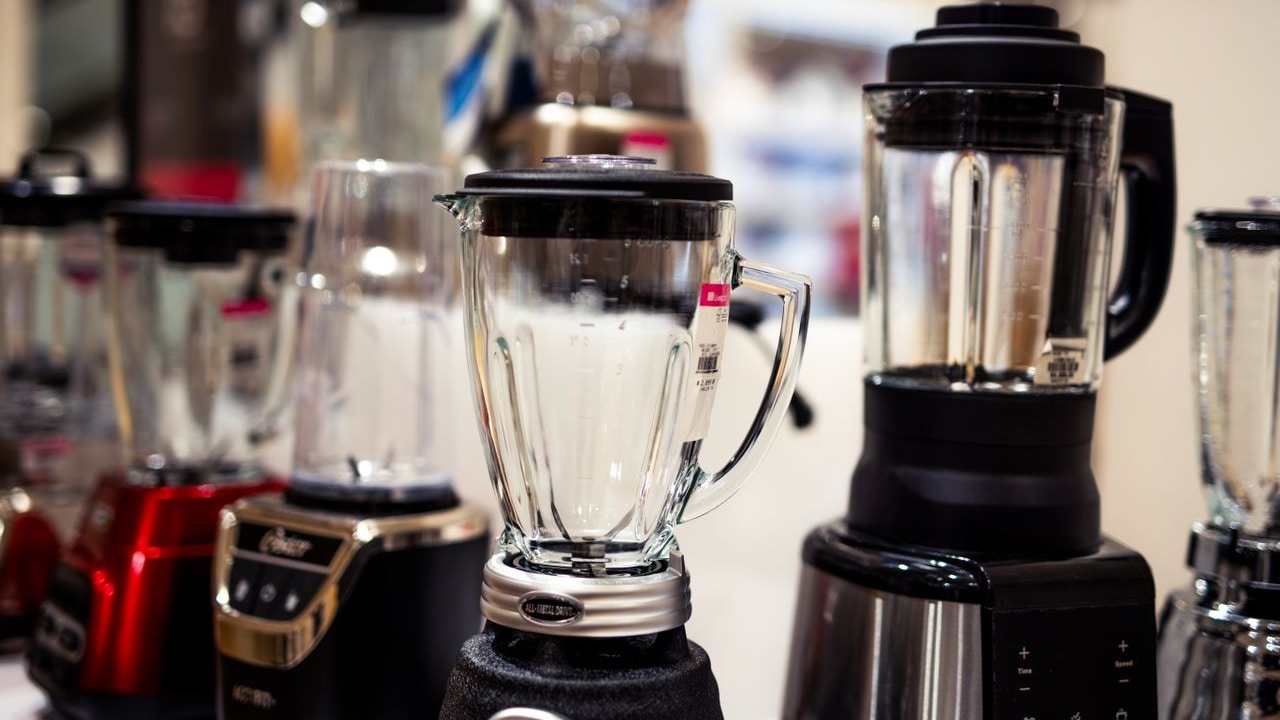
The kitchen is alive with familiar sounds. The pressure cooker whistles, onions crackle in the kadai, and the mixer grinder roars through coriander, coconut and green chillies. Then, without warning, the blades stop. The switch remains on. The plug looks fine. There may even be a faint smell of warm metal. At this point, it is natural to imagine an expensive motor failure or a cancelled breakfast plan. Yet the machine may simply be protecting itself. Most modern mixer grinders contain an overload protector, sometimes called an overload switch or thermal cut-out. This compact safety mechanism interrupts the electrical supply when the motor becomes too hot or works beyond its safe capacity. It acts like a watchful kitchen assistant who knows when enthusiasm has crossed into overwork.
Mixer Grinder Keeps Stopping Here's What The Overload Protector Does
Photo Credit: Pexels
The protector cannot prevent every fault, but it can reduce the risk of burnt windings, damaged insulation and permanent motor failure. Knowing why it activates, how to reset it and when to seek professional help makes everyday appliance use safer and far less mysterious.
Understanding Mixer Grinder Overload Protectors
1. What An Overload Protector Actually Does
An overload protector monitors the amount of stress placed on the mixer grinder's motor. When the motor draws excessive current or reaches an unsafe temperature, the protector cuts the power supply. The blades stop turning, even though the appliance may still be connected to the socket.
This interruption prevents heat from building inside the motor windings. Without such protection, the insulation around the copper wires could deteriorate. The motor might burn out, produce smoke or create an electrical hazard.
Some mixer grinders use a small reset button underneath the base. Others rely on an automatic thermal device that reconnects after the motor cools. The exact design varies, but the purpose remains the same: stop the machine before temporary strain becomes permanent damage.
Think of the protector as the electrical equivalent of taking a water break during a summer cricket match. The pause may feel inconvenient, especially when guests are waiting for fresh chutney, but continuing under extreme heat would cause far greater trouble. A few minutes of patience can protect an appliance that costs several thousand rupees to replace.
2. Why Heavy Ingredients Put The Motor Under Pressure
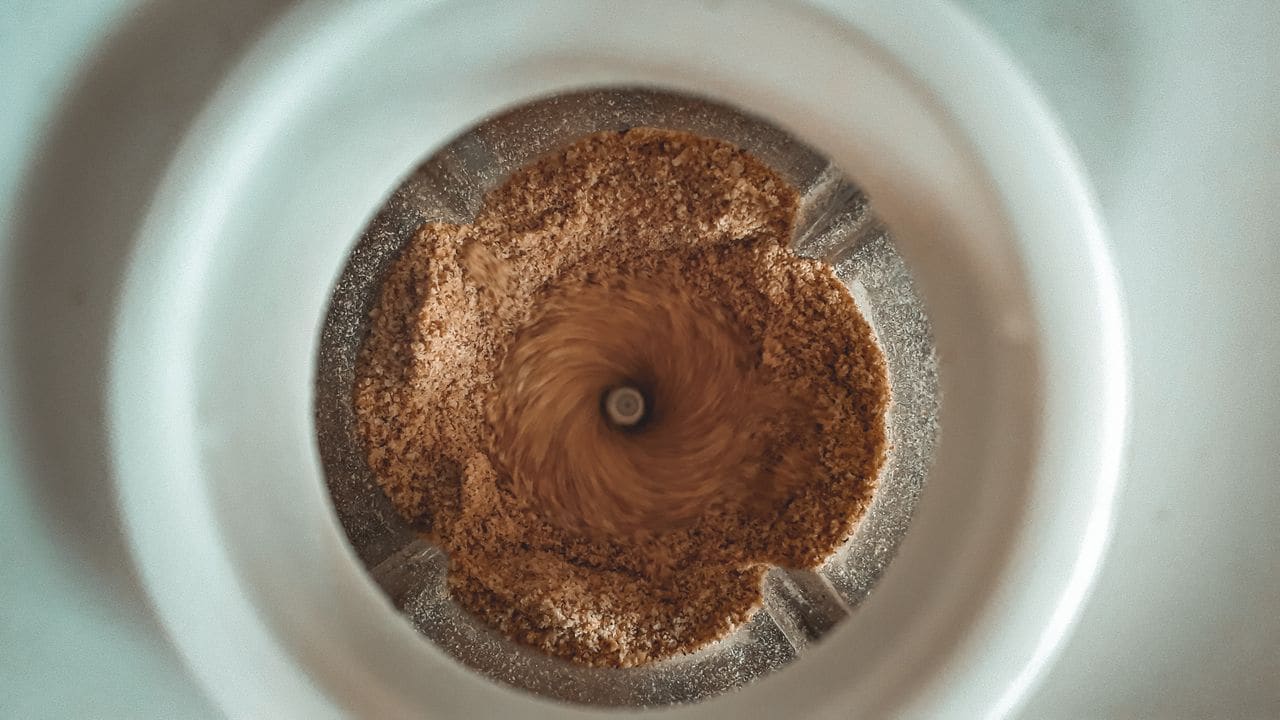
Mixer grinders handle impressive workloads, but they still have limits. Dry turmeric, roasted gram, thick coconut mixtures, soaked lentils and dense spice pastes create strong resistance around the blades. The motor must work harder to maintain speed, which increases electrical current and heat.
Trouble often begins when a jar contains too much food and too little liquid. Ingredients pack tightly around the blades, leaving them with little room to move. Instead of forming a smooth vortex, the contents sit like stubborn traffic at a busy junction.
Grinding large quantities in one batch also places additional strain on the coupler, bearings and motor shaft. A 500-watt machine may manage everyday chutneys comfortably, yet struggle with a jar filled to the brim with hard ingredients. Even a more powerful model needs breathing space.
Smaller batches usually give better results and reduce motor stress. Adding liquid gradually can also help, provided the recipe allows it. The aim is not to turn every masala into soup, but to give the blades enough freedom to circulate ingredients rather than wrestle with a solid wall of food.
Also Read: Upgrade Your Kitchen: Top 5 Juicer Mixer Grinders In India
3. How Continuous Running Causes Sudden Shutdowns
Mixer grinders are built for short bursts of work, not marathon sessions. Running the appliance continuously for several minutes generates heat faster than the motor can release it. The temperature rises inside the housing, and the overload protector eventually interrupts the supply.
This often happens during festival preparation, when several spice mixes, batters and chutneys must be finished quickly. One jar follows another without a pause. The machine may cope at first, then suddenly surrender during the final batch, usually at the least convenient moment.
Short operating cycles give the motor time to cool. Pulsing the machine also helps ingredients settle and prevents the blades from spinning needlessly at full speed. After each demanding batch, a brief rest can make a considerable difference.
The ventilation openings around the appliance base must remain clear as well. Placing the mixer grinder on a soft cloth, newspaper or crowded shelf can restrict airflow. Heat then becomes trapped inside the body. A clean, flat worktop provides better ventilation and greater stability. The machine does not need royal treatment, but it certainly appreciates a little elbow room.

Mixer Grinder Keeps Stopping Here's What The Overload Protector Does
Photo Credit: Pexels
4. What The Reset Button Is For
Many mixer grinders have a small red, black or white reset button beneath the main unit. Its location keeps it away from accidental presses, although it also means owners sometimes discover it only after turning the machine upside down in mild panic.
When the overload protector trips, the button may pop out or disconnect the internal circuit. Before pressing it, switch off the appliance and remove the plug from the socket. Empty or reduce the contents of the jar, check whether the blades can move freely and allow the motor to cool.
After about 15 to 30 minutes, place the appliance on its side or carefully tilt it to access the button. Press it gently until it clicks. Return the machine to its normal position, reconnect the plug and test it with a light load.
Repeatedly pressing the reset button without addressing the cause defeats its purpose. If the jar remains overfilled or the blades stay jammed, the protector will trip again. The reset button is not a magic restart command. It is an invitation to correct the problem before giving the motor another round.
5. Why Jammed Blades Trigger The Protector
Blades can jam when hard ingredients lodge underneath them or when thick paste settles tightly around the blade assembly. Small pieces of cinnamon, dry dates, seeds or coconut shell can also restrict movement. The motor continues trying to rotate the blade, but resistance causes a rapid rise in current.
A humming sound without blade movement is a common warning. Continuing to hold the switch in this situation can overheat the motor within seconds. Turn the appliance off immediately and disconnect it from the socket.
Remove the jar and check the contents. Use a spatula to loosen the mixture, but never place fingers near the blades. If the jar has a removable blade assembly, follow the manufacturer's instructions rather than forcing it open with household tools.
The blades should rotate with reasonable freedom when the jar is empty, although some resistance from the seal is normal. If they feel unusually stiff, the bearings may need attention. A damaged bearing can make the motor work harder during every use, causing frequent overload trips. What looks like a motor problem may therefore begin with a small mechanical obstruction inside the jar.
Also Read: Mixer Grinder Under ₹2000 To Suit Your Daily Needs; Check Out These Top 5 Options
6. How Low Voltage And Power Fluctuations Affect Performance
A mixer grinder depends on a stable electrical supply. When voltage drops, the motor may struggle to produce enough torque. It draws more current while attempting to maintain speed, which creates heat and may activate the overload protector.
This problem becomes noticeable during peak electricity demand, especially when several heavy appliances operate at the same time. A mixer grinder may sound slower than usual, produce an uneven hum or stop while processing a load that normally causes no difficulty.
Loose plugs, damaged extension boards and worn socket contacts can create similar symptoms. These connections increase electrical resistance and generate heat. The appliance may receive an inconsistent supply even when the rest of the house appears unaffected.
A mixer grinder should ideally connect directly to a suitable wall socket. Cheap multi-plug adaptors may not handle the motor's starting current safely. If lights flicker when the machine starts, or the plug becomes warm, an electrician should inspect the circuit. The overload protector safeguards the appliance, but it cannot repair poor wiring. Electrical problems deserve more attention than a firm tap on the switchboard and a hopeful expression.
7. The Difference Between Overloading And A Motor Fault
An overload shutdown is usually temporary. The machine stops after a demanding task, feels warm and starts again once it has cooled and been reset. A genuine motor fault tends to produce more persistent symptoms.
Warning signs include repeated tripping with an empty jar, strong burning smells, sparks, smoke, harsh grinding noises or complete failure to start after cooling. The motor may also run unusually slowly, even with a light load. These symptoms can indicate damaged windings, worn carbon brushes, faulty bearings or an electrical short.
A warm appliance does not automatically mean disaster. Motors naturally produce heat during operation. The concern begins when the body becomes too hot to touch comfortably or gives off a sharp electrical smell.
Avoid opening the mixer grinder at home unless trained to repair electrical appliances. Capacitors and internal wiring can remain hazardous, and an incorrect repair may create a shock or fire risk. It may also affect warranty coverage. A qualified service technician can test current draw, insulation, brushes and motor continuity. Spending ₹300 to ₹800 on proper diagnosis may prevent a much costlier replacement or an unsafe kitchen experiment.
8. How Jar Size And Speed Settings Influence Overloading
Every jar serves a different purpose. A small chutney jar suits limited quantities, while a larger liquidising jar handles shakes, gravies and batters. Using the wrong jar can increase resistance and reduce circulation.
A tiny quantity in a large jar may simply bounce around without reaching the blades. An excessive quantity in a small jar can pack tightly and overload the motor. Following the jar's recommended capacity produces smoother results and protects the appliance.
Speed selection matters too. Starting a thick mixture at the highest setting can place an abrupt load on the motor. Beginning at a lower speed and increasing gradually allows the ingredients to move more evenly. The pulse function works well for breaking hard pieces before continuous grinding.
Lids must sit securely, and jars must lock correctly onto the base. A misaligned jar can cause the coupler to slip or grind against the drive socket. That extra friction creates noise, heat and wear. The appliance may sound dramatic, but louder does not mean more powerful. Correct jar placement, sensible quantities and gradual speed changes usually deliver better texture without making the motor fight for its life.
9. Simple Habits That Prevent Frequent Tripping
Preventing overload starts before the switch is pressed. Cut large ingredients into smaller pieces so the blades can process them evenly. Soak suitable items, such as lentils or dry chillies, when the recipe permits. Check hard spices for stones, stalks or other unwanted pieces.
Do not fill the jar beyond its recommended level. Leave enough space for the ingredients to circulate. For thick mixtures, stop occasionally and scrape the sides with a spatula after disconnecting the appliance.
Allow short cooling breaks between batches. Clean the air vents around the motor base with a dry brush or cloth, as accumulated flour, spice dust and grease can restrict airflow. Keep the appliance away from the stove, where external heat adds to the motor's temperature.
Inspect the coupler regularly. Cracks, worn edges or melted sections suggest that the jar and motor shaft are not engaging properly. Replacing a coupler is usually far cheaper than repairing a damaged motor.
These habits require little effort. They also improve grinding consistency. The reward is smoother batter, finer masala and fewer moments spent staring suspiciously at a silent appliance while breakfast waits.

Mixer Grinder Keeps Stopping Here's What The Overload Protector Does
Photo Credit: Pexels
10. When To Stop Resetting And Call A Technician
An occasional overload trip after a heavy grinding session is usually no cause for alarm. Frequent shutdowns, however, signal a deeper problem. If the mixer stops repeatedly during light tasks, professional inspection becomes sensible.
Check the easy causes first. Reduce the load, clean the vents, test another suitable socket and examine the jar for jammed blades. Let the machine cool fully before trying again. If the fault returns, avoid repeated resets.
A protector that trips constantly may be responding to worn bearings, weak motor windings, damaged brushes, a faulty capacitor or an internal wiring problem. The protector itself can also fail, although bypassing it is never safe. Removing this safeguard may allow the motor to run until it burns out or overheats dangerously.
Use an authorised service centre while the appliance remains under warranty. Keep the purchase invoice and warranty details accessible rather than hidden beneath a heroic pile of instruction manuals. For older machines, compare the repair estimate with the cost of replacement. A modest repair may extend the appliance's life for years, but major motor work on a heavily worn unit may offer poor value.
Products Related To This Article
1. Philips Stainless Steel Mixer Grinder + Food Processor
2. Lifelong LLMG23 Power Pro 500-Watt Mixer Grinder with 3 Jars
3. Prestige Apex 500 Watt Mixer Grinder with 3 Stainless Steel Jars
4. Preethi Zion MG-227 mixer grinder 750 watt Black
5. Sujata MG03 Mixer Grinder |1000 Watts Double Ball Bearing Motor
6. Bajaj 500 Watt GX-1 Mixer Grinder with 3 Jars
7. Ninja Blast Portable Cordless Blender (BC151INNV)
A mixer grinder that suddenly stops is not always announcing its retirement. In many cases, the overload protector has simply noticed excess heat, a jammed blade, a heavy load or an unstable power supply. Its interruption protects the motor from damage and gives the user a chance to correct the cause.
The safest response is straightforward: switch off the appliance, unplug it, reduce the load and allow it to cool. Check the blades, jar position, ventilation and power connection before using the reset button. Once the underlying problem has been removed, the mixer grinder will often return to work without complaint.
Regular tripping should never become part of the kitchen routine. Persistent shutdowns, burning smells or unusual noises require expert attention. The overload protector is a safety net, not permission to keep pushing a struggling motor.
A little care can keep the familiar kitchen roar going for years. Smaller batches, sensible rest periods and proper cleaning may seem ordinary, but they protect both the appliance and the morning peace. After all, a machine that pauses before burning out is not being temperamental. It is making a surprisingly sensible decision. Shop now!
(Disclaimer: This article may include references to or features of products and services made available through affiliate marketing campaigns. NDTV Convergence Limited (“NDTV”) strives to maintain editorial independence while participating in such campaigns. NDTV does not assume responsibility for the performance or claims of any featured products or services.)