Epilator Buying Guide: Tweezer Count, Speed Modes And Attachments
Confused by tweezer count, speed modes and epilator attachments? This guide explains what matters before buying, from comfort and hair type to wet-and-dry use, helping you choose the right epilator for smooth, lasting results.
Epilator Buying Guide: Tweezer Count, Speed Modes And Attachments
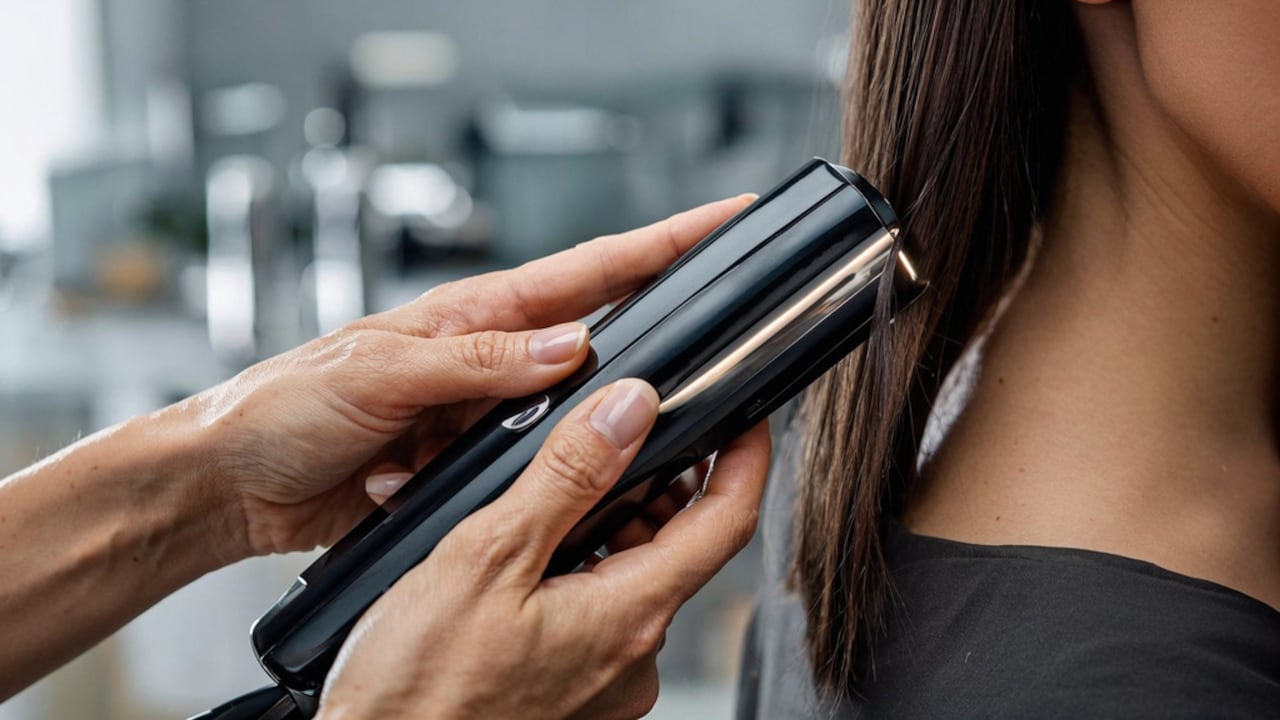
Hair removal often begins with a quick razor and a promise to “deal with it properly next time”. Then comes the familiar cycle of stubble, hurried shaving and bathroom shelves crowded with half-used products. An epilator offers a longer-lasting alternative by pulling hair from the root, much like waxing, but without salon appointments or sticky strips. Buying one, however, can be confusing. Tweezer count sounds technical. Speed settings appear useful, but their purpose may not seem obvious. Attachments can range from genuinely helpful to the grooming equivalent of decorative cushions: nice to have, rarely used.
Epilator Buying Guide: Tweezer Count, Speed Modes And Attachments
Photo Credit: Pexels
The best epilator is not always the most expensive model. A device priced at ₹3,000 may suit a beginner better than a feature-heavy option costing ₹9,000. Comfort, grip, charging time and suitability for different body areas matter just as much as power.
The following ten considerations make it easier to compare models and choose one that fits real routines rather than advertising promises.
Key Factors To Consider Before Buying An Epilator
1. Understand How Tweezer Count Affects Performance
Tweezer count refers to the number of tiny gripping points inside the epilator head. These tweezers rotate and pull out several hairs as the device moves across the skin. A higher count usually means faster hair removal because the epilator can catch more strands in one pass.
Entry-level models may contain around 20 tweezers, while advanced devices can offer 40 or more. A 20-tweezer epilator may work well for smaller areas, occasional use or beginners who prefer a gentler experience. It usually takes longer, though, especially on the legs.
A model with 40 tweezers can cover larger areas more quickly. This suits people with thicker hair or limited patience. After all, few evenings improve when a grooming routine begins to feel like a three-part television serial.
More tweezers do not always mean less discomfort. Faster removal can feel intense on sensitive skin. Technique, hair length and skin preparation influence comfort too. Shoppers should therefore treat tweezer count as a speed indicator rather than a guarantee of painless performance.
2. Choose A Tweezer Count Based On Body Area
Different body areas demand different levels of precision. Legs offer a broad, fairly even surface, so a high tweezer count can save time. Underarms, the bikini line and facial areas require more control because the skin may be delicate or uneven.
For regular leg epilation, a device with 30 to 40 tweezers often provides a useful balance between speed and comfort. Dense hair can take several passes with a low-tweezer model, which may irritate the skin through repeated contact.
For sensitive areas, fewer tweezers or a narrow attachment may feel more manageable. The goal is not to remove every hair at heroic speed. Slow, controlled movement usually produces a cleaner and calmer result.
Some premium epilators include a wide head for legs and a smaller cap for precision work. This design offers flexibility without requiring two separate devices. Buyers planning to use one epilator from ankle to underarm should pay close attention to head size and available caps.
A machine that performs brilliantly on the legs may feel clumsy near curved areas. Matching the head and tweezer count to intended use prevents uncomfortable surprises after purchase.
3. Look For At Least Two Speed Modes
Speed modes control how quickly the epilator head rotates. Most reliable models offer two settings. The lower speed provides greater control, while the higher speed removes hair more quickly from larger areas.
Beginners may appreciate a slow mode during the first few sessions. It allows the skin to adjust and makes it easier to handle tricky sections. Sensitive areas also benefit from a lower setting because rushed movement can lead to pinching or repeated passes.
The faster mode works well on legs and arms once the user becomes comfortable with the device. It can shorten the session considerably, especially when hair growth is thick or widespread.
A single-speed model may still work, but it offers less flexibility. If the speed feels too intense, there is no gentler alternative. If it feels too slow, the routine can become tedious.
Two modes are usually enough for home use. Three or more settings sound impressive, but many people settle into using one low and one high option. A practical speed switch matters more than a long list of modes that rarely leave the instruction manual.
Also Read: How To Choose The Right Epilator For Beginners
4. Decide Between Corded And Cordless Models
Corded epilators provide consistent power and never require charging. They suit people who prefer long grooming sessions or tend to forget that rechargeable devices need electricity before they can perform miracles.
The main drawback is restricted movement. The cable may feel awkward, particularly in smaller bathrooms or near areas without a convenient socket. Corded models also cannot usually be used in the shower.
Cordless epilators offer greater freedom. They are easier to move around the body and simpler to pack for holidays, weddings or work trips. Many modern models provide 30 to 50 minutes of use after a full charge, which is enough for most sessions.
Charging time deserves attention. Some devices take one hour, while others require several hours. A quick-charge function can be useful when one leg is smooth, and the battery suddenly gives up before the second leg gets its turn.
Cordless convenience often costs more. A basic corded model may start near ₹2,000, while feature-rich rechargeable options may cost ₹5,000 or above. The better choice depends on bathroom layout, travel habits and willingness to maintain a charging routine.
5. Consider Wet And Dry Functionality
A wet-and-dry epilator can be used on dry skin or in the shower. Warm water may soften hair and relax the skin, making the process feel more comfortable for some users. It also allows easy rinsing of the epilator head after use.
Dry epilation, however, often grips hair more effectively because the strands remain firm and easy to catch. It also makes it easier to see fine hair under bright light. People who value speed may prefer using the device on completely dry skin.
Wet use can suit beginners or anyone with sensitive skin. A warm shower before epilation may help reduce the sharp sensation associated with hair removal. Shower gel should only be used if the manufacturer clearly permits it, as thick products can affect grip.
A waterproof model usually costs more than a basic dry-use device. Buyers should consider whether they genuinely plan to use it in water. Paying extra for a shower-safe design makes little sense when every grooming session happens in front of a bedroom mirror.
Wet-and-dry capability is valuable, but only when it matches an established routine.
6. Check Which Attachments Offer Real Value
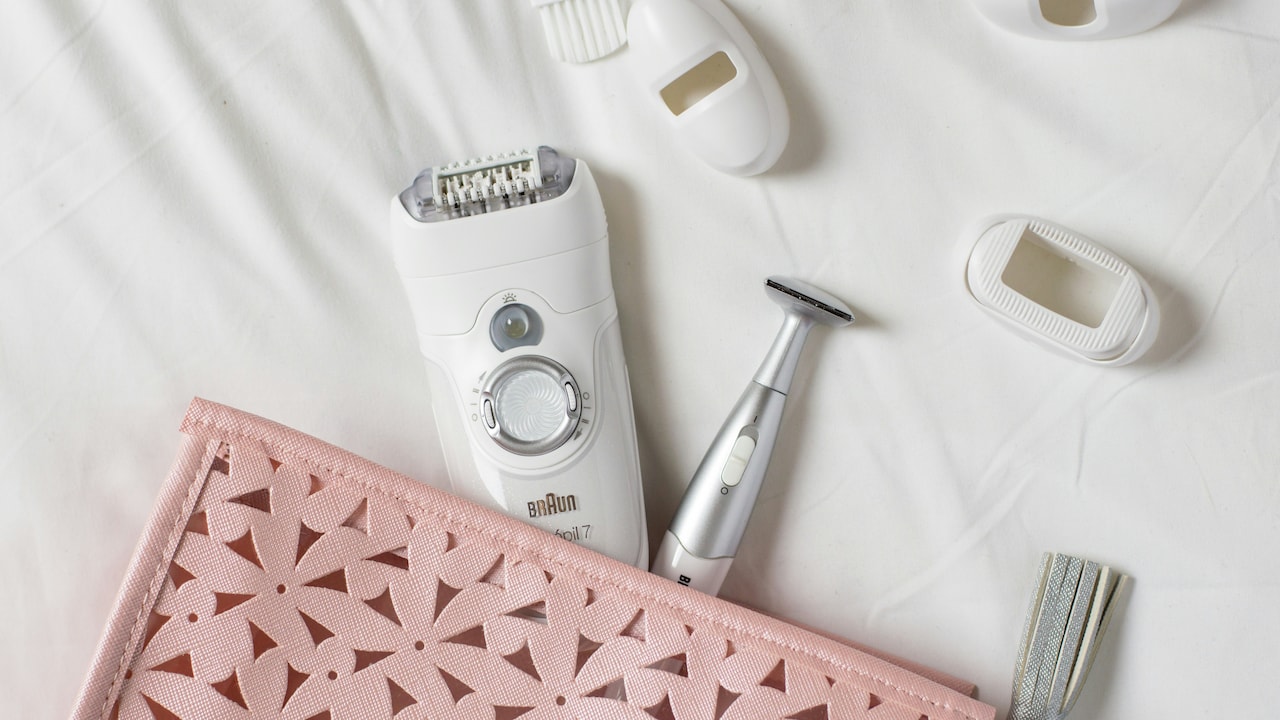
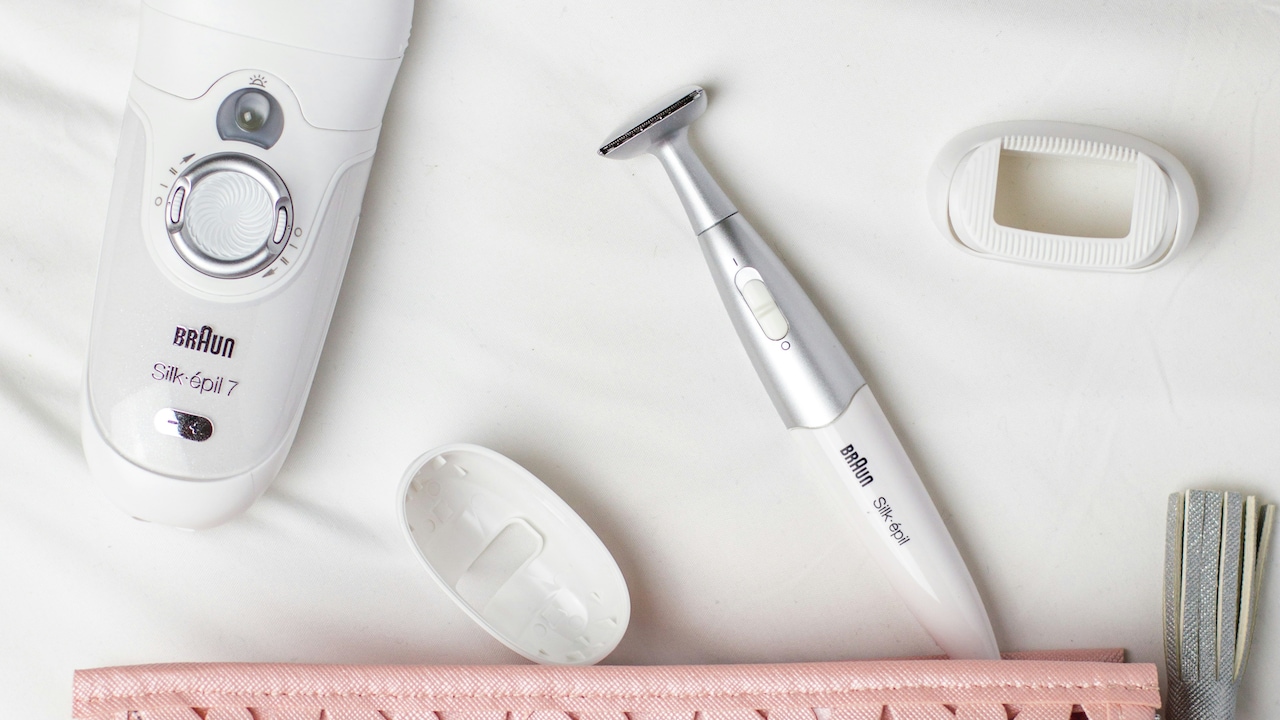
Attachments can transform a basic epilator into a versatile grooming tool. Common options include a sensitive-area cap, facial cap, shaving head, trimming comb, massage cap and exfoliating brush.
A sensitive-area cap reduces the active epilating surface. This helps users work around underarms or the bikini line with more control. A facial cap serves a similar purpose but covers an even smaller area.
A shaving head can be useful when full epilation feels too uncomfortable or when hair needs quick removal. The trimming comb shortens longer hair before epilation, which may reduce pulling and improve results.
Massage caps aim to stimulate the skin during use. Some users find them soothing, while others notice little difference. Exfoliating brushes can support skin preparation, but they should not be used aggressively immediately before or after epilation.
More attachments do not automatically make a better purchase. A box filled with eight accessories may look exciting, yet only two might become part of the weekly routine. Buyers should focus on attachments linked to specific body areas and grooming habits.
Epilator Buying Guide: Tweezer Count, Speed Modes And Attachments
Photo Credit: Pexels
7. Pay Attention To Head Width And Flexibility
A wide epilator head covers more skin in each pass. This can reduce the time required for legs and arms. Narrow heads offer better precision around ankles, knees, underarms and other curved areas.
Some premium epilators include flexible heads that follow body contours. This feature can improve contact with the skin and help the tweezers catch short or flat-lying hairs. It also reduces the need to twist the wrist into positions usually associated with advanced yoga.
A fixed head may still perform well when the user holds the epilator at the correct angle. Many manufacturers recommend keeping the device close to 90 degrees against the skin. A built-in angle indicator on certain models helps maintain proper contact.
Head design becomes especially important for beginners. Poor contact can lead to missed hair, repeated passes and unnecessary irritation. A head that feels stable and moves naturally across the skin makes the learning process easier.
When shopping offline, holding a display model can reveal whether the width and flexibility feel manageable. For online purchases, product dimensions and customer photographs often provide a clearer sense of scale.
8. Examine Grip, Weight And Built-In Lighting
An epilator should feel secure in the hand. Grooming sessions can last 20 minutes or more, so a heavy or slippery device may become uncomfortable. A textured grip is particularly useful for wet use.
Weight affects control. Very light models can feel easy to handle but may vibrate more. Heavier devices may feel solid, though they can tire the wrist during long sessions. The ideal balance depends on hand size and intended body areas.
Built-in lighting is one of the most practical features available. Fine hairs often disappear under ordinary bathroom lighting, only to make a grand comeback in sunlight. A small LED near the epilator head highlights missed strands and improves accuracy.
Light placement matters. It should illuminate the area ahead of the tweezers without creating glare. This feature may sound minor compared with speed modes or attachments, yet it often makes a noticeable difference in everyday use.
Buttons should also sit in an accessible position without being too easy to press accidentally. Few things disturb concentration like switching from gentle mode to full speed midway through an underarm session.
9. Think About Cleaning And Maintenance
Regular cleaning keeps an epilator hygienic and helps the tweezers work efficiently. Hair and skin particles can collect inside the head, especially after longer sessions.
Many models include a small cleaning brush. Removable washable heads are even more convenient because they can be rinsed under running water. The main body should only be exposed to water when the product is fully waterproof.
Users should allow the head to dry completely before reattaching it. Storing a damp epilator in a closed pouch can create unpleasant smells and reduce hygiene.
Some models require occasional lubrication of the shaving attachment. Others need replacement foil heads or brushes after extended use. These costs may seem small at first, but they affect long-term value.
The storage pouch also deserves a glance. A durable case keeps attachments together and protects the tweezers while travelling. Without one, tiny caps have a mysterious habit of disappearing into drawers alongside safety pins, old SIM cards and spare buttons.
A well-maintained epilator can remain effective for years. Easy cleaning is therefore not a minor feature. It directly influences performance, comfort and product lifespan.
10. Compare Price, Warranty And Brand Support
Epilator prices vary widely. Basic corded models may cost between ₹2,000 and ₹3,500. Mid-range rechargeable devices often fall between ₹4,000 and ₹7,000. Premium wet-and-dry kits with multiple heads may cross ₹10,000.
Price should be compared with features that will actually be used. A lower-cost device with two speeds and a washable head may offer better value than a premium kit filled with unnecessary accessories.
Warranty coverage provides useful protection, especially for rechargeable models. Battery issues, charging faults and motor problems may appear after several months. A two-year warranty can offer more confidence than a brief replacement window.
Service availability matters as much as warranty length. A famous brand with support centres across major cities may prove easier to deal with than an unfamiliar online label offering impressive specifications but no clear repair process.
Customer reviews can reveal information about noise, battery decline, replacement parts and durability. Reviews should be read with balance, though. Epilation comfort varies greatly, and one person's “barely noticeable sensation” may feel like a tiny army plucking hairs to someone else.
Epilator Buying Guide: Tweezer Count, Speed Modes And Attachments
Photo Credit: Pexels
Products Related To This Article
1. Braun Silk-epil 3-000 Epilator with 20 Tweezers & Massage Rollers
2. BOMBAE Face & Eyebrow Epilator
3. BELENZO Mini Facial Hair Remover For Upper Lips, Chin & Cheeks
4. Womenhood Mini Face Shaver & Eyebrow Rechargeable Hair Remover Epilator
5. BELENZO Mini Facial Hair Remover For Upper Lips, Chin & Cheeks
6. TRENDZIE SKIN CARE Painless Eye Brow Epilator
7. Havells FD5000 Pink Women Battery Operated Facial Hair Remover
A good epilator should make hair removal simpler, not turn it into a technical project. Tweezer count affects speed, while head size influences precision. Two speed modes provide useful control, and wet-and-dry functionality can improve comfort for sensitive skin.
Attachments deserve careful attention because the right cap or shaving head can add genuine versatility. Yet a larger accessory collection does not always justify a higher price. Grip, lighting, charging time and cleaning design often matter more during regular use.
Beginners may prefer a mid-range model with around 20 to 30 tweezers, two speeds, a sensitive-area cap and a washable head. Experienced users with thicker growth may benefit from 40 tweezers, a wide flexible head and cordless wet-and-dry operation.
The wisest purchase matches personal habits. Someone who removes only leg hair needs a different device from a person seeking one tool for the face, underarms and bikini line. Skin sensitivity, available time and budget should guide the final choice.
A little discomfort may remain part of epilation, particularly during the first few sessions. With the right device and steady technique, however, the process becomes quicker, easier and far less dramatic than the first nervous pass suggests.
(Disclaimer: This article may include references to or features of products and services made available through affiliate marketing campaigns. NDTV Convergence Limited (“NDTV”) strives to maintain editorial independence while participating in such campaigns. NDTV does not assume responsibility for the performance or claims of any featured products or services.)