Why Running Shoes May Not Work As Gym Shoes For Men Workout Routines
Are touch-free smart dustbins genuinely more hygienic and convenient, or simply an expensive gadget? Explore their benefits, drawbacks, maintenance needs and value for everyday homes.
Running Shoes Vs Gym Shoes: What Men Need For Better Workouts
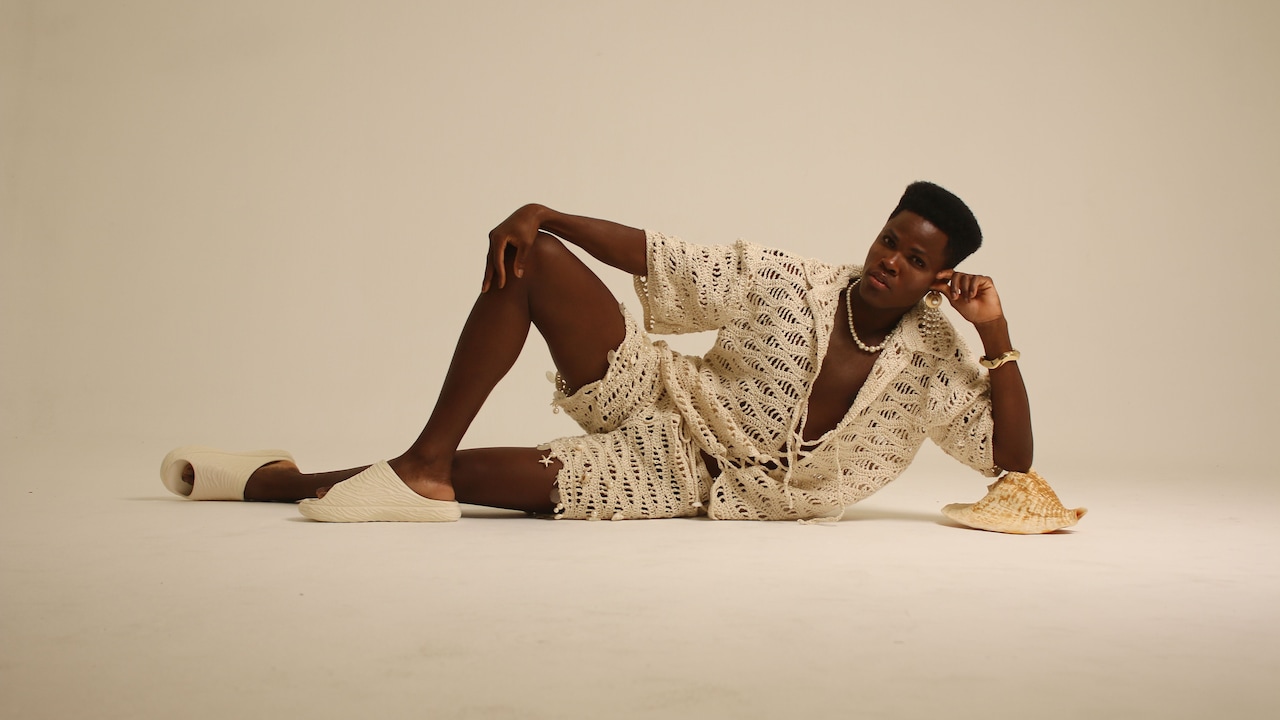
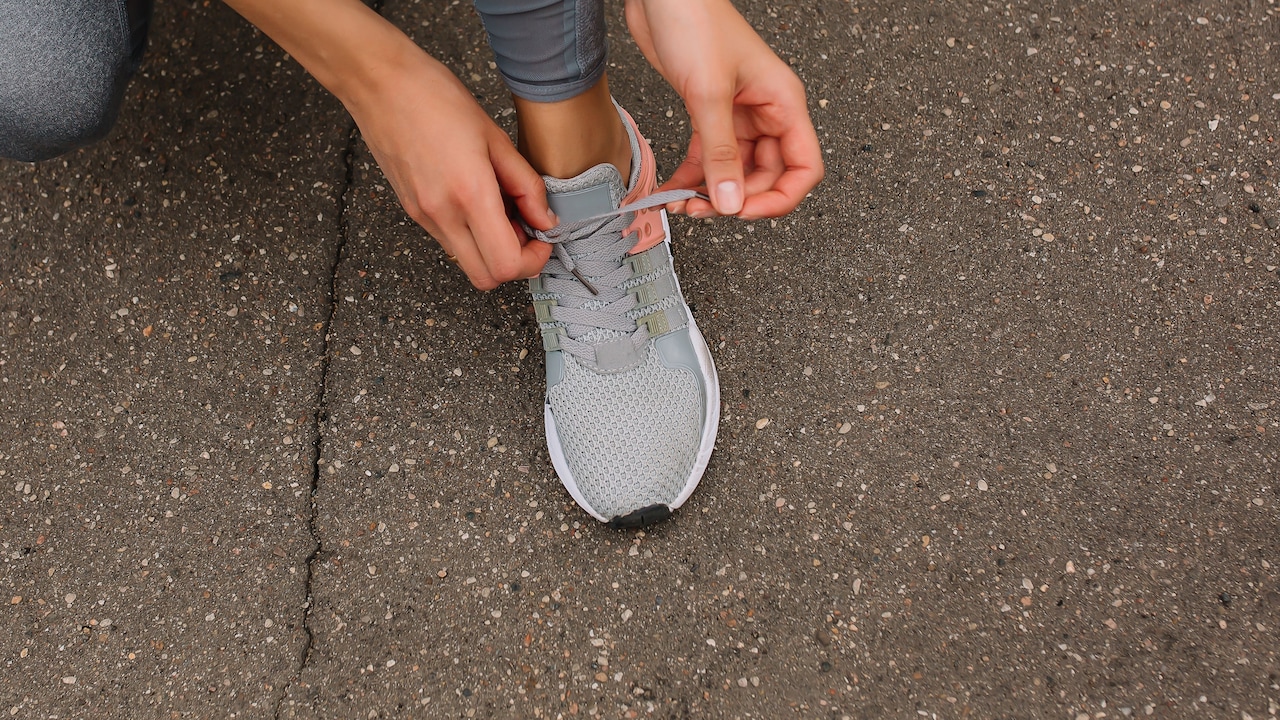
Running shoes cushion forward motion, but gym workouts need stability, grip and lateral support. Here's why the wrong pair can affect lifting form, balance and performance. A pair of sports shoes can look ready for anything. Lace them up, add a gym bag and the workout mood arrives almost instantly. That confidence, however, can disappear halfway through a heavy squat when the heels sink into thick foam, and the ankles begin to wobble. Running shoes serve a clear purpose. They support repeated forward movement and soften the impact created when the feet strike the road or treadmill. Gym workouts rarely follow such a simple path. A session may involve lifting, jumping, pushing, pulling, lunging and changing direction within minutes. Each movement requires control rather than bounce.
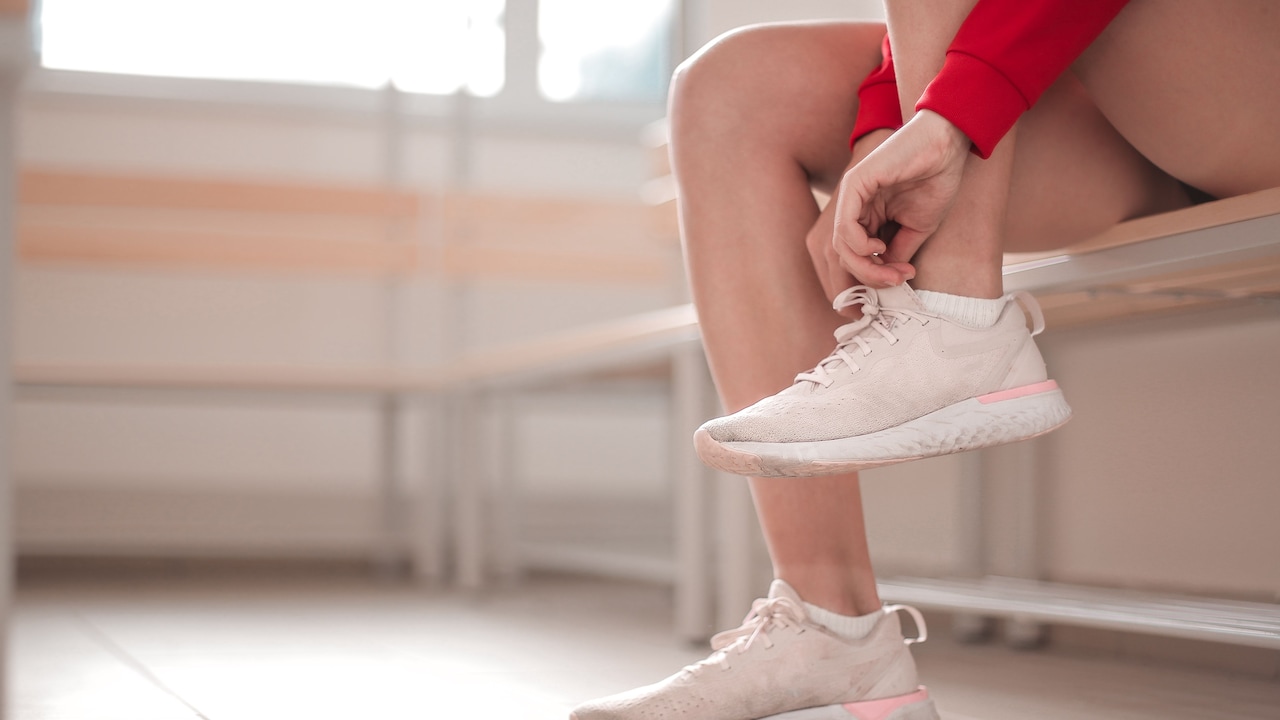
Running Shoes Vs Gym Shoes: What Men Need For Better Workouts; Photo Credit: Pexels
This does not make running shoes bad. It simply means that they may not suit every training style. Wearing them for a light treadmill warm-up makes sense. Depending on them for heavy lifting, lateral drills or fast circuits may create problems.
Understanding the difference can save money, prevent discomfort and make training feel more secure. A suitable gym shoe does not need to cost ₹15,000 or resemble something designed for a superhero. It only needs to match the movement.
Also Read: Best Gym Training Shoes with Non-Slip Grip for Workouts Under Rs. 2000
Key Reasons Running Shoes Fall Short In The Gym
Running Shoes Focus On Forward Motion
Running follows a largely predictable pattern. The body travels forward, one foot lands, the other foot lifts, and the cycle continues. Running shoes support this rhythm through curved soles, responsive foam and flexible forefoot sections. These features help the foot roll from heel to toe with less effort.
Gym workouts demand a broader range of motion. A person may move sideways during skater jumps, step backwards into a lunge or rotate during a cable exercise. Running shoes do not always support these directions well because their structure prioritises forward movement.
Imagine wearing cushioned running shoes during a fast shuttle drill. The feet may feel comfortable while moving ahead, but a sudden side step can make the sole feel unstable. It resembles taking a sharp turn on a soft mattress. The shoe responds slowly because the cushioning compresses before the foot can push away.
Gym shoes usually have wider bases and firmer sidewalls. These features support multidirectional movement and help the feet stay centred. For men with workout routines that mix strength, agility and conditioning, this stability often matters more than the smooth forward roll offered by running shoes.
Thick Cushioning Can Reduce Lifting Stability
Soft cushioning feels wonderful during a long run. It absorbs repeated impact and reduces the harsh sensation of landing on concrete. Under a loaded barbell, however, that same foam can become an unstable platform.
During a squat or deadlift, the feet need firm contact with the ground. The lifter creates force by pressing through the heels and midfoot. Thick foam compresses under pressure, which may cause the feet to shift slightly. Even a small movement can affect balance when the bar carries significant weight.
Consider a gym member attempting a personal best after spending ₹8,000 on premium running shoes. The shoes feel luxurious during the warm-up, yet the heels sink during the main lift. The body then works harder to maintain control. The problem does not come from weak legs or poor motivation. The base simply lacks firmness.
Many lifting and cross-training shoes use flatter, denser soles. They reduce unnecessary movement and allow force to travel efficiently from the floor through the body. A stable shoe cannot replace good technique, but it can stop soft cushioning from turning a strong lift into an awkward balancing act.
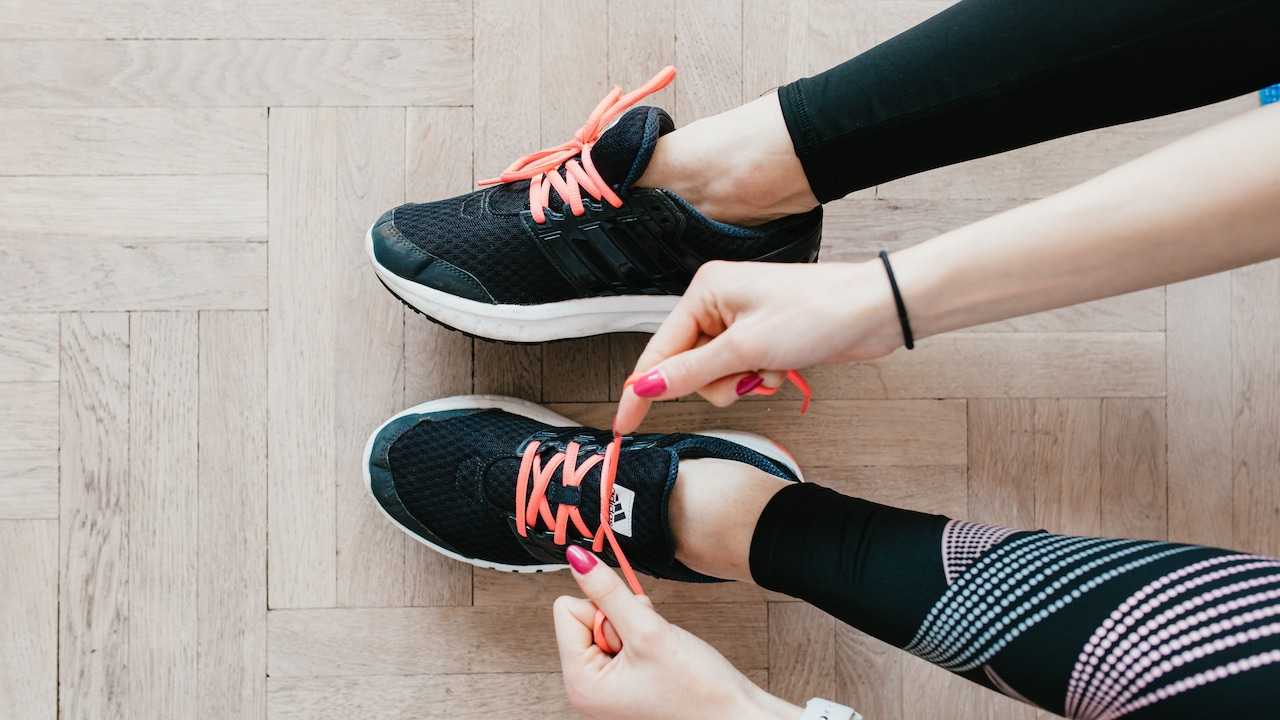
Running Shoes Vs Gym Shoes: What Men Need For Better Workouts; Photo Credit: Pexels
Elevated Heels May Affect Natural Positioning
Many running shoes raise the heel above the toes. This difference, often called heel-to-toe drop, helps some runners move smoothly through each stride. It can also reduce strain on the calves during longer runs.
Inside the gym, an elevated heel can change body position. During exercises such as deadlifts, bent-over rows and kettlebell swings, the body relies on a strong hip hinge. A thick heel may push the weight forward and make it harder to keep pressure through the whole foot.
The effect may feel subtle at first. The toes grip the floor, the knees travel forward and the lower back begins to compensate. After several sets, the movement can feel less controlled than usual.
A raised heel does not create problems in every exercise. Weightlifting shoes deliberately use firm elevated heels to help athletes reach deep squat positions. The key difference lies in stability. Weightlifting heels remain solid, while running shoe foam often compresses.
For general gym shoes for men workout routines, a lower and firmer platform usually supports a wider range of exercises. It keeps the body closer to a neutral position without forcing every movement to adapt to the shoe.
Narrow Soles Can Struggle With Sideways Movement
Running shoes often have streamlined soles that keep them light and efficient. This narrow shape works well on a straight road, where each stride follows the same direction. It becomes less reassuring during side lunges, lateral hops or quick changes of pace.
Sideways movements place pressure along the outer and inner edges of the shoe. If the base remains narrow, the foot may roll towards the edge rather than staying supported. The upper fabric may stretch, but fabric alone cannot provide a strong platform.
A typical gym circuit might include jumping jacks, side shuffles, dumbbell lunges and mountain climbers. These exercises ask the feet to stabilise from several angles. Running shoes may feel slightly delayed as the cushioning and curved sole adjust to each direction.
Cross-training shoes usually use wider outsoles and supportive edges. Some models also include reinforced sections around the midfoot. These features help the shoe resist sideways collapse.
Nobody wants a dramatic ankle wobble in front of a crowded evening gym, especially when the trainer has just shouted, “Last round!” A wider base offers a little more control when tired muscles and ambitious movement meet.
Flexible Uppers May Offer Too Little Support
Running shoe uppers often use lightweight mesh. The material allows air to circulate and keeps the shoe comfortable during long sessions. It also expands slightly as the foot swells. For running, this flexibility feels useful.
Gym training can require more structure. During heavy lunges, sled pushes or lateral drills, the foot presses against the sides of the shoe. A highly flexible upper may allow too much movement, causing the foot to slide within the shoe.
This internal movement can create friction, hot spots and blisters. It may also make exercises feel less precise. When the foot shifts but the sole stays in place, the body loses some control over its base.
Gym shoes often include firmer overlays, stronger heel counters and reinforced side panels. These elements hold the foot without making the shoe feel like a school shoe from the 1990s. The goal involves support, not stiffness for its own sake.
Breathability still matters, especially during humid summer workouts. A good training shoe balances ventilation with structure. It allows heat to escape while keeping the foot secure during sudden stops, loaded carries and rapid direction changes.
Curved Soles Can Interfere With Ground Contact
Many running shoes use a curved or rocker-shaped sole. This design encourages the foot to roll forwards and can make each stride feel smoother. Some runners describe the sensation as effortless momentum.
That rolling effect may feel awkward during exercises that require stillness. Planks, push-ups, squats and standing presses depend on stable contact with the floor. A curved sole reduces the amount of surface touching the ground and can create a slight rocking sensation.
During a standing shoulder press, for example, the body should remain firm while the arms move overhead. If the feet rock forward, the lower back may arch to maintain balance. The exercise then shifts away from the intended muscles.
Flat gym shoes provide broader contact with the floor. This helps the feet create a stable tripod through the heel, the base of the big toe and the base of the little toe. That simple connection can improve balance across many exercises.
The difference may seem small while holding light dumbbells. Add heavier weight or fatigue, and every bit of ground contact matters. A shoe designed to keep moving forward may not excel when the body needs to stay firmly planted.
Excess Bounce Can Waste Strength And Control
Modern running shoes often promise energy return. Their foam compresses during landing and springs back as the runner pushes forward. On the road, this bounce can make running feel lively and reduce the effort required over distance.
In strength training, excessive bounce may waste force. When the feet press into soft foam, part of the energy goes into compressing the shoe rather than moving the weight. The body must then control the rebound.
Think of performing a heavy goblet squat on a sofa cushion. The legs may still complete the movement, but the unstable surface demands extra effort. Running shoe foam creates a milder version of the same challenge.
Controlled instability has a place in certain rehabilitation or balance exercises. It should not appear accidentally during every gym session. Most strength movements benefit from a predictable base.
Firmer gym shoes transfer force more directly into the ground. They also provide clearer feedback about foot pressure. The wearer can sense whether the weight shifts towards the toes or heels and correct the position quickly. That feedback supports better technique and makes each repetition feel deliberate rather than bouncy.
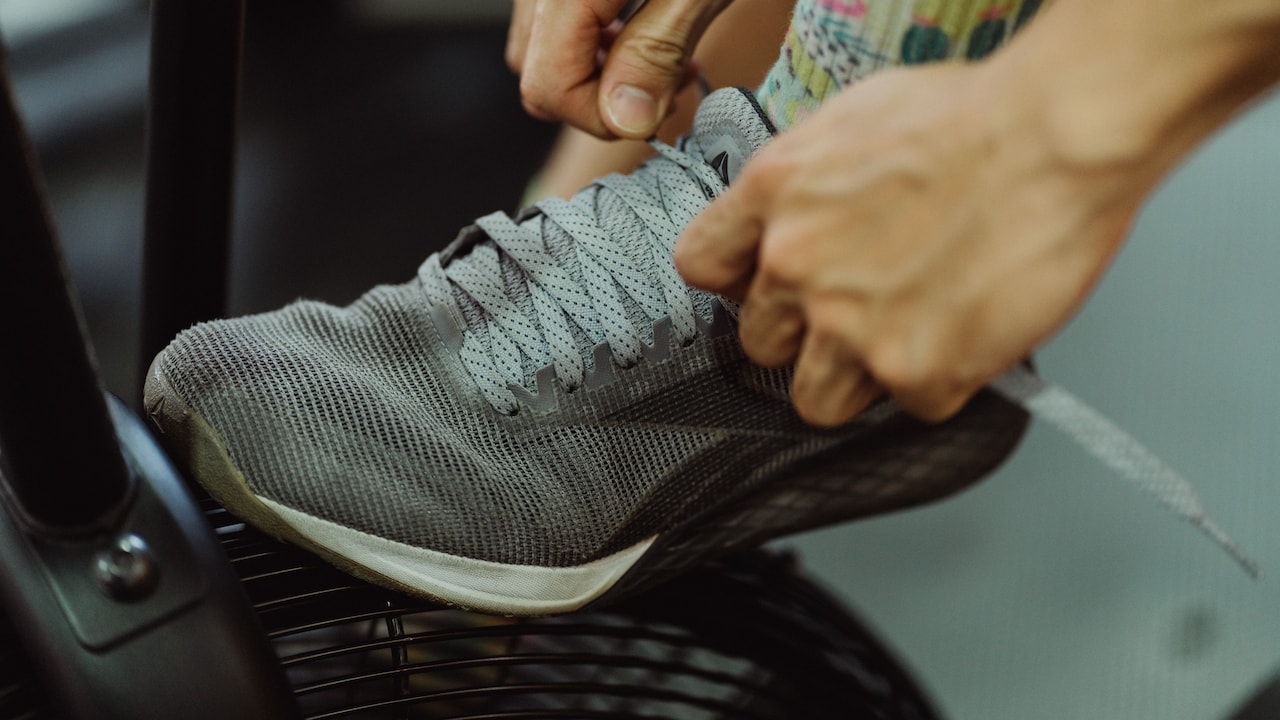
Running Shoes Vs Gym Shoes: What Men Need For Better Workouts; Photo Credit: Pexels
Running Tread May Not Suit Gym Floors
Running shoe outsoles grip roads, tracks and pavements. Their tread patterns often include grooves that handle forward traction and uneven outdoor surfaces. Gym floors present a different challenge.
Rubber flooring, polished studio surfaces and wooden exercise areas require controlled grip. A deeply grooved running sole may catch during pivots or feel unpredictable during lateral movement. Some running shoes also use exposed foam under parts of the foot, which can wear quickly against rough gym flooring.
A gym shoe usually has flatter rubber coverage. This design creates consistent contact and supports both grip and rotation. The shoe should hold firmly during a lunge but still allow the foot to turn safely during dynamic exercises.
Too little grip causes slipping. Too much grip can trap the foot while the knee and hip continue moving. Neither situation feels pleasant.
A person attending dance fitness on Monday, strength training on Wednesday and a circuit class on Saturday needs an outsole that handles varied surfaces. Running tread may manage the treadmill section beautifully, but the rest of the session can reveal its limitations.
Heavy Gym Use Can Shorten Running Shoe Life
Good running shoes can carry a noticeable price tag, often ranging from ₹5,000 to well above ₹12,000. Using them for every gym activity may seem economical, but mixed training can wear them out faster.
Strength exercises place concentrated pressure on the sole, particularly around the heel and forefoot. Rope climbs, sledge pushes, and burpees can scrape the upper and edges. Sideways drills may stretch the mesh in directions that running never would.
This damage may not look dramatic, yet it can change the shoe's performance. Compressed foam loses responsiveness, while stretched uppers provide less support. A pair that once felt comfortable during a 5 km run may begin to feel flat or uneven.
Keeping separate shoes for running and gym training can extend the life of both pairs. The idea sounds expensive at first, but it may reduce replacement costs over time. A basic, durable training shoe can handle most gym sessions without matching the price of a premium running model.
Shoes also last longer when allowed to dry fully between workouts. Two purpose-specific pairs give each one time to breathe, which helps control odour as well as wear.
Different Workouts Need Different Footwear
No single shoe can perform perfectly across every form of exercise. A marathon runner, a powerlifter and someone attending weekend functional training classes place very different demands on footwear.
Running shoes remain suitable for treadmill sessions, steady cardio and workouts dominated by forward movement. Flat and firm shoes suit deadlifts and general strength work. Weightlifting shoes support deep squats and Olympic lifts. Cross-training shoes offer a practical middle ground for circuits, classes and mixed gym routines.
The right choice depends on the main activity. Someone who spends 80 per cent of the session running may reasonably keep running shoes on. Someone who warms up for ten minutes and then lifts for an hour will benefit more from stable trainers.
Fit matters just as much as category. The toes need room to spread, the heel should stay secure and the shoe should feel comfortable from the first session. A painful “breaking-in period” often signals the wrong size or shape.
Fashion can influence the final decision, of course. Nobody wants shoes that resemble two grey lunch boxes. Performance, however, deserves the final vote.
Products Related To This Article
1. DOCTOR EXTRA SOFT Men's Sports Shoes
2. ASIAN Wonder-13 Men's Running Shoe
3. Bacca Bucci TrekZON Men's Outdoor Trekking & Trail Running Shoes with AllTerraX Grip Outsole
4. Reebok Men's Running Shoes EVA Cushioned Breathable Mesh Sports Shoes for Men
5. SPARX Men Running Shoes
6. Puma Unisex-Adult Redeem Pro Racer Res Running Shoe
7. adidas Men Shoes | Rapidmove Adv 2 Trainer M
Running shoes and gym shoes may share the same shelf, but they solve different problems. Running footwear cushions repeated forward impact. Gym footwear supports stability, lateral movement, firm ground contact and varied exercise patterns.
Wearing running shoes for an occasional light workout will not cause instant disaster. The concern grows when soft, narrow or curved soles become the default choice for heavy lifts and fast multidirectional training. Small balance problems can affect technique, confidence and comfort over time.
A suitable gym shoe should match the exercises performed most often. Flat, firm soles work well for strength training, while cross-training shoes suit mixed routines. Running shoes still deserve a place in the cupboard, especially for outdoor runs and treadmill-focused sessions.
The smartest approach does not involve chasing the most expensive pair or the loudest design. It involves choosing footwear with purpose. After all, the feet form the foundation of almost every workout. Give them stable ground, and the rest of the body has a far better chance of keeping up.
(Disclaimer: This article may include references to or features of products and services made available through affiliate marketing campaigns. NDTV Convergence Limited (“NDTV”) strives to maintain editorial independence while participating in such campaigns. NDTV does not assume responsibility for the performance or claims of any featured products or services.)