
Wet Grinding Vs Dry Grinding: Common Usage Mistakes That Can Damage Blades And Motors
Wet grinding and dry grinding may look like everyday kitchen jobs, but the wrong method can quietly punish blades, jars, gaskets and motors. A few careless habits can turn a loyal mixer-grinder into a noisy, smoky headache.

Wet Grinding Vs Dry Grinding: Mistakes That Damage Blades And Motors
Every kitchen has one machine that works harder than most people admit. It grinds coconut for chutney, turns soaked dal into batter, crushes roasted spices, powders sugar, and rescues dinner when guests arrive without warning. The humble mixer-grinder earns its place on the counter every single day. Yet many homes treat wet grinding and dry grinding as the same task with different ingredients. That small mistake can cost dearly. A burnt smell, blunt blades, a container and jar, a leaking gasket, or a tired motor rarely appear out of nowhere. These troubles build slowly, often because someone added too little water, packed the jar too tightly, used the wrong speed, or ran the motor for too long. Wet grinding needs flow. Dry grinding needs space and control. Both demand patience. When those basics go missing, even a branded mixie can protest like an autorickshaw climbing a flyover in peak traffic.

Wet Grinding Vs Dry Grinding: Mistakes That Damage Blades And Motors; Photo Credit: Pexels
Common Grinding Mistakes That Shorten Appliance Life
Confusing Wet Grinding With Dry Grinding
Wet grinding and dry grinding may happen in the same appliance, but they behave like two different kitchen jobs. Wet grinding uses water or moisture to help ingredients move around the jar. Soaked rice, urad dal, coconut, green chillies and ginger need that smooth circulation. The liquid helps blades pull food down and push it back up, creating a fine paste without too much strain.
Dry grinding works differently. Roasted coriander seeds, pepper, cumin, sugar, coffee beans or dry red chillies need sharp impact, not a watery flow. They must bounce inside the jar so the blades can crack and powder them. When someone treats dry grinding like wet grinding and adds water too soon, spices turn pasty and uneven. When wet ingredients enter a jar with too little water, they sit like cement at the bottom.
This confusion hurts the motor. The blades struggle, the jar heats up, and the appliance starts sounding angry. The fix begins with knowing what the ingredient needs before pressing the switch.
Overloading The Jar To Save Time
The most common kitchen shortcut often becomes the most expensive one. A jar packed to the brim may look efficient, especially during morning rush, but the motor sees it as punishment. Whether grinding dosa batter or garam masala, overcrowding blocks movement. The blades spin, but the ingredients barely rotate. That means the motor works harder while the food stays stubbornly coarse.
Wet grinding suffers badly from overloading. Soaked grains swell, absorb water and become heavy. If the jar has no room for movement, the mixture forms a thick lump around the blades. Dry grinding also needs empty space. Spices must jump and fall repeatedly for even powdering. A full jar traps them in place.
Many people blame the machine when the real culprit sits inside the jar. Grinding in smaller batches takes a few extra minutes, but it saves blades, couplers and motors. A ₹500 repair bill can often begin with one overloaded chutney jar on a busy Monday morning.
Adding Too Little Water During Wet Grinding
Wet grinding without enough water makes a mixer-grinder work like a scooter running with a punctured tyre. It moves, but every second hurts. Soaked dal, rice, coconut and poppy seeds need enough liquid to form a moving whirlpool. Without that flow, the blades drag against a thick, sticky mass. The motor heats up quickly, and the paste still turns out grainy.
Many cooks avoid water because they fear a runny chutney or loose batter. That worry makes sense, but dry stiffness causes bigger trouble. The smarter approach uses water in small splashes. Add a little, grind for a few seconds, scrape the sides, then adjust. This keeps control over texture without choking the machine.
A thick coconut chutney, for example, should feel creamy, not like wet sand. Batter should move in gentle folds, not sit like dough. When the jar sounds strained or the blades spin without pulling food down, the mixture needs help. Usually, that help comes from a spoonful of water.

Wet Grinding Vs Dry Grinding: Mistakes That Damage Blades And Motors; Photo Credit: Pexels
Using Wet Ingredients In The Dry Grinding Jar
Every mixer-grinder jar has a personality. The small dry jar usually comes with sharp blades and less space. It suits spices, nuts, sugar and coffee. The wet jar handles chutneys, pastes and batters better because it allows liquid movement and easier scraping. Trouble begins when wet ingredients enter the dry jar for convenience.
A handful of wet coconut, soaked chilli or ginger-garlic mix can creep into blade joints and gaskets. Moisture sticks to fine spice dust and forms a stubborn paste around the blade assembly. Over time, this paste dries, hardens and affects rotation. The jar may then leak, smell odd, or make a grinding noise even before food goes in.
Cross-use also spoils flavours. No one wants coffee with a hint of garlic or sambar powder smelling like yesterday's mint chutney. Keeping separate jars for wet and dry work may sound fussy, but it protects taste and hardware. That little discipline gives the motor an easier life and keeps breakfast from tasting confused.
Running The Motor Without Breaks
A mixer-grinder can sound powerful, but it still needs breathing room. Continuous grinding creates heat. Wet mixtures heat up because of friction, while dry ingredients heat up because they strike the blades at high speed. When the motor runs without breaks, heat builds inside the unit. That burnt smell many people recognise often comes after several long rounds without rest.
Wet grinding for batter tempts people to keep the switch on until the mixture looks smooth. Dry grinding spices also creates the same temptation, especially when the powder looks uneven. But long grinding does not always mean better grinding. It often means dull blades, hot jars and tired windings.
Short pulses work better. Grind for twenty to thirty seconds, stop, stir, let the motor cool briefly, and continue. The texture improves because ingredients settle back near the blades. The machine also stays calmer. A mixer-grinder should not feel too hot to touch. When it does, the kitchen needs patience more than power.
Grinding Hot Ingredients Too Soon
Freshly roasted spices smell wonderful. The whole kitchen fills with warmth, and the temptation to grind them immediately feels almost unfair. But hot ingredients can harm both flavour and the machine. Dry spices straight from the tawa carry heat and steam. When trapped inside a closed jar, that heat creates moisture. The powder clumps, sticks to the lid and coats the blades.
Hot ingredients also raise the jar temperature quickly. Plastic lids may loosen, rubber gaskets may soften, and the motor faces extra heat from below while the jar brings heat from above. Wet grinding has its own version of this mistake. Hot cooked tomatoes, boiled lentils or steaming masala pastes can create pressure inside the jar. The lid may jump, splatter, or leak.
Cooling ingredients before grinding improves everything. Roasted spices become crisper and powder more evenly. Cooked mixtures grind smoother without drama. A few minutes of waiting can protect the machine and save the cook from wiping masala off tiles, cupboards and possibly a favourite kurta.
Ignoring The Pulse Function
The pulse button exists for a reason, yet many people treat it like a decoration. Pulse grinding gives short bursts of power. That helps dry ingredients break evenly and wet ingredients settle between spins. It also prevents the motor from facing a sudden heavy load for too long.
Dry grinding benefits the most from pulsing. Whole spices, nuts and sugar crystals need impact in stages. A long continuous run can push fine powder to the sides while larger pieces keep dancing uselessly above the blade. Pulsing brings everything down again. It also stops oily nuts from turning into paste too quickly.
Wet grinding also becomes easier with pulse control. Thick chutneys, ginger-garlic paste and small batter batches often need quick bursts before steady grinding. This prevents blade lock, where ingredients jam around the cutter and refuse to move. Instead of shaking the jar like a dhol during festival season, use pulse, open, stir and continue. That rhythm protects the coupler, blades and motor while giving better texture.
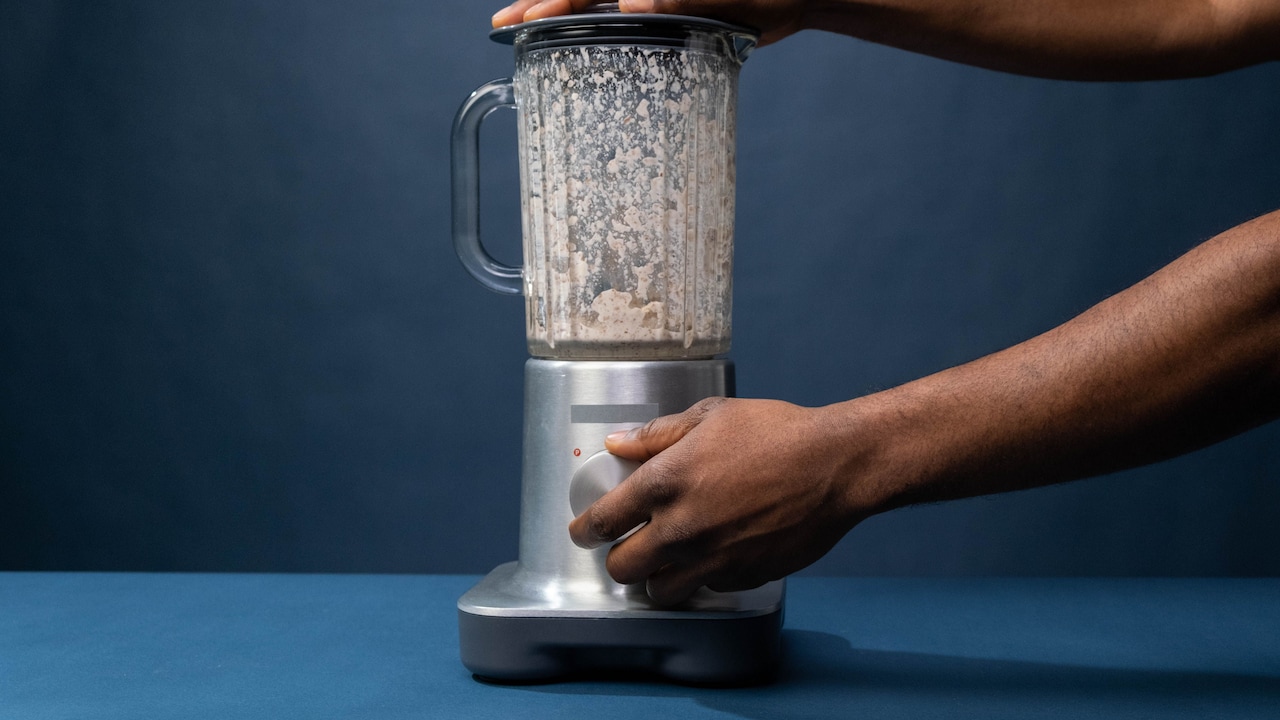
Wet Grinding Vs Dry Grinding: Mistakes That Damage Blades And Motors; Photo Credit: Pexels
Using The Wrong Speed For The Job
Speed can make or break grinding results. High speed feels satisfying because it sounds powerful, but it does not suit every ingredient. Wet grinding often needs a slow start. Thick mixtures must loosen and begin moving before the motor reaches full force. Starting at top speed can splash liquid into the lid, trap air, or force paste into the gasket.
Dry grinding also needs care. Some spices powder well at high speed, but delicate ingredients can release oils or lose aroma if they heat too much. Roasted cumin, cardamom and cloves need short, controlled grinding rather than a full-speed race. Sugar can turn too fine and dusty, while nuts can become butter before anyone notices.
A good habit starts low, then increases speed only when the mixture moves freely. Listen to the sound. A smooth whirr means the blades have control. A harsh, uneven growl means the jar needs less load, more scraping, or a lower speed. The ears often detect trouble before the nose smells burning.
Forgetting To Clean And Dry The Blades Properly
Cleaning decides how long blades stay sharp. After wet grinding, paste often hides beneath the blade and around the rubber seal. Coconut, onion, tomato, soaked dal and tamarind can dry into a stubborn layer. This layer attracts smell, encourages rust spots on lower-quality metal, and makes the blade assembly harder to rotate.
Dry grinding leaves another kind of mess. Fine spice powder settles into corners and under the lid. Chilli dust, turmeric and garam masala can cling to moisture from earlier washing. If the jar does not dry fully, the next batch forms lumps. Worse, damp spice residue can reach the blade joint and affect movement.
Rinsing is not enough. The jar needs warm water, gentle brushing around the blade, and complete drying before storage. Turning the jar upside down for a while helps water escape. A clean blade cuts better, smells fresher and strains the motor less. Good grinding begins after the previous grinding ends.
Ignoring Warning Signs From The Machine
A mixer-grinder speaks in sounds, smells and small changes. A louder whirr, burning odour, slower rotation, leaking jar, wobbling blade or black dust near the coupler should never be ignored. These signs rarely fix themselves. They grow into bigger repairs when the machine continues to work under stress.
Wet grinding problems often show up as leakage, heating or paste stuck under the blade. Dry grinding problems may appear as uneven powder, strange rattling or a blade that no longer feels sharp. Many homes keep using the appliance because it “still runs”. That phrase can become costly. A loose coupler can damage the motor shaft. A leaking jar can send liquid into places where liquid should never go.
A quick service check costs less than replacing a motor. Even better, regular care prevents many visits to the repair shop. When the machine changes its tone, pay attention. A loyal mixie deserves the same respect as a pressure cooker whistle: ignore it, and the kitchen may stage a protest.
Products Related To This Article
1. Philips HL7770/00 Mixer Grinder
2. Prestige Apex 500 Watt Mixer Grinder with 3 Stainless Steel Jars
3. Lifelong LLMG23 Power Pro 500-Watt Mixer Grinder with 3 Jars
4. Bosch Appliances TrueMixx Pro Mixer Grinder
5. Preethi Zion MG-227 mixer grinder 750 watt Black
6. NutriPro Juicer Mixer Grinder - Smoothie Maker - 500 Watts
7. Cookwell Bullet Mixer Grinder (5 Jars, 3 Blades, Silver)
Wet grinding and dry grinding both look simple because the mixer-grinder hides the hard work. Press a button, wait a little, and food changes form. Behind that easy magic, blades, seals, couplers and motors handle pressure, heat, friction and moisture.
Most damage comes from everyday habits, not one dramatic accident. Overloading the jar, starving wet mixtures of water, grinding hot ingredients, skipping pulse mode, using the wrong jar, and ignoring warning signs all shorten the life of the appliance. The good news feels reassuring. These mistakes are easy to avoid.
Treat wet grinding as a smooth, flowing process. Treat dry grinding as a controlled, spacious impact job. Give the motor breaks. Keep the blades clean and dry. Listen when the machine sounds unhappy. With a little care, the trusty mixer-grinder can keep chutneys silky, masalas fragrant and breakfast plans safe from panic for years.
(Disclaimer: This article may include references to or features of products and services made available through affiliate marketing campaigns. NDTV Convergence Limited (“NDTV”) strives to maintain editorial independence while participating in such campaigns. NDTV does not assume responsibility for the performance or claims of any featured products or services.)