Tempered Glass Vs Plastic Screen Protector: Which One Protects Better
Tempered glass vs plastic screen protector—which protects better? Compare durability, scratch resistance, touch sensitivity, and price to choose the right option.

Tempered Glass Vs Plastic Screen Protector: Which Protects Better
We rely on our smartphones for almost everything these days, like work meetings, online payments, social media scrolling and even capturing memories. Still, even if people buy premium devices, they often hesitate a bit when it's time to pick the right screen protector. The whole thing about tempered glass versus plastic protectors keeps coming up because both kinds promise to keep your display safe; only they do it in a slightly different way.

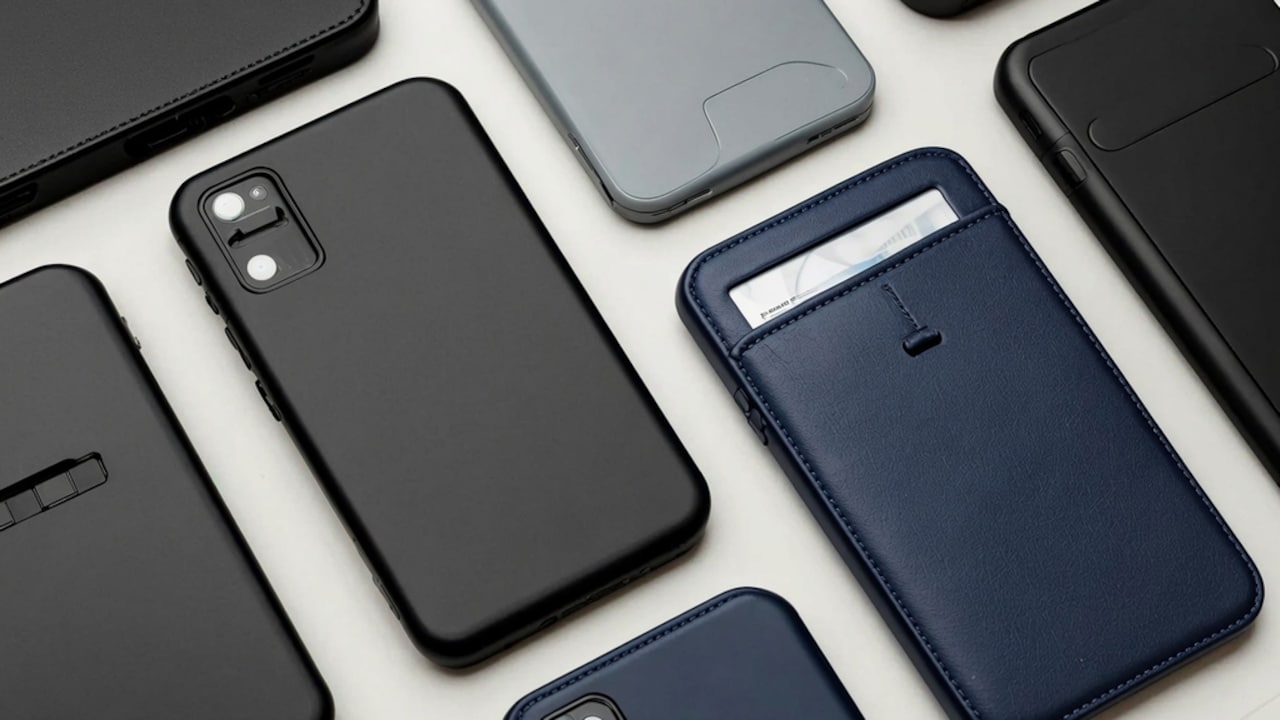
Tempered glass offers a realistic touch feel, whereas plastic protectors resist shattering but scratch easily.
Photo Credit: iStock
If you've ever asked yourself, "Is it actually worth paying extra for tempered glass, or can a plastic screen protector do the job just as well?" you're not alone. This guide compares both choices across things like toughness, everyday protection, usability, and plain value, so you can decide which version fits your needs best.
What Makes Tempered Glass and Plastic Screen Protectors Different?
Both products do the same job, but they get made different ways, and honestly, their protection levels aren't quite the same.
A tempered glass screen protector is usually chemically strengthened glass, so it absorbs some of the impact, and the surface feels almost exactly like your phone's original display. It tends to be thicker and more rigid too, and most times it gives stronger drop resistance.
Plastic screen protectors, by comparison, use more flexible materials such as PET or TPU. They're thinner, lighter, and often cheaper. Yet, while they help with scrapes and everyday scuffing, they usually don't take impacts as well as tempered glass.
Tempered Glass Vs Plastic Screen Protector: A Feature-by-Feature Comparison
Step 1: Compare Drop Protection
Tempered glass is basically the clear winner for accidental drops; it tends to absorb a lot of that shock, so it will often crack on its own to shield the phone's real screen. Meanwhile plastic protectors might help with small bumps and minor scuffs, but they generally can't really take on heavy shocks in any reliable way.
Step 2: Check Scratch Resistance
Keys, coins, and those everyday things can leave tiny scratches on a phone screen. Tempered glass usually comes with higher hardness ratings, so it is much more resistant to getting scratched. On the other hand, plastic protectors are more apt to pick up visible marks over time.
Step 3: Consider Touch Experience
A reason lots of users go for tempered glass is because it has that smooth glass-like surface; I mean, it feels really similar. When you swipe, scroll, or type, it almost matches the feel of the bare screen, just like that. On the other hand, plastic protectors can sometimes feel kind of rubbery, and that can add extra drag or friction during daily use.
Step 4: Look at Installation
Plastic protectors are flexible so they're easier to fit around those curved displays. Still, they can trap air bubbles more quickly when you're installing them, even if you go slow. Tempered glass usually arrives with alignment tools, and it tends to be simpler to apply on flat displays. That said, the right alignment is still important, because if it's off even a bit, you'll notice later.
Which Screen Protector Lasts Longer?
Longevity depends on daily usage, but tempered glass generally maintains its appearance better over time.
It does a pretty good job resisting scratches, fingerprints, and that everyday-wear kind of stuff better than plastic. Even after a few months in real life, it generally keeps its clear look and smooth feel.
On the other hand, plastic screen protectors are more likely to pick up scratches, get dents, and end up with cloudy patches much sooner. TPU protectors can also start to show a bit of discolouration over time, especially if you use them a lot where sunlight and heat keep hitting them.
Which Option Offers Better Value for Money?
1. Compare Pricing
Plastic screen protectors are often the affordable ones, and they usually show up in multi-packs or whatever, like you get several in one go. They work best for people who don't really mind swapping them out every so often.
Tempered glass costs more at first, but it generally holds up longer and gives way to better defence. So, for pricier smartphones it tends to be a smart buy, basically worth the extra money.
2. Think About Replacement Costs
Replacing a cracked tempered glass protector is much cheaper than replacing a damaged smartphone display. Spending a little more on better protection today could save hundreds on repair costs later.
Who Should Choose Tempered Glass and Who Should Choose Plastic?
1. Choose Tempered Glass If You Want Maximum Protection
A tempered glass protector is ideal if you're constantly on the move, have a pricey smartphone, or usually manage to drop it a bit. It works well too for users who really care about that premium feel and for anyone aiming at sharp screen clarity.
2. Choose a Plastic Screen Protector If You Prioritise Flexibility and Affordability
Plastic protectors fit better for people who are budget-conscious, for phones that have really highly curved screens, or for those who mostly care about avoiding surface scuffs rather than random accidental drops. They can also be handy if you like accessories that are ultra-thin and you don't want anything too bulky.

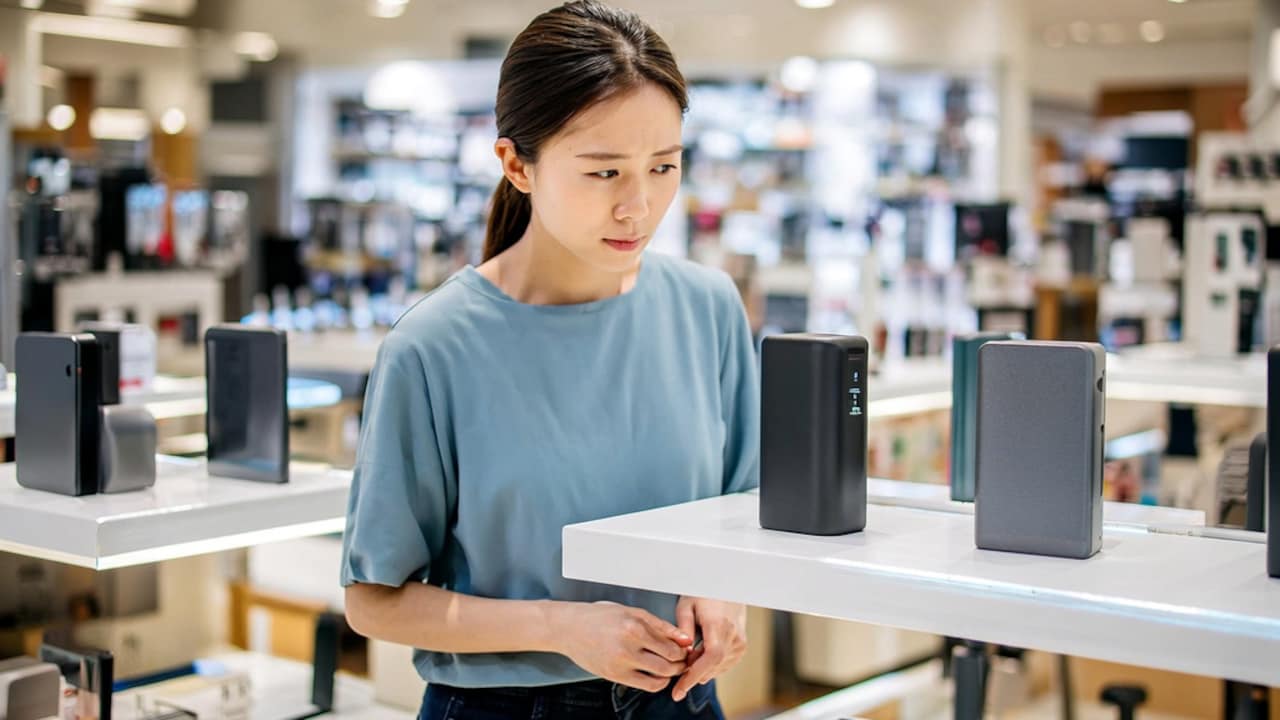
Compare tempered glass and plastic screen protectors based on durability, touch sensitivity, and overall price.
Photo Credit: iStock
Top Screen Protector Options To Consider
1. STP FEEL (Pack Of 1 Premium Tempered Glass Screen Protector)
2. EITANSHA CREATION Tempered Glass Screen Protector
3. CZARTECH [Auto-Align] Quick Fix Tempered Glass
4. Mr.Shield PRO-GLAZ Tempered Glass Screen Protector
5. STP FEEL Plastic (2-Pack Front Membrane Screen Protector)
6. WOW, IMAGINE Unbreakable Nano Film Glass Screen Protector
7. BATCHONE Tempered Glass Screen Protector
8. URBAN TECHCART ArmorGlass Borderless Tempered Glass
For most smartphone users, tempered glass offers better overall protection. Its superior drop resistance, scratch cover, smoother touch, and longer life span kind of make it the go-to for shielding modern smartphones.
Plastic screen protectors still do their job, particularly on lower-cost devices or when curved screens are involved where flexibility matters more than drop-impact power. But if your main goal is stopping expensive screen trouble, tempered glass is the better buy, plain and simple.
Frequently Asked Questions (FAQs)
1. Is tempered glass better than a plastic screen protector?
Yes. Tempered glass gives a little more protection for drops, scratches and daily impacts too, and it feels smoother when you touch it.
2. Can plastic screen protectors prevent screen cracks?
Plastic protectors mostly aim to prevent scratches, but they are limited in other ways. When it comes to heavier drops, they don't really do much, and you might still end up with a cracked screen.
3. Does tempered glass reduce touch sensitivity?
High-quality tempered glass protectors are designed to preserve touch sensitivity and usually feel almost identical to the original phone screen.
4. Which screen protector works better with curved displays?
Flexible TPU plastic protectors generally fit curved-edge displays better because they can wrap around the edges more easily than tempered glass.
5. How often should you replace a screen protector?
Replace it when it becomes cracked, heavily scratched, loses adhesion, or starts affecting visibility or touch responsiveness. Tempered glass typically lasts longer than plastic protectors.
(Disclaimer: This article may include references to or features of products and services made available through affiliate marketing campaigns. NDTV Convergence Limited (“NDTV”) strives to maintain editorial independence while participating in such campaigns. NDTV does not assume responsibility for the performance or claims of any featured products or services.)