How To Stop Food Getting Stuck In A Colander: 10 Checks For Hole Size, Shape And Ingredient Type
Food sticking inside a colander isn’t always a washing problem. Hole size, perforation shape, surface texture and the ingredient itself can all play a part. These 10 checks can make draining quicker, cleaner and far less frustrating.
Why does food get stuck inside colander holes
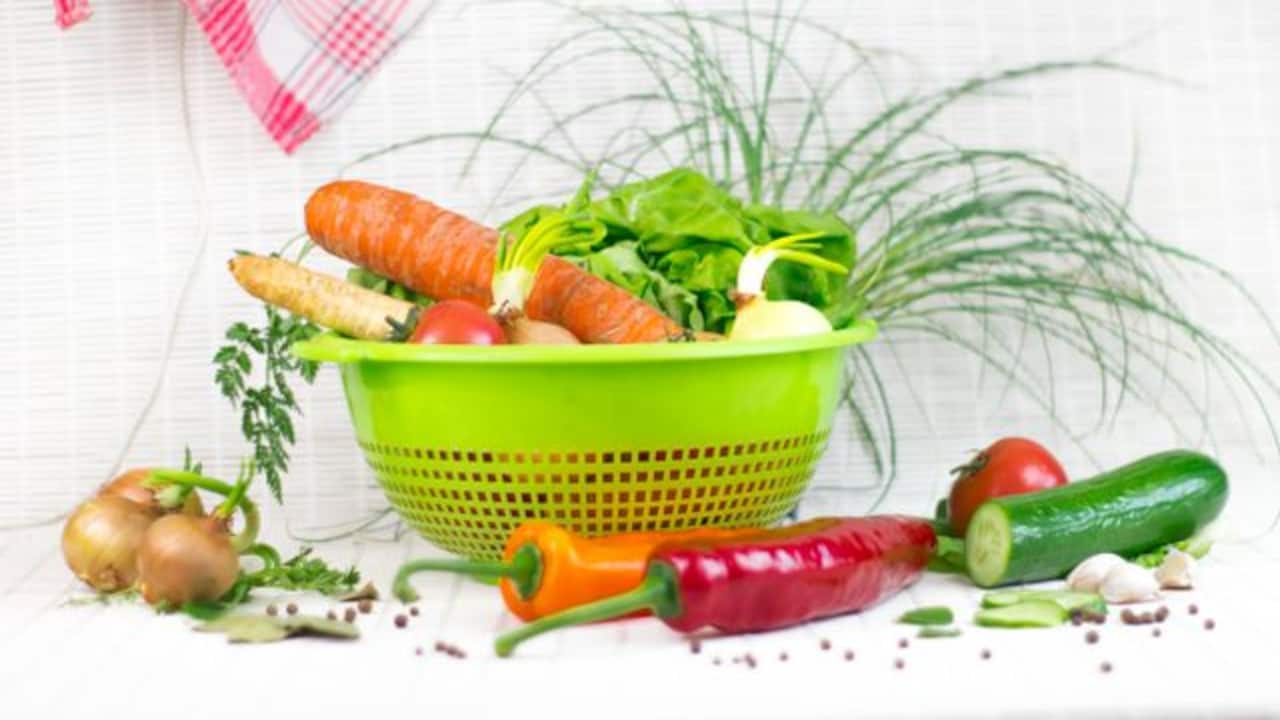
A colander seems like one of those kitchen tools that shouldn't require instructions. Tip in the pasta, rinse the vegetables, drain the water and move on. Then cooked rice plugs half the holes, noodles thread themselves through the base, grated vegetables cling stubbornly to the sides, and coriander leaves somehow manage to cover every opening at once. The instinctive response is usually to blame the food. Sometimes that's fair. More often, though, the colander and the ingredient simply aren't a good match.
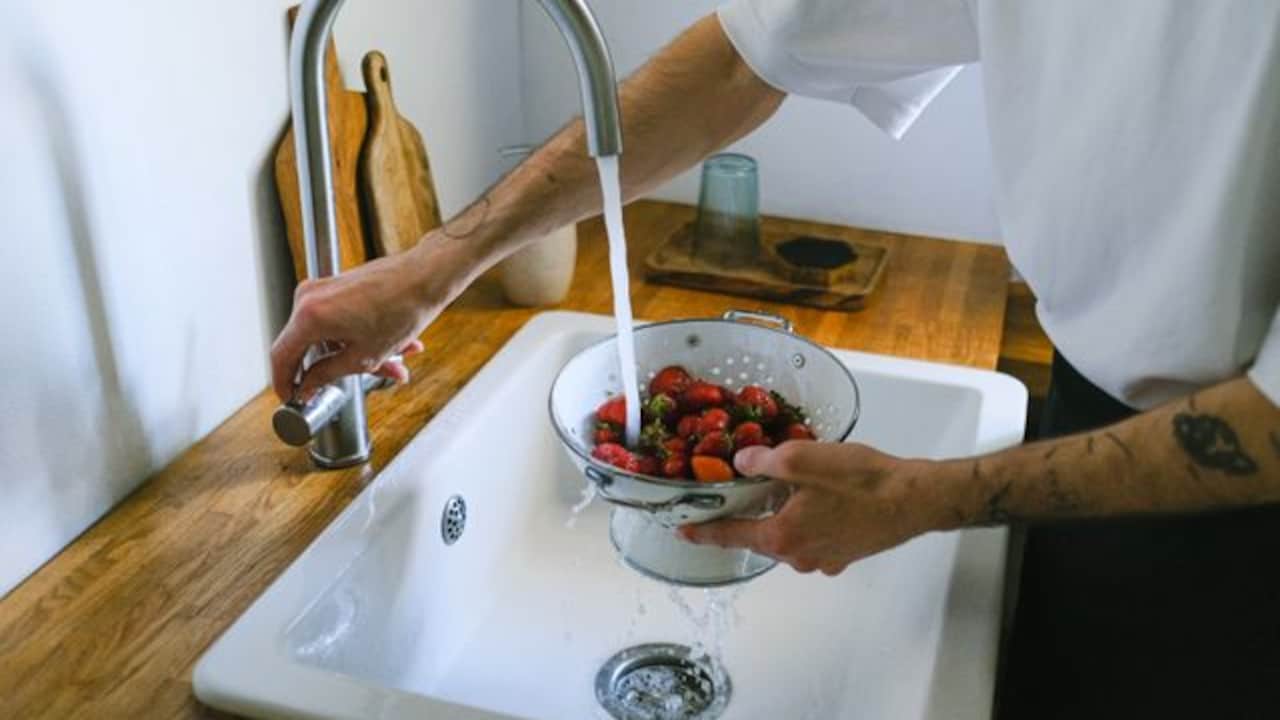
How to prevent food from getting stuck in colanders
Photo Credit: Pexels
Hole diameter matters. So does the shape of those holes, their spacing, the curve of the bowl and even the texture of the material. Food temperature and starch levels can change how ingredients behave as well. A perforated steel colander that handles penne brilliantly may become surprisingly irritating with poha or soaked rice.
Also Read: Made In France: 5 Dining Picks That Will Take Your Hosting Game To Next Level
Before shaking the colander hard enough to send dinner across the kitchen, check what is actually causing the blockage. A few small changes can make draining quicker and save plenty of poking, scraping and muttering over the sink.
What To Check When Food Keeps Clogging Your Colander
1. Check Whether The Holes Are Too Small For Starchy Foods
Small holes sound useful because they stop tiny ingredients from escaping. The downside appears when cooked starch enters the picture. Rice, pasta fragments, boiled potatoes and other starchy foods release a sticky film that can settle around narrow perforations. Once several openings clog, drainage slows dramatically.
Freshly cooked rice shows this particularly well. Soft grains can press against the metal while cloudy starch water coats the holes. The combination works almost like temporary glue. Shaking harder may actually make things worse because more grains get pressed into the openings.
For heavily starchy ingredients, slightly larger holes often drain more efficiently, provided they remain smaller than the food itself. Another trick is to pour slowly instead of dumping the entire saucepan into the colander at once. That reduces the weight pressing food against the base.
If one colander repeatedly struggles with rice or pasta but works perfectly with washed vegetables, the utensil may not be faulty at all. Its perforations simply suit firmer, less sticky ingredients better.
2. Check Whether The Holes Are Too Large For The Ingredient
Going bigger isn't automatically the answer. Oversized openings create a different irritation: food wedges into them rather than merely sitting across them.
Think about cooked macaroni ends, chickpeas, soaked pulses or small vegetable pieces. An ingredient that is only slightly larger than a hole can sink partly into the opening under its own weight. Once squeezed in, it may refuse to move without a finger, spoon or determined burst of water.
This is particularly common with softer foods because they deform easily. A boiled pea can flatten enough to enter a hole that looked too small when the pea was raw. Soft diced potatoes behave similarly.
Match the colander to the ingredient rather than using one model for everything. Tiny grains need fine perforations or a mesh strainer. Larger pasta and vegetables can handle wider holes.
A simple visual check helps: if the food could cover a hole completely while still dipping into it, expect trouble. The best opening leaves enough clearance for water while giving the ingredient nowhere comfortable to lodge.
3. Look At The Shape Of The Perforations
Not every colander uses simple round holes. Some feature elongated slots, decorative patterns or narrow oval perforations. They can look smart and drain quickly, but certain foods find these shapes remarkably inviting.
Long slots are particularly good at catching noodles. Spaghetti, vermicelli and thin vegetable strips can slide partly through before bending and getting trapped. Pull one free and another seems ready to take its place.
Round perforations tend to behave more predictably with foods that have long or irregular shapes because there is less space for an ingredient to thread itself through. Slotted designs can work extremely well for chunky vegetables, large pasta shapes and fruit, where fast water release matters more than retaining tiny pieces.
Before buying a new colander, imagine the foods regularly prepared at home. Someone who cooks spaghetti several evenings a week needs something different from someone mostly rinsing spinach and tomatoes.
Kitchen tools don't need to be universal to be useful. Sometimes the most frustrating colander is simply doing the wrong job.
4. Check Whether The Food Is Too Soft Before Draining
Sometimes the holes aren't really responsible. The texture of the food has changed enough to make almost any perforated surface troublesome.
Overcooked pasta, extremely soft vegetables and heavily boiled potatoes can collapse against a colander. Instead of resting loosely in the bowl, they spread over the surface and cover multiple drainage holes at once. Soft fragments may also squeeze partly through the openings.
This can create the strange situation where plenty of holes remain visible before draining, yet water suddenly takes ages to escape once the food arrives.
Cooking texture matters. Pasta that still holds its shape drains much more cleanly than pasta cooked until extremely tender. Vegetables intended for blanching should usually leave the boiling water while they retain some structure.
When soft food is intentional, avoid pressing it down. Pour gently and allow gravity to do most of the work. A quick shake is fine, but aggressive tossing can smear the food further across the base.
The colander can only drain through openings that remain open. Once dinner turns into a soft blanket over them, even excellent drainage design struggles.
5. Notice How Starch Builds Up During Draining
Starch doesn't always create an obvious coating. Sometimes it builds gradually, which is why the first batch drains beautifully while the second suddenly sits in a puddle.
Rice, noodles and some pulses release starch into cooking water. As that liquid passes through a colander, starch can collect around the edges of its holes. Tiny food particles then attach to the residue, narrowing the openings even further.
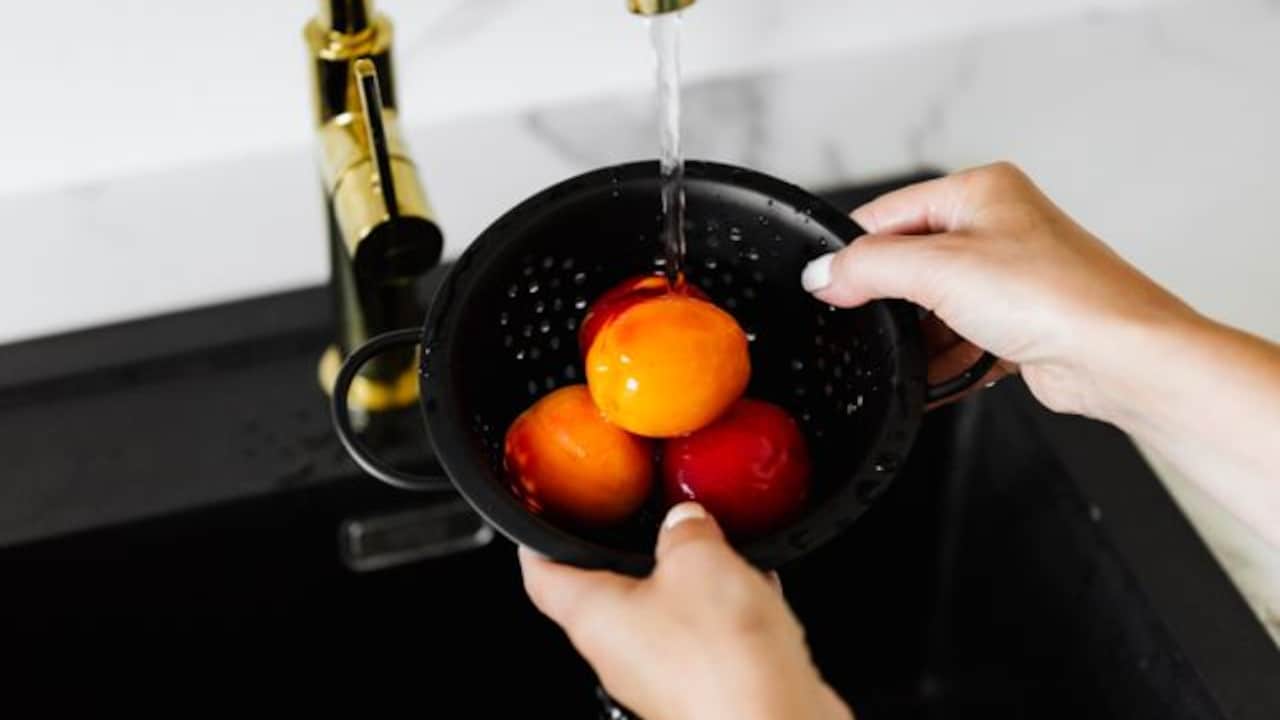
If cooking several batches, rinse the colander between them rather than repeatedly tipping food into the same sticky surface. A strong stream of water usually removes fresh starch far more easily than residue that has had time to cool and dry.
The temperature of the utensil can matter too. Starchy liquid left sitting on a cooling colander thickens quickly. Moving straight from draining to rinsing makes cleaning considerably easier.
This also explains why an apparently clean colander can perform poorly after repeated use. Look closely at the perforations. A faint cloudy layer may be reducing their effective size even though the utensil doesn't look obviously dirty.
Always clean starch buildup after each use
Photo Credit: Pexels
6. Check The Curve At The Bottom Of The Colander
Shape affects drainage more than most people expect. Deep colanders with sharply curved bases tend to push food towards one central area. That creates a thicker pile directly over the holes doing much of the draining.
Picture draining a large quantity of noodles. They slide down the sides and collect at the lowest point. Their combined weight can then press strands across the bottom perforations. Water trapped higher in the pile has fewer clear routes to escape.
A broader, gently curved base spreads food across a larger surface. More drainage holes stay exposed, and less pressure falls on each one.
This doesn't mean deep colanders are useless. Their shape works beautifully for washing vegetables, draining fruit or handling foods that don't compact easily. But large quantities of sticky rice or noodles can expose the limits of the design.
When drainage slows, lift or gently toss the food once with a spoon or tongs. Redistributing the pile often clears enough openings to let trapped water disappear almost immediately.
7. Pay Attention To Rough Edges Around The Holes
Run a finger carefully across the inside of a well-used metal colander and the answer may become obvious. Some perforations have tiny raised edges left from manufacturing or developed through wear.
Those rough spots can catch food surprisingly effectively.
Fine noodles, leafy vegetables, grated carrot and shredded cabbage are especially vulnerable. Instead of sliding across the surface, their edges snag against the perforations. Once one piece catches, others pile around it and start restricting water flow.
Good-quality perforated metal usually feels relatively smooth on the food-facing side. If certain areas feel noticeably rough, inspect them carefully. Damaged metal can also become a cleaning problem because food residue settles around uneven edges.
Avoid aggressively scraping the inside with sharp utensils, which can worsen scratches and roughness. Use a soft washing brush for stubborn residue instead.
The difference may sound microscopic, but kitchens are full of these tiny annoyances. A noodle doesn't need much encouragement to get stuck. Give it one sharp edge and apparently it has found somewhere to live.
8. Consider Whether Leafy Ingredients Are Covering The Openings
Coriander, spinach, curry leaves and other leafy ingredients create a different type of blockage. They rarely become wedged inside individual holes. Instead, they lie flat over several openings at once.
Water pressure makes the problem worse. When rinsing leaves directly in a colander, flowing water pushes them firmly against the sides and bottom. Several overlapping leaves can form an unexpectedly effective seal.
The easiest fix is movement. Toss leafy ingredients gently while rinsing so they don't stay plastered against one section. When draining cooked greens, use tongs to loosen the pile rather than pressing it down.
A wider colander also helps because it gives the leaves more room to spread. For very small herbs, a bowl-and-strainer method can work better: wash them in a bowl of water first, lift them into the strainer, then let excess moisture drain.
Trying to force more water through compacted leaves usually achieves very little. Give the ingredients space instead. Sometimes the fastest drainage solution is simply preventing food from behaving like a lid.
9. Match Fine Ingredients With A Mesh Strainer Instead
Some foods simply don't belong in a standard colander.
Quinoa-sized grains, tiny seeds, fine sprouts and small lentils can become frustrating when the perforations are close to their own diameter. Even if they don't fall through, they can lodge inside openings and turn cleaning into a lengthy post-dinner activity.
A fine-mesh strainer works differently. Rather than relying on separate holes, it creates thousands of tiny openings across a woven surface. Water escapes while small ingredients remain supported across a wider area.
Mesh isn't perfect for everything. Thick starch can clog very fine screens, and cleaning dried rice from woven wire is nobody's idea of entertainment. That's why matching the strainer to the task still matters.
Keep a perforated colander for pasta, vegetables and larger ingredients, and use a mesh strainer for finer foods. Owning both isn't unnecessary duplication. They solve different problems.
The humble colander becomes much less irritating once we stop expecting one design to handle every ingredient in the pantry with equal enthusiasm.
10. Check How You Pour Food Into The Colander
Even the right colander can clog when food lands in it all at once.
Tip a heavy saucepan quickly and the entire contents hit the bottom in one concentrated mass. The weight forces soft pieces against the perforations before much water has had time to escape. With rice or noodles, that first impact can block enough holes to slow everything that follows.
A steadier pour helps water reach the openings before the food forms a thick layer. Tilt the saucepan gradually and let some cooking liquid enter first. Then allow the food to follow.
For large quantities, draining in two batches can work even better. It takes a few extra seconds but gives the colander more exposed surface area and reduces compaction.
Once the food has entered, resist the temptation to press it down with a spoon. Pressing may squeeze out a little water immediately, but it also pushes soft ingredients deeper into the holes.
Sometimes better drainage doesn't require replacing anything. Changing the way food enters the colander solves the problem surprisingly well.
Products Related To This Article
1. KRESHU Strainer Stainless Steel - Expandable Over the Sink Colander
2. FRESHOME Multipurpose Stainless Steel Colander for Washing Fruits
3. FRESHOME Stainless Steel Multipurpose Expandable Square Colander Strainer
4. Wonderchef Ambrosia Rice and Vegetable Strainer
5. FRESHOME Multipurpose Stainless Steel Colander for Washing Fruits
6. HLM 3-Piece Stainless Steel Mesh Micro-Perforated Strainer Colander Set
7. KRESHU Stainers in Steel, Stainless Steel Colander with Grater Lid, 3 Pc
Food getting stuck in a colander usually comes down to a mismatch between the utensil, the ingredient and the way it is being drained. Hole size matters, but so do perforation shape, surface texture, food softness, starch and bowl design. Pay attention to where the blockage starts, and the fix often becomes obvious. The goal isn't a magical one-colander-for-everything solution. It's knowing when to switch tools, loosen the food or simply pour a little more gently.
(Disclaimer: This article may include references to or features of products and services made available through affiliate marketing campaigns. NDTV Convergence Limited (“NDTV”) strives to maintain editorial independence while participating in such campaigns. NDTV does not assume responsibility for the performance or claims of any featured products or services.)