How To Choose A Rain Cover For Baby Strollers In India
Looking for the right rain cover for your baby’s stroller? Learn how to choose a rain cover for baby strollers in India for comfort, safety, and weather protection.
Rain Cover For Baby Strollers
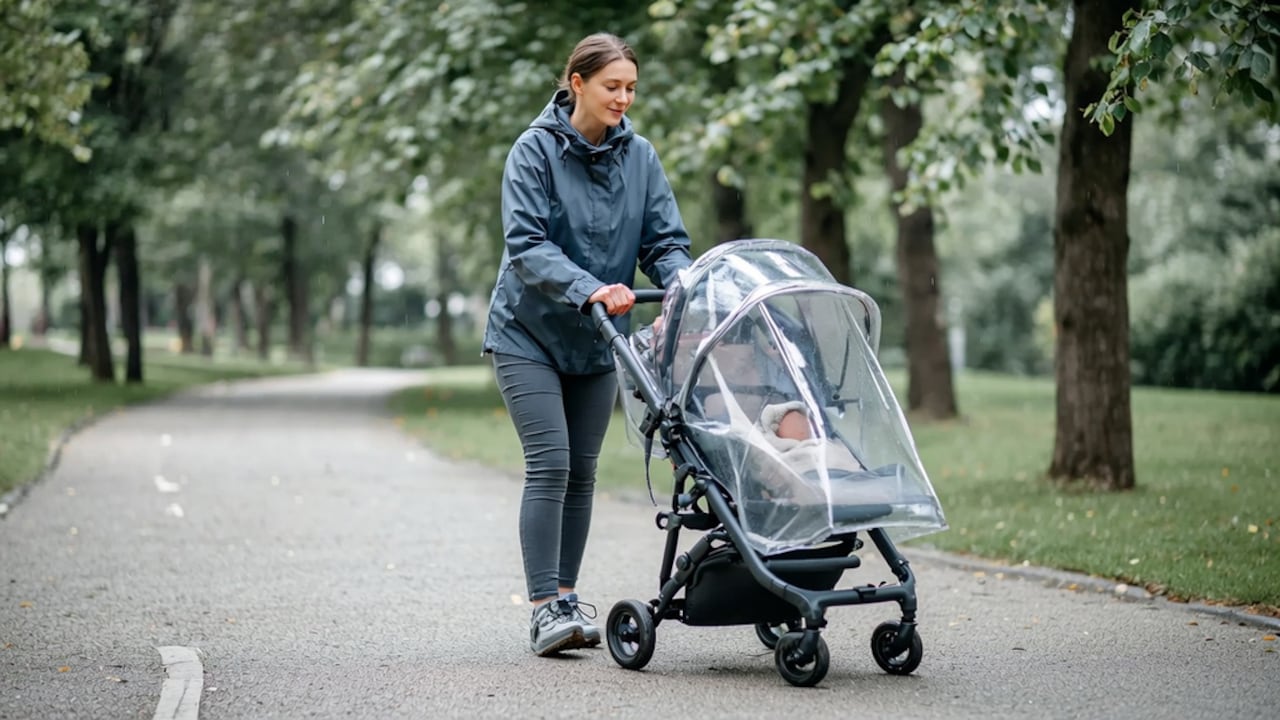
Going for a walk with your baby during the monsoon sounds lovely, right? Well, it is, until a random downpour catches you completely off guard. You're just enjoying a nice evening stroll when suddenly you're sprinting for cover, desperate to keep your little one dry. It's precisely why having a dependable stroller rain cover has quickly gone from a "nice-to-have" item to a non-negotiable for parents today. But honestly, finding the right one is tricky. If you look online, you'll find endless options that look virtually identical. Some promise a universal fit, others focus on heavy-duty waterproofing, and a few highlight airflow. So, how do you pick a winner? Here is a practical guide on everything you need to know before the next storm hits.

Choose the best stroller rain cover in India for your baby's safety and outdoor comfort; Photo Credit: iStock
Also Read: Top 5 Rain Ponchos For Women Under ₹3000
Why A Rain Cover Has Become An Essential Stroller Accessory In India
The weather in India is completely unpredictable. A clear, sunny morning can turn into a crazy downpour before you even realise it. On top of that, strong winds love to blow dust and pollution right into your path. If you love taking your baby outside for fresh air, these sudden weather swings can turn a fun walk into a total nightmare.
A fantastic rain cover creates a safe bubble around your stroller, blocking rain, wind, and city dust. Plus, it keeps everything else dry too, like your diaper bag, blankets, and toys. The best part? You'll use it all year. It's perfect for chilly winter mornings, dusty summer evenings, or family trips, making it a smart, year-round investment.
How To Choose A Rain Cover For Baby Strollers In India
Step 1: Start By Checking Whether The Rain Cover Matches Your Stroller
Before checking materials, look at compatibility. A compact travel buggy, a jogging stroller, a traditional pram, and a full-sized travel system all have vastly different frames. A cover that is too small leaves awkward gaps where rain sneaks in. An oversized, baggy cover will catch the wind like a sail, flapping around wildly. Take a quick minute to look at your stroller's specific dimensions and match them against the product details before hitting that buy button.
Step 2: Prioritise Waterproof Material Over Basic Water Resistance
There is a massive difference between "water-resistant" and "waterproof". A water-resistant shield handles a soft drizzle, but an intense Indian monsoon will soak right through it. Look for premium EVA (Ethylene Vinyl Acetate) or high-grade, non-toxic PVC built to block heavy rain completely. Ensure the material stays supple and soft; if the plastic is rigid, folding it up will cause it to crack along the crease lines.
Step 3: Look For Proper Ventilation And Airflow
Keeping rain out is the main goal, but fresh airflow inside is just as critical. A completely sealed plastic wrap turns a stroller into a sticky, muggy greenhouse by trapping your baby's body heat. To keep things comfortable during humid monsoons, choose covers featuring integrated mesh side windows, engineered ventilation eyelets, or breathable fabric flaps that let fresh air circulate freely while keeping raindrops firmly on the outside.
Step 4: Pick A Rain Cover That Gives Real, Clear Visibility
Little ones are naturally curious, and they just want to watch the busy world around them while you walk. Choosing a crystal clear, see-through rain cover helps your child not feel stuck, like in some dark cave, especially when it starts raining. From a parent's perspective, being able to see everything means you can check on your snoozing baby, notice if they have lost their pacifier, or keep an eye on them right away, without having to peel wet plastic back and forth.
Step 5: Check How Simple It Is To Access Your Baby
Picture walking in a steady drizzle and your baby suddenly drops their bottle, wants a snack, or needs a blanket adjusted. If you have to take off the wet cover, you'll be frustrated and your baby will get wet. Choose covers that feature a dedicated zippered front window or a quick-open panel, enabling you to quickly attend to your child while keeping everything else dry.
Step 6: Consider Durability And Everyday Convenience
Your cover will be folded, stuffed into bags, yanked out in a rush, and crumpled up repeatedly. Look for reinforced stitching along the edges, heavy-duty Velcro or buckle straps, and a material weight that won't tear easily. These covers are lightweight and can fold down into a tiny, flat profile or fit into a dedicated travel pouch, allowing you to toss them into the under-stroller basket and forget about them until needed.
Common Mistakes Parents Make When Buying A Stroller Rain Cover
1. Buying Solely Based On Price
Going for the absolute cheapest option often backfires. They usually smell strongly of harsh chemicals, tear at the seams after three uses, and offer inadequate waterproofing when a real storm hits.
2. Ignoring Ventilation Features
It is incredibly easy to focus purely on keeping the water out while totally forgetting about fresh air. A great cover should keep your baby perfectly dry without making them feel sweaty and stuffy inside.
3. Choosing An Oversized Cover
The "one size fits all" mindset doesn't work well here. A massive, saggy cover looks messy, drags on the wheels, and easily blows out of place when the wind picks up.

Discover how to select secure baby stroller rain covers for complete monsoon weather protection; Photo Credit: iStock
Some Rain Cover Options You May Like
1. Loopie Baby Stroller Rain Cover
2. Bemece Stroller Rain Cover Universal
3. SNOWIE SOFT® Clear Cover for Baby Stroller Rain Cover
4. KHOOBREZ Waterproof Rain and Travel Bag Cover for Stroller
5. HSJH Universal Size Double Stroller Raincoat
6. PAHTTO Double Stroller Rain Cover
7. Ymkf Sqqr Weather Shield Double Popularity
8. Manito Elegance Beta Stroller Weather Shield/Rain Cover
A rain cover keeps your baby dry and sheltered during sudden showers. Clear sides let your child see out while blocking wind and splashes. Pick one that fits snugly, opens easily, and folds small for the diaper bag. Shop now on Amazon.
Frequently Asked Questions (FAQs)
1. Is a rain cover safe for babies?
Yes, but only if it has ventilation holes or mesh panels and you set it up correctly. Don't ever leave your child alone in a covered stroller, especially when it's warm out, because that can trap heat too fast.
2. Can a stroller rain cover be used during summer?
You can use a rain cover in summer to block heavy dust bursts or strong pollution in windy weather, but you have to be really aware of the temperature. Keep the airflow open as much as possible so the inside doesn't turn into a little sauna situation.
3. How do I clean a stroller rain cover?
You don't need a washing machine for the rain cover. Just wipe the plastic down with a damp cloth and a small amount of gentle dish soap. Then air dry it fully before you fold it back; otherwise, mould and mildew can pop up.
4. Are universal stroller rain covers worth buying?
Yes, they usually manage to match a bunch of normal stroller shapes, which is pretty convenient if you end up owning more than one stroller or if you plan to change, upgrade, or swap your stroller later on.
5. How long does a stroller rain cover usually last?
With solid materials like EVA and storing it decently, the cover can last for several seasons. Just don't cram it away when it's wet, and don't store it in a really humid spot, because that shortens the lifespan.
(Disclaimer: This article may include references to or features of products and services made available through affiliate marketing campaigns. NDTV Convergence Limited (“NDTV”) strives to maintain editorial independence while participating in such campaigns. NDTV does not assume responsibility for the performance or claims of any featured products or services.)