How To Choose A Carpet That Does Not Make A Small Room Feel Crowded
Choose the right carpet for a small room by focusing on light colours, subtle patterns, low piles and proper sizing. These simple choices keep the space open, balanced and comfortable.

How To Choose A Carpet That Makes A Small Room Look Bigger
Small rooms often demand more thought than large ones. Every chair, curtain, lamp and storage basket becomes part of the visual conversation. A carpet, despite lying quietly underfoot, can speak louder than almost anything else in the room. Choose one that feels too dark, busy or bulky, and the floor may appear to rise towards the furniture. The room suddenly feels packed, even when it contains only a sofa, a table and the usual collection of chargers nobody remembers buying. Choose wisely, however, and the carpet can stretch the room visually, soften hard edges and bring everything together. The aim is not to avoid colour, comfort or personality. A small room does not need to look like an empty clinic. It simply needs balance. The right carpet should create breathing space, guide the eye smoothly and complement the furniture without demanding constant attention. The following ten considerations can help transform a compact room into a comfortable, stylish space that feels far more generous than its measurements suggest.

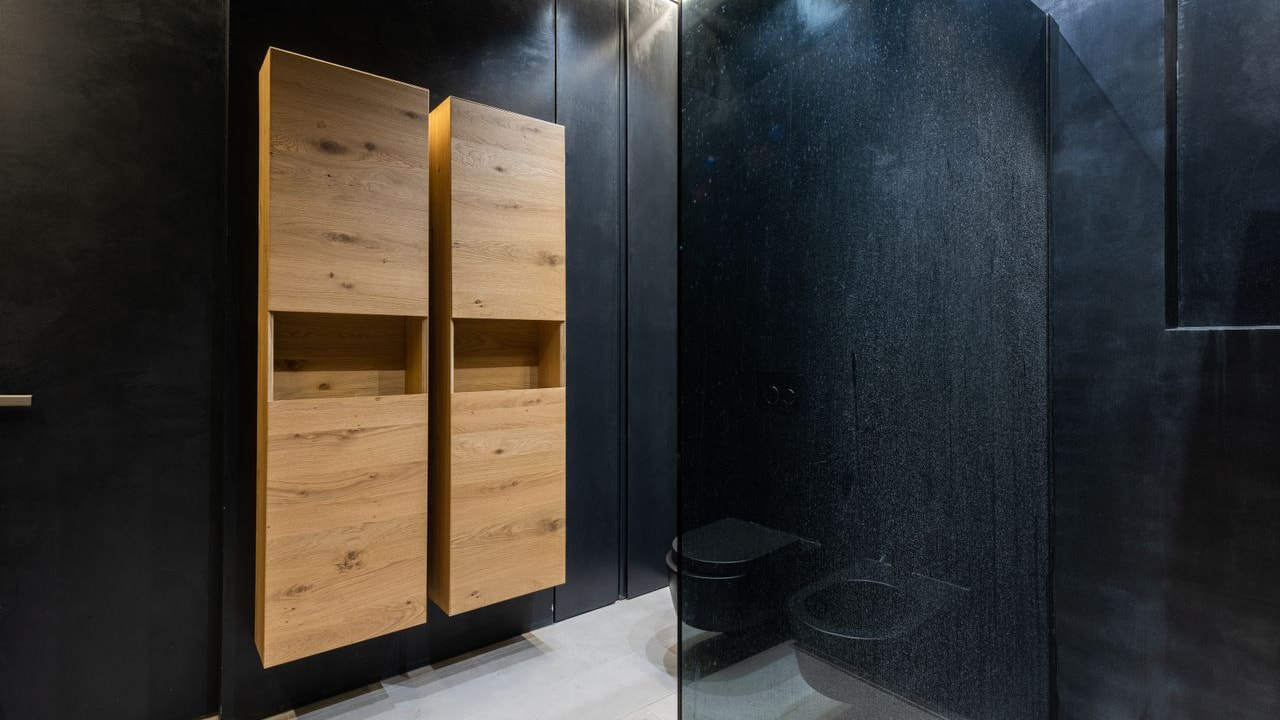
How To Choose A Carpet That Makes A Small Room Look Bigger; Photo Credit: Pexels
Key Factors To Consider When Choosing A Carpet
Choose Light And Airy Colours
Colour has an immediate effect on how large or small a room feels. Pale shades reflect more light, helping the floor appear open rather than enclosed. Soft beige, warm ivory, light grey, muted cream and dusty pastel tones usually work well in compact rooms.
Pure white may look attractive in photographs, but daily life has other plans. Tea spills, muddy slippers and snack crumbs can quickly turn a spotless carpet into a full-time responsibility. Slightly warmer shades offer the same spacious effect while handling everyday use with more grace.
The carpet should also work with the walls. A sharp contrast between a dark floor and pale walls can divide the room into obvious blocks, making the floor area seem smaller. Similar tones create a smoother visual flow.
This does not mean every surface must match. A light taupe carpet beneath pale green walls, for example, can feel calm without becoming bland. Think of the carpet as the quiet background music of the room. It should improve the mood without overpowering every conversation.
Also Read: Best Carpets For Home Decor: How Modern Rugs Instantly Transform Any Room
Keep Patterns Subtle And Well Spaced
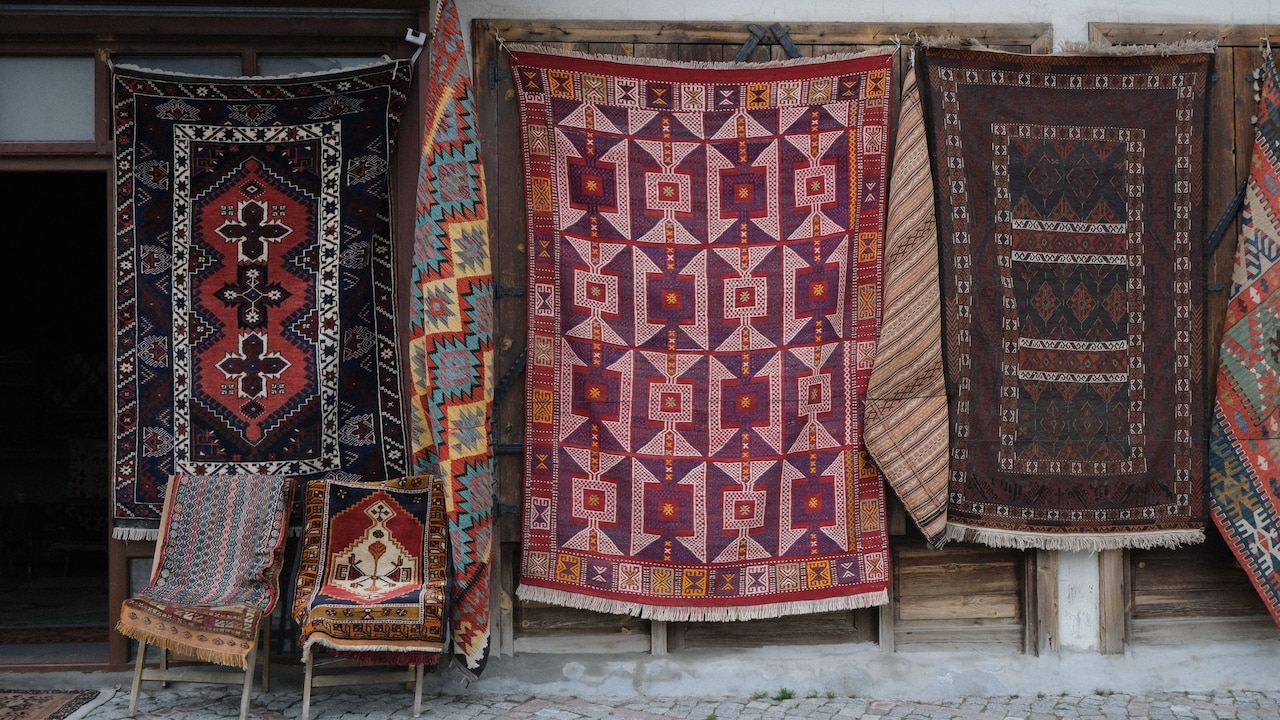
Patterns add character, but large or crowded motifs can overwhelm a small room. Thick florals, heavy medallions and tightly packed geometric shapes often make the floor look busier than it really is. When the eye has too many details to process, the room begins to feel cramped.
Smaller, softer patterns create a gentler effect. Thin stripes, faded checks, delicate diamonds or lightly textured designs can add interest without filling every visible inch. Patterns with space between their elements allow the floor to breathe.
Direction matters too. Stripes running along the longer side of the room can make the space appear extended. In a narrow room, this simple visual trick can create the impression of extra length.
Consider how much pattern already exists nearby. Printed curtains, colourful cushions and patterned upholstery may leave little room for an equally expressive carpet. A quieter design will prevent the room from resembling a fabric shop during festival season.
The goal is harmony. Let one or two elements take centre stage while the carpet provides support.
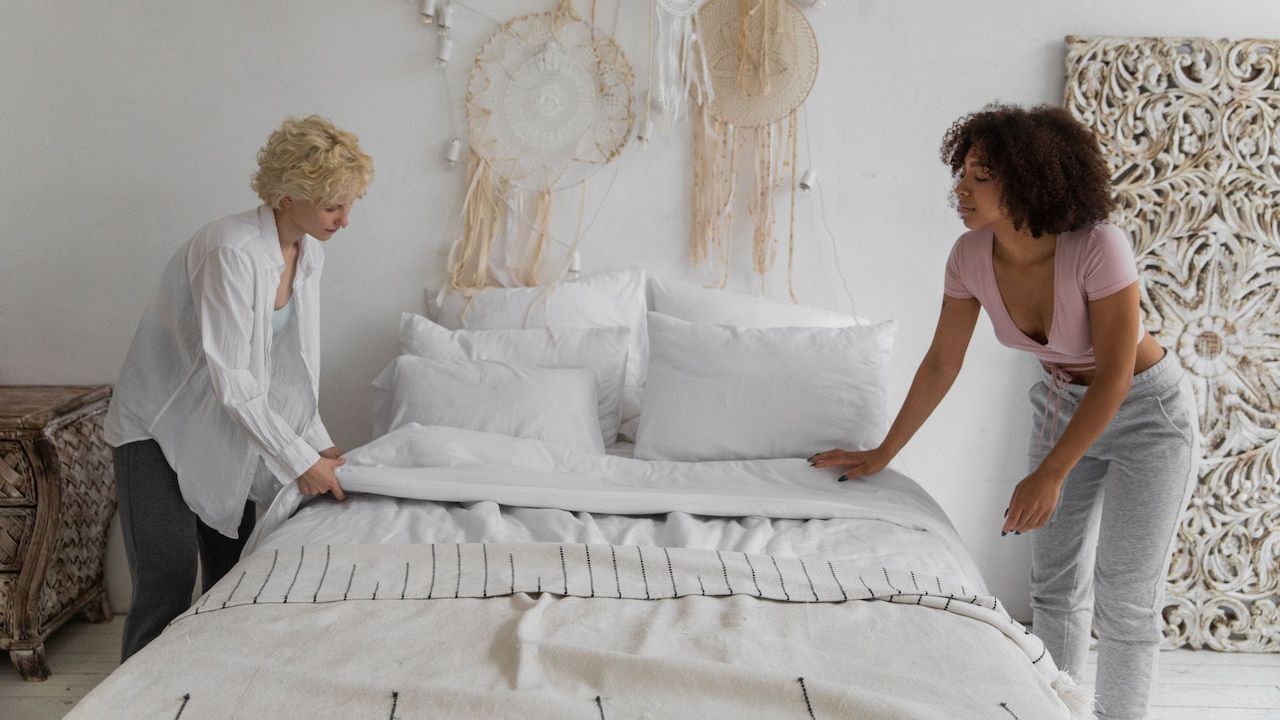
How To Choose A Carpet That Makes A Small Room Look Bigger; Photo Credit: Pexels
Match The Carpet Size To The Room
A carpet that is too small can make a compact room feel even smaller. It breaks the floor into separate sections and creates awkward gaps around the furniture. Instead of unifying the space, it resembles a decorative island surrounded by bare flooring.
In a living room, choose a size that allows at least the front legs of the sofa and chairs to rest on the carpet. This arrangement connects the furniture and creates a clear seating zone. A carpet floating beneath only the centre table often looks accidental.
Wall-to-wall carpeting can also work well because it removes visual boundaries and gives the floor one continuous surface. However, it requires greater commitment and regular maintenance, especially in dusty areas or homes with pets.
Before buying, mark the proposed dimensions on the floor with masking tape or folded newspaper. This reveals how the carpet will interact with doorways, furniture and walking paths.
Size should feel intentional. The right carpet will define the room without slicing it into small, disconnected pieces.
Select A Low Or Medium Pile
Deep, fluffy carpets feel luxurious, but they can appear bulky in a small room. A thick pile adds visual weight and may make furniture seem as though it is sinking into the floor. It can also create practical problems when doors scrape across it or dining chairs refuse to move smoothly.
Low-pile and medium-pile carpets offer a cleaner, neater appearance. Their flatter surface keeps sightlines clear and makes the room feel less crowded. They also collect less visible dust and usually prove easier to vacuum, an advantage in homes where open windows invite both fresh air and half the neighbourhood's construction dust.
Flatweave carpets work particularly well in compact living rooms, studies and dining areas. They provide texture without unnecessary volume. Loop-pile designs can also add comfort while maintaining a streamlined look.
Comfort still matters, of course. Nobody wants a carpet that feels like rough packaging material. Look for a weave that feels pleasant underfoot but keeps its profile modest.
In small spaces, softness should come from texture, not excessive thickness.
Coordinate With Existing Furniture
A carpet should connect the furniture rather than compete with it. Before selecting one, consider the colour, shape and visual weight of the main pieces in the room.
Dark wooden furniture can feel heavy in a compact space, particularly when paired with an equally dark carpet. A lighter floor covering provides contrast and prevents the lower half of the room from looking dense. Pale furniture, on the other hand, can handle slightly richer carpet tones without losing openness.
Furniture style also affects the choice. A room with carved wooden chairs, embroidered cushions and decorative cabinets already contains plenty of detail. A simple carpet will calm the setting. A minimalist room with plain furniture may benefit from a gentle pattern or woven texture.
Avoid matching every colour exactly. A room where the carpet, curtains, sofa and cushions all share one identical shade can feel flat and overly planned. Instead, choose related tones.
For example, a warm grey carpet can complement a navy sofa and mustard cushions without copying either. Coordination creates flow; exact matching often removes personality.
Use Texture Instead Of Heavy Design
A plain carpet does not need to look boring. Texture can provide depth and interest without making the room feel visually crowded. Subtle ribbing, woven lines, small loops or a lightly mottled finish can add richness while keeping the overall design calm.
This approach works particularly well in neutral rooms. A beige carpet with visible fibres feels more inviting than a perfectly flat beige surface. The difference may seem small, but it prevents the room from looking lifeless.
Natural-looking textures also pair well with cane furniture, cotton furnishings, wooden tables and indoor plants. Together, these elements create warmth without relying on loud prints.
Take care with extremely coarse or uneven textures. They may trap crumbs, catch furniture legs or make cleaning difficult. A carpet should look appealing on an ordinary Tuesday, not only when freshly arranged for guests.
Texture offers a clever middle path. It brings personality without the visual noise of a complicated pattern. In a compact room, that balance can make the space feel thoughtful, comfortable and pleasantly layered.
Create A Smooth Colour Flow
The eye reads a room more easily when colours move naturally from one surface to another. Sudden contrasts interrupt that movement and highlight the room's boundaries. In a small space, those boundaries already sit close together.
Choose a carpet that shares an undertone with the walls, curtains or major furniture. Warm cream walls pair naturally with beige, tan or muted terracotta carpets. Cool grey walls often suit stone, blue-grey or soft charcoal tones.
The colours do not need to match perfectly. They simply need to belong to the same visual family. This creates continuity and helps the floor feel like part of the room rather than a separate decorative block.
In open-plan homes, similar carpet tones can also connect adjoining areas. A consistent palette between the living and dining zones makes the entire space appear broader.
Add stronger colours through smaller items such as cushions, artwork or a ceramic lamp. These pieces can change easily when tastes evolve. A carpet usually stays longer, so a flexible colour choice makes practical and financial sense.

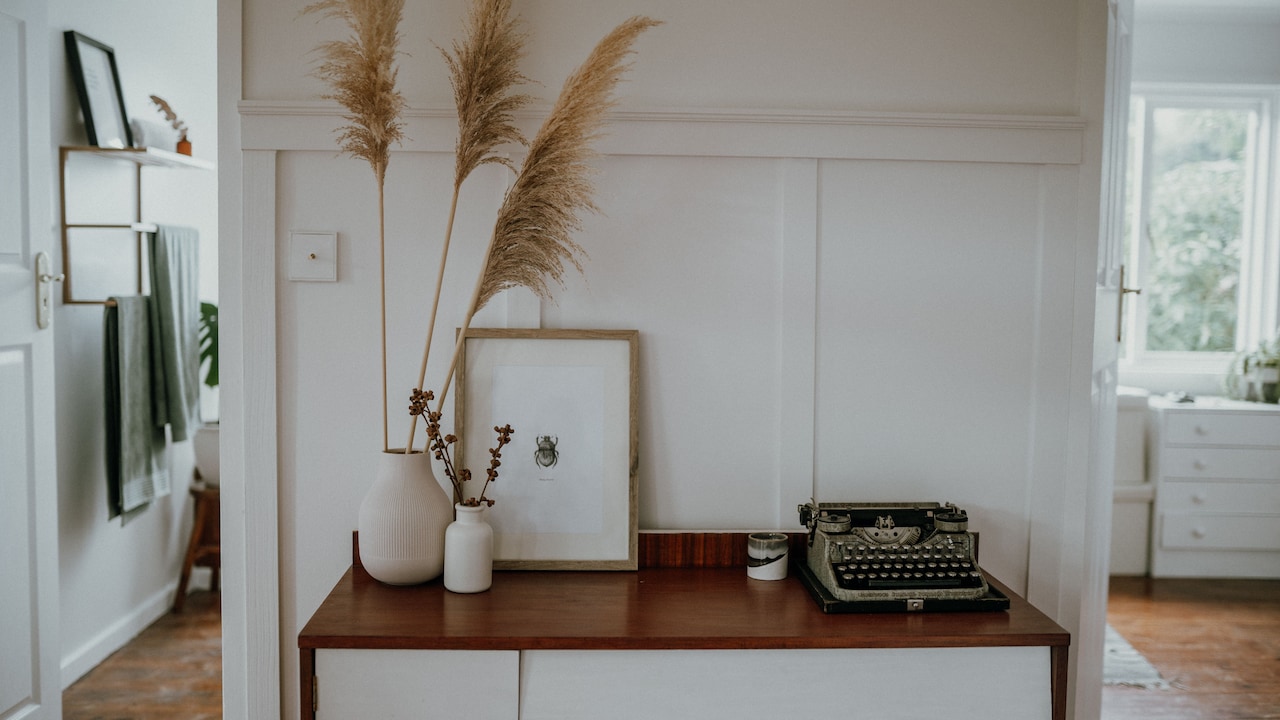
How To Choose A Carpet That Makes A Small Room Look Bigger; Photo Credit: Pexels
Avoid Thick Decorative Borders
A bold border may look elegant in a showroom, but it often outlines the exact size of a small room. The eye follows the border around the floor, notices every corner and quickly understands how limited the space is.
Carpets without borders create a more open effect because the design continues smoothly towards the edges. If a border feels essential, choose one that differs only slightly from the main colour. A narrow tonal frame will look refined without creating a heavy visual box.
This principle also applies to rugs placed beneath furniture. A dark border surrounding a pale centre can make the rug look smaller and more formal. It may also draw attention away from the rest of the décor.
Borderless designs suit contemporary rooms particularly well, but they can also complement traditional furniture when the texture feels warm and substantial.
Think of the floor as an uninterrupted landscape. A thick outline acts like a fence around it. In a compact room, removing that fence allows the eye to travel farther, even when the actual dimensions remain unchanged.
Place The Carpet With Clear Purpose
Even a well-chosen carpet can make a room feel awkward when placed carelessly. Furniture should sit in a balanced relationship with the carpet, rather than crowding one edge or leaving strange strips of exposed flooring.
In a living room, centre the carpet around the main seating arrangement, not necessarily around the exact middle of the floor. Rooms often contain doorways, windows or built-in shelves that make mathematical centring less important than visual balance.
In a bedroom, a large carpet can sit beneath the bed with enough material extending around the sides for a comfortable landing. Alternatively, two narrow runners can create softness without covering the entire floor.
Keep walking routes clear. Carpet corners should not interfere with doors, cupboards or frequently used passages. Folded or curled edges make the room look untidy and create a tripping risk.
Purposeful placement brings order. It tells the eye where each activity belongs and reduces the sense of clutter. In a small room, clear organisation can create almost as much spaciousness as colour or light.
Consider Maintenance Before Buying
A carpet that constantly looks dusty or stained will make the whole room feel untidy. In a small space, there is nowhere for that untidiness to hide. Maintenance should therefore influence the decision as much as colour or design.
Mid-tone carpets often prove more forgiving than extremely pale or very dark options. Light carpets show tea and food stains, while dark ones reveal lint, pet hair and dust. A softly flecked surface can disguise minor marks between cleaning sessions.
Choose materials according to the room's use. A durable synthetic blend may suit a busy living area, while a softer wool blend could work in a bedroom with less foot traffic. Homes with children or pets need fibres that handle frequent cleaning without losing shape.
Before purchasing, check whether professional cleaning will fit the household budget. A carpet priced at ₹12,000 may seem reasonable until specialised maintenance adds repeated costs.
A practical carpet stays attractive for longer. When the floor looks clean and well cared for, the entire room feels calmer, larger and more welcoming.
Products Related To This Article
1. Handmade Wool Collection Home and Decor Carpet for Living Room
2. ishro home Premium Fuzzy Shag Carpet for Hall
3. Carpet for Living Room 3X5 Feet Handmade Microfiber Cozy Super Soft
4. BSB HOME Modern Striped Area Rug
5. Handmade PremiumANAYA Collection Woollen Rug Loop
6. Rug for Living Room, Soft Fluffy Carpet for Bedroom, High-Pile Fur Area Rug. Size, 11x11 feet Squa
7. zia carpets Silk Touch Washable Thick Carpet For Living Room
Choosing a carpet for a small room requires more than finding a pleasing colour or a tempting discount. The carpet influences how the room feels, how the furniture connects and how easily the eye moves through the space.
Light tones, restrained patterns, lower piles and thoughtful sizing can make a noticeable difference. Subtle texture adds warmth, while smooth colour transitions prevent the room from feeling divided. Proper placement creates order, and easy maintenance keeps the space looking fresh long after the excitement of redecorating has passed.
Most importantly, a compact room should still feel personal. It can hold colour, comfort and character without appearing crowded. The best carpet does not shout for attention or disappear completely. It quietly supports the room, softens each step and gives every piece of furniture a natural place to belong.
When the carpet works with the space rather than against it, even a modest room can feel calm, balanced and surprisingly generous.
(Disclaimer: This article may include references to or features of products and services made available through affiliate marketing campaigns. NDTV Convergence Limited (“NDTV”) strives to maintain editorial independence while participating in such campaigns. NDTV does not assume responsibility for the performance or claims of any featured products or services.)