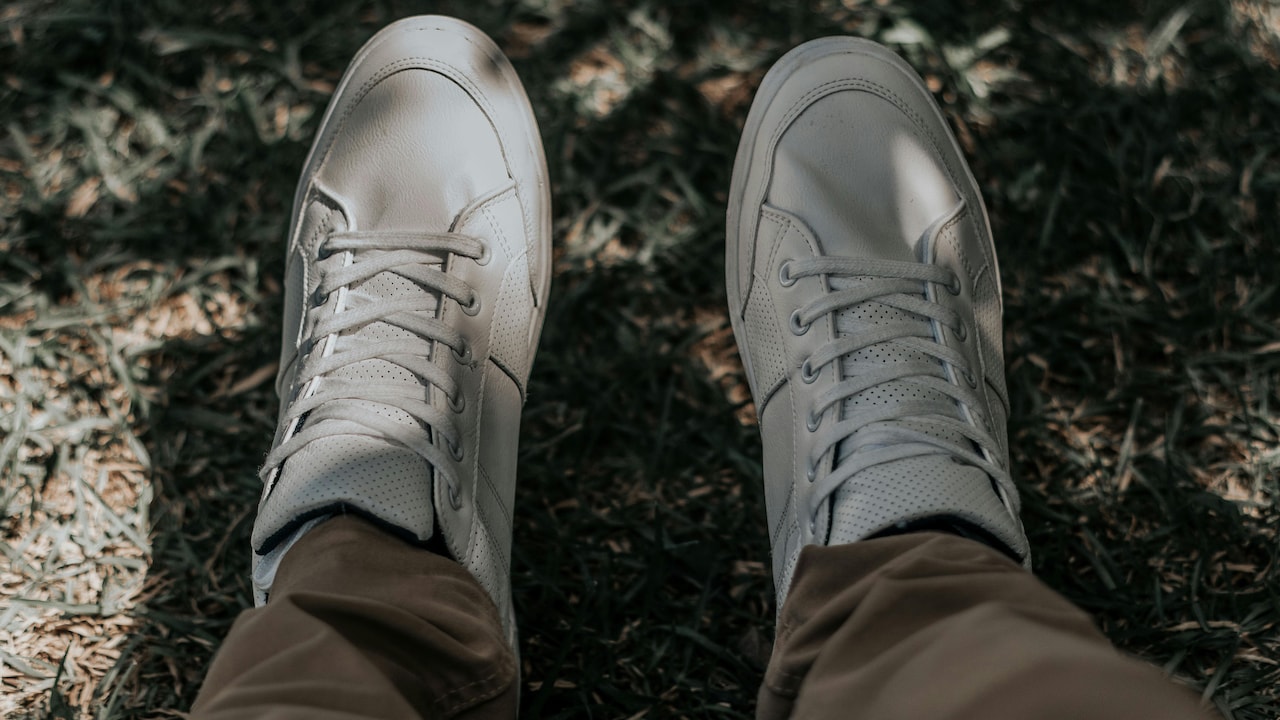
Why Your Sportswear Underperforms: Shopping Based On Looks Instead Of Function
Choosing sportswear for style over performance often leads to discomfort, poor durability, and wasted money. Functional activewear improves comfort, supports movement, and helps deliver better fitness results.

Common sportswear styling tips to avoid during your next workouts
Walk through any shopping mall or browse online sales, and sportswear often resembles high fashion more than fitness equipment. Bright patterns, sleek cuts, and influencer-approved styles dominate buying decisions. It is easy to understand why. Attractive activewear offers confidence, social appeal, and that satisfying feeling of looking ready for action. Yet many discover, often after a sweaty yoga class or an uncomfortable run along Marine Drive, that good looks can be deceiving. Leggings that slip, shirts that trap heat, and trainers that lack support quickly turn a stylish purchase into an expensive regret. The problem lies in prioritising appearance over purpose.

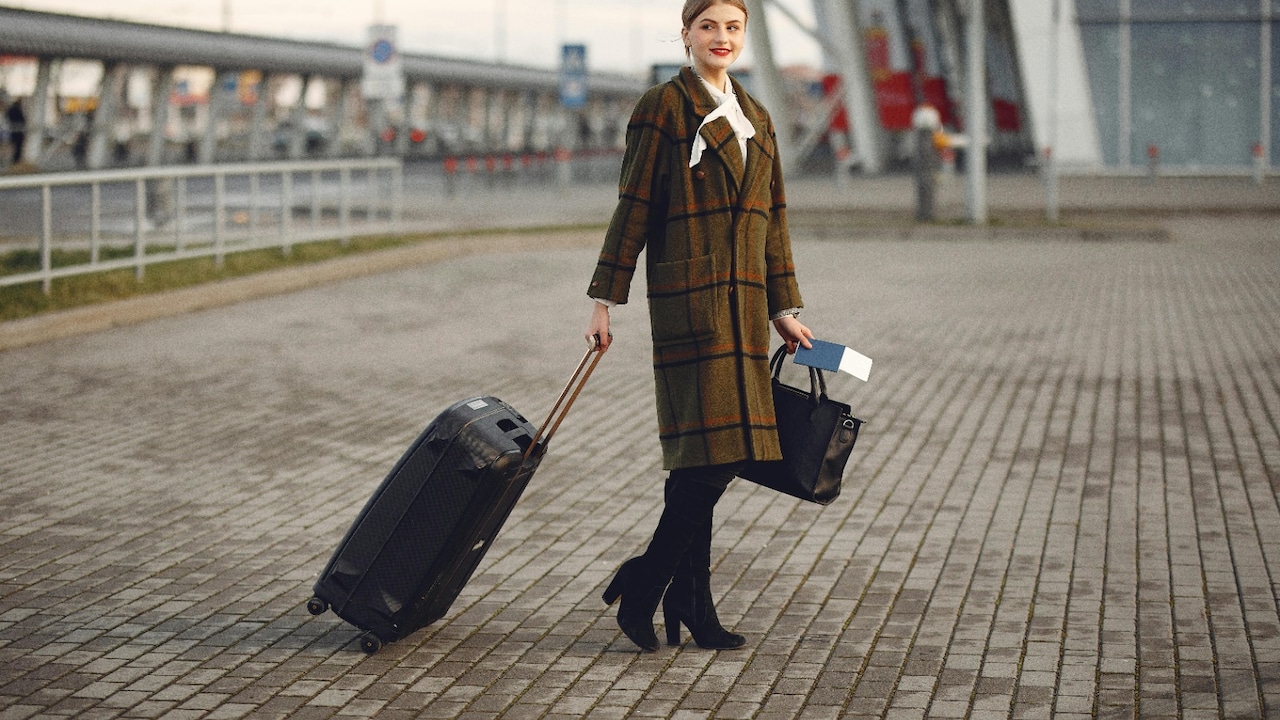
Sportswear buying mistakes that can sabotage your fitness goals; Photo Credit: Pexels
Sportswear serves a technical role. It should adapt to specific activities, weather conditions, and body needs. Whether someone is training for a marathon, attending dance classes, or simply enjoying weekend badminton, the wrong gear can hinder progress rather than support it. Shopping wisely means understanding fabrics, fit, durability, and performance features rather than getting dazzled by marketing campaigns.
Also Read: Monsoon-Ready Activewear: HRX To Puma, Discover the Best Fabrics for a Comfortable You
When Style Takes Over Substance In Sportswear
Fashion Trends Often Overshadow Performance Needs
Modern sportswear brands invest heavily in appearance because visual appeal sells quickly. Eye-catching displays and social media promotions encourage impulse purchases based on style. Many consumers feel drawn to the latest athleisure trends without considering whether those garments suit their actual exercise habits.
A fashionable cropped hoodie may look brilliant for café outings, but it proves entirely impractical for high-intensity workouts. Similarly, trendy sneakers designed more for streetwear than training may offer poor arch support or cushioning. The result often includes discomfort, blisters, or even minor injuries.
Retailers understand that aesthetics create emotional responses. However, emotional buying can cloud practical judgement. Sportswear should function as performance equipment first and fashion second. Without moisture control, flexibility, or structural support, stylish gear often becomes decorative rather than useful. Looking sharp during a workout means little if constant discomfort cuts the session short.
Poor Fabric Choices Can Sabotage Comfort
Fabric selection remains one of the most overlooked factors in sportswear shopping. Cotton, for example, feels soft initially but absorbs sweat heavily, leaving clothing damp and uncomfortable during extended activity. This can lead to chafing, overheating, and unpleasant odours.
Technical fabrics such as polyester blends, nylon, or moisture-wicking materials offer superior performance because they pull sweat away from the skin and dry faster. Yet many buyers ignore material labels if an item simply looks appealing.
In humid climates, fabric choice becomes even more critical. Wearing non-breathable leggings during an outdoor workout can feel like exercising inside a pressure cooker. Spending ₹2,500 on stylish activewear that performs poorly offers little value compared to functional gear that genuinely supports movement.
Choosing the right fabric means prioritising body comfort over superficial design. Practical textiles may not always appear glamorous on the hanger, but they often perform far better when real exercise begins.
The Wrong Fit Restricts Movement
Appearance-focused shopping often leads to selecting sportswear that looks flattering rather than moves effectively. Tight fits may seem slimming, while oversized pieces can feel trendy, but both extremes may compromise athletic performance.
Leggings that compress too aggressively may restrict flexibility during squats or stretching. Loose tops can interfere with running mechanics or strength exercises. Ill-fitting sports bras may create discomfort or insufficient support, especially during high-impact activities.
Functional sportswear requires a careful balance between support and freedom. Proper fit enhances mobility, reduces distractions, and helps maintain confidence throughout exercise. Trying to complete a HIIT workout while constantly adjusting slipping waistbands becomes frustrating fast.
True performance gear should feel almost invisible during activity. When clothing supports movement naturally, workouts improve. Prioritising fit over fleeting visual trends ensures better comfort and longer-term satisfaction.
Branding Often Inflates Price Without Improving Quality
Large logos and premium branding can significantly increase sportswear costs without necessarily enhancing functionality. Many shoppers assume expensive designer labels automatically guarantee better performance, but this is not always true.
Some high-priced products focus heavily on appearance, celebrity partnerships, and status rather than technical excellence. Meanwhile, lesser-known brands may offer better moisture control, durability, and comfort at more affordable prices.
Paying ₹6,000 for stylish trainers with limited support may prove less effective than spending ₹3,500 on technically sound footwear designed specifically for running or court sports. Marketing often exploits the perception that higher cost equals superior performance.
Smart shopping requires examining product features, customer reviews, and practical design rather than relying solely on branding. A flashy logo cannot compensate for poor material quality or inadequate support. Performance depends on construction, not prestige.
Sports-Specific Design Matters More Than General Style
Different activities place unique demands on the body, and sportswear should reflect those needs. Running gear differs greatly from yoga attire, cycling shorts, or strength training shoes. Yet many consumers purchase generic sportswear because it appears versatile and stylish.
Using fashion-forward cross-trainers for distance running can lead to foot pain due to insufficient shock absorption. Wearing standard leggings for cycling may cause discomfort because they lack padding. General-purpose sportswear often sacrifices specialised functionality.
Understanding activity-specific requirements helps maximise both comfort and performance. Proper sports bras, compression wear, or footwear directly influence results and safety.
Choosing gear tailored to one's primary exercise routine may require more research, but the investment pays off significantly. Functional precision consistently outperforms generic style.

Always wear Proper sportswear like compression wear and footwear to enhance safety during workouts; Photo Credit: Pexels
Durability Often Gets Ignored In Favour Of Immediate Appeal
Stylish sportswear can look fantastic initially, but deteriorate quickly if quality construction is poor. Weak seams, fading colours, stretched waistbands, and worn-out soles often reveal themselves after only a few washes or workouts.
Impulse purchases frequently prioritise immediate visual satisfaction rather than long-term durability. This can lead to repeated spending as replacement costs accumulate.
Investing in durable sportswear may feel expensive upfront, but it often proves more economical over time. High-performance gear should withstand regular washing, sweat exposure, and physical stress.
Spending ₹4,000 on durable leggings that last years often offers better value than repeatedly buying ₹1,200 fashionable pairs that fail within months. Quality sportswear should function as reliable equipment, not disposable fashion.
Weather Conditions Influence Sportswear Effectiveness
Climate plays a major role in sportswear performance, yet appearance-based shopping rarely accounts for environmental needs. Lightweight, breathable fabrics suit hot weather, while insulated layers become essential during colder conditions.
Choosing dark, heavy materials for outdoor summer workouts can intensify heat retention and exhaustion. Similarly, insufficient layering during winter runs can affect comfort and muscle performance.
Seasonal practicality matters just as much as style. Functional sportswear adapts to local weather patterns and workout settings.
Selecting gear based purely on appearance may leave individuals sweating excessively, shivering unnecessarily, or struggling through avoidable discomfort. Smart athletes dress strategically rather than fashionably.
Social Media Trends Distort Buying Priorities
Fitness influencers and celebrity endorsements often blur the line between practical sportswear and aspirational fashion. Perfectly curated gym selfies create pressure to prioritise appearance over functionality.
This trend encourages purchases based on visual aesthetics rather than actual performance benefits. Shoppers may feel persuaded to buy matching co-ords, luxury brands, or dramatic designs that offer limited technical advantages.
While stylish activewear can boost confidence, relying solely on influencer culture can lead to impractical decisions. Social validation should not outweigh personal comfort and fitness goals.
Real performance happens during sweaty, demanding movement rather than staged photographs. Functional gear consistently proves more valuable than trend-driven purchases.
Psychological Confidence Should Not Replace Physical Comfort
Looking good in sportswear undeniably boosts motivation. Attractive outfits can encourage gym attendance and increase self-confidence. However, confidence alone cannot compensate for physical discomfort or poor functionality.
A stylish ensemble may inspire the first workout, but inadequate support, overheating, or restricted movement will eventually undermine motivation. Sustainable fitness relies on consistent comfort and practicality.
Balancing appearance with functionality remains the ideal approach. Sportswear can look appealing while still delivering technical performance. The key lies in refusing to sacrifice essential features purely for aesthetics.
Confidence should come from capability, not just appearance. Functional sportswear empowers both body and mindset.
Smart Shopping Means Asking Better Questions
Effective sportswear shopping involves moving beyond surface-level attraction. Instead of asking whether an item looks good, buyers should consider fabric performance, intended activity, fit, durability, and climate suitability.
Checking product labels, reading genuine reviews, and testing movement comfort can dramatically improve purchasing outcomes. This thoughtful approach prevents wasted money and disappointing experiences.
Sportswear should support goals, whether that means improving endurance, mastering yoga poses, or enjoying comfortable walks. Style remains important, but functionality should always lead the decision-making process.
A well-informed shopper builds a wardrobe that enhances performance, saves money, and delivers lasting value.
Products Related To This Article
1. Roadster The Lifestyle Co Lightweight & Stretchable Sportswear Top
2. don't Shy Full Coverage Sportswear Bra
3. PUMA Motorsport Ferrari Sportswear Men's Regular Fit Polo
4. URKNIT Women High Top Slim Fit Sportswear Stretchable Tights
5. Nike Sportswear Club Kids Mid Rise Relexed Fit Sports Shorts
6. Nike Women Sportswear Chill Knit Cropped T-Shirt
7. Nike Sportswear Club Men's Fleece Jacket
Sportswear should never function as mere decoration. While appealing designs and fashionable trends offer immediate satisfaction, true value lies in performance, comfort, and durability. Choosing sportswear based solely on appearance often leads to frustration, wasted money, and compromised fitness goals.
The smartest purchases blend style with substance. Functional fabrics, proper fit, sports-specific features, and long-lasting quality create a far better experience than trend-driven shopping alone. Looking good certainly feels rewarding, but performing well feels even better.
By prioritising purpose over presentation, consumers can make smarter investments, improve workouts, and enjoy sportswear that genuinely supports their active lifestyles. In the end, the best sportswear does not just look the part. It actually delivers.
(Disclaimer: This article may include references to or features of products and services made available through affiliate marketing campaigns. NDTV Convergence Limited (“NDTV”) strives to maintain editorial independence while participating in such campaigns. NDTV does not assume responsibility for the performance or claims of any featured products or services.)