How To Choose Monsoon-Proof Footwear For Daily Commutes
Stay dry, safe, and comfortable this monsoon with footwear designed for wet roads, slippery surfaces, and daily commutes. Smart choices in shoes can prevent soggy feet, slips, and endless rainy-season frustration.
How To Choose Monsoon-Proof Footwear For Daily Commutes
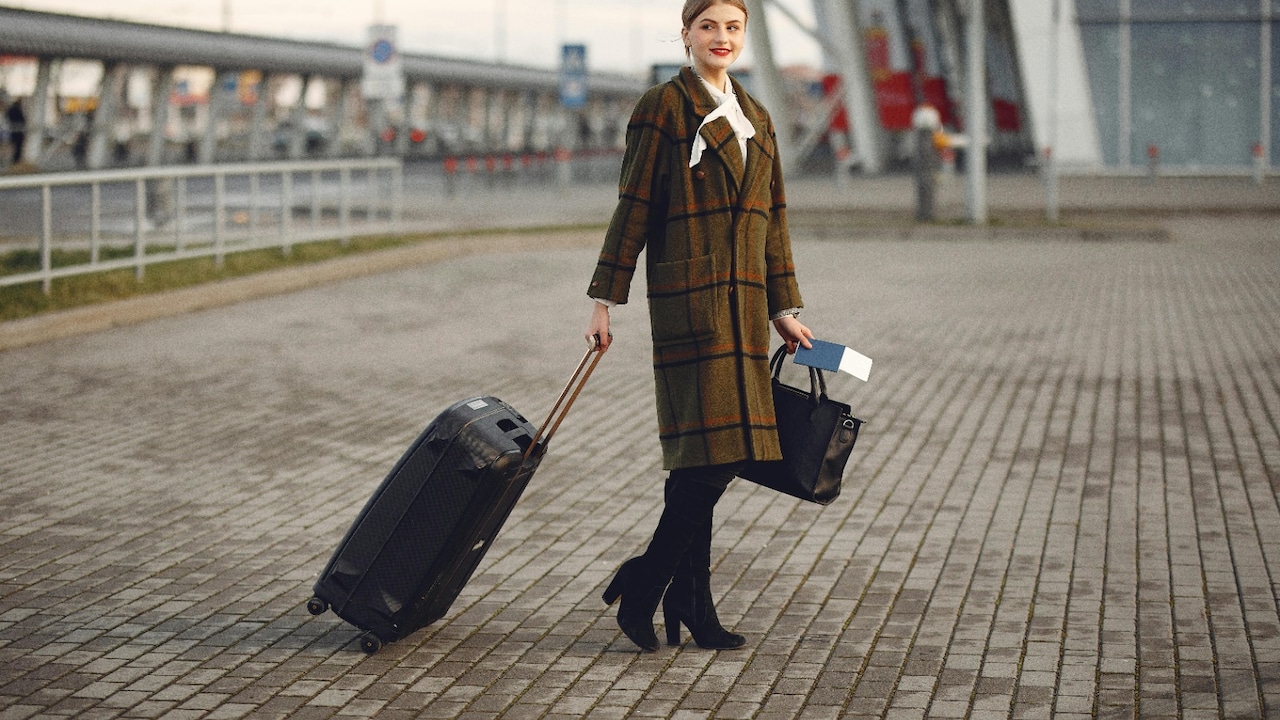
Monsoon arrives like an uninvited guest who somehow becomes the centre of attention. One minute, the sun blazes overhead, and the next, rain lashes the streets, leaving commuters leaping over puddles like contestants in a reality show. While chai stalls thrive and the earthy scent of rain sparks nostalgia, daily travel becomes a different story. Wet feet, slippery roads, and shoes that squelch with every step can quickly drain patience. Footwear during this season becomes more than a fashion choice. It turns into survival gear. The perfect monsoon-friendly pair balances practicality, comfort, durability, and style without emptying wallets. Whether navigating local trains, office corridors, busy markets, or waterlogged lanes, the right shoes can make all the difference.
Finding footwear suited for rainy months often means rethinking materials, grip, drying speed, and maintenance. Canvas trainers may look smart, but they rarely survive muddy splashes. Leather might seem premium, yet constant moisture can destroy it. Monsoon dressing starts from the ground up, and choosing wisely saves both money and misery.
With thoughtful decisions, rainy-day footwear can blend functionality with personality. After all, nobody wants to look like they borrowed school sandals from 2005. Here is how to choose shoes that keep feet dry, secure, and ready for whatever the clouds have planned.
How To Choose Monsoon-Proof Footwear For Daily Commutes
Photo Credit: Pexels
Key Factors To Consider When Choosing Monsoon-Proof Footwear
Prioritise Water-Resistant Materials
Material matters more during monsoon than perhaps any other season. Shoes crafted from rubber, EVA, PVC, or treated synthetic materials often outperform fabric or leather when rain dominates daily life. These materials repel water rather than absorb it, which means less discomfort and fewer unpleasant odours after a long commute.
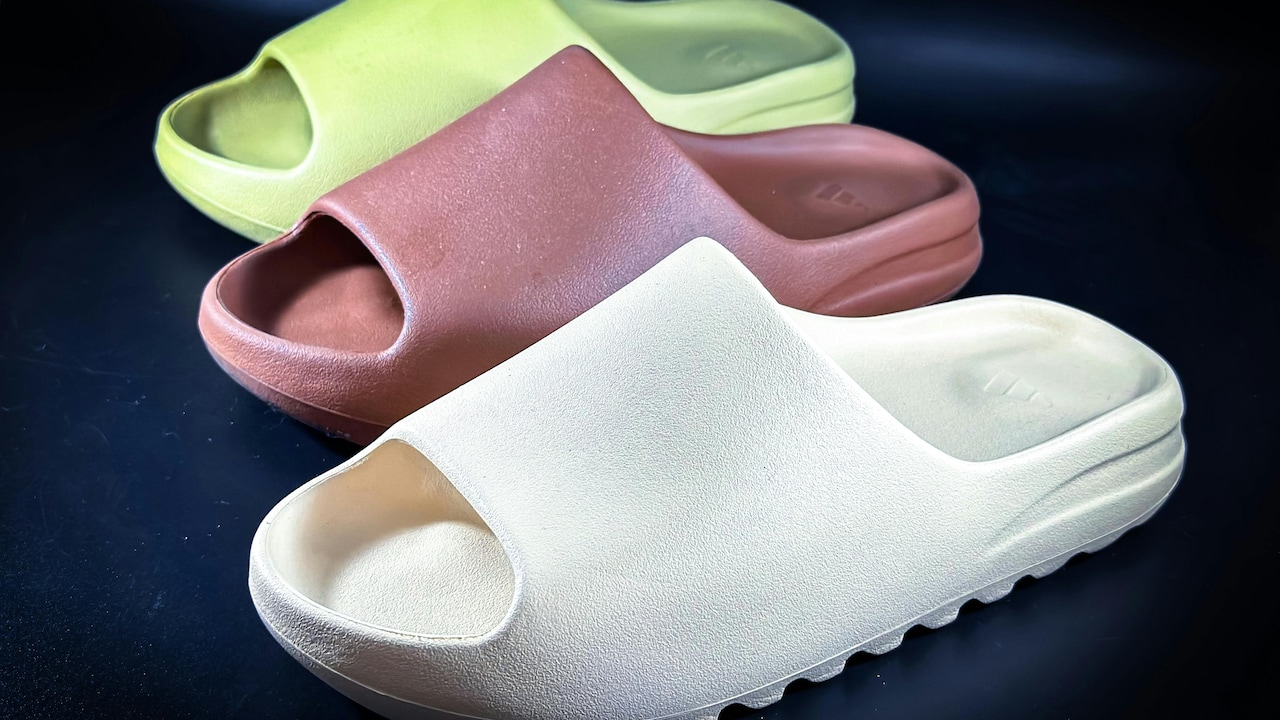
Rubber sandals or waterproof sneakers offer practical choices because they dry quickly and resist damage from repeated exposure to moisture. Synthetic blends can also provide lightweight comfort without turning into soggy burdens. Avoid suede, canvas, and untreated leather, as these materials trap moisture and can quickly deteriorate.
Stepping out in absorbent shoes during heavy rain can feel like carrying mini water tanks on each foot. Wet materials not only feel uncomfortable but may also encourage fungal infections. Investing ₹1,500 to ₹4,000 in quality water-resistant footwear often proves cheaper than repeatedly replacing damaged pairs.
Modern designs now ensure practical materials no longer mean sacrificing style. Sleek waterproof loafers, colourful sandals, and sporty rain-friendly trainers can all fit professional or casual wardrobes. The trick lies in choosing materials that stand firm against moisture while keeping daily wear polished.
Focus On Slip-Resistant Soles
Rainy roads often resemble skating rinks disguised as pavements. Slippery tiles, muddy pathways, and flooded streets can turn even the shortest walk into a balancing act. That is why sole grip deserves serious attention.
Look for footwear with textured rubber soles featuring deep grooves or anti-skid patterns. These designs improve traction and reduce the risk of accidental slips. Flat soles without tread may appear stylish but can prove dangerous on wet surfaces.
Commuters rushing for buses, autos, or metro connections need a dependable grip. Footwear with enhanced traction helps maintain confidence even on unpredictable terrain. Testing sole flexibility and pattern depth before buying can prevent many awkward, and sometimes painful, rainy-day mishaps.
Some trusted brands offer specialised anti-slip technology at reasonable prices, starting around ₹2,000. While this may seem like an added expense, it often outweighs medical bills from one unfortunate tumble.
Fashion should never compromise safety, especially when roads transform into miniature rivers. Secure footing allows smoother movement, less stress, and fewer dramatic near-falls that strangers pretend not to notice.
Choose Quick-Drying Designs
Monsoon often means shoes will get wet eventually, no matter how careful anyone may be. Quick-drying footwear can significantly reduce discomfort and inconvenience.
Sandals, floaters, and certain mesh-lined waterproof shoes dry much faster than traditional enclosed footwear. Designs with drainage features or open structures allow water to escape instead of pooling around the feet. This can be particularly useful during sudden cloudbursts or unavoidable puddle encounters.
Slow-drying shoes create multiple problems. Persistent dampness leads to blisters, unpleasant smells, and bacterial growth. Nobody wants shoes that still feel wet from yesterday's commute.
Footwear that dries overnight can save precious morning time and reduce the need for multiple backup pairs. Lightweight materials also tend to dry faster and feel less cumbersome.
A practical commuter often benefits from selecting styles that combine quick-dry technology with everyday versatility. Whether heading to corporate offices or college campuses, dry feet can dramatically improve mood and productivity during the rainy season.
Also Read: Top 10 Branded Sports Footwear You Can Grab At Affordable Prices Today
Prioritise Comfort For Long Commutes
Rain may dominate headlines, but comfort remains essential. Daily commutes often involve standing, walking, climbing stairs, and squeezing through crowded spaces. Poorly designed footwear can lead to sore feet long before reaching home.
Cushioned soles, ergonomic support, and breathable linings can make monsoon travel more manageable. Shoes should feel secure without causing friction, especially when moisture increases sensitivity.
Footwear that rubs against wet skin can quickly cause painful blisters. Adjustable straps, padded footbeds, and proper arch support become valuable features. Comfort should extend beyond aesthetics.
Many commuters make the mistake of buying rain-friendly shoes solely for waterproofing while ignoring wearability. A sturdy yet uncomfortable shoe can become as frustrating as soaked trainers.
Reliable monsoon footwear should feel comfortable enough for all-day wear, from morning train rides to evening grocery stops. Spending a little extra on comfort often pays dividends throughout the season.
Opt For Easy Maintenance
Rainy months can be messy, with mud splashes, grime, and street water becoming unavoidable companions. Footwear that requires extensive cleaning can quickly become exhausting.
Shoes made from washable or wipe-clean materials save considerable time and effort. Rubber sandals, synthetic slip-ons, and waterproof sneakers usually need only basic cleaning to remain presentable.
Complex maintenance routines may sound manageable initially, but after repeated downpours, convenience becomes priceless. Selecting low-maintenance footwear ensures shoes stay hygienic and visually appealing without constant labour.
Regular cleaning also prevents odour build-up and extends footwear lifespan. Choosing darker shades or stain-resistant finishes can further reduce visible wear.
Practicality matters during monsoon, and footwear that can survive repeated cleaning without losing shape or colour offers better long-term value.
How To Choose Monsoon-Proof Footwear For Daily Commutes
Photo Credit: Pexels
Balance Style With Functionality
Monsoon footwear no longer belongs solely in the category of purely practical, unfashionable choices. Today's market offers options that balance trend with utility beautifully.
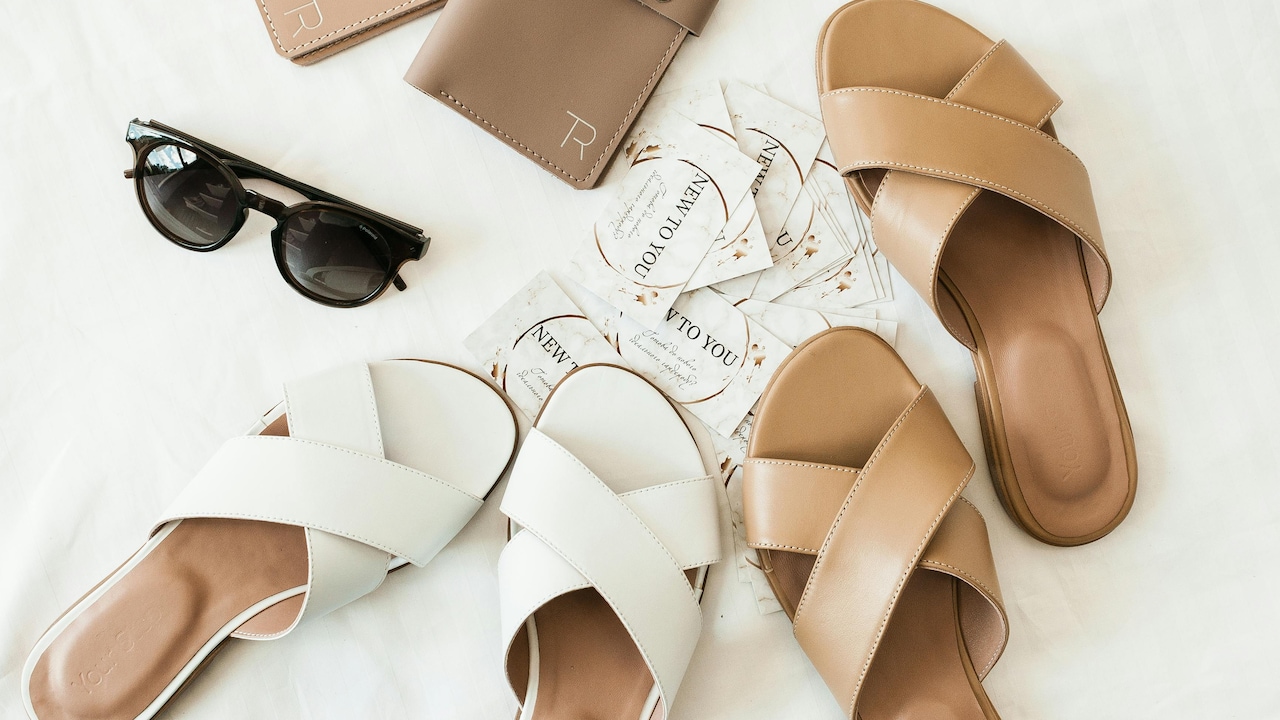
Stylish waterproof sneakers, sleek jelly sandals, and polished synthetic loafers can complement office attire or weekend wear while handling rain effectively. Functional does not need to mean boring.
Choosing versatile colours such as navy, black, or earthy tones can make footwear easier to pair with seasonal wardrobes. Bright accents or playful patterns can also add personality without compromising practicality.
While appearance matters, avoid prioritising fashion over essential features like grip, material, and comfort. The ideal pair should transition smoothly between professional settings and casual outings.
Good monsoon footwear should inspire confidence, not embarrassment. Practical shoes can still turn heads, just without the drama of slipping mid-crosswalk.
Consider Breathability
Waterproofing often takes centre stage, but breathability deserves equal attention. Feet trapped in non-breathable shoes for hours can become sweaty, uncomfortable, and prone to odour.
Footwear with moisture-wicking linings, strategic ventilation, or open designs can help maintain freshness. Breathable sandals or hybrid waterproof shoes often strike this balance effectively.
Poor ventilation creates humid environments inside shoes, encouraging fungal issues. During humid weather, this becomes especially problematic.
Selecting breathable designs supports foot health while enhancing overall comfort. It also prevents that all-too-familiar end-of-day feeling where shoes seem to have developed personalities of their own.
The right balance between water resistance and airflow can dramatically improve daily commuting experiences during prolonged rainy spells.
Invest In Durability
Monsoon places significant stress on footwear. Constant exposure to water, mud, uneven roads, and daily wear can quickly damage poorly made shoes.
Durable construction ensures better resilience. Reinforced stitching, sturdy soles, and quality materials often outperform cheaper alternatives over time. Spending ₹2,500 to ₹6,000 on durable footwear can prove more economical than buying multiple low-cost replacements.
Examine the build quality carefully before purchasing. Weak adhesives or flimsy straps often fail under wet conditions.
Durability also extends to maintaining appearance. Quality footwear resists warping, cracking, or sole separation more effectively.
Reliable shoes become dependable companions throughout the season, reducing stress and ensuring consistent performance even during the heaviest rains.
Match Footwear To Commute Type
Not every commuter faces identical challenges. Someone walking long distances through flooded lanes needs different footwear than someone driving to work.
Public transport users may prioritise anti-slip soles and quick-drying features, while office-goers might seek polished waterproof styles. Two-wheeler riders may benefit from enclosed waterproof shoes for added splash protection.
Understanding daily commute patterns helps narrow suitable options. Consider terrain, duration, weather intensity, and workplace expectations.
Versatile footwear that suits specific routines often provides the best overall satisfaction. One-size-fits-all rarely applies during the monsoon.
Choosing based on real-life needs rather than impulse purchases can improve comfort, safety, and practicality significantly.
Keep Backup Options Ready
Even the best footwear may occasionally fail against torrential rain. Having an additional pair can be a game-changer.
Keeping spare sandals or lightweight shoes at work or in a bag provides flexibility during emergencies. Backup options prevent prolonged discomfort after unexpected drenching.
Rotating between pairs also extends shoe lifespan by allowing adequate drying time. This reduces odour, wear, and hygiene concerns.
Affordable secondary options need not be extravagant. Even a dependable ₹800 pair can provide valuable support during severe weather disruptions.
Preparedness often separates smooth monsoon experiences from chaotic ones. Extra footwear may seem excessive until that one unforgettable downpour proves otherwise.
How To Choose Monsoon-Proof Footwear For Daily Commutes
Photo Credit: Pexels
Products Related To This Article
1. VENDOZ Women Colourblocked One Toe Flats with Velcro
2. BERSACHE Men Open Toe Flats
3. Enjee Women Strappy Slip-On Comfort Sandals
4. Roadster The Lifestyle Co Comfortable & Leightweight Texture Eva Sandal
5. Mochi Men Solid No Back Strap Open Toe Flats
6. BERSACHE Men Open Toe Flats
7. Metro Women Printed T-Strap Flats
Monsoon commutes demand smart choices, and footwear sits firmly at the heart of seasonal survival. The right pair protects against slippery roads, soggy discomfort, and endless maintenance struggles while keeping daily routines manageable.
Selecting monsoon-proof footwear involves more than grabbing the nearest waterproof sandal. Material, grip, comfort, durability, and practicality all shape how successfully shoes perform during unpredictable weather. Balancing these factors ensures feet stay dry, secure, and comfortable through crowded streets, office runs, and spontaneous rain showers.
Rain may bring beauty, nostalgia, and roadside pakoras, but poor footwear can overshadow the charm quickly. Investing wisely transforms daily commuting from a seasonal headache into a manageable, even stylish, routine.
With thoughtful planning and sensible choices, navigating monsoon becomes less about dodging puddles and more about walking confidently through them.
(Disclaimer: This article may include references to or features of products and services made available through affiliate marketing campaigns. NDTV Convergence Limited (“NDTV”) strives to maintain editorial independence while participating in such campaigns. NDTV does not assume responsibility for the performance or claims of any featured products or services.)