Does Stiffer Organza Always Give A Better Saree Shape? 10 Draping Myths Explained
A crisp organza saree can look beautifully sculpted, but extra stiffness doesn’t automatically create a better drape. From pleats and pallu volume to blouse fit and fabric finish, these 10 myths explain what really shapes the final look.
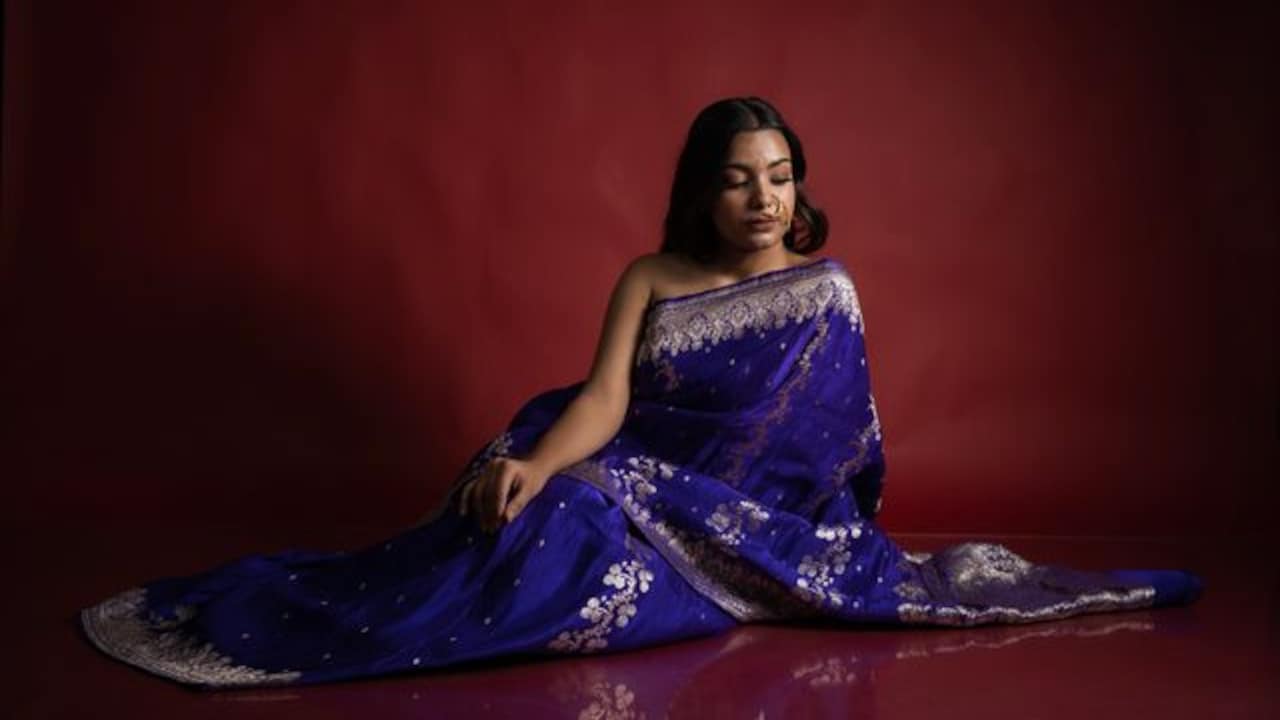
Tips to drape organza sarees for a flattering look
Organza sarees have a personality of their own. They don't melt quietly around the body like chiffon or fall into obedient folds like softer georgette. Instead, organza likes a little drama. It holds air between its layers, creates visible folds and can turn an ordinary pallu into something that looks almost architectural. That structure also creates a common assumption: the stiffer the saree, the better the shape. Not quite. Anyone who has spent fifteen minutes trying to flatten rebellious waist pleats while the pallu appears determined to float towards the ceiling already knows that stiffness has limits. A beautiful organza drape depends on far more than how rigid the fabric feels between your fingers. Fibre type, weave, finishing, blouse fit, petticoat choice, pleat width and even where the saree sits on the waist can dramatically change the result.
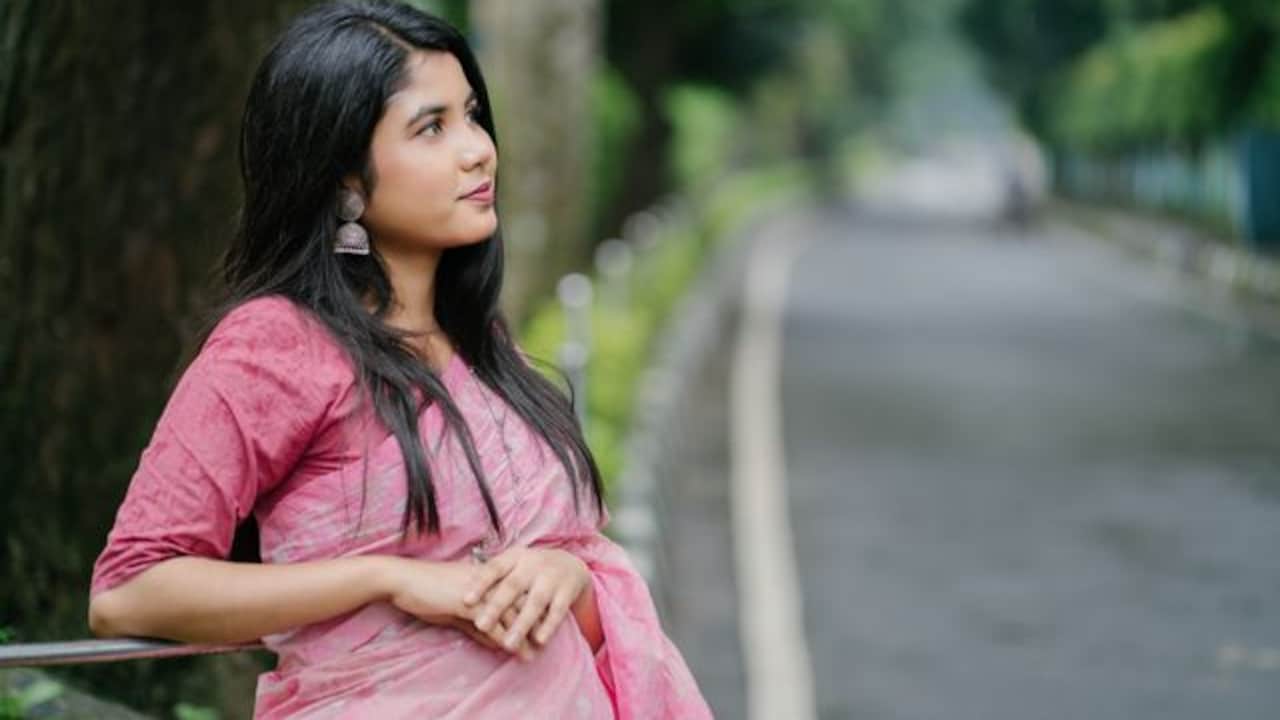
Draping myths about organza sarees
Photo Credit: Pexels
Some organza sarees need almost no encouragement to look polished. Others demand strategic pinning and a little patience. Before blaming the fabric, it helps to separate common draping beliefs from what actually happens once six yards meet a real body.
Also Read: Top 5 Sarees Under ₹2000 for Every Occasion: Cotton, Tissue, Bandhani, Organza And Kasavu
What Really Determines How An Organza Saree Drapes
1. Myth: The Stiffer The Organza, The Sharper The Saree Shape
Extra stiffness can create definition, but there comes a point where structure stops helping. Very stiff organza may hold pleats visibly, yet it can also make them spread apart instead of sitting neatly together. Around the waist, that can create unnecessary bulk.
A moderately crisp fabric often gives more control. It holds the silhouette without behaving like folded paper. The saree can curve around the hips while still maintaining the airy appearance that makes organza distinctive.
Finishing also matters. Some sarees feel extremely firm when new because manufacturers apply finishing agents that make the fabric appear crisp on display. That stiffness may soften slightly after wear or careful cleaning.
So judge shape by how the fabric responds when folded, not merely by how rigid it feels when held flat. Make a few temporary pleats and squeeze them gently together. If they remain defined without springing apart aggressively, the fabric will usually prove easier to manage.
The best organza drape often balances structure with movement rather than chasing maximum stiffness.
2. Myth: Stiff Organza Automatically Makes The Waist Look Slimmer
Crisp fabric can create clean vertical lines, but it can just as easily add volume around the waist if the pleats become thick.
Organza naturally occupies more space than very fluid fabrics. Stack six or seven broad pleats in one spot and several layers of fabric gather around the waistband. If the material is particularly stiff, those layers may refuse to compress.
Narrower, evenly distributed pleats often work better. They reduce the size of the fabric bundle tucked into the waist and encourage the front folds to fall more vertically.
Placement matters too. Pleats packed tightly towards one side can make the front look uneven, while a centred arrangement usually creates a cleaner line.
The petticoat can influence this effect as well. A waistband that feels loose may allow the saree to sag, forcing repeated tucking and adding even more fabric around the waist.
Organza doesn't magically conceal or exaggerate any particular body shape. It simply holds space more visibly than softer fabrics. Controlling that space through thoughtful pleating matters far more than choosing the stiffest saree available.
3. Myth: More Pleats Always Create A Neater Front
More pleats sound like a sensible route to a tidy saree. After all, smaller folds should look more refined, right?
With organza, that logic can quickly work against you.
Every additional pleat creates another layer at the waist. Eight tiny pleats made from firm organza may produce a thicker bundle than five slightly wider ones. Once tucked in, that bundle can push outward and make the saree look crowded rather than crisp.
The ideal number depends on the saree's width, fabric stiffness and the wearer's preferred silhouette. Instead of counting pleats first, look at the total width they cover.
They should sit comfortably across the front without spreading too far towards the hips.
Pressing each fold lightly between the fingers before tucking can also help. There is rarely any need to crush the fabric flat. Organza looks attractive precisely because it retains some dimension.
Think of pleats as part of the architecture of the saree. A few well-positioned folds can create a cleaner structure than a large collection squeezed into too little space.
4. Myth: Ironing Organza Heavily Makes Draping Easier
A completely flattened saree might appear easier to control, but aggressive ironing can create another set of problems.
Organza gets much of its charm from its light, dimensional texture. Pressing every fold brutally flat can take away that quality. More importantly, excessive heat can damage some fibres or finishes.
Different types of organza also respond differently to heat. Silk organza and synthetic versions don't necessarily tolerate the same temperatures. Following the care instructions supplied with the saree remains the safest approach.
If wrinkles need attention, gentle steaming or low-temperature pressing with a protective cloth may be more suitable, depending on the fabric.
During draping, concentrate on shaping the areas that actually need definition. The front pleats may benefit from light pressing, while the pallu can retain a softer, more natural volume.
Perfectly flat organza isn't automatically perfectly draped organza.
A few soft waves and airy folds often make the saree look more elegant because they allow the fabric's character to remain visible instead of forcing it into an unnaturally rigid shape.
5. Myth: A Tight Petticoat Is Necessary To Control Organza
A secure waistband helps, but painfully tight isn't the goal.
If the petticoat squeezes the waist excessively, comfort becomes a problem within an hour. Sitting, eating and moving around can suddenly feel like endurance tests. Worse, a tight waistband can create ridges underneath a semi-sheer organza saree.
A well-fitted petticoat should stay firmly in place without digging into the skin.
The fabric of the underskirt matters too. Very bulky materials can interfere with the smooth outer line of the saree. A relatively streamlined petticoat usually allows organza to retain its structure without creating unnecessary thickness underneath.
Colour deserves attention because many organza sarees have some transparency. A sharply contrasting petticoat may change the appearance of the saree once worn.
The goal isn't to lock the saree onto the body through sheer waistband pressure. Good tucking, strategic pins and a secure but comfortable base usually work better.
A saree that looks spectacular while standing still but becomes unbearable during dinner hasn't really been draped successfully.
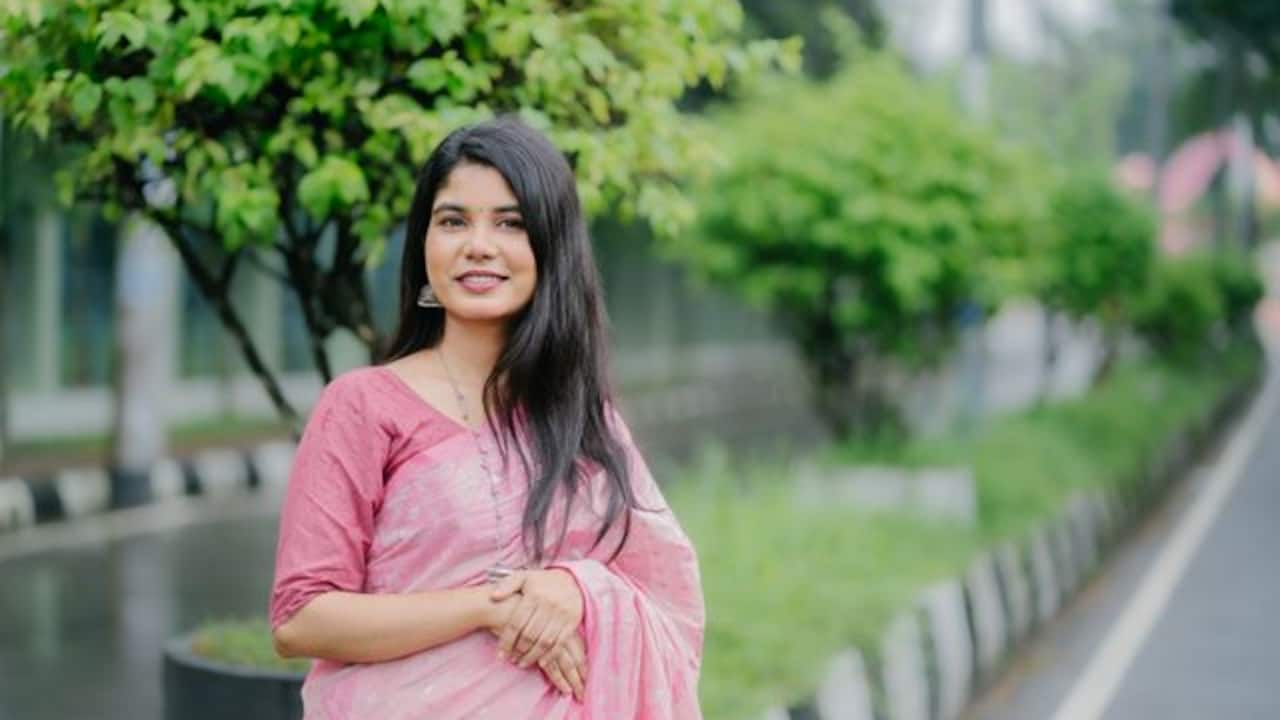
A tight petticoat is not always necessary to drape organza sarees
Photo Credit: Pexels
6. Myth: Pinning Every Fold Keeps Organza Looking Perfect
Pins are enormously useful with organza, especially when the fabric has enough spring to shift during movement. But turning every fold into a construction project can make the saree stiff in all the wrong places.
The front pleats generally need one secure pin placed discreetly enough to keep them aligned. The pallu may need another near the shoulder, depending on the chosen style.
Beyond that, pinning should solve specific problems.
Too many pins can pull the fabric unevenly. They may also create tiny puckers that become surprisingly noticeable on sheer, smooth organza.
Heavy safety pins can drag on lightweight fabric as well. Smaller saree pins usually create less weight, provided they can securely hold the layers involved.
Before pinning, arrange the fabric exactly where it needs to sit. A pin should preserve a good drape, not force a poor one into submission.
Think of pins as quiet assistants rather than the main structural system. If the saree requires a dozen of them simply to remain wearable, adjusting the pleats, tuck or pallu arrangement may solve the problem more effectively.
7. Myth: The Pallu Must Be Pleated To Look Polished
A pleated pallu can look beautifully structured, particularly with formal styling. Yet organza also happens to be one of those fabrics that can make an open pallu look spectacular.
Its natural body creates volume without requiring endless arranging. Spread across the shoulder, it can showcase embroidery, borders, woven motifs or prints that would disappear inside tightly packed folds.
The trick lies in controlling the starting point.
Secure the pallu properly at the shoulder and arrange the section across the torso so it doesn't balloon awkwardly. The remaining fabric can then fall naturally.
For occasions involving plenty of walking, dancing or navigating crowded rooms, pleats may feel more practical. For quieter events or photographs, an open pallu can make excellent use of organza's sculptural quality.
Neither method is inherently more elegant.
The better choice depends on what the saree is doing during the day. Clothes need to work with the person wearing them. There is little glory in maintaining immaculate pallu pleats while spending six hours afraid to lift an arm.
8. Myth: Organza Looks Best Only With A Very Fitted Blouse
A fitted blouse can balance the volume of organza beautifully, but fitted doesn't have to mean restrictive.
Because organza has visible structure, many people prefer a more streamlined blouse underneath it. That contrast can create a clean silhouette. Still, the blouse needs enough room for normal movement.
A blouse pulling sharply across the bust or digging into the armholes can actually disturb the saree. Constant tugging and adjusting eventually shifts the pallu and waistline too.
Sleeve volume can also work with organza when proportions feel intentional. Elbow-length sleeves, slightly structured shoulders or even fuller sleeves can complement the fabric rather than compete with it.
Neckline, blouse length and back design all influence the overall composition.
The saree and blouse should look as though they belong to the same styling conversation, but they don't need identical levels of stiffness.
A softer blouse can sometimes provide exactly the contrast a crisp saree needs.
Most importantly, comfortable movement creates confidence, and confidence will improve the appearance of a saree far more reliably than a blouse that permits approximately three centimetres of breathing room.
9. Myth: Organza Should Always Be Draped High On The Waist
There is no universal waist position that makes every organza saree look better.
A slightly higher drape may help some people feel secure and can create a longer-looking lower silhouette when styled carefully. Others prefer the saree sitting closer to their natural waist or slightly below it.
The fabric itself can influence the decision.
Because organza creates volume, placing several thick pleats at the narrowest part of the torso may feel bulky in some drapes. Moving the placement slightly and adjusting pleat width can change the balance considerably.
Blouse length also matters. A shorter blouse paired with a lower saree creates different proportions from a longer blouse with a higher waistline.
Comfort should guide the final position too. Organza doesn't stretch generously when someone sits down after lunch. A waistband placed at an uncomfortable point can make every chair feel suspicious.
Experiment before committing the safety pins.
Drape the saree, stand naturally, sit for a moment and walk around. The most flattering waist position is usually the one that keeps the proportions balanced without requiring constant adjustment.
10. Myth: If Organza Does Not Hold Its Shape, The Saree Is Poor Quality
A soft organza saree isn't necessarily inferior.
Organza comes in different fibres, yarn weights, weave densities and finishes. Some versions feel extremely crisp, while others have a gentler hand and more fluid movement.
That variation affects styling, but it doesn't provide a simple quality ranking.
A softer organza might create beautifully relaxed folds while a highly structured version produces more dramatic volume. Both can work well for different drapes.
Quality deserves a broader assessment. Look at the consistency of the weave, fabric finish, stitching, border alignment, colour, embellishment and overall craftsmanship. For silk organza in particular, fibre quality and weaving technique can matter far more than raw stiffness.
It is also worth remembering that fabric can change with wear and cleaning. A saree that begins extremely crisp may gradually relax.
Rather than asking whether the organza is stiff enough, ask whether its particular structure suits the look you want.
Fashion becomes far less frustrating once fabrics stop being expected to behave according to one supposedly perfect formula.
Products Related To This Article
1. Sangria Ethnic Motifs Zari Organza Handloom Saree
2. Tikhi Imli Sequinned Organza Saree
3. ETHNIC9 Woven Design Organza Designer Saree
4. Anouk Zari Organza Designer Banarasi Saree
5. KALINI Pink & Green Checked Zari Organza Saree
6. Sangria Floral Embroidered Organza Designer Saree
7. HERE&NOW Embellished Embroidered Organza Saree
Organza doesn't need maximum stiffness to create a memorable saree shape. The most successful drapes balance structure, movement, proportion and comfort. Pleat width, petticoat fit, pallu styling and thoughtful pinning can matter just as much as the fabric itself. Work with organza's natural personality instead of fighting it, and those airy folds become part of the charm rather than a problem waiting to be pinned down.
(Disclaimer: This article may include references to or features of products and services made available through affiliate marketing campaigns. NDTV Convergence Limited (“NDTV”) strives to maintain editorial independence while participating in such campaigns. NDTV does not assume responsibility for the performance or claims of any featured products or services.)