Sunglasses For Kids Buying Guide: UV Protection, Fit And Lens Safety Explained
Choosing sunglasses for kids goes beyond style. Learn how to check UV protection, lens safety, fit, durability and comfort before buying the right pair for everyday outdoor use.
How to select sunglasses for your kids
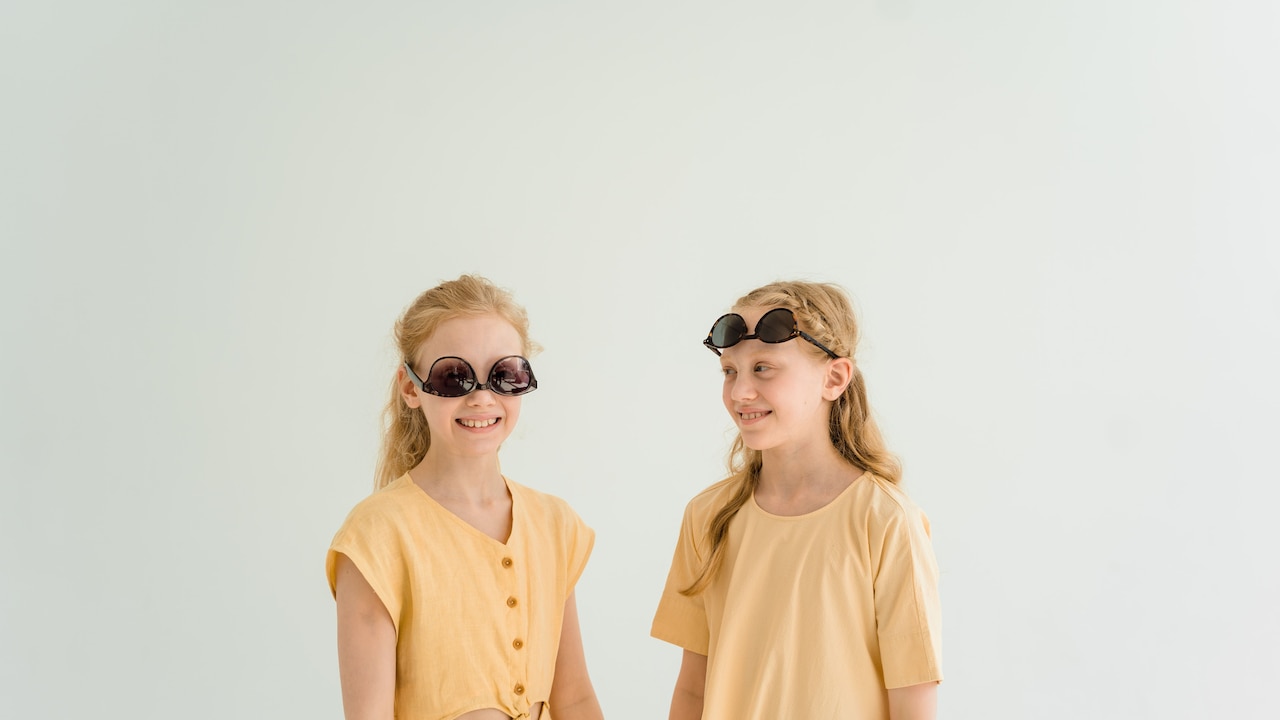
A child may choose sunglasses because they look “cool”, match a favourite cap or resemble something worn by a film star. Parents, however, need to look beyond the mirror test. Young eyes are still developing, and children often spend long hours outdoors. School trips, cycling, cricket practice, beach holidays and afternoon walks can all increase exposure to bright sunlight. Sunglasses help shield the eyes from ultraviolet radiation while also reducing squinting, glare and discomfort. The challenge lies in separating useful features from colourful marketing. A ₹500 pair with verified UV protection may be safer than an expensive designer frame with unclear labelling. Likewise, the darkest lens on the shelf is not automatically the best one.
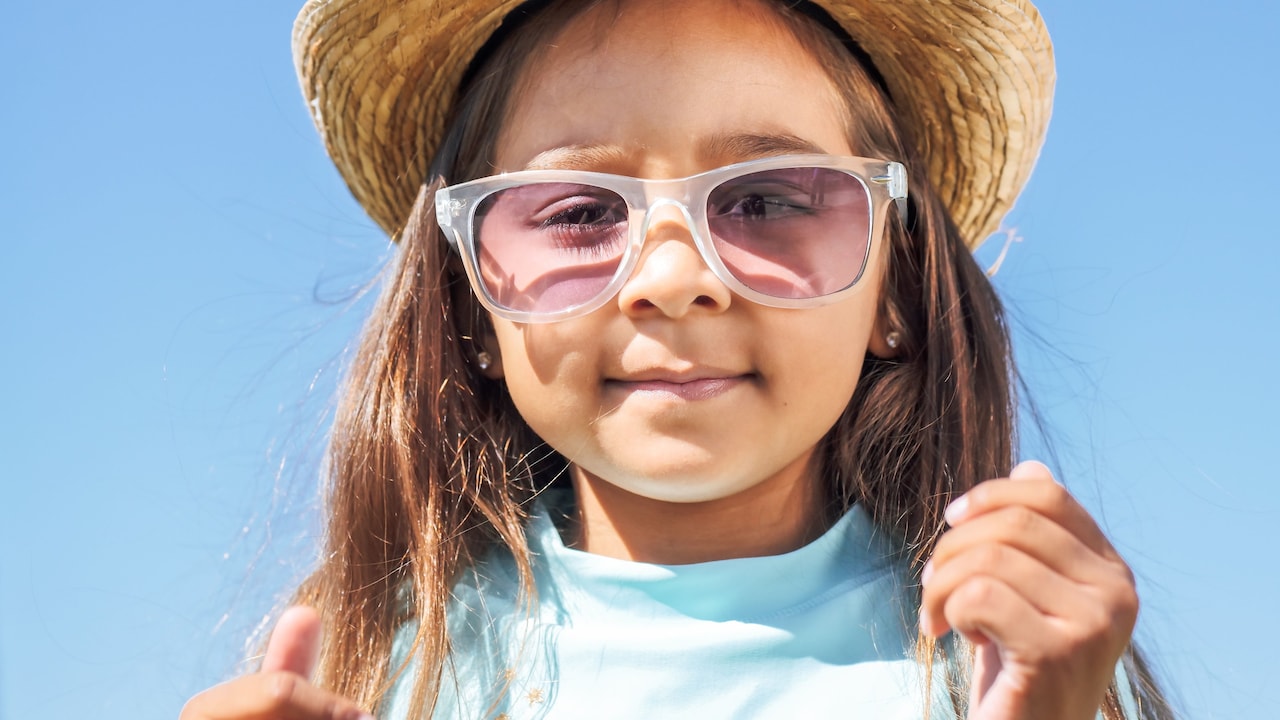
Stylish sunglasses for kids that offer UV protection and safety; Photo Credit: Pexels
A good pair should protect, fit comfortably, resist impact and suit the child's daily routine. It should also be easy enough to wear that it does not end up forgotten in a drawer after two outings. Here are ten practical points to consider before buying sunglasses for kids.
Also Read: Must-Have Baby Essentials For A Cool And Happy Summer
How To Choose The Right Sunglasses For Kids
1. Choose Full UV Protection, Not Just Dark Lenses
The first feature to check is ultraviolet protection. Look for sunglasses labelled UV400 or 100% UVA and UVB protection. UV400 lenses block ultraviolet rays with wavelengths up to 400 nanometres, covering both UVA and UVB radiation.
Lens darkness has little to do with UV safety. A very dark lens without proper UV filtering can be worse than no sunglasses at all. Darkness causes the pupil to widen, which may allow more harmful radiation to enter the eye. This makes reliable certification far more important than colour.
Avoid vague labels such as “UV resistant” unless the packaging explains the actual protection level. Reputable optical shops and recognised eyewear brands usually provide clearer product information. When buying online, read the specifications carefully rather than relying on photographs or customer comments alone.
For regular outdoor use, full UV protection should never be treated as an optional upgrade. It is the basic safety requirement. Cartoon prints, mirrored finishes and trendy shapes can come later. Protection must win the first round, even when a child is campaigning loudly for the neon-green pair.
2. Look For Shatter-Resistant Lens Materials
Children run, jump, fall, wrestle with cousins and occasionally use perfectly good accessories in completely unexpected ways. Their sunglasses need lenses that can handle such enthusiasm.
Polycarbonate and Trivex lenses are strong choices because they are lightweight and highly resistant to impact. Polycarbonate lenses are widely available, affordable and commonly used in sports eyewear. Trivex lenses usually offer excellent optical clarity and durability, though they may cost more.
Glass lenses should generally be avoided for children. They offer good clarity but are heavier and can crack or shatter under strong impact. That risk matters during cycling, skating, cricket or energetic playground games.
Check whether the lenses meet recognised impact-safety standards. Product packaging may mention testing or compliance information. A trustworthy optician can also explain which material suits a child's age and activities.
Scratch resistance is useful too, though no lens is completely scratch-proof. A hard coating can extend the life of the sunglasses, especially when they are likely to share space with pencil boxes, toy cars and biscuit crumbs inside a school bag.
3. Check The Fit Around The Nose And Temples
Sunglasses cannot protect properly if they keep sliding down the nose. A secure fit also prevents children from constantly pushing the frame back into place.
The bridge should rest comfortably without pinching or leaving deep marks. The temples should sit gently along the sides of the head rather than squeezing them. Frames that feel tight in the shop are unlikely to become more comfortable during a sunny afternoon outing.
Ask the child to look down, shake their head and move around while wearing the sunglasses. A well-fitting pair should stay in place without wobbling. It should not touch the cheeks every time the child smiles.
Flexible hinges and adjustable nose pads can improve comfort, although very small detachable parts may not suit toddlers. For younger children, soft wraparound frames often provide a secure and practical fit.
Age labels can help, but children of the same age may have very different face shapes. Treat sizing charts as a starting point, not a final answer. A seven-year-old with a narrow face may need a smaller frame than another child in the same class. The face, rather than the birthday cake, should decide the size.
4. Pick Frames That Cover The Eye Area Well
Small lenses may look stylish, but they leave more space for sunlight to enter from above and the sides. Better coverage offers better protection.
Choose lenses that cover the eyes fully without resting heavily on the cheeks. Wraparound frames are especially useful because they reduce side glare and provide a wider shield against sunlight, dust and wind. They work well for outdoor sports, hill holidays and long drives.
The frame should sit close enough to the face to limit gaps, but not so close that the eyelashes brush against the lenses. Constant contact can feel irritating and leave smudges that turn the world into a foggy painting.
Wide temples can also block some side exposure. However, the design should not restrict peripheral vision. Children need a clear side view while cycling, playing or crossing roads.
Oversized frames may offer good coverage, but they should remain lightweight and balanced. A frame that repeatedly slips or feels heavy will quickly become unpopular. The ideal pair should protect without making the child feel as though a miniature helmet has been attached to the face.
5. Select A Sensible Lens Tint
Lens colour affects comfort and visual perception, but it does not determine UV protection. UV filtering comes from the lens treatment or material, not the shade.
Grey lenses are a reliable all-purpose choice because they reduce brightness while keeping colours fairly natural. Brown or amber lenses can improve contrast, which may help during outdoor sports and hazy weather. Green lenses also offer balanced colour perception and good glare reduction.
Very bright fashion colours may alter how children see signals, objects or surroundings. Red, blue or strongly tinted lenses can look playful, but they may not be ideal for everyday use.
Avoid lenses that are excessively dark for ordinary conditions. Children should still be able to see clearly when moving between sunlight and shade. Dark sunglasses should never be worn indoors, at dusk or in low-light areas where they may reduce visibility.
A medium tint usually suits daily outdoor use. Ask the child whether the lenses feel comfortable in bright light and whether colours still look normal. Their answer may be charmingly dramatic, but it can still reveal whether the tint feels strange or distracting.
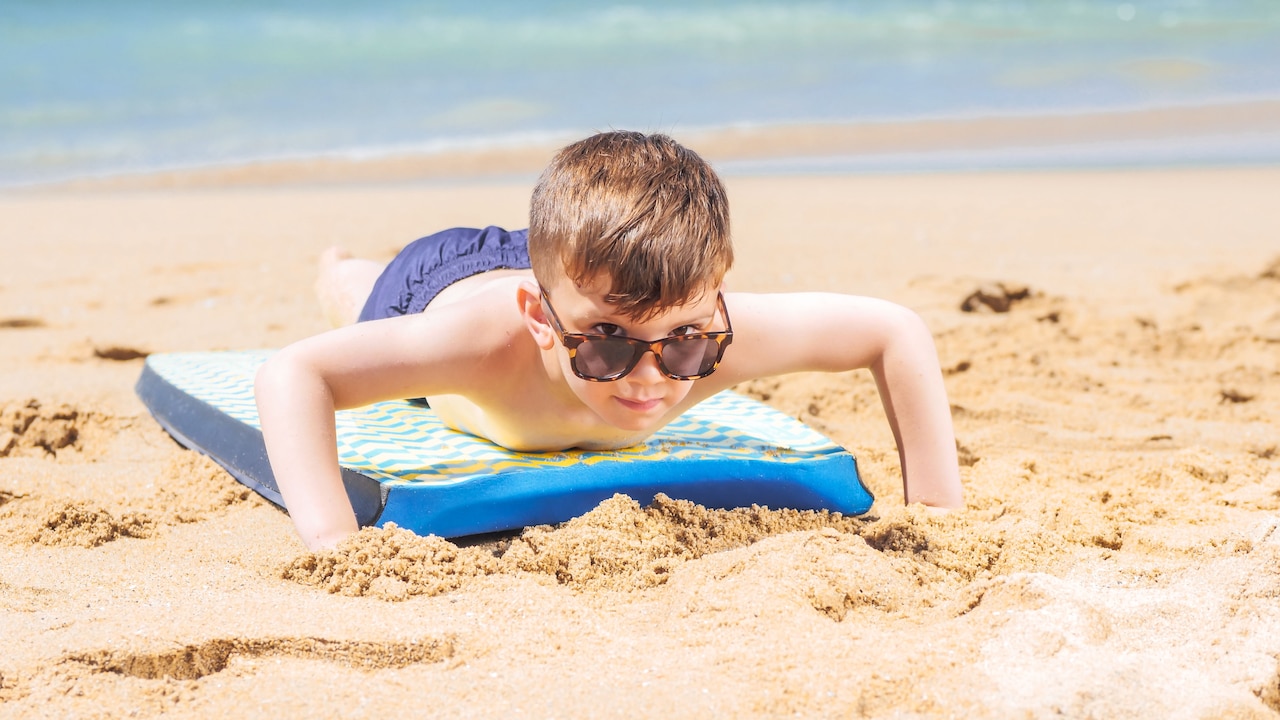
Opt for a suitable lens tint for your little one; Photo Credit: Pexels
6. Consider Polarised Lenses For Strong Glare
Polarised lenses reduce reflected glare from surfaces such as water, roads, car bonnets and pale flooring. They can make outdoor scenes look clearer and help children feel more comfortable during travel or sports.
These lenses are particularly useful for beach holidays, boating, fishing, long road journeys and sunny afternoons near swimming pools. They may also reduce eye strain when sunlight reflects sharply from wet roads after rain.
However, polarisation and UV protection are not the same thing. A lens can be polarised without offering complete UV protection, so always confirm both features separately.
Polarised lenses may make some digital screens appear darker or show rainbow-like patterns at certain angles. This can affect tablets, phones and vehicle displays, though many children adapt quickly.
They also tend to cost more. A durable pair with full UV protection might start at around ₹800, while branded polarised options can cost ₹1,500 or more. The extra expense makes sense for children who spend considerable time around water or strong glare. For occasional park visits, standard UV400 lenses may be perfectly adequate.
7. Choose Flexible And Child-Friendly Frames
Children's frames should bend a little without becoming loose or misshapen. Flexible plastic, rubberised materials and durable acetate blends can handle rough daily use better than delicate metal frames.
For toddlers and younger children, soft frames with smooth edges are often the safest choice. Some designs include an elastic strap that keeps the sunglasses in place. The strap should feel snug, not tight, and should not pull the frame into the cheeks.
Older children may prefer traditional frames with spring hinges. These allow the arms to open slightly wider, reducing stress when the sunglasses are removed with one hand. This matters because careful two-handed removal is rarely the first instinct during a cricket match.
Inspect the frame for sharp corners, exposed screws or decorative pieces that could come loose. Frames should also be free from brittle sections that may snap under pressure.
Comfort influences whether sunglasses get worn consistently. Let the child have some say in the colour or style after the safety features have been checked. A sensible frame in a disliked design may spend most of its life inside a cupboard.
8. Match The Sunglasses To The Child's Activities
A single pair may not suit every situation. Think about where and how the child will use the sunglasses before choosing a design.
For school commutes and casual outings, lightweight everyday frames with UV400 lenses are usually enough. Children involved in cycling, skating, trekking or sports may need wraparound styles with impact-resistant lenses and a secure strap.
For beach trips or holidays near water, polarised lenses can improve comfort by cutting reflected glare. For dusty environments, larger lenses and close-fitting frames may provide extra protection against wind and particles.
Children who wear prescription spectacles need special consideration. Prescription sunglasses provide the clearest solution, while clip-on shades may suit some frames. Photochromic lenses darken in sunlight, but they may not become very dark inside cars because windscreens block part of the ultraviolet light that activates them.
Avoid buying highly specialised features that the child will rarely use. A sturdy ₹1,000 pair worn every day offers better value than a ₹4,000 sports model that feels uncomfortable and stays in its case.
9. Inspect Labels, Quality And Optical Clarity
Poor-quality lenses may distort vision even when they look perfectly clear. Distortion can cause discomfort, headaches or difficulty judging distance.
To check basic optical quality, hold the sunglasses at arm's length and look through one lens at a straight line, such as a door frame or window edge. Move the glasses slowly from side to side. The line should remain straight rather than appearing to bend or ripple.
Inspect both lenses for bubbles, waves, scratches or uneven colouring. The tint should look consistent across the surface. Hinges should open smoothly, and the arms should align properly when placed on a flat surface.
Packaging should clearly mention UV protection, lens material, manufacturer information and relevant safety details. Be cautious with products that offer dramatic claims but provide no specifications.
Street-market sunglasses may seem tempting at ₹150 or ₹250, especially when children outgrow accessories quickly. However, unclear UV protection and poor optical quality can make them a risky bargain. Affordable sunglasses are available from trusted optical retailers, so safety does not always require a premium price tag.
10. Teach Children To Wear And Care For Them
Even the safest sunglasses offer little protection when they sit in a backpack. Children need simple habits that make wearing and caring for them feel routine.
Encourage sunglasses during bright outdoor activities, especially between late morning and mid-afternoon. A wide-brimmed hat or cap adds further protection by reducing direct sunlight from above.
Show children how to remove sunglasses with both hands and store them in a hard case. Soft pouches prevent some scratches, but hard cases offer better protection inside crowded school bags.
Clean lenses with a microfibre cloth and a suitable lens-cleaning solution. Avoid wiping them with a shirt, tissue or handkerchief, as dust particles can scratch the surface. Hot water, household cleaners and sanitiser may damage coatings.
Add a name label to the case, particularly for school trips or sports classes. Sunglasses have a mysterious talent for disappearing beside water bottles and lunch boxes.
Check the fit every few months. Children grow quickly, and a pair that fitted well last summer may press against the temples now. Replacing an uncomfortable frame is better than turning eye protection into a daily argument.
Products Related To This Article
1. Carlton London Girls Grey Lens & Gold-Toned UV Protected Lens Aviator Sunglasses
2. Mango Kids Boys Wayfarer Sunglasses
3. Disney Boys Grey Lens & White Rectangle Sunglasses with Polarised and UV Protected Lens
4. Decathlon Kids Black Yellow MH T140 Sun Protection Outdoor Hiking Sunglasses
5. Stoln Unisex Kids Black Lens & Black Square Sunglasses
6. Biglilpeople Unisex Kids Black Lens & Green Rectangle Sunglasses
7. Stoln Girls Black Lens & Blue Round Sunglasses with UV Protected Lens
Buying sunglasses for children requires more thought than choosing a fun colour and checking the price. Full UVA and UVB protection should come first, followed by impact-resistant lenses, a comfortable fit and enough coverage around the eyes.
Polycarbonate or Trivex lenses, flexible frames and secure temples suit most active children. Polarised lenses can be useful around water and reflective surfaces, while sensible grey, brown or green tints work well for everyday use.
The best sunglasses are not necessarily the most expensive pair in the shop. They are the ones that meet proper safety standards, fit the child's face and feel comfortable enough to wear regularly.
A little involvement from the child also helps. Once the essential safety checks are complete, let them choose between the rocket-print frame and the purple one. Eye protection works far better when it feels like a favourite accessory rather than another rule from the grown-ups.
(Disclaimer: This article may include references to or features of products and services made available through affiliate marketing campaigns. NDTV Convergence Limited (“NDTV”) strives to maintain editorial independence while participating in such campaigns. NDTV does not assume responsibility for the performance or claims of any featured products or services.)