Pedicure Mistakes That Can Make Dry Heels Worse Instead Of Softer
Common pedicure habits such as over-soaking, harsh scrubbing and using blades can worsen dry, cracked heels. Learn which mistakes to avoid for softer, healthier feet.
Why Your Pedicure Is Making Dry Heels Worse And How To Fix It
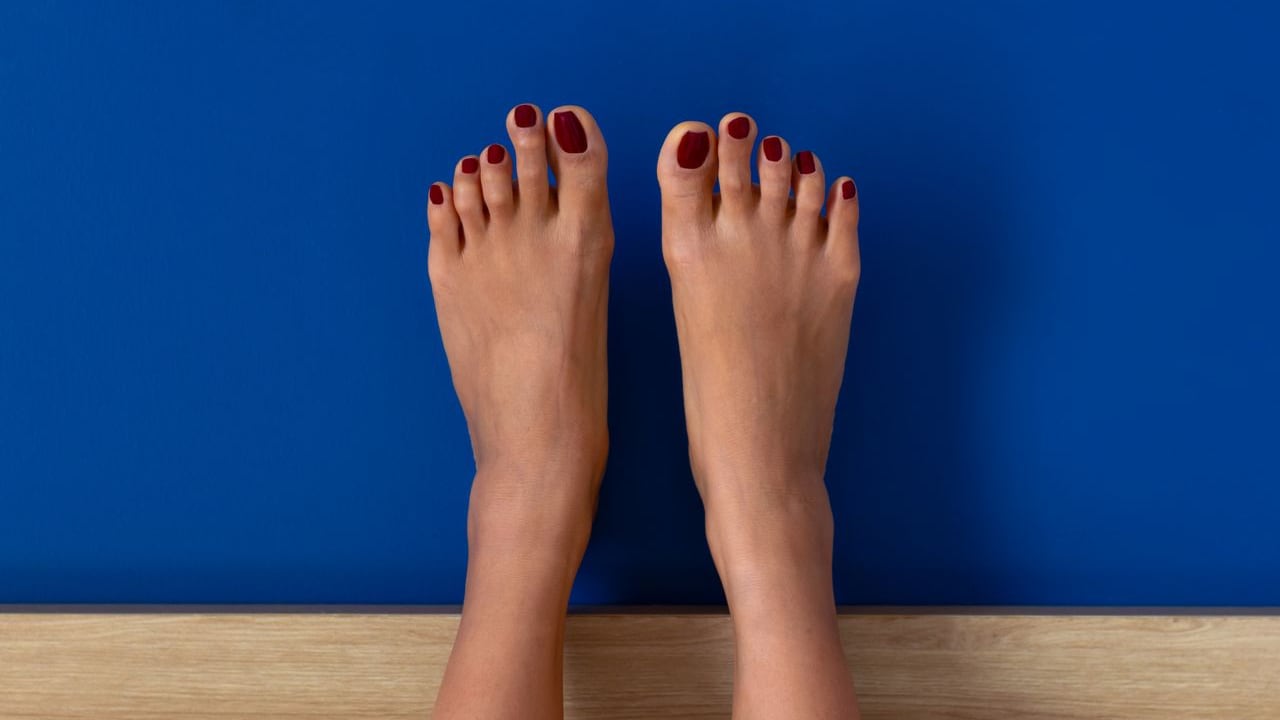
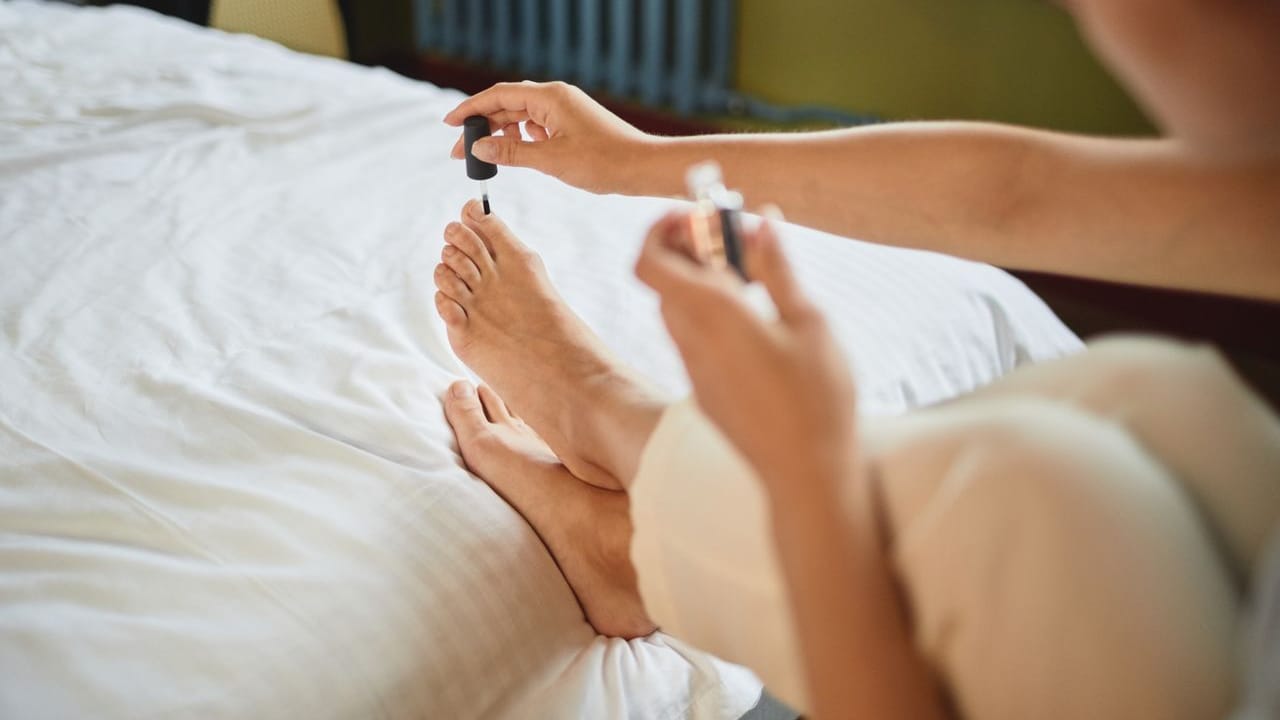
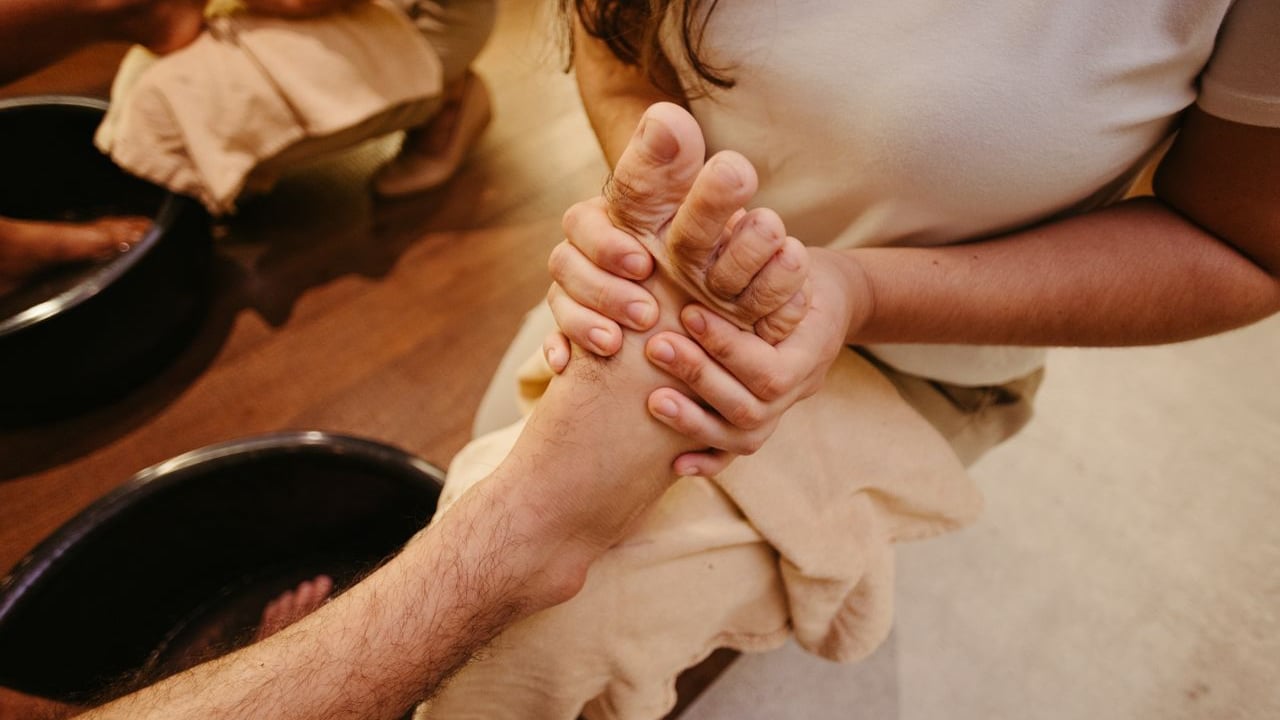
Dry heels have a strange way of becoming noticeable at the worst possible moment. Perhaps a favourite pair of sandals comes out for a family function, or a quick visit to the salon turns into an uncomfortable discussion about cracked skin. What begins as mild roughness can soon feel like walking on tiny lines of sandpaper. A pedicure may seem like the obvious rescue plan. Warm water, a pumice stone, a little cream and everything should feel soft again. Unfortunately, heel care is not always that simple. Some popular pedicure habits remove too much protective skin, weaken the skin barrier or leave the feet vulnerable to irritation. The heels may look smoother for a day, then return drier, rougher and more painful than before.
Why Your Pedicure Is Making Dry Heels Worse And How To Fix It
Photo Credit: Pexels
The good news is that most of these mistakes are easy to avoid. Softer heels usually come from gentle, regular care rather than one heroic scrubbing session. Understanding what harms the skin can make every home or salon pedicure safer and far more effective.
Common Pedicure Habits That Can Worsen Dry Heels
1. Soaking The Feet For Too Long
A warm foot soak feels wonderfully relaxing, especially after a long day of commuting, standing or running errands. However, leaving the feet in water for too long can make dry heels worse.
Water softens the outer layer of skin, which makes rough patches appear easier to remove. Yet prolonged soaking can strip away natural oils that help the skin hold moisture. Once the feet dry, the heels may feel tighter and rougher. Hot water causes even more trouble because it can disturb the skin barrier and increase dryness.
A soak does not need to last through half an episode of a television serial. Around five to ten minutes in comfortably warm water is usually enough to soften the skin before gentle exfoliation. The feet should then be patted dry, especially between the toes.
Moisturiser should follow while the skin remains slightly damp. This helps trap water within the outer layers. A short soak followed by immediate moisturising offers far better results than turning the pedicure tub into a miniature swimming pool.
2. Using Water That Is Too Hot
Steaming water may feel soothing, particularly during cooler months, but the heels rarely appreciate the extra heat. Hot water removes protective oils from the skin and can leave dry areas feeling stretched, itchy and irritated.
The problem becomes more noticeable when heels already have small cracks. Heat may increase sensitivity and make the skin feel tender. People with reduced sensation in their feet may also fail to notice that the water is too hot, raising the risk of burns.
Pedicure water should feel warm, not piping hot. Testing it with the wrist or elbow can help, as these areas often detect excessive heat more quickly than the feet. The aim is to soften rough skin, not prepare it like vegetables in a pressure cooker.
A gentle cleanser may be used, but strongly perfumed bath products can add to dryness. Plain warm water often works perfectly well. After soaking, the feet should be dried carefully and covered with a rich moisturiser. Comfortable warmth relaxes tired feet; intense heat simply creates more work for the skin later.
Also Read: 14 Must-Have Manicure and Pedicure Tools And Kits: Amazon Customer-Favourite Edition, Up To 75% Off
3. Scrubbing Heels Too Aggressively
When heels feel rough, vigorous scrubbing can seem deeply satisfying. The temptation to keep rubbing until every uneven patch disappears is understandable. Sadly, excessive friction can damage healthy skin along with the dry layer.
Harsh scrubbing may cause tiny abrasions, redness and soreness. The body can respond by producing thicker skin to protect the area, which means the heels may become hard again surprisingly quickly. It creates an exhausting cycle: scrub, smooth, dry, repeat.
A pumice stone or foot file should be used with light pressure on softened skin. Slow, gentle movements work better than frantic back-and-forth scraping. The goal is gradual improvement, not instant perfection.
Exfoliation once or twice a week is usually enough for most people. If the heels feel tender afterwards, the pressure was probably too strong. Skin should never sting after a pedicure.
Think of heel care as polishing a delicate surface, not sanding furniture before Diwali. A little patience protects the skin barrier and delivers softer results that last longer.
4. Cutting Thick Skin With Blades
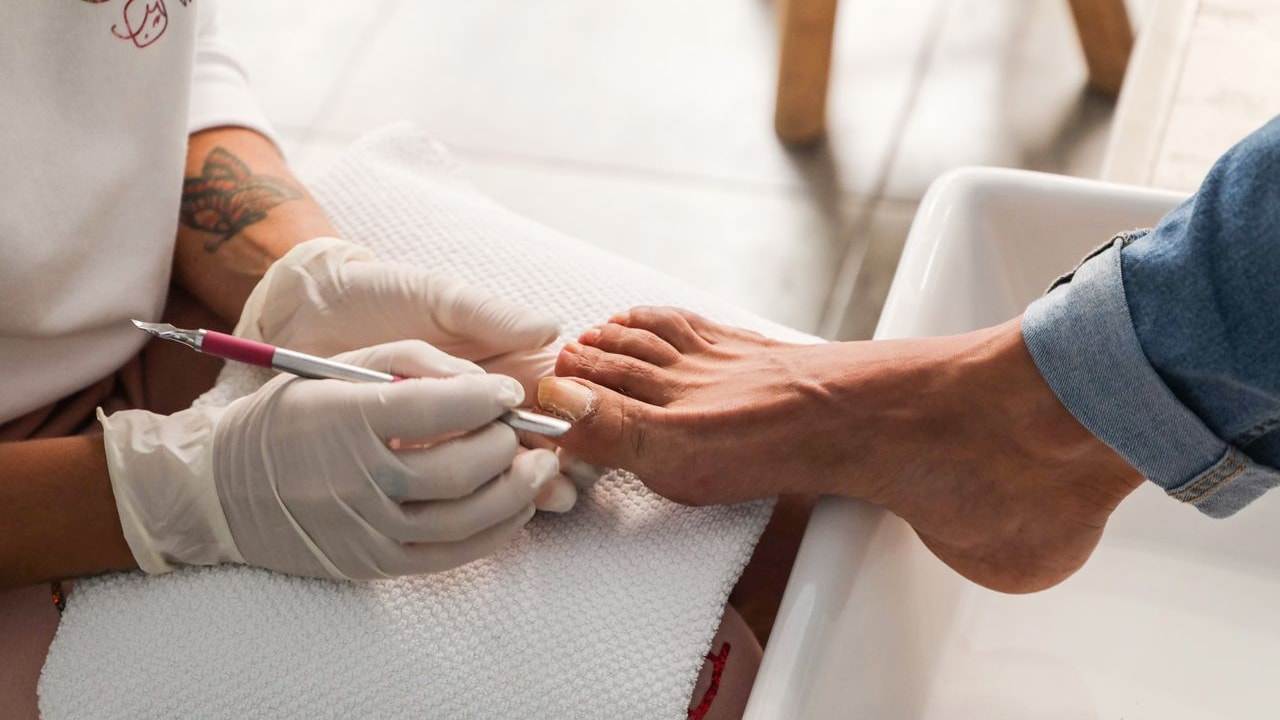
Using a blade to shave away hard skin may produce dramatic results, but it also carries serious risks. One careless movement can cause a cut, bleeding or infection. The danger increases when cracks make the surface uneven.
Removing a thick layer too quickly can expose tender skin underneath. Walking may then become uncomfortable, and the body may rebuild the hardened layer as protection. The heels may look smooth for a short time but return thicker and more sensitive.
Blades, razors and callus cutters should not be part of a home pedicure. Salon tools also require caution. A reputable professional should never remove living skin or continue if the area looks inflamed, cracked or painful.
Gentle filing over several sessions is much safer. A moisturiser containing urea or lactic acid may also help soften hardened skin gradually. These ingredients loosen dry cells without the drama of sharp tools.
A heel should not need to survive an action scene to become smooth. Slow care may appear less impressive, but it greatly reduces the chance of injury and infection.
5. Exfoliating Cracked Or Bleeding Heels
Cracked heels often look like they need extra scrubbing, yet this is exactly when exfoliation may do more harm. Deep cracks are not simply rough patches. They are breaks in the skin that can become painful and vulnerable to germs.
Filing over an open crack can enlarge it, trigger bleeding and delay healing. Scrubs containing salt, sugar or strong acids may sting sharply and irritate the damaged area. Even a clean pumice stone can introduce bacteria if it has not dried properly between uses.
When heels are split or bleeding, the priority should be protection and moisture. A thick heel balm can help soften the surrounding skin, while a clean dressing may reduce friction on painful areas. Open-back slippers should be avoided because they allow the heel pad to spread, which can pull cracks further apart.
Persistent, deep or infected-looking cracks need medical attention. Swelling, warmth, pus or increasing pain should never be ignored.
There is a time for polishing and a time for repair. A wounded heel needs calm treatment, not an enthusiastic exfoliation festival.
Why Your Pedicure Is Making Dry Heels Worse And How To Fix It
Photo Credit: Pexels
6. Skipping Moisturiser After Exfoliation
Exfoliation removes dry surface cells, but it also leaves the skin more exposed. Skipping moisturiser afterwards is like washing a steel tiffin box and leaving it open in the rain. The job remains unfinished.
Freshly exfoliated heels can lose moisture quickly. Without a protective layer, they may feel dry again within hours. A rich cream or heel balm helps restore softness and supports the skin barrier.
Ingredients such as urea, glycerine, ceramides, lactic acid and shea butter can be useful. Thick formulations usually work better on heels than light body lotions. The product should be massaged into the heel and sole, while the spaces between the toes remain mostly dry to prevent sogginess.
For extra care, moisturiser can be applied before bedtime and covered with clean cotton socks. This gives the product time to work without collecting dust from the floor. It also saves bedsheets from becoming unexpectedly slippery.
Regular moisturising matters more than occasional salon visits. Two minutes each evening can do more for dry heels than an aggressive pedicure once a month.
7. Applying Lemon Or Baking Soda
Kitchen ingredients often appear in home beauty remedies, and lemon with baking soda remains a popular combination. It may sound economical and natural, but natural does not always mean gentle.
Lemon juice is acidic and can sting cracked skin. It may cause irritation, especially when used in concentrated form. Sun exposure after lemon application can also lead to skin reactions in some people. Baking soda, meanwhile, is alkaline and may disturb the skin's natural protective balance. This can increase dryness rather than cure it.
Combining the two creates fizz and a sense of scientific achievement, but bubbles do not guarantee healthier heels. Repeated use may leave the skin sensitive, tight and uncomfortable.
A purpose-made heel cream offers a more reliable approach. Products with controlled amounts of urea or mild exfoliating acids are designed to soften thick skin safely when used as directed.
The kitchen deserves credit for excellent chai and pakoras. It does not need to become a foot-care laboratory. Heels usually respond better to tested skincare than to ingredients borrowed from the spice shelf.
Also Read: 5 Best Foot Spas For Tired Monsoon Feet At Home Under ₹500
8. Using Dirty Or Shared Pedicure Tools
Foot files, nail clippers and pumice stones can collect skin cells, moisture and microbes. When tools are not cleaned properly, a relaxing pedicure may lead to fungal or bacterial infections.
Shared tools create an even greater risk. This applies at home as well as in salons. Borrowing a family member's nail cutter may appear harmless, but infections can spread through tiny cuts that are almost invisible.
Reusable tools should be washed after every use, disinfected when appropriate and dried completely before storage. Pumice stones need special care because their porous surface can hold moisture. They should be replaced regularly, especially if they develop an unpleasant smell or remain damp.
At a salon, sealed or properly sterilised tools are a reassuring sign. Foot tubs should also be cleaned between clients. A hurried rinse does not count as hygiene.
Personal grooming tools are best treated like toothbrushes: useful, necessary and not meant for community sharing. Clean equipment may not make the pedicure more glamorous, but it protects the skin from problems far worse than dryness.
9. Wearing Open-Back Footwear Constantly
A perfect pedicure can only do so much if footwear keeps placing stress on the heels. Open-back slippers and flat sandals allow the heel pad to spread with every step. This repeated pressure can encourage thick skin and deepen existing cracks.
Such footwear is convenient in warm weather and around the house, so avoiding it completely may not feel realistic. The solution lies in balance. Supportive shoes or sandals with a secure back can reduce strain, particularly during long walks, shopping trips or daily travel.
Thin soles may also increase pressure on hard floors. Cushioned footwear can make a noticeable difference for people who spend hours standing. At home, clean, supportive slippers may protect the heels from dust and repeated impact.
Moisturiser should be allowed to absorb before footwear goes on. Otherwise, feet may slide around, turning a sensible routine into an accidental skating competition.
Soft heels depend on more than creams and files. The way the feet move through the day matters too. Comfortable support gives damaged skin a better chance to recover.
10. Expecting One Pedicure To Fix Everything
Dry heels rarely develop overnight, so expecting a single pedicure to erase them completely can lead to over-treatment. When instant results become the goal, people often soak for longer, scrub harder and remove more skin than necessary.
Healthy heel care works gradually. Gentle exfoliation, daily moisturising and supportive footwear need time to improve the skin. Mild roughness may respond within days, while deeper cracks can take several weeks.
Certain conditions can also contribute to persistent dryness. Eczema, psoriasis, fungal infections, thyroid problems and diabetes may affect the feet. In such cases, repeated pedicures will not address the underlying cause.
Professional advice becomes important when dryness keeps returning, cracks bleed or walking becomes painful. People with diabetes, poor circulation or reduced sensation should take particular care and avoid treating severe calluses at home.
A pedicure should support the skin, not wage war against it. Consistency may feel less exciting than a dramatic before-and-after moment, but quiet routines usually win. Heels appreciate steady kindness far more than occasional punishment.
Why Your Pedicure Is Making Dry Heels Worse And How To Fix It
Photo Credit: Pexels
Products Related To This Article
1. Fixderma Foobetik Foot Scrub Spray with Lactic Acid
2. O3+ Pedi Bright Foot Socks Cream Mask
3. AGARO CR3001 Callus Remover with 3 Interchangeable Head Rollers
4. O3+ Pedilogix Scoop Bomb Pedicure Gel with Bath Bomb
5. Kamz Pedicure Kits - Callus Remover for Feet
6. callus remover for feet dead skin remover pedicure tools Callus Remover
7. Lifelong LLM306 500W Electric Spa Foot Massager Machine With 8 Manual Rollers
Softer heels do not come from the hottest water, the sharpest tool or the strongest scrub. They come from treating the skin with patience. Short soaks, gentle exfoliation, clean equipment and rich moisturiser can protect the heel barrier instead of weakening it.
It also helps to recognise when a pedicure is no longer enough. Deep cracks, bleeding, swelling or ongoing pain deserve proper medical care rather than another round with a foot file.
The most effective routine is pleasantly simple: soften, smooth lightly, moisturise and protect. Done regularly, it can keep heels comfortable through wedding seasons, summer sandals, long commutes and barefoot walks around the house. The secret is not scrubbing harder. It is knowing when to stop.
(Disclaimer: This article may include references to or features of products and services made available through affiliate marketing campaigns. NDTV Convergence Limited (“NDTV”) strives to maintain editorial independence while participating in such campaigns. NDTV does not assume responsibility for the performance or claims of any featured products or services.)