Can A Shampoo Fix Dry Hair Or Is Your Wash Routine The Bigger Problem?
Dry hair may not need a new shampoo as much as a better wash routine. From hot water to harsh scrubbing and skipped conditioner, everyday habits can strip moisture and leave hair rough, frizzy and dull.

Dry Hair After Washing? Your Shampoo May Not Be The Real Problem
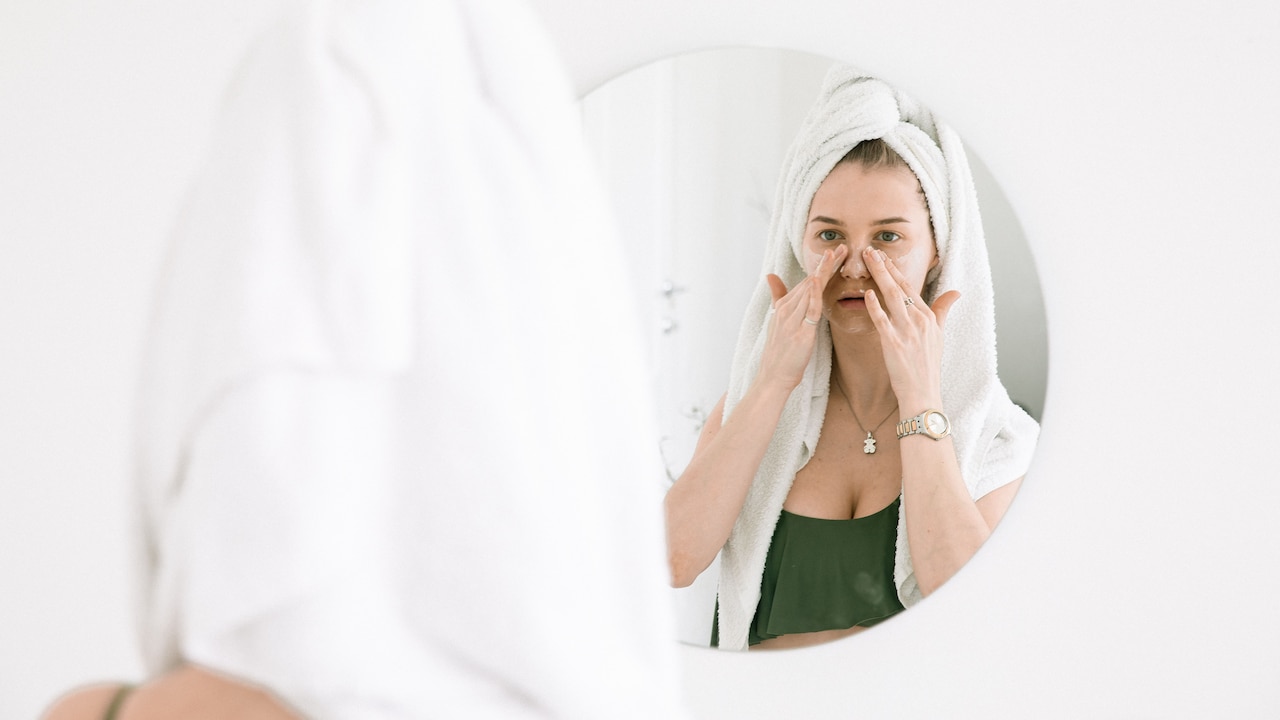
Dry hair has a way of ruining the mood before the day even begins. One look in the mirror, and the hair seems to have its own opinion: frizz near the crown, rough ends, dull strands, and that stubborn straw-like feel after a wash. Naturally, the first suspect becomes shampoo. The bathroom shelf starts filling up with “hydrating”, “repairing”, “smoothing” and “moisture-lock” bottles, each promising salon-like softness in hair at home. Yet many people change shampoos faster than they change their wash habits. The result? Same dryness, new bottle. Haircare works a little like making chai. Good tea leaves matter, but if the milk burns or the spices overpower everything, the final cup still disappoints. Shampoo plays an important role, no doubt. It cleans the scalp, removes sweat, oil, dust and product build-up. But dry hair usually has more than one villain. Water quality, washing frequency, oiling style, conditioner use, towel habits, weather, styling tools and even how vigorously one massages the scalp can make hair feel dry. So, can a shampoo fix dry hair? Sometimes, yes. But if the wash routine keeps stripping the hair, even the fanciest shampoo will struggle. The bigger question is not just what goes on the hair, but how the hair gets treated from oiling to drying.
Dry Hair After Washing? Your Shampoo May Not Be The Real Problem; Photo Credit: Pexels
What Really Causes Dry Hair On Wash Day?
The Shampoo Trap: Why One Bottle Cannot Do Everything
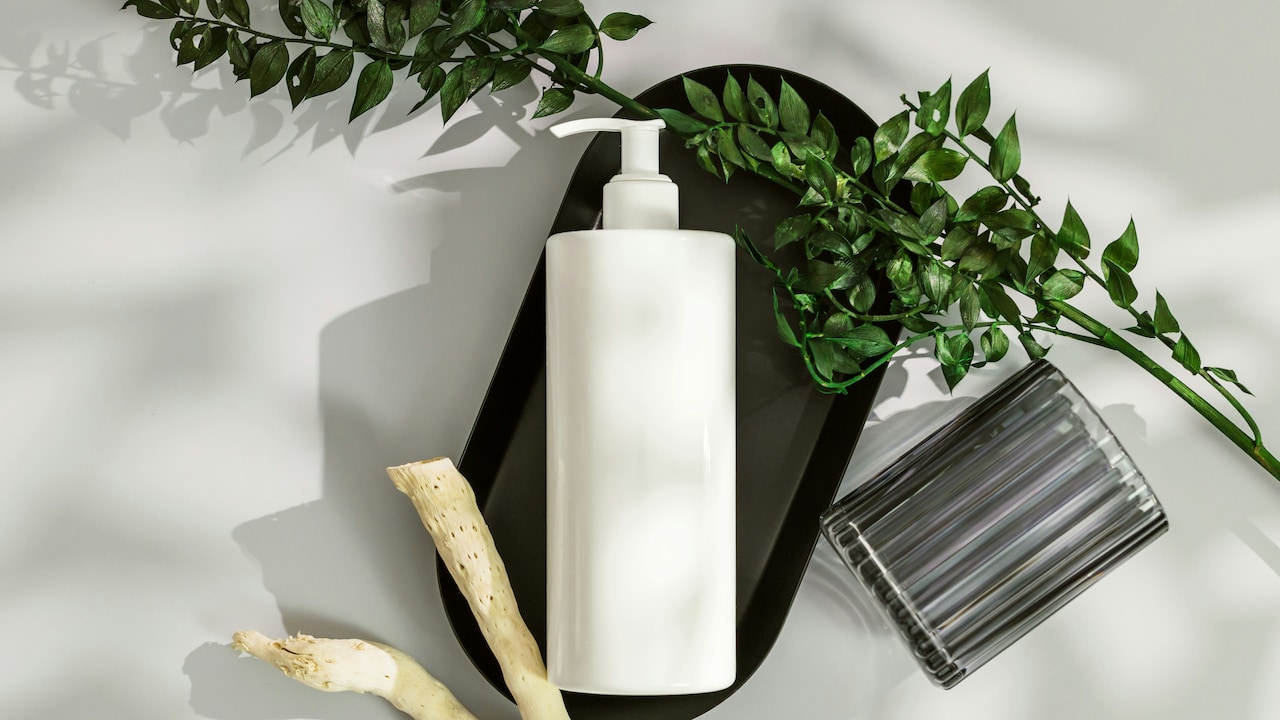
A shampoo can clean well, soften slightly and make hair feel fresher, but it cannot single-handedly repair every dry strand. Many people expect shampoo to behave like a cleanser, conditioner, hair spa and magic wand rolled into one. That expectation leads to disappointment, especially when the hair already suffers from heat, colour, hard water or rough handling.
Shampoo mainly works on the scalp and the surface of the hair. It removes oil, sweat, pollution, dust and styling residue. A gentle shampoo can reduce dryness by avoiding harsh cleansing agents, but it cannot rebuild split ends or reverse months of damage overnight. Think of it as a good house help who cleans beautifully but cannot fix a leaking tap, repaint the walls and rearrange the furniture in one afternoon.
Dry hair often needs support after cleansing. Conditioner, leave-in cream, hair masks and careful drying habits matter just as much. Even a moisturising shampoo gets washed away within minutes. If nothing follows it, the hair cuticle may stay rough and exposed. The bottle may not be useless, but it cannot carry the whole routine alone.
Also Read: How To Deep Condition Hair At Home After Monsoon Damage
Washing Too Often Can Leave Hair Thirsty
Freshly washed hair feels lovely. The scalp feels light, the fragrance lingers, and the whole head feels cleaner than a Sunday morning after fresh bedsheets. But washing too often can leave dry hair even drier, especially when the scalp does not produce much oil or the hair is curly, wavy, coloured or chemically treated.
Every wash removes some natural oil from the scalp. That oil, though often disliked, helps protect the hair and keep it flexible. When hair gets washed daily with a strong shampoo, the strands may lose their natural coating before it travels from the scalp to the ends. The scalp may then feel tight, while the ends start looking dull and frizzy.
Climate and lifestyle matter too. Someone who travels in traffic, sweats heavily or exercises every day may need more frequent washing than someone who stays mostly indoors. The trick is balance. Hair should feel clean, not stripped. For many dry-hair types, washing two or three times a week works better than daily shampooing. Between washes, a neat bun, light serum or simple braid can save both time and texture.
Hot Water Feels Comforting But Acts Like A Thief
A hot shower after a long day feels almost medicinal. It relaxes the shoulders, clears the head and makes the bathroom feel like a tiny spa. Unfortunately, hair does not enjoy hot water as much as the mind does. Very hot water can strip natural oils, roughen the hair cuticle and make already dry strands feel harsher after washing.
Hair has an outer layer called the cuticle. When the cuticle lies smooth, hair reflects light and feels softer. When it lifts or becomes rough, the hair looks dull and frizzy. Hot water can worsen that roughness, especially when combined with a strong shampoo. The result often appears after drying: hair that looked fine in the shower suddenly feels like broom bristles near the ends.
Lukewarm water offers a kinder option. It helps shampoo spread and rinse without shocking the scalp or drying the strands too much. A final cool rinse can also make hair feel smoother, though it need not feel like a punishment from the Himalayas. Comfortable, mildly cool water does the job. Haircare should not require bravery before breakfast.
Dry Hair After Washing? Your Shampoo May Not Be The Real Problem; Photo Credit: Pexels
Scrubbing The Scalp Like Laundry Damages The Mood
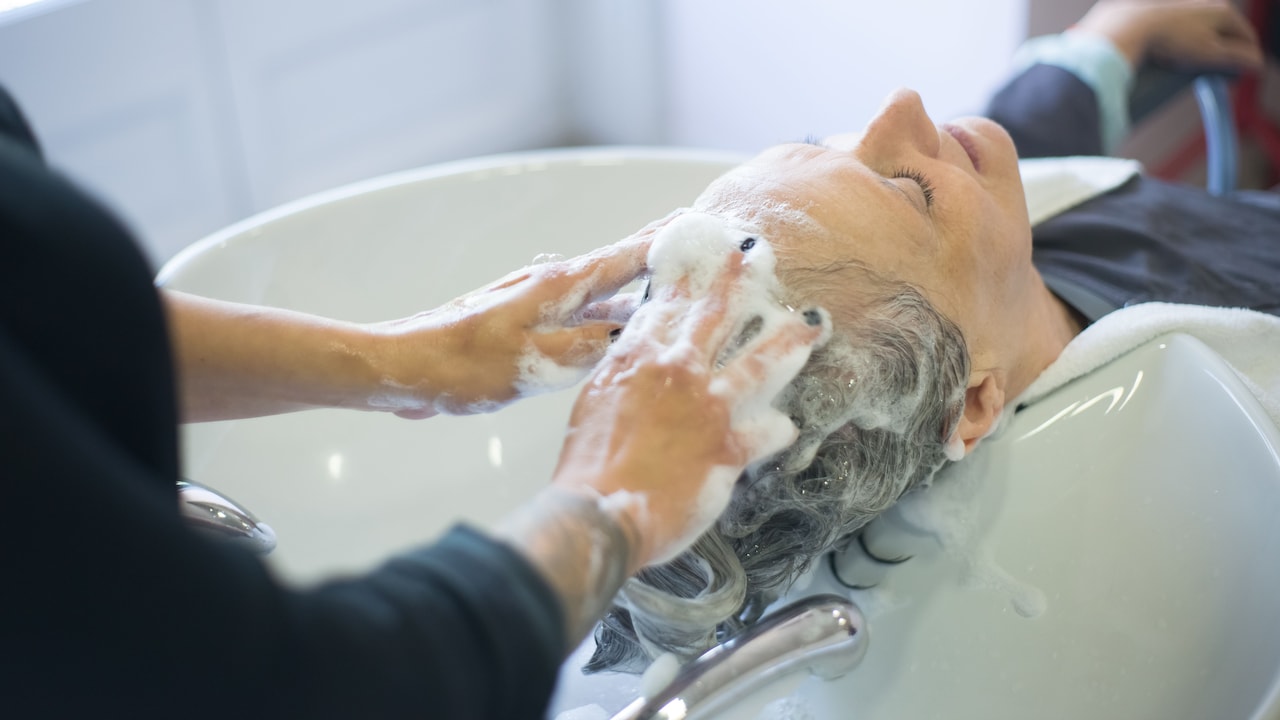
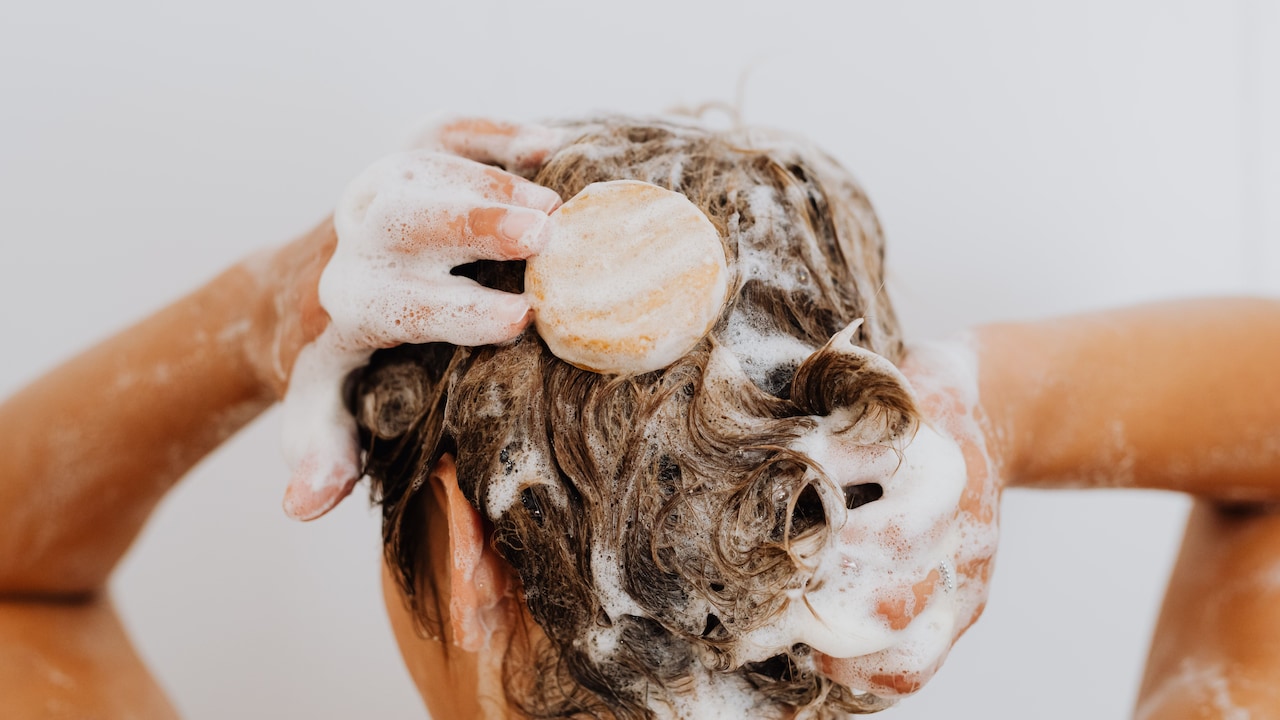
Many people wash their hair with the enthusiasm usually reserved for scrubbing a stubborn pressure cooker. Nails dig in, strands get twisted, and shampoo gets rubbed through the lengths as if foam alone proves cleanliness. This rough treatment can make dry hair worse, especially when the strands already break easily.
The scalp needs gentle attention. Fingertips, not nails, should massage the shampoo at the roots. The goal is to loosen oil and dirt from the scalp, not punish it for existing. The lengths do not need aggressive rubbing. As shampoo rinses down, it cleans them enough in most cases. Roughly piling hair on top of the head may look dramatic in advertisements, but real hair often leaves that scene with tangles and breakage.
A better method feels slower but works well. Wet the hair fully, take a small amount of shampoo, spread it between the palms, and massage the scalp in small movements. Add a splash of water if the foam feels low. More lather does not always mean better cleaning. Sometimes, it only means more dryness. A calm wash can leave hair cleaner and happier.
Conditioner Is Not Optional For Dry Hair
Skipping conditioner because shampoo already says “moisturising” is like ordering dosa and refusing chutney because the dosa looks good enough. Dry hair needs that extra softness after cleansing. Shampoo opens the conversation, but conditioner brings peace to the meeting.
Conditioner helps smooth the outer surface of hair, reduce friction and make strands easier to detangle. It does not belong on the scalp for most people, especially those with oily roots. It works best from mid-lengths to ends, where dryness usually shows first. Leaving it on for a few minutes can make a noticeable difference. Rinsing it out too quickly often wastes the product.
The amount matters. Too little may not soften the hair; too much may leave it limp. Fine hair may need a light conditioner, while thick, wavy or curly hair may enjoy richer formulas. The ends deserve special care because they are the oldest part of the hair. They have survived sun, dust, clips, heat, pillow friction and countless combing sessions. A good conditioner gives them the support they have clearly earned.
Oiling Helps Only When Done Sensibly
Hair oil carries plenty of emotion in many homes. A champi before a wash can feel comforting, nostalgic and almost ceremonial. Coconut oil, almond oil, sesame oil and even blends with curry leaves or methi still hold a proud place in bathroom cabinets. Oiling can help reduce friction and make hair feel softer, but too much oil or the wrong washing method can create new dryness.
When the scalp and hair get drenched in oil, removing it may need repeated shampooing. That repeated cleansing can strip the hair and undo the benefit of oiling. A light application works better for many people. The oil should coat the strands, not make them drip onto the pillowcase. Leaving oil on overnight suits some, but it can irritate sensitive scalps or attract dust in humid weather.
Pre-wash oiling on the lengths can protect dry hair from harsh cleansing. Even twenty to thirty minutes before washing can help. The key lies in restraint. Hair oil should behave like a thoughtful guest, not a relative who arrives with luggage for two months. A little can nourish; too much can complicate the wash.
Hard Water Can Make Good Shampoo Look Bad
Sometimes the shampoo is innocent, and the water is the real troublemaker. Hard water contains minerals that can leave a coating on the hair and scalp. This build-up may make hair feel rough, dull and difficult to rinse. It can also reduce the performance of shampoo and conditioner, making even decent products seem useless.
Many homes deal with hard water without realising how much it affects hair. The signs often appear slowly. Hair feels waxy near the roots but dry at the ends. Shampoo does not lather easily. Conditioner seems to sit on the hair without softening it properly. After drying, the strands feel stiff rather than clean.
A shower filter may help in some households, though results vary with water quality. Occasional use of a clarifying shampoo can remove build-up, but dry hair should not face strong clarifying formulas too often. A final rinse with filtered water can also help when practical. It sounds like extra work, but anyone who has carried drinking water cans up three floors knows that water quality has a personality. Hair knows it too.
Dry Hair After Washing? Your Shampoo May Not Be The Real Problem; Photo Credit: Pexels
Towel Drying Can Turn Soft Hair Frizzy
The wash does not end when the tap turns off. What happens next can decide whether hair dries smooth or explodes into frizz. Rough towel drying remains one of the most common reasons dry hair feels worse after washing. Rubbing wet hair harshly with a towel creates friction, lifts the cuticle and causes breakage.
Wet hair is more fragile than dry hair. It stretches easily and snaps more quickly. A heavy towel twisted tightly around the head may feel convenient, but it can pull at the roots and stress the strands. Rubbing the lengths back and forth only adds trouble. Dry hair, especially wavy or curly hair, rarely forgives that treatment.
A softer approach works better. Gently squeeze out extra water after washing. Wrap the hair in a soft cotton towel or an old clean T-shirt for a short while. Avoid dragging the fabric along the strands. Once the hair feels damp rather than dripping, apply a light serum, cream or leave-in product if needed. This small change can reduce frizz without buying another expensive shampoo.
Heat Styling Quietly Cancels A Good Wash Routine
A careful wash routine can lose its power when heat styling takes over every other day. Blow dryers, straighteners and curling tools can make hair look polished quickly, but regular high heat weakens the strand and steals moisture. Dry hair then becomes a cycle: wash, style, damage, panic, buy new shampoo, repeat.
Heat does not always need complete exile. Few people want to attend a wedding, office party or festive dinner with hair that refuses to cooperate. The problem begins when high heat becomes a daily habit without protection. Using a heat protectant, lowering the temperature and avoiding multiple passes over the same section can reduce damage.
Air drying sounds ideal, but it does not suit every schedule or hair type. A middle path often works best. Let hair dry partially before blow-drying. Keep the dryer moving. Avoid pressing hot tools on damp hair unless the tool specifically allows it. Give hair heat-free days between styling sessions. Even the best shampoo cannot compete with a straightener used like a daily attendance register.
Product Build-Up Can Fake Dryness
Dry hair does not always lack moisture. Sometimes it suffers under layers of product. Serums, leave-in creams, gels, dry shampoos, heavy conditioners and oils can build up over time. The hair may then feel coated, dull, sticky at the roots and rough at the ends. This confusing mix often makes people assume the shampoo has stopped working.
Build-up can block conditioners and masks from doing their job properly. Hair may feel dry because helpful products cannot reach the strand evenly. The solution is not always more moisture. Sometimes the hair needs a proper cleanse. A gentle clarifying wash once in a while can reset the scalp and lengths. However, overdoing it can create dryness again, so balance matters.
The amount of product used after washing also matters. A pea-sized amount of serum may smooth the ends, while a palmful can make hair limp by evening. Hair should move freely, not feel like it has signed a long-term contract with styling cream. When products layer up, even a good shampoo may look guilty. Clean hair starts with smart product use.
The Right Routine Beats The Most Expensive Bottle
Price can impress, but hair does not read labels. A ₹1,500 shampoo may fail if used with boiling water, skipped conditioner and rough towel drying. A more affordable shampoo may perform beautifully when paired with a sensible routine. The real win lies in understanding what the hair needs instead of chasing every shiny bottle on the shelf.
Dry hair usually prefers gentle cleansing, consistent conditioning and careful handling. It may need fewer washes, less heat, softer drying and occasional build-up removal. The shampoo should suit the scalp first. A very creamy shampoo may weigh down oily roots, while a strong anti-dandruff or clarifying shampoo may dry the lengths if used too often. Choosing the right product matters, but using it correctly matters more.
A simple routine often beats an overcrowded one. Wash when needed, not out of habit. Condition the lengths. Detangle gently. Protect from heat. Watch how the hair responds over a few weeks. Haircare needs patience, not panic. Dry strands rarely transform in one wash, but they improve when the routine stops picking fights with them.
Products Related To This Article
1. Parachute Advansed Protein Shampoo with Coconut Milk & Rosemary
2. Mamaearth Onion Shampoo for Hair Growth and Hair Fall Control with Onion and Plant Keratin
3. Pilgrim Spanish Rosemary & Biotin Anti Hairfall Shampoo for Reducing Hair Loss
4. L'Oréal Professionnel Paris Scalp Advanced Anti-Dandruff Shampoo
5. Plum Coconut Milk & Peptides Strength & Shine Shampoo
6. Love Beauty & Planet Argan Oil and Lavender Sulfate Free Smooth and Serene Shampoo
7. Kérastase Densifique Densité 250ml
A shampoo can help dry hair, but it cannot rescue a routine that keeps causing damage. The bottle may soften, cleanse and support the scalp, yet the real story unfolds in the habits around it. Hot water, frequent washing, harsh scrubbing, skipped conditioner, heavy oiling, hard water, rough towel drying and regular heat styling can all make hair feel dry, even when the shampoo is decent.
The smartest approach is not to blame one product immediately. Look at the full wash day. How often does the hair get washed? How hot is the water? Does conditioner reach the ends? Does the towel rub too hard? Does the straightener appear more often than the morning alarm? These small answers usually reveal the bigger problem.
Dry hair needs kindness more than drama. It responds to gentle cleansing, sensible oiling, patient conditioning and less friction. A good shampoo deserves a place in the routine, but it should not carry the entire burden. When the wash routine improves, the same hair that once looked dull and thirsty can start behaving with surprising grace. And on a humid Monday morning, that feels nothing short of a small victory.
(Disclaimer: This article may include references to or features of products and services made available through affiliate marketing campaigns. NDTV Convergence Limited (“NDTV”) strives to maintain editorial independence while participating in such campaigns. NDTV does not assume responsibility for the performance or claims of any featured products or services.)