Chemical Peel Vs Face Scrub: Which Is Better For Dull, Tired Skin?
Are you confused between a chemical peel and a face scrub for your dull skin? Discover the benefits, drawbacks and the best option for dull and tired skin.
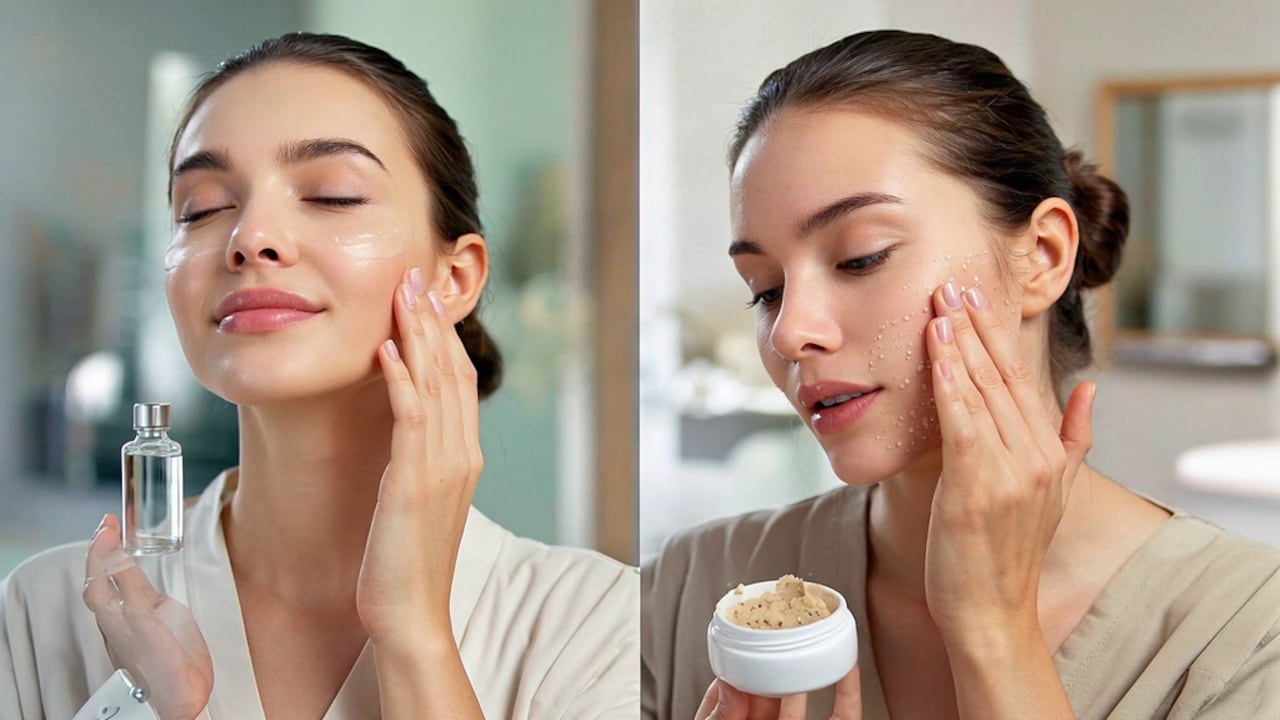
Chemical Peel Vs Face Scrub: Which Is Better For Dull, Tired Skin?
Dull and tired skin is one of the most common skincare concerns, especially with the increasing exposure to pollution, UV rays, stress, and long working hours. Often, if you notice your complexion becoming uneven or lacking its usual glow, exfoliation is the first thing people will turn to. Two popular ways rule the conversation: chemical peels and face scrubs. Both are meant to slough off dead skin cells and reveal fresher skin underneath, but they do so in completely different ways. Knowing the effect of each method on Indian skin can help you choose the right option without causing irritation, dryness, or unwanted pigmentation.

Discover the benefits and drawbacks of chemical peels and face scrubs for reviving tired, dull skin; Photo Credit: iStock
Also Read: Top 5 Face Scrubs for Dead Skin Removal Under ₹1000
Why Does Choosing The Right Exfoliation Method Matter For Indian Skin?
Indian skin is more melanin-rich and is naturally prone to post-inflammatory hyperpigmentation, uneven skin tone, and stubborn acne marks. Any skincare treatment that's too harsh can leave dark patches behind that will take weeks or months to fade.
The best method of exfoliation for you will depend on a number of factors, including your skin type, any existing concerns, and the products already in your skincare routine. Choosing the right product can help improve the skin's texture while protecting the skin barrier and reducing the risk of irritation.
Chemical Peel Vs Face Scrub: What's The Difference?
Chemical Peel
Chemical peels contain exfoliating acids like glycolic acid, lactic acid, mandelic acid or salicylic acid which break the bonds between the dead skin cells. These ingredients do not scrub the skin but promote the natural shedding of old cells.
When done right, chemical peels can diminish dullness, pigmentation, the appearance of acne scars, uneven texture, and fine lines. Depending on how bad they are, they may be something you can treat at home, or you may need to see a dermatologist.
Face Scrub
A face scrub works by physically exfoliating away dead skin cells. At the same time as massaging the skin, the tiny exfoliating particles gently polish the surface. Many scrubs have ingredients such as walnut shell powder, sugar, coffee, rice particles or jojoba beads.
It's easy to add face scrubs to your weekly skincare routine, and you'll be instantly smooth. But they can be harsh on the skin barrier, particularly if you have sensitive skin, if used too aggressively or too often.
Which Exfoliation Method Is Right For You?
Step 1: Pick a Chemical Peel for Long-Term Skin Brightening
Chemical peels do more than just smooth the surface of the skin; they work beneath the surface. They gradually improve pigmentation, uneven texture, acne marks and dullness, while promoting healthy skin renewal.
If your skin looks tired from sun exposure or post-acne marks, a light chemical peel will often give better long-term results than physical scrubbing.
Step 2: Pick a Face Scrub For Instant Smoothness
Sometimes your skin just needs a quick pick-me-up before an event or makeup application. A gentle facial scrub instantly removes the dead surface skin, leaving the face softer and smoother.
But this is only a temporary improvement, as scrubs don't encourage the deeper renewal of skin that chemical exfoliants do.
Step 3: Think About Your Skin Type
Mild chemical exfoliants, like lactic acid, can help dry skin because they exfoliate and help to retain moisture. Salicylic acid peels are good for oily and acne-prone skin; they clean inside the pores and reduce congestion.
For sensitive skin you have to be careful. Gentler exfoliating treatments, such as mild enzyme peels or very gentle scrubs, may also be better tolerated if used occasionally. If you have combination skin, you might want to alternate between the two, rather than sticking to just one.
Step 4: Consider Your Current Skincare Routine
If you are already using retinol, AHAs, BHAs or a prescription acne medication, then adding frequent physical scrubbing may just increase irritation.
Mixing several chemical exfoliants without professional guidance can also weaken the skin barrier. Don't overdo it with a bunch of activities, keep it simple, and allow your skin to take a break between exfoliation days.
Step 5: Don't Overlook Postcare
No matter what type of exfoliation you opt for, aftercare is key. Make sure to follow exfoliation with a gentle moisturiser to restore hydration.
Also key is a broad-spectrum SPF 30+ sunscreen, since the newly exposed skin is more sensitive to UV rays. Don't use retinol, AHAs, BHAs or vitamin C immediately after you exfoliate unless your skincare professional says otherwise.
Common Mistakes To Avoid
1. Over-Exfoliation
A common mistake is to over-exfoliate. Many people have the misconception that using a face scrub daily or applying chemical peels very frequently will give faster results. In fact, over-exfoliating breaks down the skin barrier, which causes redness, sensitivity and breakouts.
2. Mixing different exfoliating products into a single routine
Another mistake is mixing more than one exfoliating product into a single routine. Using a chemical peel, face scrub and retinol at the same time increases the risk of pigmentation and irritation, particularly for melanin-rich skin.
3. Exfoliating over acne, open cuts or inflamed skin
Also try to avoid exfoliating over active acne, open cuts or inflamed skin. That can make irritation worse and slow healing. If you have chronic acne or severe pigmentation, see a dermatologist before doing any exfoliation treatment.
Some Chemical Peels And Face Scrubs You May Like
1. Chemist At Play Gentle Exfoliating Face Scrub
2. Pilgrim 25% AHA + 2% BHA + 5% PHA Peeling Solution For Tan Removal
3. The Derma Co 15% AHA + 1% BHA Beginner Face Peeling Solution
4. WildOak Korean Rice Enzyme Face Scrub
5. CLAYCO Matcha Enzyme Scrub with AHA & BHA
6. The Ordinary AHA 30% + BHA 2% Peeling Solution
7. Glamveda Rice Water Brightening Face Scrub
8. Underated 25% AHA + 2% BHA + 5% PHA Peeling Solution
Chemical peels help renew skin by gently removing dead cells and improving texture over time. Face scrubs work instantly to clear dirt and give a fresh, smooth feel after each use. Choose based on your skin type and needs, and you can find both options easily on Amazon to fit your skincare routine.
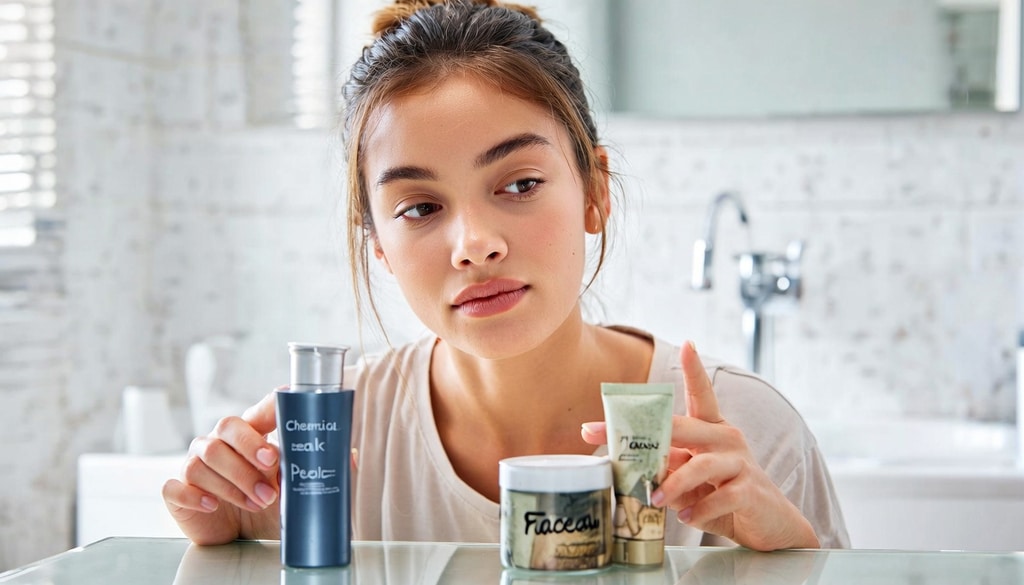
Confused between chemical peels and face scrubs? Find the best option for your dull skin. Photo Credit: iStock
Frequently Asked Questions (FAQs)
1. Which is better for dull skin, a chemical peel or a face scrub?
When dullness is due to pigmentation, uneven texture, or sun damage, chemical peels tend to offer better long-term results. Face scrubs are fantastic for instant smoothness, but they won't help with more serious skin issues.
2. Can I use a face scrub along with a chemical peel?
Not the same day. Using them together can over-exfoliate the skin and compromise the protective layer. If you must, it's better to rotate.
3. Are chemical peels safe for Indian skin?
Yes. When used correctly, mild chemical peels are usually safe. Indian skin is more susceptible to pigmentation, so the right strength should be chosen, and sunscreen should be worn afterwards.
4. How often should I exfoliate my face?
Exfoliating once or twice a week will benefit most people. The exact frequency will depend on your skin type, the product you are using, and your skin's tolerance level.
5. Which is best for sensitive skin?
For sensitive skin, gentle chemical exfoliants or super-gentle face scrubs used sparingly are usually better. Avoid physical exfoliants with large, coarse grains, as these may irritate and redden your skin.
(Disclaimer: This article may include references to or features of products and services made available through affiliate marketing campaigns. NDTV Convergence Limited (“NDTV”) strives to maintain editorial independence while participating in such campaigns. NDTV does not assume responsibility for the performance or claims of any featured products or services.)