Car Polish, Wax Or Ceramic Coating: How To Know What Your Car Finish Really Needs
Know whether your car needs polish, wax or ceramic coating by reading the paint’s signs. This guide explains what each treatment does, when to choose it and how to avoid wasting money.
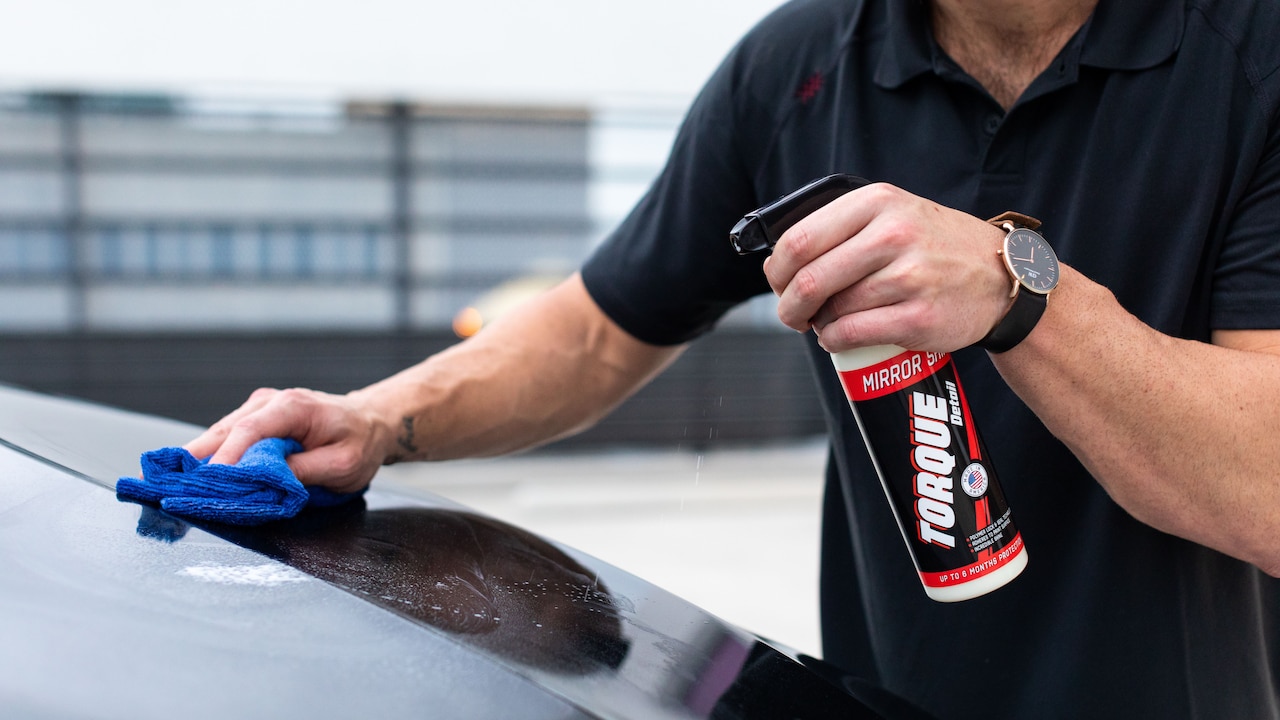
Car Polish Vs Wax Vs Ceramic Coating: What Does Your Car Really Need?
Every car has a personality. Some wear dust like a badge of honour after a highway run. Some gleam proudly after a Sunday wash in the parking lot. Others look tired even after a bucket, shampoo and plenty of elbow grease. That dullness often leads to one big question: should the car get polished, waxed or ceramic-coated? Car care shops can make the choice sound like a science exam. Polish removes dullness. Wax adds shine. Ceramic coating gives long-term protection. All true, but only partly. The real answer depends on the paint condition, usage, parking, budget and how much attention the owner wants to give the car later.
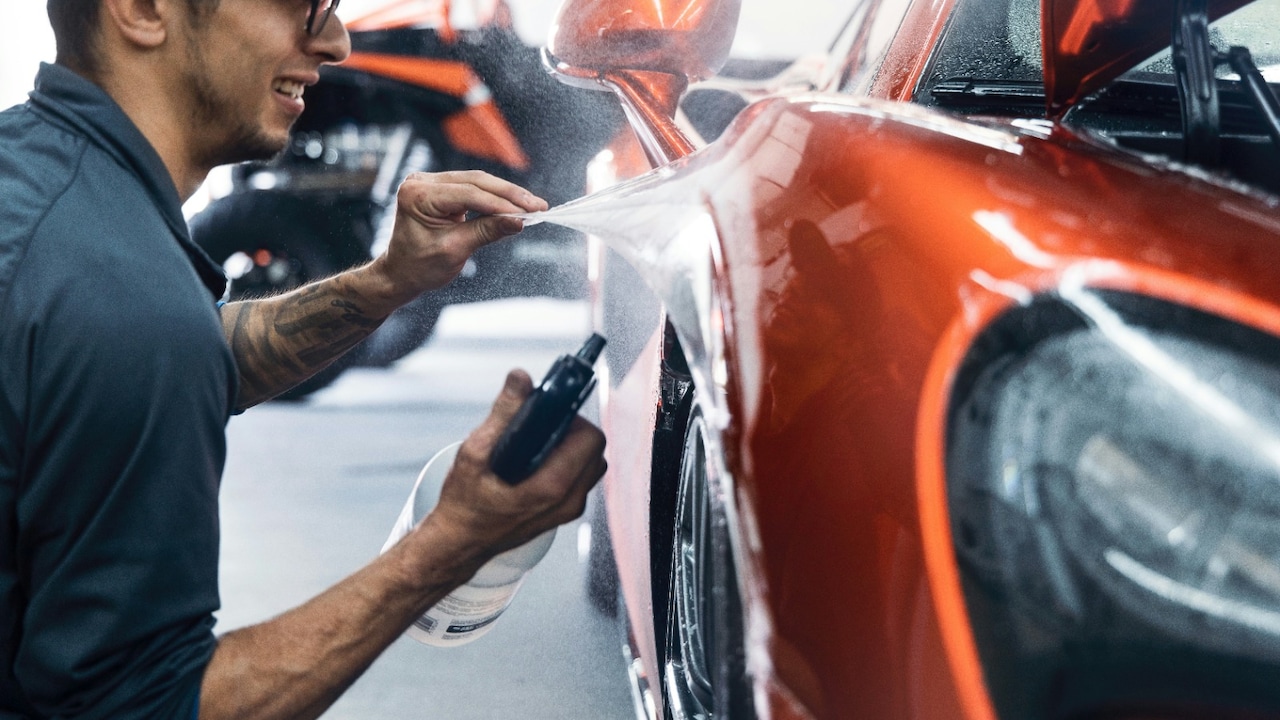
Car Polish Vs Wax Vs Ceramic Coating: What Does Your Car Really Need?; Photo Credit: Pexels
A hatchback parked under a neem tree needs different care from a sedan resting in a basement parking. A black SUV that sees daily office runs through dust and flyover traffic has different problems from a white compact car used mostly on weekends. The finish tells a story. Swirl marks, faded paint, water spots and rough panels all reveal what the car needs.
The trick is not to chase the shiniest package at the detailing studio. The trick is to understand the difference between correction and protection. Polish corrects. Wax protects lightly and beautifies. Ceramic coating protects harder and lasts longer. Once that becomes clear, the decision feels far less confusing.
How To Choose The Right Finish Treatment For Your Car
Understand What Your Car Paint Is Saying
A car's paint rarely loses its charm overnight. It fades slowly, like a favourite shirt after many summer washes. The roof starts looking flat. The bonnet loses depth. Door handles collect tiny scratches. The boot lid gathers water spots that refuse to leave. These are signals, not cosmetic tantrums.
Modern cars usually have a clear coat over the colour coat. This clear coat gives depth, shine and basic protection. Over time, dust, poor washing, harsh sunlight, tree sap, bird droppings and mineral-heavy water attack this top layer. That is why a car may look dull even when the colour has not actually faded.
Run clean fingers gently over a washed panel. If it feels rough, contamination sits on the surface. If it looks hazy under sunlight, fine scratches may have scattered the reflection. If water no longer beads after washing, the old protection has worn out. These clues help decide the treatment.
Many owners jump straight to wax or ceramic coating because both sound glamorous. Yet neither can hide badly neglected paint for long. Protection works best on a properly prepared surface. Think of it like applying moisturiser to dusty skin. It may feel better for a moment, but the base still needs cleaning.
The finish speaks clearly. A little patience helps hear it.
Also Read: Upgrade Your Drive: 5 Car Gadgets Every Driver Needs Today
What Car Polish Actually Does
Car polish does not work like shoe polish, despite the familiar name. It is not mainly a shine-giving layer. It is a mild abrasive product used to smooth the clear coat by removing tiny defects. When done correctly, polish reduces swirl marks, oxidation, dullness and light scratches.
Those circular marks visible under petrol pump lights often come from dry wiping, rough cloths and careless washing. Polish levels the affected surface slightly, allowing light to reflect more evenly. That is why the car suddenly looks deeper, glossier and younger after polishing.
However, polish removes a microscopic amount of clear coat. This is not scary when handled by a skilled detailer, but it does mean polishing should not become a monthly hobby. Too much polishing over the years can thin the protective clear coat. A good professional checks the paint, uses the right pad and compound, and avoids unnecessary aggression.
For a three-year-old car that has lost sparkle, polish may work wonders. For a new car with already glossy paint, heavy polishing may be pointless. A light finishing polish may be enough before protection. For older cars with chalky paint, polishing can revive the finish, though deep cracks and peeling clear coat cannot be magically repaired.
Polish fixes the appearance. It prepares the stage. It does not provide lasting defence on its own.
When Your Car Needs Polishing
Polishing becomes useful when washing no longer brings back the shine. A clean car should look crisp under sunlight. If it appears cloudy, greyish or tired, the paint may need correction. The most common signs include swirl marks, fine scratches, dull reflections, oxidation and stubborn water marks.
Dark colours reveal these issues dramatically. A black car can look royal after proper polishing and brutally unforgiving after poor washing. Red and blue cars may appear faded faster in strong sun. White and silver hide scratches better, but they still collect roughness, stains and yellowish dullness.
A simple reflection check helps. Park the car in daylight and look at the reflection of a nearby building, tree or lamp post. Sharp reflection means the paint remains healthy. Blurry reflection suggests the surface has micro-scratches or oxidation. Another clue appears at night under bright lights. If the paint shows spider-web-like marks, polishing can improve it.
But not every mark deserves polish. Deep scratches that catch a fingernail may need touch-up paint or repainting. Stone chips on the bonnet will not vanish with polish. Scratches through the clear coat need repair, not just correction.
Polishing suits cars that look dull but still have sound paint. Done before wax or ceramic coating, it gives the protection layer a clean, glossy base to lock in.
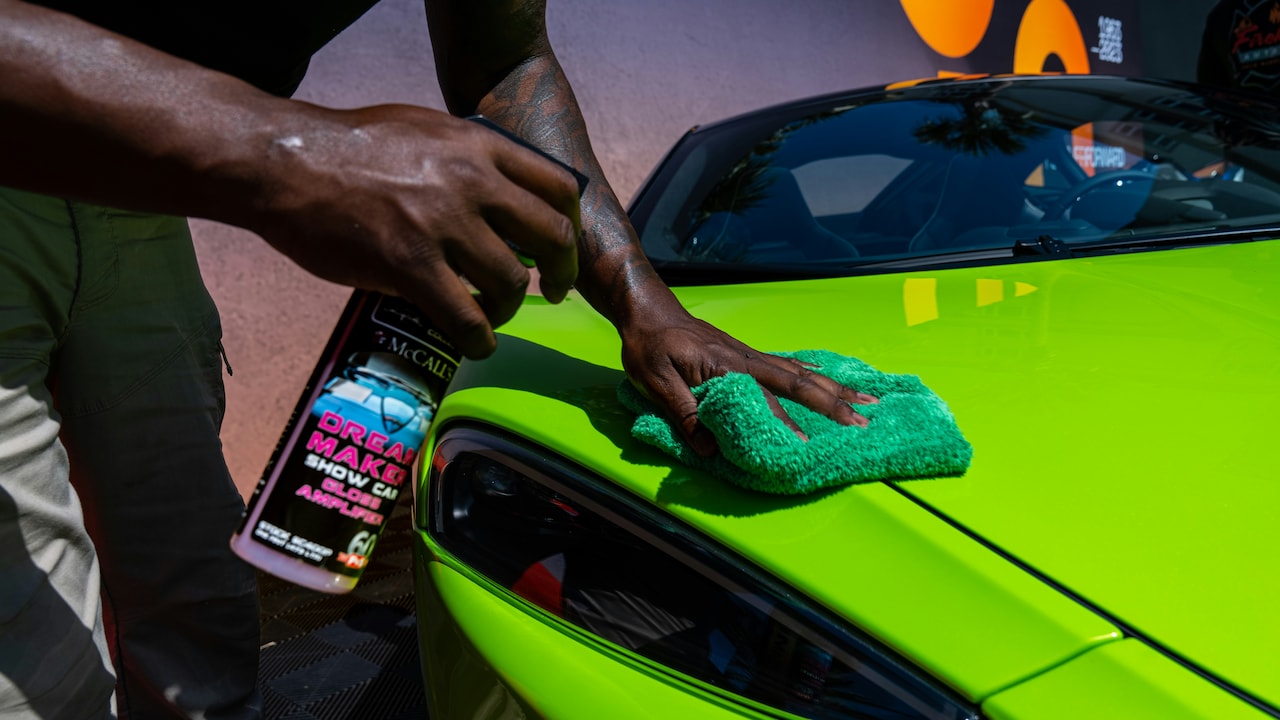
Car Polish Vs Wax Vs Ceramic Coating: What Does Your Car Really Need?; Photo Credit: Pexels
What Car Wax Really Offers
Wax is the old-school charmer of car care. It gives warmth, gloss and a satisfying water-beading effect. Traditional carnauba wax has a rich glow that many enthusiasts still love, especially on darker colours. Synthetic waxes and sealants may last longer and resist heat better.
Wax sits on top of the paint. Unlike polish, it does not remove defects. It hides very light imperfections for a short while and adds a sacrificial layer between the clear coat and the outside world. Dust, mild rain, fingerprints and light grime hit the wax first before reaching the paint.
For city use, wax can be a practical and budget-friendly option. A decent waxing session may cost far less than ceramic coating and can make a family car look cared for without drama. It suits owners who enjoy regular maintenance or have someone reliable to wash the car gently.
The catch lies in durability. Heat, frequent washing and heavy rain reduce wax life. Under open parking, wax may last only a few weeks to a couple of months. In covered parking, it can stay effective longer. Once water stops beading and the car starts attracting grime quickly, the wax has faded.
Wax is like sunscreen for paint. Useful, affordable and pleasant, but it needs reapplication.
When Wax Makes The Most Sense
Wax makes the most sense when the car already has decent paint and needs a boost in shine with basic protection. It is ideal for owners who want a clean, glossy look without committing to a higher detailing bill.
For a car used mainly for office runs, school drops or weekend family outings, waxing every two or three months can keep the finish cheerful. It also works well before festive seasons, weddings, road trips or resale photos. A freshly waxed car can look far more expensive than it is, which is always a nice little victory.
Wax also suits older cars where spending ₹25,000 or more on ceramic coating may not feel sensible. A careful wash, clay treatment if needed, light polish and wax can refresh the paint without stretching the budget. For many hatchbacks and compact sedans, this balanced approach works beautifully.
However, wax is not the best answer for severe swirl marks, rough paint or long-term outdoor parking. It cannot withstand months of harsh sun, bird droppings and hard water abuse without help. It also needs gentle washing. A roadside wipe-down with a dusty cloth can ruin the finish faster than the wax can save it.
Choose wax when the goal is affordable shine, mild protection and regular upkeep.
What Ceramic Coating Brings To The Table
Ceramic coating sounds fancy because, in many ways, it is. It is a liquid polymer that bonds with the paint surface and cures into a harder protective layer. This layer improves gloss, water beading, chemical resistance and ease of cleaning. It does not make the car scratch-proof, but it does make maintenance easier.
A properly applied ceramic coating can last from one to several years, depending on product quality, preparation and care. Prices vary widely. A small car may get an entry-level coating for around ₹12,000 to ₹20,000, while premium multi-layer packages can cross ₹50,000. The price often reflects labour, paint correction, coating brand, warranty and studio standards.
The biggest benefit is protection against everyday enemies. Dust washes off more easily. Rainwater beads and rolls away faster. Bird droppings and tree sap get less time to bite into the clear coat, provided they are cleaned soon. The car stays glossy longer, especially when parked outdoors or driven daily.
Still, ceramic coating is not armour from a superhero film. It will not prevent dents, stone chips or scratches from careless key rings, pets, branches or rough wiping. It also cannot fix dull paint unless polishing happens first. Coating over damaged paint only preserves damaged paint.
Ceramic coating rewards preparation and proper aftercare. Without both, it becomes an expensive disappointment.
When Ceramic Coating Is Worth The Money
Ceramic coating is worth considering when the car is new, recently polished or still in excellent paint condition. It helps preserve that fresh showroom glow before daily use starts taking bites out of it. For owners with open parking, long commutes or dark-coloured cars, it can reduce the effort needed to keep the vehicle presentable.
A black SUV parked outside through summer dust, monsoon showers and pigeon attacks will benefit more from ceramic coating than a white car resting under covered parking and used twice a week. The harsher the environment, the more useful durable protection becomes.
Ceramic also suits people who dislike frequent waxing. Once cured, it needs periodic gentle washing and occasional maintenance boosters, but not monthly reapplication. That convenience has value, especially in apartment complexes where washing space is limited and time disappears faster than parking spots during festivals.
The coating also helps during resale. A well-maintained finish suggests careful ownership. Buyers may not pay the full coating cost back, but a glossy, clean car creates trust quickly.
Skip ceramic coating if the paint is badly scratched and there is no budget for correction. Also, skip it if the car gets cleaned daily with a dry cloth by an untrained hand. Poor washing can still create swirl marks on coated paint.
Ceramic is worth it when the owner protects it.
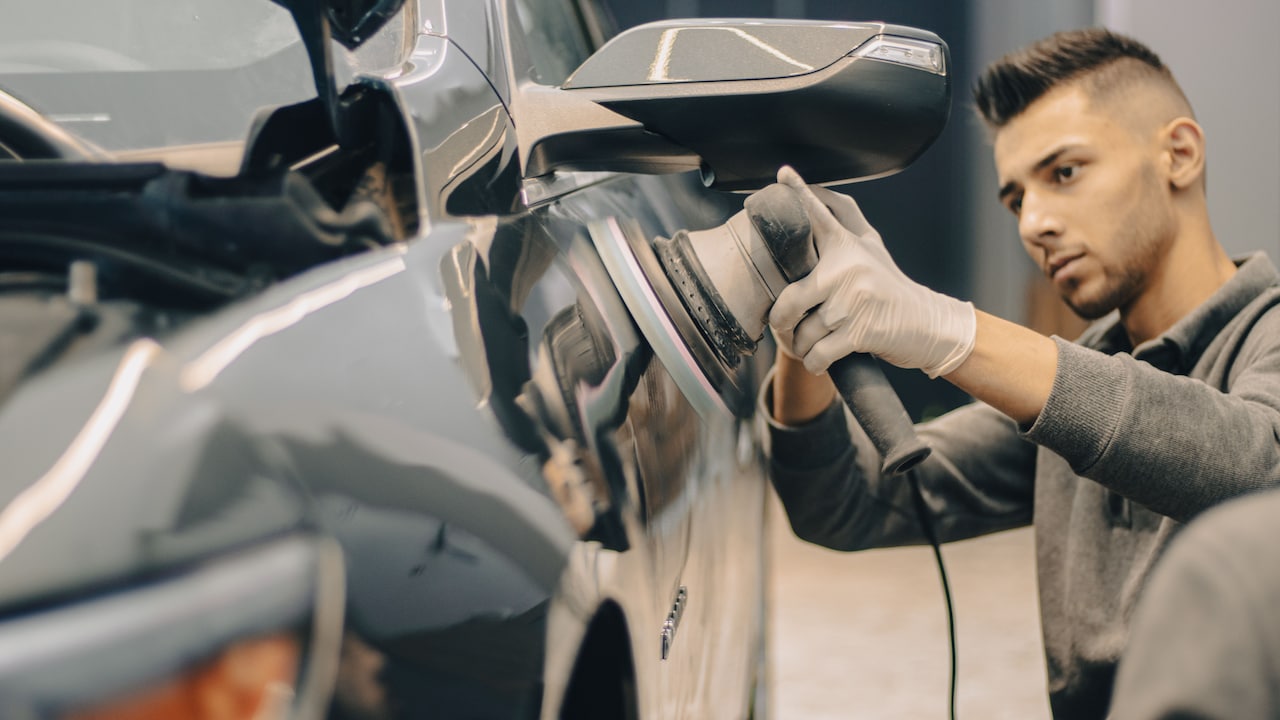
Car Polish Vs Wax Vs Ceramic Coating: What Does Your Car Really Need?; Photo Credit: Pexels
Polish, Wax And Ceramic Are Not Rivals
The biggest misunderstanding is treating polish, wax and ceramic coating as three versions of the same service. They are not rivals. There are different steps in car finish care. Polish corrects paint. Wax protects lightly and adds a glow. Ceramic coating protects more strongly and lasts longer.
In many cases, a car may need polishing before waxing. A detailer first washes, decontaminates and polishes the paint, then seals the shine with wax. The result looks rich, clean and smooth. For ceramic coating, preparation becomes even more important. Any swirl marks left behind may remain visible under the coating.
Think of the process like preparing a wall before painting. Sanding smooths the wall. Primer prepares it. Paint finishes it. Skipping preparation can make even costly material look poor. Car paint works in a similar way.
A new car may not need aggressive polishing. It may need only a mild paint cleanse before wax or ceramic. A neglected five-year-old car may need multi-stage correction before any protective layer makes sense. An older car with failing clear coat may need repainting rather than detailing.
The right combination depends on condition, not fashion. A good detailer will inspect the paint before suggesting treatment. A poor one will push the most expensive package before even touching the bonnet.
Match The Treatment To Your Parking And Driving
The car's daily routine matters as much as the paint itself. A vehicle parked under trees deals with sap, leaves, insects and bird droppings. A car parked near construction faces cement dust and fine grit. A coastal city adds salty air. A highway commuter collects tar, bugs and stone marks. Each situation demands a different approach.
For covered parking and moderate use, regular washing and periodic waxing may work well. The finish stays protected enough, and costs remain manageable. For open parking, ceramic coating offers stronger resistance and easier cleaning. It does not remove the need for care, but it reduces panic after every dusty spell.
Daily washing habits also matter. Many paint problems begin not from rain or sun, but from cleaning. A dry cloth dragged over dusty paint creates scratches. Harsh detergent strips wax and weakens protection. Dirty buckets recycle grit across panels. Even the best coating will suffer under careless cleaning.
A good routine includes pH-balanced shampoo, clean microfibre towels and separate cloths for wheels and paint. Pressure washing helps remove loose dust before contact washing. Drying matters too, because hard water spots can stain paint quickly in hot weather.
The best finish treatment supports the car's lifestyle. Choose for reality, not brochure promises.
Budget, Maintenance And Common Mistakes
Car care budgets can swing wildly. A basic wax service may cost a few thousand rupees. A proper polish and wax package costs more because it takes skill and time. Ceramic coating sits higher because paint preparation, product cost and curing time all add up.
The mistake is choosing only by price. A cheap ceramic coating applied on unprepared paint may look good for a week and then disappoint. An honest polish and wax from a skilled studio can outperform a flashy low-cost coating package. Workmanship matters more than the poster outside the shop.
Another common mistake is over-polishing. Some owners polish the car before every special occasion. That may bring shine, but it also eats into the clear coat bit by bit. Use polish only when defects need correction. Use wax or sealant for regular shine boosts.
Many people also believe ceramic coating ends maintenance. It does not. The car still needs washing, drying and occasional inspection. Bird droppings must be removed quickly. Hard water spots should not be allowed to bake under the sun. Coating reduces effort; it does not replace attention.
A sensible approach saves money. New car with open parking? Consider ceramic after mild preparation. Dull three-year-old car? Polish first, then wax or coat. Older car on a tight budget? Wash, decontaminate, polish lightly and wax. Simple choices often bring the happiest results.
Products Related To This Article
1. Diamondbrite Seal & Shine Ceramic + Carnauba Wax Car Polish & Paint Sealant
2. Turtle Wax Hybrid Solutions Ceramic 3-in-1 Car Detailer, Waterless Wash
3. Wavex Dashboard Polish and Leather Conditioner + Protectant
4. Quick Effect Car Coating Spray 200ml Long-Lasting Nano Ceramic Coating
5. Nano Ceramic Coating for Car & Bike
6. Quick Effect Car Coating Spray 200ml Long-Lasting Nano Ceramic Coating
7. Meguiars Gold Class Carnuba car Paste Wax (325 ml)
A car finish does not need guesswork. It needs observation. If the paint looks dull, scratched or cloudy, polishing may be the first step. If the finish already looks healthy and needs shine with light protection, wax can do the job beautifully. If the car faces sun, rain, dust and daily use, ceramic coating may offer stronger, longer-lasting defence.
No single treatment wins every time. Polish, wax and ceramic coating each have a role. The smart move is to match the service to the paint condition, parking situation, washing habits and budget. A well-kept car does more than look good in traffic. It feels cared for. It turns every fuel stop reflection into a tiny moment of pride.
The finish really needs what suits its life. Sometimes that is a careful polish. Sometimes it is a humble wax. Sometimes it is a ceramic shield. The car will show the signs. One only has to look closely before opening the wallet.
(Disclaimer: This article may include references to or features of products and services made available through affiliate marketing campaigns. NDTV Convergence Limited (“NDTV”) strives to maintain editorial independence while participating in such campaigns. NDTV does not assume responsibility for the performance or claims of any featured products or services.)