Why Does My Epilator Hurt More In Some Areas Than Others?
Wondering why your epilator hurts more in certain areas? Learn what causes the discomfort, how to reduce pain, tips and the best epilators to buy on Amazon.
What makes epilators hurt more in some places
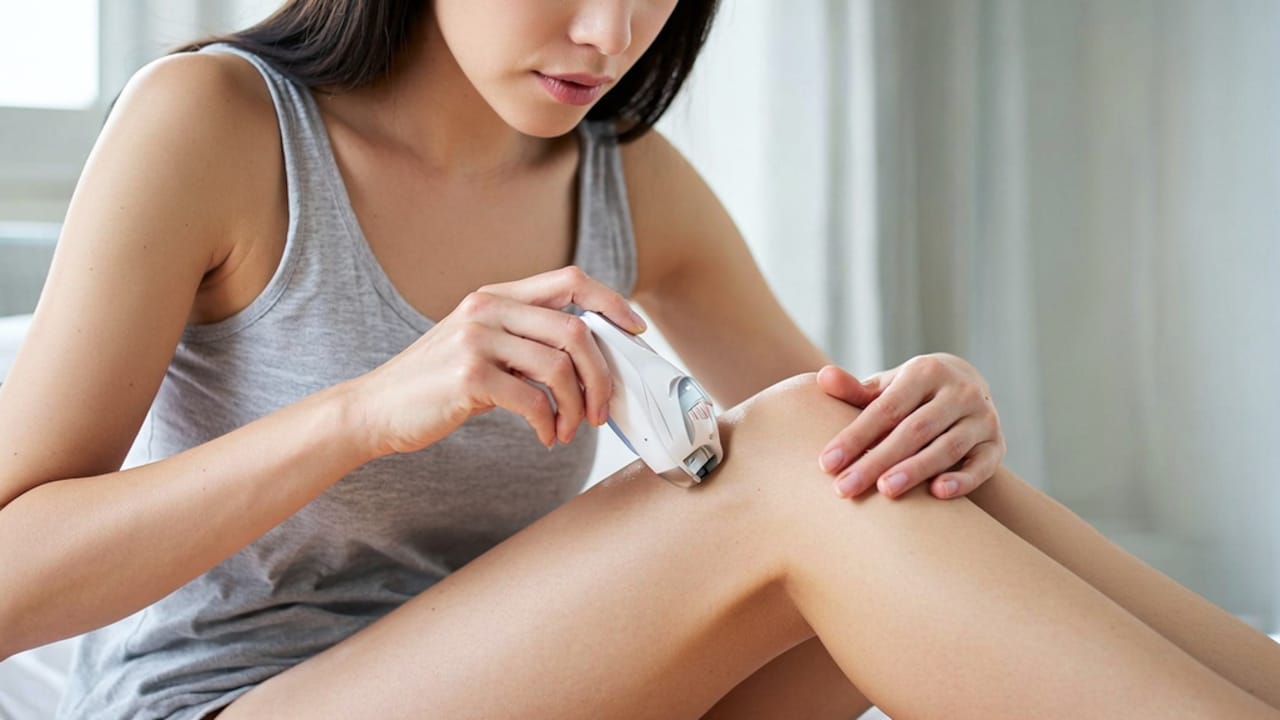
An epilator is one of the easiest ways to enjoy smooth skin for weeks without repetitive shaves or trips to the salon. It pulls the hair out from the root so the effects last a lot longer than a razor. But if you've ever used one, you've probably noticed that some areas feel perfectly manageable and others can be shockingly painful. Many are surprised by that uneven feeling, especially during their first few sessions. The good news is it doesn't mean you're using your epilator wrong.
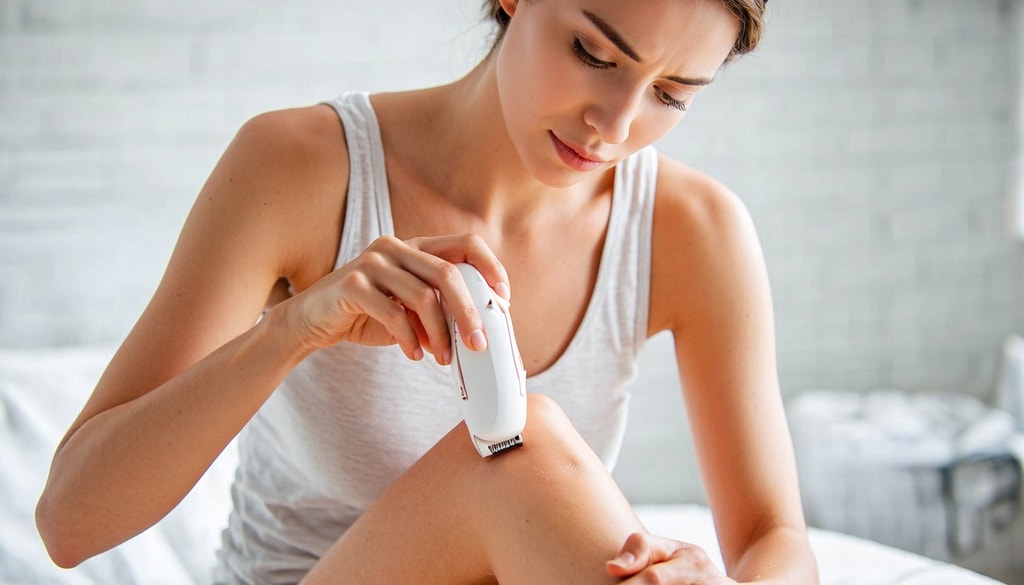
Find out how to minimize epilation discomfort and explore the top pain-free options on Amazon.
Photo Credit: iStock
Your legs might sting a little, but your underarms or bikini line will make you think twice before each pass. This is a quite normal difference. Your body will respond differently depending on the thickness of your skin, the texture of your hair and how many nerve endings you have. Once you know why some areas hurt more than others and master a few simple techniques, epilation can be a much more comfortable part of your beauty routine. Small changes to your routine before and after epilating can make a huge difference. But if you do it correctly, you can have smoother skin without a lot of discomfort.
Also Read: 5 Must-Have Epilators Under ₹2500 For Silky Smooth Skin
Why Do Some Areas Hurt More During Epilation?
The pain levels are different because not all parts of the body are built the same. The nerve endings are far more concentrated in sensitive areas such as the bikini line, underarms and upper lip than in the lower legs or forearms. These sensitive areas will naturally respond more strongly when the epilator pulls the hairs out from the root.
Hair thickness matters too and makes a marked difference. The bikini area is often more painful because the hair is coarse. Coarse hair is harder to pull out than fine hair. The thickness of the skin also matters. The thinner and more flexible the skin, the more it moves during epilation, increasing the sensation of pulling; firmer skin gives more support during hair removal.
The good news is that discomfort decreases for most people after several sessions. As the hair returns thinner and more sparse, the process is usually quicker and easier.
What Should You Do Before Using An Epilator?
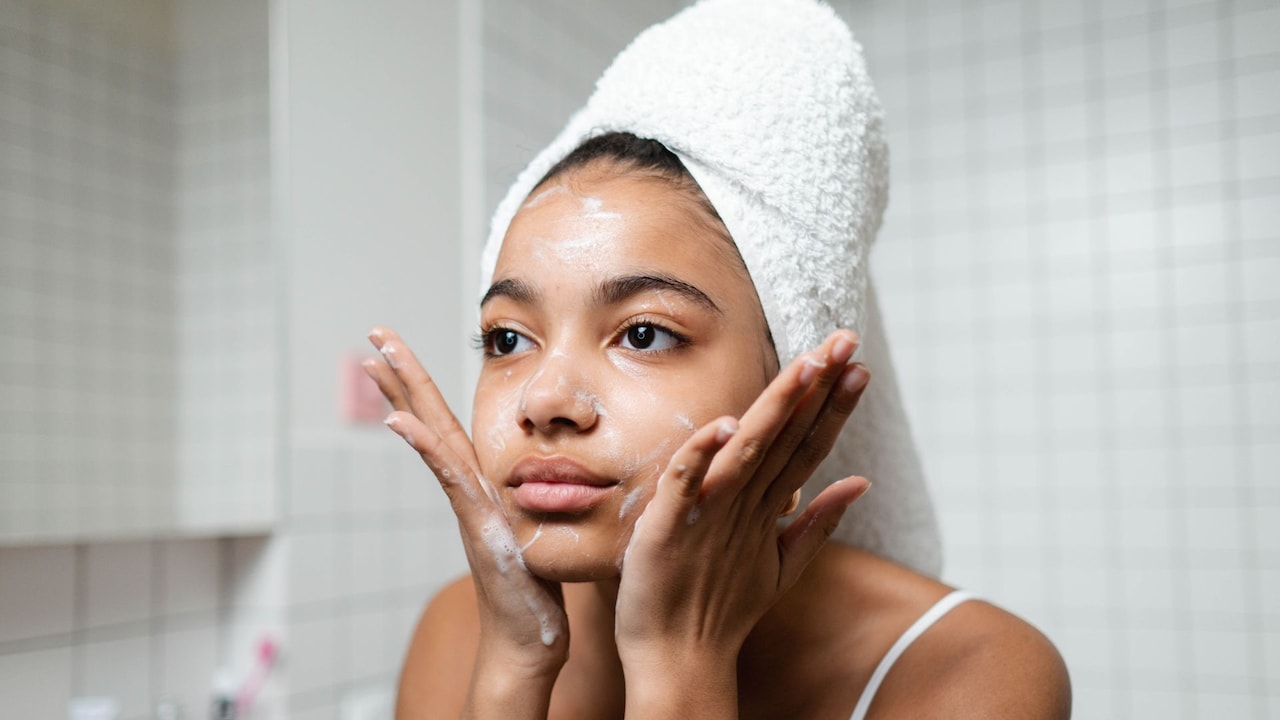
You'll be much more comfortable if you prepare your skin properly. Gently exfoliate a day or two before to remove dead skin cells and help prevent ingrown hairs. This also helps the epilator to grab the hair more effectively.
Ideally, the hair should be between 2 and 5 mm long. If it is too small, the tweezers may have trouble catching it. If it's too long, pulling each strand can be more painful.
Another simple trick is to take a warm shower prior to using an epilator. The water makes your skin softer, hence making it easy to remove hair from your skin. In case your epilator can be used under wet conditions, then you can use it right after the shower.
How To Make Epilation Less Painful
Tip 1: Keep Your Skin Tight
Always stretch the skin gently with your free hand while using the epilator. A smooth surface allows the tweezers to grip hairs efficiently while reducing unnecessary pulling.
Tip 2: Begin from Less Sensitive Areas
If you are new to epilation, start by removing hair on your legs and then try epilating hair on your underarms and bikini area. In this way, your skin will get used to the procedure.
Tip 3: Maintain a Proper Schedule
Skipping several months for epilating is likely to lead to growing more hair that needs removal. Thus, more hair removal during an epilating session may be very unpleasant.
Ways To Soothe Your Skin After Epilation
Tip 1: Use Cooling Gel
Using aloe vera or some other fragrance-free gel which soothes the skin reduces redness after epilation. Its use immediately after the procedure will not only soothe irritated areas but also make your skin feel fresh and comfortable for an extended period of time.
Tip 2: Dress Comfortably
Skin which has been just epilated is more prone to irritation caused by rubbing. Cotton clothes give enough room for the healing process to occur. You should avoid wearing tight pants or leggings in general after epilation of the armpit area or bikini line.
Tip 3: Moisturise Skin Every Day
Maintaining hydration of the skin contributes to the overall good condition of the skin as well as prevents ingrown hairs between epilation procedures. Light moisturising cream should be applied every day.
Common Epilation Mistakes To Avoid
Even a high-quality epilator can feel uncomfortable if used incorrectly. Avoid these common mistakes for smoother results.
1. Usage On Dried And Neglected Skin
Drying makes the process rough for epilation, as the dried skin is harder. Soft and moisturised skin ensures better gliding of the epilator.
2. Applying Pressure
It is believed that the more pressure one applies, the faster the removal of hair occurs. But it irritates the skin, and the pressure does not help to remove hair faster.
The epilator needs to glide gently over the skin while the hairs are picked up by tweezers.
3. Being In A Rush
Rushed removal is accompanied by numerous attempts to go over the same area, while slow and smooth removal guarantees that there will be no need to return to the same place.
4. Lack Of Exfoliation
Hairs may become entangled with dead skin and may cause ingrown hairs. Exfoliation once or twice per week will keep your skin soft and smooth.
These were some common reasons why epilators hurt more in some places. From applying too much pressure to lack of exfoliation, every little thing can contribute to your pain level. Thus, always ensure proper practices to get the best results in one go.
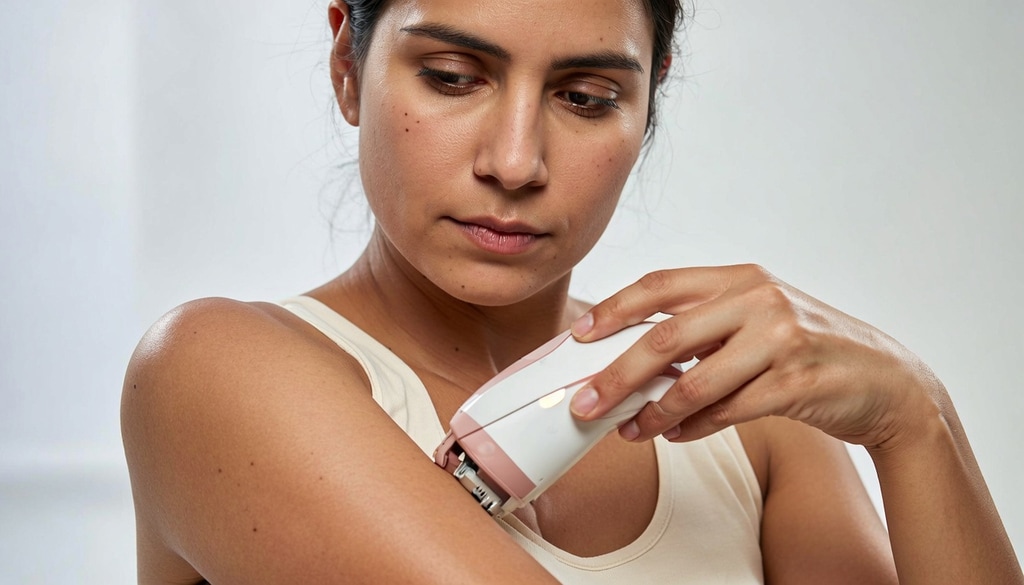
Learn why certain body areas hurt during epilation and how to achieve a smoother experience.
Photo Credit: iStock
Best Epilators To Buy On Amazon
PROTOUCH All-Rounder All-in-1 Women's Trimmer & Epilator for Face, Body, Underarms & Bikini Line
Winston 8-in-1 Ultimate Grooming & Self-Care Kit for Women with Callus Remover, Epilator
Philips Epilator Series 2000 Corded Epilator for Legs and Body
Havells FD5051 Epilator Hair Removal for Women
Braun Silk-Epil 9 Flex Epilator for Women
Hatteker Electric Shaver for Women Lady Epilator Electric Razors Kit
Philips Epilator Series 8000 - Cordless Wet & Dry Electric Epilator
VGR V-706 Professional Women Epilator
Frequently Asked Questions (FAQs)
1. Why does it cause me more pain in the armpits compared to the legs when using my epilator?
Armpits' skin is thin and has more nerve endings than the skin of the legs, which also have thick hair.
2. Will it hurt less in the future as I shave?
Yes. In time, as epilation is done frequently, hair gets thinner and sparser, causing less pain to most individuals.
3. Can I use an epilator after taking a shower?
Yes. Hair follicles become relaxed with warm water, which may help ease the pain of using epilators, especially the wet and dry variety.
4. How many times do I need to use an epilator?
Normally, people use the epilator every two to four weeks.
5. What should I put on after the epilation?
You should apply light moisturiser or aloe vera gel after epilation.
(Disclaimer: This article may include references to or features of products and services made available through affiliate marketing campaigns. NDTV Convergence Limited (“NDTV”) strives to maintain editorial independence while participating in such campaigns. NDTV does not assume responsibility for the performance or claims of any featured products or services.)