Why Stainless Steel Toasters Stay Cleaner Longer Than Matte Plastic Models
Why do stainless steel toasters stay cleaner for longer? From stain resistance to easier maintenance, discover what makes them a smarter choice than matte plastic models.
Why Stainless Steel Toasters Stay Cleaner Longer Than Matte Plastic Models
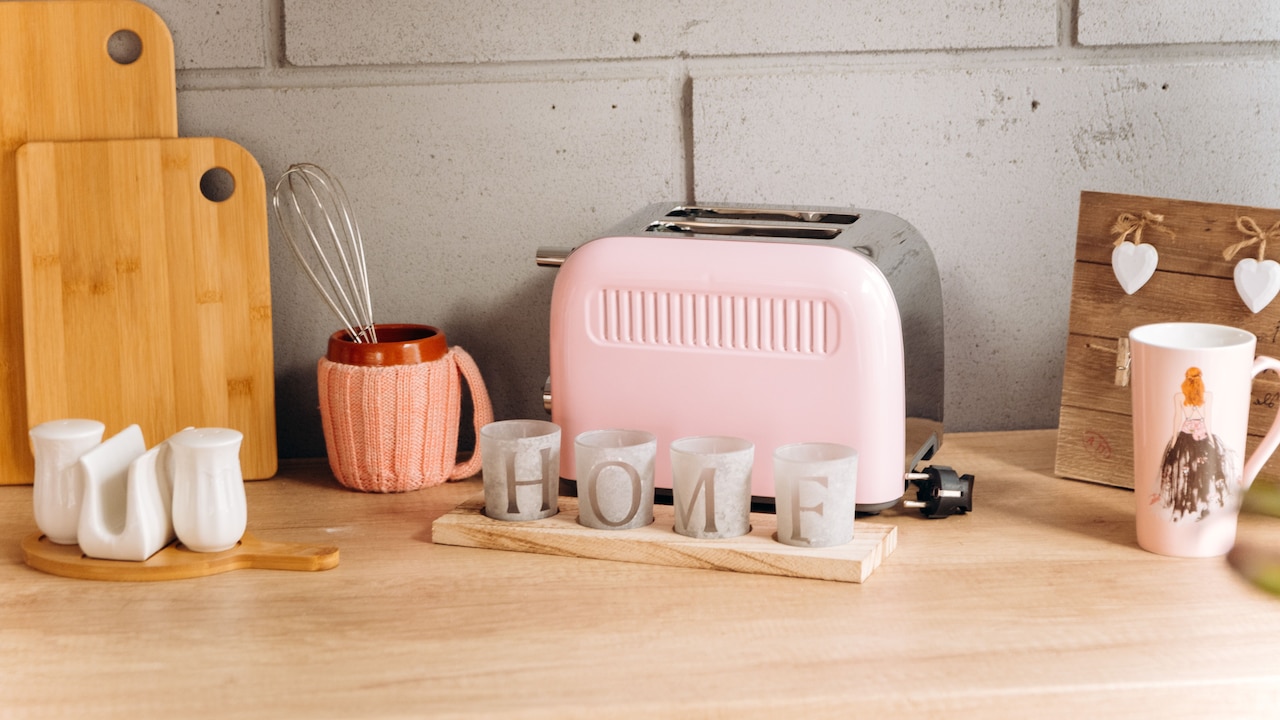
Kitchen appliances rarely receive much attention until they begin to look worn out. A toaster may arrive gleaming and spotless on day one, but after months of breakfast routines, the difference between materials becomes surprisingly obvious. Some models seem to collect marks, stains and grime almost overnight, while others continue to look neat with minimal effort. Among the many options available today, stainless steel and matte plastic remain two of the most common finishes. Both have advantages, and both suit different budgets. Yet when cleanliness and long-term appearance become priorities, stainless steel often enjoys a clear advantage.
Why Stainless Steel Toasters Stay Cleaner Longer Than Matte Plastic Models; Photo Credit: Pexels
The explanation lies in more than simple aesthetics. Surface texture, heat resistance, stain resistance and ease of cleaning all contribute to how an appliance ages. Understanding these factors can help households choose a toaster that not only works well but also remains attractive on the kitchen counter for years.
What Makes Stainless Steel Toasters Easier To Keep Clean
Smooth Surfaces Make Dirt Less Likely To Settle
One of the biggest reasons stainless steel stays cleaner lies in its smooth surface. Dirt, grease and dust struggle to cling to polished metal compared with textured matte plastic. Tiny particles often find shelter within microscopic grooves on plastic surfaces, making them harder to remove.
A quick wipe with a damp cloth usually removes crumbs and fingerprints from stainless steel with little effort. Matte plastic often requires more attention because dirt settles into its textured finish. Even when cleaned regularly, traces of grime can remain hidden within the surface.
Think about a busy breakfast morning. Toast crumbs scatter, butter finds its way onto fingertips and someone inevitably touches the toaster while reaching for tea. Stainless steel handles these daily encounters remarkably well. Most marks stay on the surface rather than becoming embedded.
This smoothness creates a practical advantage over time. Instead of spending extra minutes scrubbing stubborn spots, households can restore a clean appearance with a simple wipe. That convenience adds up over months and years of use.
Also Read: Best 4 Slice Pop-Up Toasters in India 2025: Top Picks For Perfectly Crispy Mornings
Heat Resistance Prevents Permanent Discolouration
Heat affects appliance surfaces more than many people realise. Toasters generate significant warmth during operation, and repeated heating cycles gradually influence the appearance of exterior materials.
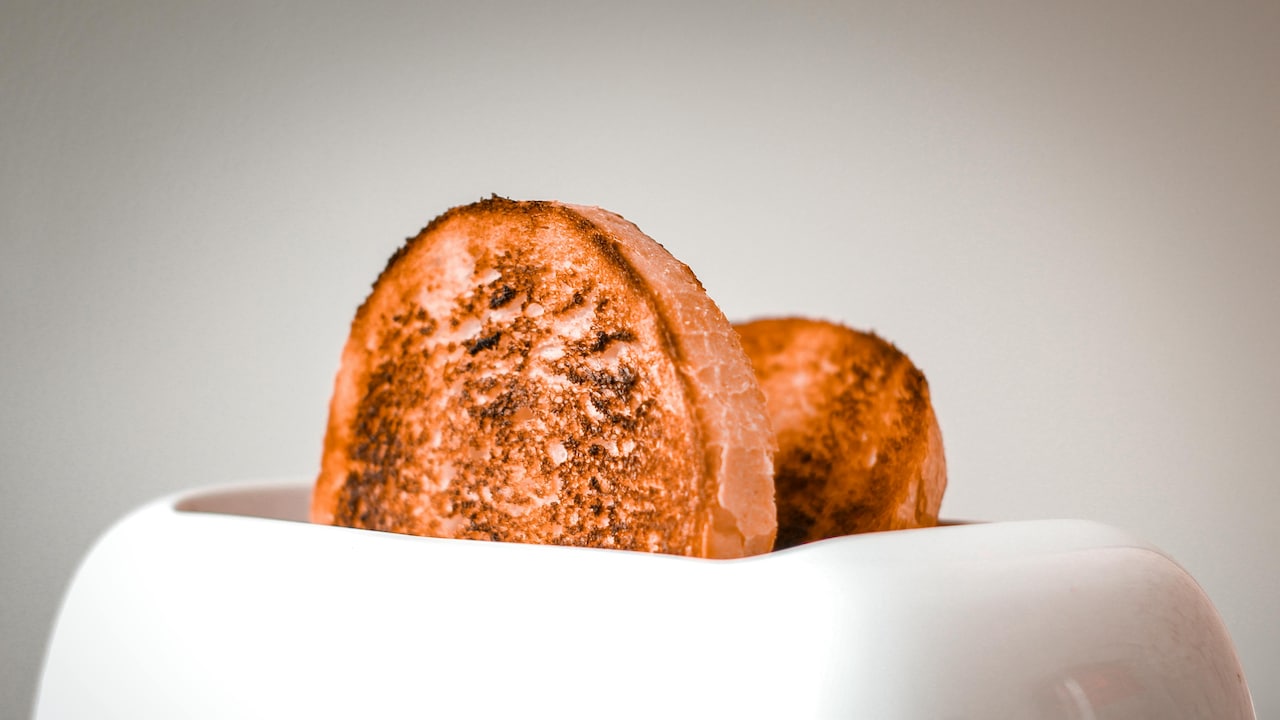
Stainless steel handles heat exceptionally well. It maintains its structure and finish even after years of regular use. Matte plastic, however, can experience subtle changes when exposed to ongoing temperature fluctuations. Areas near the slots may fade, yellow or develop uneven colouring.
These changes do not happen overnight. They emerge slowly, often becoming noticeable only after several years. Yet once discolouration appears, cleaning cannot restore the original look.
Many households place toasters near windows where sunlight adds another source of heat. Stainless steel generally resists this combination of warmth and light better than plastic surfaces. The result is an appliance that continues to appear fresh despite countless breakfast sessions.
A cleaner appearance often comes down to consistency. Stainless steel maintains a more uniform finish over time, helping the toaster look newer long after purchase.
Stainless Steel Resists Food Stains More Effectively
Kitchens present countless opportunities for staining. Jam, chutney, sauces, tea splashes and cooking oils all find creative ways to land on nearby appliances. When these substances contact a toaster, the surface material determines how easily they can be removed.
Stainless steel offers excellent resistance to staining. Most spills remain on the surface, allowing quick removal before permanent marks develop. Matte plastic tends to absorb certain substances more readily, especially lighter-coloured models.
Oil presents a particularly common challenge. Tiny droplets from nearby cooking can settle onto appliances and create a sticky layer over time. Stainless steel generally allows easier removal of these residues without leaving behind visible traces.
Anyone who has attempted to clean a faint turmeric stain from a light-coloured plastic surface understands the frustration. Even after vigorous cleaning, a shadow of the stain may remain.
Stainless steel avoids much of this issue. Its non-porous nature reduces absorption, helping the toaster maintain a cleaner appearance even in busy kitchens where spills and splashes are part of everyday life.
Why Stainless Steel Toasters Stay Cleaner Longer Than Matte Plastic Models; Photo Credit: Pexels
Fingerprints Are Easier To Manage Than Deep Surface Marks
Critics often point out that stainless steel shows fingerprints. While this observation holds some truth, fingerprints usually represent a temporary issue rather than a lasting one.
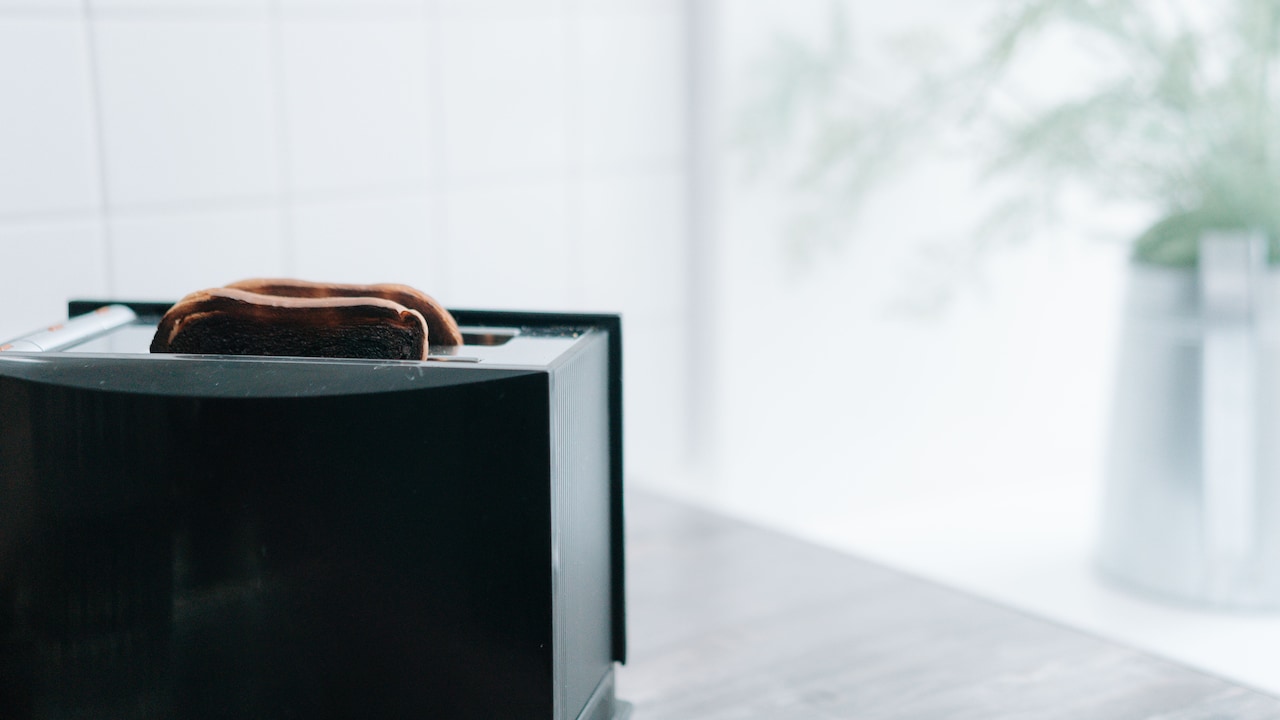
Modern stainless steel finishes often include treatments that minimise visible smudges. Even when fingerprints appear, they wipe away quickly with a soft cloth. Matte plastic may hide fingerprints slightly better, but it often develops permanent marks such as scratches, scuffs and dull patches.
Over time, these deeper surface imperfections create an appearance that cleaning cannot fix. The toaster may be perfectly hygienic, yet it still looks tired and worn.
A fingerprint lasts minutes or hours. A scratch may remain for years.
This distinction matters because cleanliness often depends on perception. A smooth stainless steel toaster with a few temporary smudges frequently appears cleaner than a scratched plastic model carrying permanent signs of wear. The ability to restore the original look quickly helps stainless steel maintain its visual appeal over the long term.
Non-Porous Materials Reduce Bacterial Build-Up
Cleanliness involves more than appearance. Surface characteristics also influence hygiene. Stainless steel benefits from a non-porous structure, which means fewer places for moisture and residue to become trapped.
When crumbs, oils or food particles settle on a surface, cleaning becomes more effective if those substances remain accessible. Stainless steel allows thorough wiping because contaminants stay on the exterior rather than sinking into microscopic spaces.
Matte plastic surfaces often contain fine textures that improve grip and appearance. While these textures look attractive, they can create additional areas where residue accumulates.
This does not mean plastic toasters are unhygienic. Regular cleaning keeps both materials safe for household use. However, stainless steel generally supports easier maintenance and more thorough cleaning routines.
In households where appliances receive frequent use, these small differences become noticeable. Less residue accumulation means less effort during cleaning sessions and a fresher appearance between wipes.
The result is an appliance that not only looks cleaner but also supports cleaner kitchen habits overall.
Daily Cleaning Requires Less Effort
Convenience often determines whether an appliance remains clean. If cleaning feels complicated, maintenance gets postponed. If cleaning takes only a few seconds, it becomes part of the routine.
Stainless steel shines in this area. Most marks disappear with a quick pass of a microfibre cloth. Water spots, fingerprints and dust generally lift without requiring specialised products.
Matte plastic can demand more effort. Textured finishes sometimes trap residue, encouraging scrubbing that consumes additional time. Repeated scrubbing may also contribute to surface wear.
Imagine preparing breakfast before rushing out the door. Nobody wants to spend ten minutes polishing appliances. A simple wipe proves far more appealing.
Because stainless steel responds well to minimal cleaning, owners often clean it more frequently. That regular maintenance helps preserve a fresh appearance.
The relationship becomes self-reinforcing. Easier cleaning encourages consistent cleaning, and consistent cleaning keeps the appliance looking newer. Over several years, that difference becomes surprisingly significant.
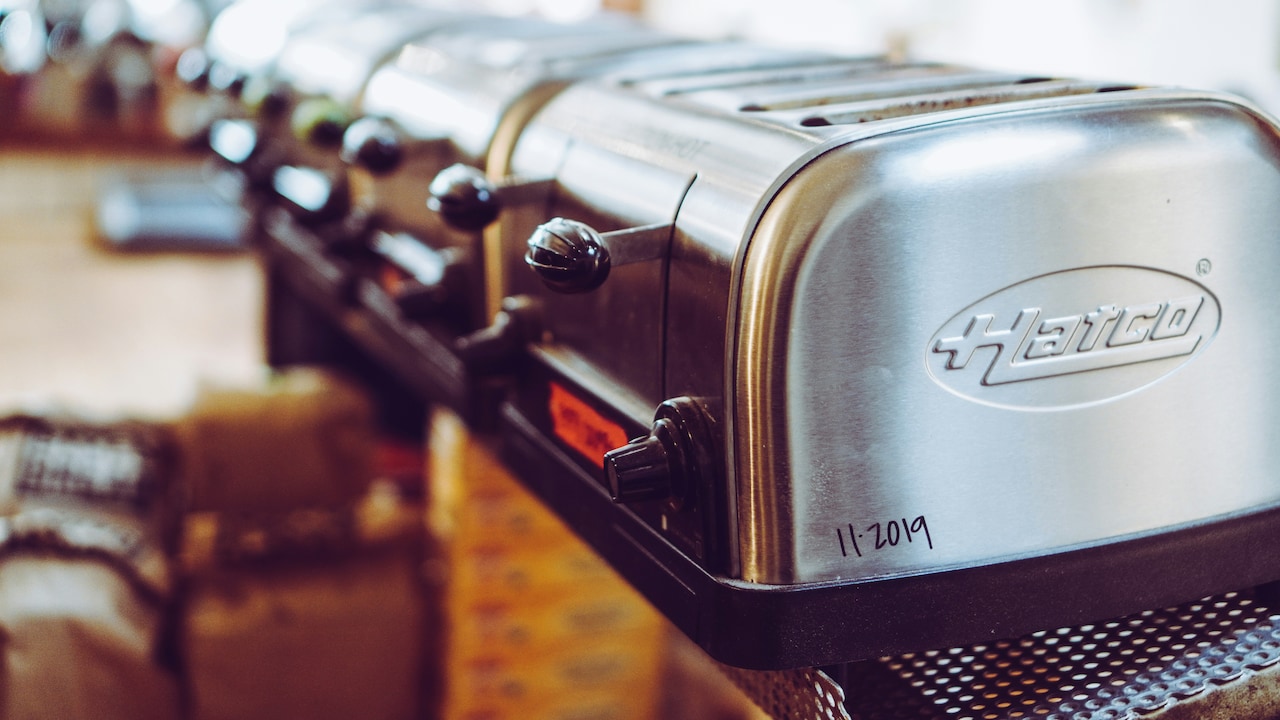
Why Stainless Steel Toasters Stay Cleaner Longer Than Matte Plastic Models; Photo Credit: Pexels
Durability Helps Maintain A Fresh Appearance
Durability and cleanliness often go hand in hand. Surfaces that resist damage tend to retain a cleaner appearance because they avoid the wear that makes appliances look old.
Stainless steel withstands daily knocks remarkably well. It resists cracking, chipping and fading better than many plastic alternatives. Minor impacts from mugs, plates or kitchen utensils rarely leave lasting evidence.
Matte plastic can develop visible wear over time. Small scratches accumulate gradually, creating a surface that traps dust and reflects light unevenly. Even after cleaning, these imperfections remain visible.
Consider a family kitchen where appliances experience constant activity. Children grab breakfast before school, adults prepare snacks, and guests gather during celebrations. The toaster becomes part of a lively environment.
In such settings, durability matters enormously. Stainless steel maintains its integrity despite constant interaction, helping the appliance appear cleaner and better cared for. A well-preserved surface naturally contributes to a more polished kitchen aesthetic.
Moisture Causes Fewer Problems On Stainless Steel
Kitchens generate plenty of moisture. Steam from tea, boiling water and cooking creates a humid environment that affects appliance surfaces.
Stainless steel handles moisture effectively. It dries quickly and resists many of the issues associated with prolonged exposure to damp conditions. Water droplets usually evaporate or wipe away without leaving permanent marks.
Matte plastic may develop water spotting or uneven patches over time, particularly if mineral-rich water repeatedly contacts the surface. Moisture can also attract dust, creating a slightly grimy appearance between cleaning sessions.
During the monsoon season, kitchen humidity often rises noticeably. Appliances face extra challenges as moisture lingers in the air. Stainless steel generally copes better with these conditions, maintaining a cleaner look despite environmental factors.
This resilience contributes to long-term appearance. When a material resists moisture-related wear, it preserves the smooth, clean finish that homeowners appreciate.
The difference may seem subtle at first, but over years of use it becomes increasingly visible.
Stainless Steel Ages Gracefully
Every appliance ages. The question is whether ageing enhances character or creates deterioration. Stainless steel tends to age gracefully, developing a mature appearance rather than looking neglected.
Many high-quality kitchen appliances rely on stainless steel precisely because it retains visual appeal over long periods. Minor signs of use often blend naturally into the finish instead of standing out dramatically.
Matte plastic frequently experiences the opposite effect. Fading, surface polishing and uneven wear become increasingly noticeable as the years pass. The appliance may continue functioning perfectly, yet it no longer appears clean or modern.
A toaster often remains in service for many years. Spending ₹3,000 to ₹8,000 on a model that retains its appearance can feel worthwhile when compared with replacing a worn-looking appliance prematurely.
Consumers increasingly value longevity. Products that continue to look attractive create less waste and provide better value over time. Stainless steel aligns well with that mindset, offering a finish that remains visually appealing throughout its lifespan.
A Cleaner Look Enhances The Entire Kitchen
The toaster occupies only a small corner of the kitchen, yet its appearance influences the overall atmosphere of the space. Clean, well-maintained appliances contribute to a sense of order and comfort.
Stainless steel naturally complements a wide range of kitchen styles. Whether paired with modern cabinetry, traditional finishes or compact apartment layouts, it creates a polished and cohesive appearance.
A toaster covered with stains, scratches or fading can draw attention for the wrong reasons. Even a spotless countertop may feel less tidy when an appliance looks worn.
People often underestimate how much visual clutter affects perception. A cleaner-looking toaster helps create a cleaner-looking kitchen. Guests may never consciously notice the appliance itself, but they often notice the overall impression.
This subtle contribution explains why stainless steel remains a favourite choice among homeowners. Its ability to maintain a fresh appearance supports the broader goal of creating a welcoming and organised kitchen environment.
Products Related To This Article
1. KENT Pop Up Toaster 750 W | 2 Slice Automatic Pop Up
2. Russell Hobbs 17700 4-Slice Pop Up Toaster | 1470 Watts Power
3. Westinghouse 2 Slice 800W Retro Toaster
4. Pigeon Kessel Multipurpose Kettle 600 Watt
5. KitchMix 2-Slice Toaster, Retro Stainless Steel Toaster with 6 Settings
6. WARMEX HOME APPLIANCES Toasty 600 Watts Stainless Steel 4 Slices Flat Bread Toaster With Removable Crumb Tray & 6 Min. Variable Timer
7. Russell Hobbs 18780 720/850 Watt Premium Stainless Steel 2 Slice Automatic Pop-Up Toaster with 2 Year Manufacturer Warranty
At first glance, the choice between stainless steel and matte plastic toasters may seem purely aesthetic. Yet daily use reveals important differences. Stainless steel resists stains, handles heat effectively, cleans easily and maintains its appearance through years of wear. Its smooth, non-porous surface reduces grime build-up and supports simpler maintenance routines.
Matte plastic models still offer affordability and practical performance. However, when long-term cleanliness becomes a priority, stainless steel often proves the stronger option. It ages gracefully, withstands demanding kitchen conditions and continues to look fresh with minimal effort.
A toaster may never become the star attraction of a kitchen, but a clean and attractive appliance contributes more than many people realise. Stainless steel delivers that advantage day after day, helping busy households enjoy a tidier and more polished space without extra work.
(Disclaimer: This article may include references to or features of products and services made available through affiliate marketing campaigns. NDTV Convergence Limited (“NDTV”) strives to maintain editorial independence while participating in such campaigns. NDTV does not assume responsibility for the performance or claims of any featured products or services.)