How To Use A Basic Vacuum Cleaner To Remove Fine Dust: 10 Expert Tips
Learn how to remove fine dust with a basic vacuum cleaner using 10 simple tips. Improve suction, clean hidden areas, protect fabrics and keep your home fresher with less effort.
How To Use A Basic Vacuum Cleaner To Remove Fine Dust: 10 Expert Tips
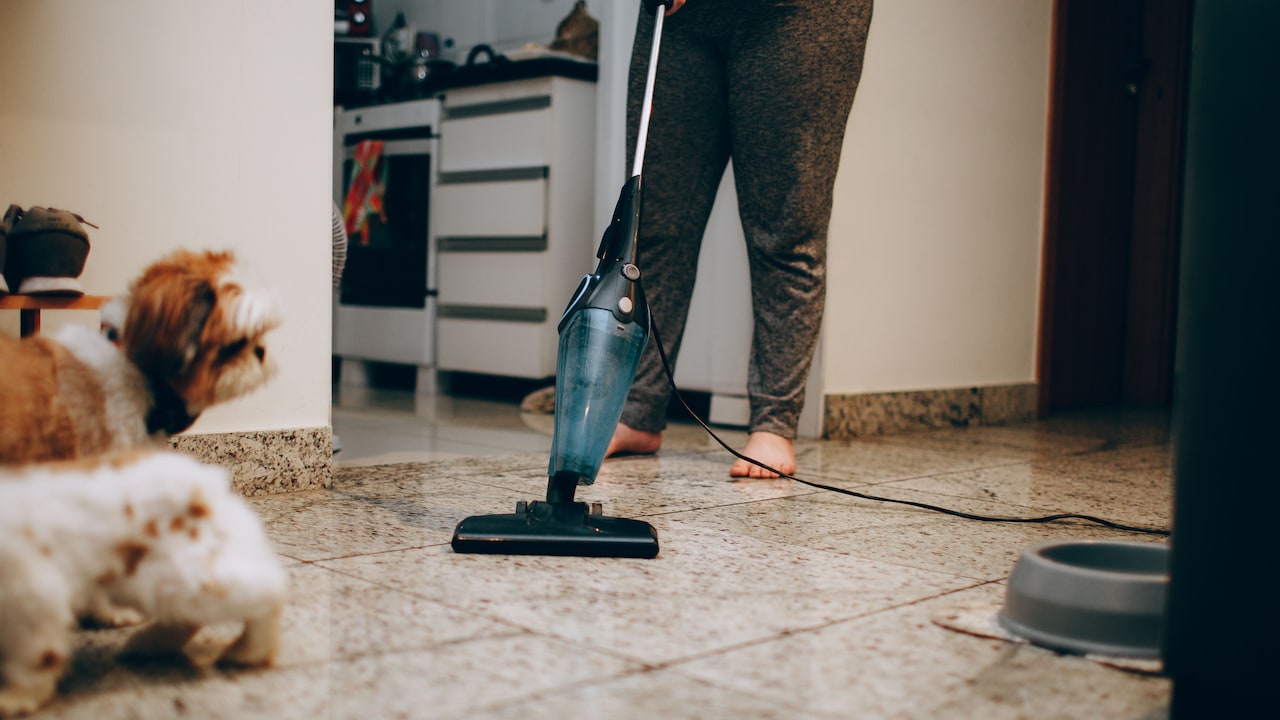
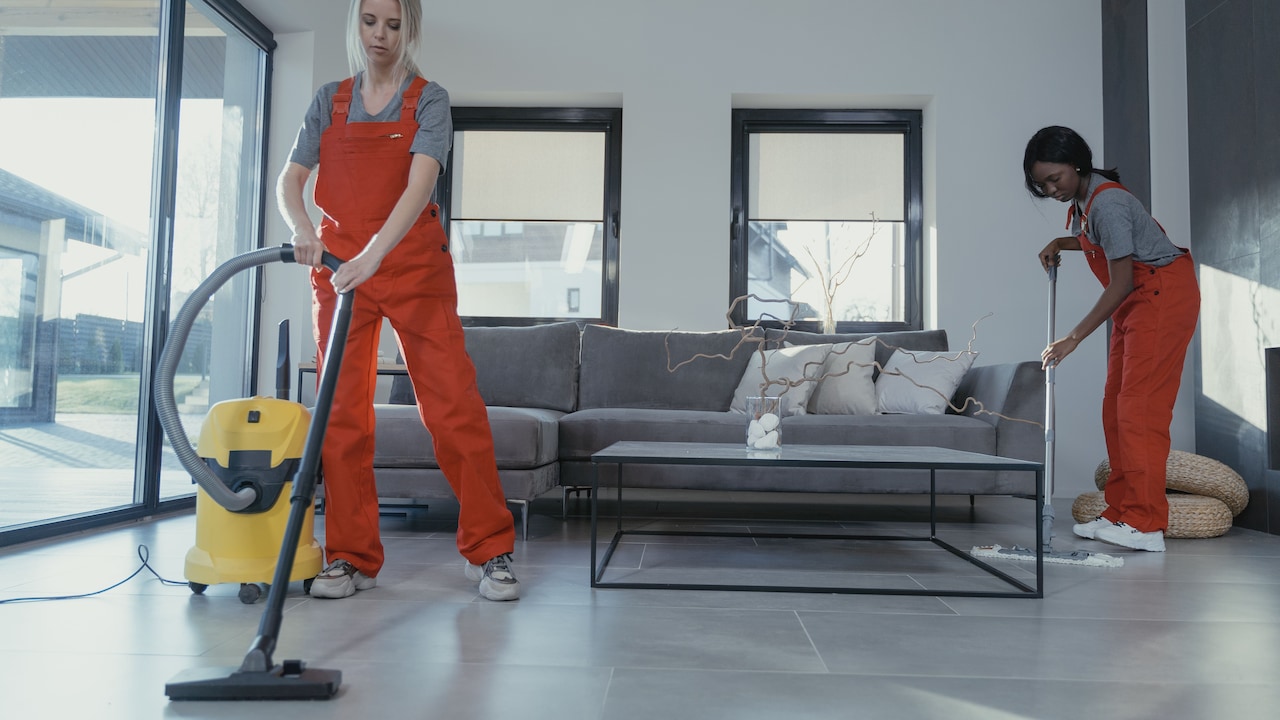
A basic vacuum cleaner often gets treated like an emergency machine. It comes out when crumbs cover the carpet, when guests announce a surprise visit or when a mysterious layer of grey appears beneath the bed. Yet this simple appliance can do far more than rescue a room at the last minute. Fine dust is different from visible dirt. It contains tiny particles that float through the air, settle inside fabrics and collect in narrow corners. Construction work nearby, open windows, ceiling fans, vehicle fumes, pollen, fabric fibres and everyday movement can all add to the problem. A quick sweep may make the floor look clean, but it can also send these particles swirling back into the room.
How To Use A Basic Vacuum Cleaner To Remove Fine Dust: 10 Expert Tips
Photo Credit: Pexels
The good news is that an expensive cleaning system is not always necessary. A regular vacuum cleaner, even one with modest power, can deliver better results when handled thoughtfully. The secret lies in preparation, pace, direction and maintenance. The following ten tips turn ordinary vacuuming into a more effective fine-dust removal routine.
Top 10 Tips For Removing Fine Dust With A Basic Vacuum Cleaner
1. Prepare The Room Before Switching On The Vacuum
Vacuuming becomes far more effective when the room is prepared first. Start by removing toys, footwear, charging cables, newspapers and small objects from the floor. This simple step prevents constant stopping and protects both the cleaner and household belongings. Nobody wants a missing earring to announce itself with a worrying rattle inside the dust chamber.
Move lightweight stools, plant stands and floor cushions aside. Pull curtains away from the ground and lift loose bedsheets that may get caught in the nozzle. In crowded rooms, shift furniture slightly rather than trying to force the vacuum through impossible gaps.
Next, close doors and windows for a short while. Open windows may invite fresh dust inside while the room is being cleaned. Switch off ceiling fans too, as moving air can scatter fine particles before the vacuum reaches them.
For shelves and tables, wipe dust downwards with a slightly damp microfibre cloth before vacuuming the floor. Dust follows gravity, even during household chores. Cleaning from top to bottom ensures the final vacuuming pass collects particles that fall from higher surfaces.
A few minutes of preparation can save considerable effort later.
2. Check The Filter And Dust Container First
A vacuum cleaner cannot capture fine dust properly when its filter is clogged or its dust container is already full. The machine may still make plenty of noise, but suction can drop sharply. It is rather like trying to drink a thick mango shake through a blocked straw.
Before cleaning, inspect the dust bag, bin or container. Empty it when it reaches around two-thirds of its capacity. Waiting until it is packed completely can reduce airflow and place extra strain on the motor. Bagged models should receive a fresh bag when the old one feels swollen or heavy.
Check the filter according to the manufacturer's instructions. Some filters can be washed, while others must only be tapped clean or replaced. A washable filter should dry completely before going back into the machine. Even slight dampness can encourage odours, clogging or damage.
Pay attention to the filter edges as well. Fine dust often gathers around the frame and prevents a proper seal. Wipe these areas gently with a dry cloth.
A clean filter improves suction, traps smaller particles and prevents dusty air from blowing back into the room. This one habit often makes an older vacuum feel surprisingly powerful again.
3. Use Slow And Overlapping Strokes
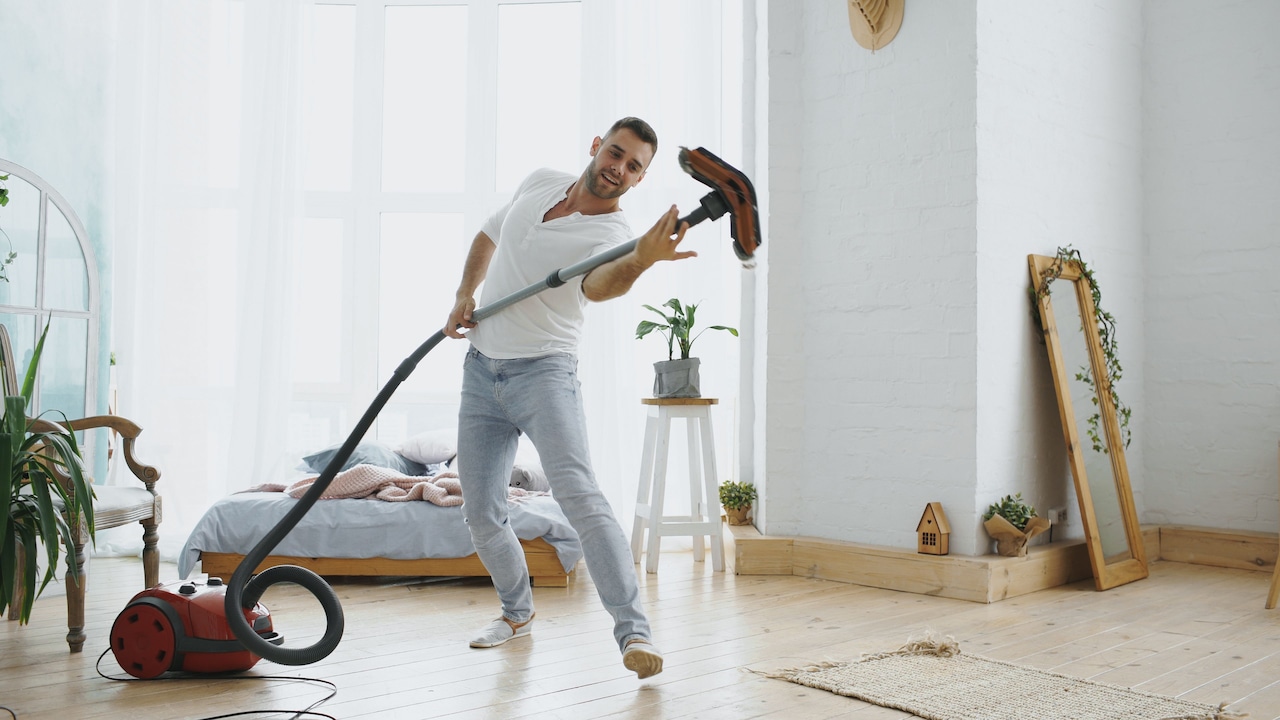
Speed may feel productive, but rushing a vacuum cleaner across the floor rarely removes fine dust well. Tiny particles need time to travel through the nozzle and into the machine. Fast, dramatic movements may look energetic, yet they often leave much of the dust behind.
Move the vacuum slowly in a straight line. Then pull it back over the same section. Shift slightly to the side and repeat, allowing each new path to overlap the previous one. This method prevents narrow strips of untouched flooring from remaining between strokes.
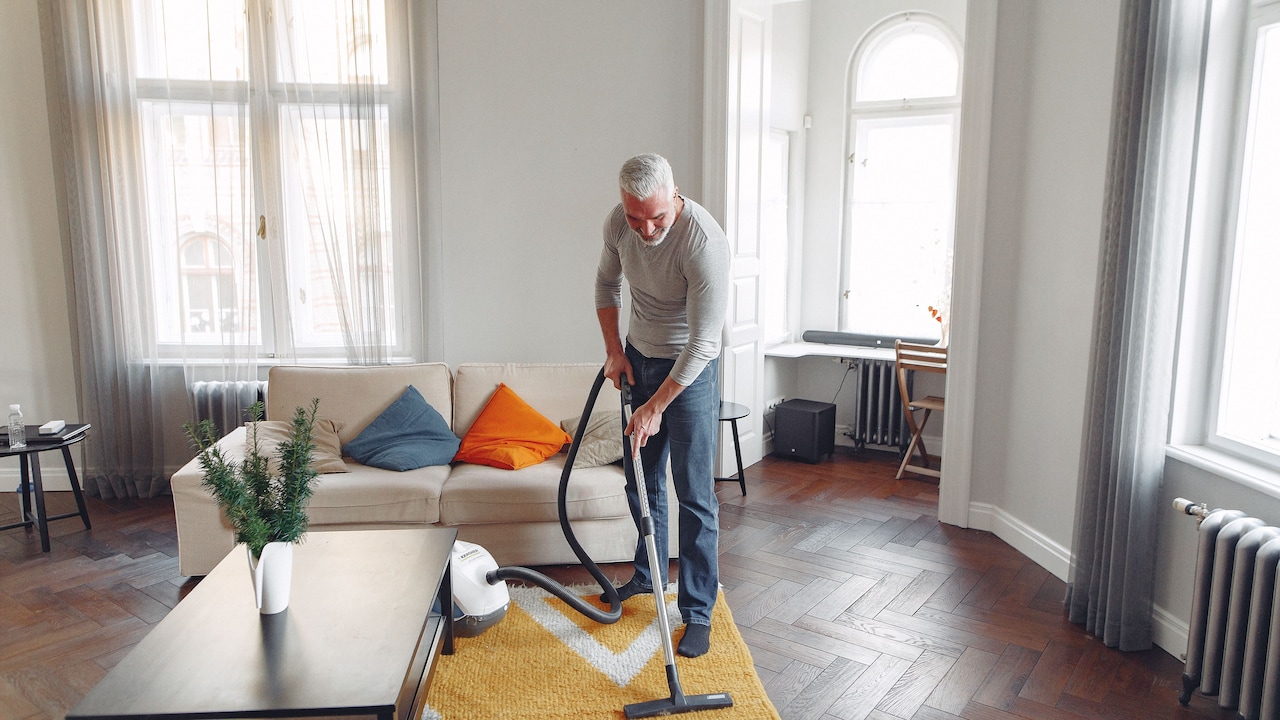
On carpets and rugs, vacuum in two directions. Clean from north to south first, then move from east to west. Fine dust can settle deep between fibres, and changing direction helps loosen particles trapped at different angles.
Hard floors also benefit from a measured pace. Dust commonly gathers along tile joints, wooden grooves and uneven stone surfaces. A slow pass gives the nozzle time to draw it out.
There is no need to crawl through the room at the speed of a sleepy tortoise. A steady, controlled rhythm works perfectly. The aim is not to finish fastest. The aim is to avoid cleaning the same room again tomorrow because yesterday's dust never truly left.
Also Read: Vacuum Cleaner Vs Robot Vacuum: Which Is Better For Homes With Pets?
4. Choose The Right Attachment For Each Surface
The standard floor head works well for open areas, but fine dust enjoys hiding in places where that attachment cannot reach. Using the correct tool can transform an average cleaning session into a thorough one.
A crevice tool is ideal for skirting boards, window tracks, sofa gaps, bed edges and the narrow spaces beside cupboards. Guide it slowly along corners rather than poking it randomly into gaps. Fine particles often form dense lines where walls meet floors.
Use a soft brush attachment for lampshades, bookshelves, keyboards, decorative items and window grills. The bristles loosen settled dust while the vacuum captures it immediately. This method works especially well on carved furniture, where cloths tend to push dust deeper into patterns.
An upholstery attachment suits sofas, cushions, fabric chairs and mattresses. Remove loose cushions and clean beneath them before vacuuming the visible surface. Snack crumbs may be obvious, but the finer mix of fibres, skin flakes and dust usually causes the greater problem.
Avoid using a hard, rough nozzle on delicate surfaces. It may leave scratches or pull threads. Even a simple vacuum cleaner becomes more versatile when its attachments are treated as useful tools rather than mysterious plastic pieces stored forever inside a cupboard.
5. Vacuum Corners And Edges Before Open Areas
Many people begin in the centre of the room because it offers quick visual satisfaction. A few broad passes create neat lines and make the space look cleaner almost immediately. Unfortunately, fine dust usually builds up most heavily around edges, behind doors and beneath furniture.
Start with the corners. Use the crevice attachment along skirting boards, wall edges, door frames and fixed cabinets. Pay special attention to the area behind curtains and near balcony doors. Air movement often pushes fine particles towards these boundaries.
Once the edges are clean, switch to the main floor head and work towards the centre. This sequence pulls loosened dust into the open area, where the larger attachment can collect it.
In bedrooms, vacuum around the bed legs and bedside tables before cleaning the main floor. In living rooms, focus on the space beneath sofas and along television units. Kitchens often hide dust near the refrigerator, under storage trolleys and beside the lower cabinets.
Think of room edges as dust parking zones. Particles arrive there quietly and stay for weeks. Cleaning these areas first prevents them from being forgotten and gives the entire room a genuinely finished appearance.
How To Use A Basic Vacuum Cleaner To Remove Fine Dust: 10 Expert Tips
Photo Credit: Pexels
6. Adjust Suction For Curtains, Rugs And Upholstery
Maximum suction is not always the best choice. Strong airflow can pull thin curtains into the nozzle, lift lightweight rugs or stretch delicate upholstery. A basic vacuum may not have electronic power settings, but many models include an airflow slider on the handle or hose.
Open the slider slightly when cleaning curtains, cushions and fragile fabrics. This reduces suction without switching off the machine. Hold curtains gently with one hand and guide the brush attachment downwards with the other. Begin near the top because dust settles across the full length, not just near the hem.
For rugs, test a small corner first. If the rug lifts or folds, lower the suction or place one foot lightly on the edge to keep it steady. Never force the nozzle across loose threads or decorative tassels.
Sofas deserve slow attention, especially along seams and armrests. Remove cushion covers only when the care label permits it. Otherwise, use the upholstery tool and work in short strokes.
The aim is to remove dust without starting a wrestling match with the furnishings. Controlled suction protects fabrics, improves cleaning accuracy and prevents the vacuum from swallowing half the curtain during an otherwise peaceful Sunday morning.
7. Clean Mattresses And Soft Furnishings Regularly
Floors receive most of the attention, but mattresses, pillows and sofas can hold a remarkable amount of fine dust. Fabric fibres trap particles that arrive through open windows, clothing, bedding and everyday movement. Since these surfaces are used for hours at a time, regular vacuuming can make a noticeable difference to freshness.
Strip the bed and wash the linen separately. Attach the upholstery tool and vacuum the mattress in slow sections. Pay attention to seams, stitched patterns, handles and edges. These areas collect more dust than the flat centre.
Turn or rotate the mattress when its care instructions allow it. Vacuum both sides during a deeper monthly clean. Pillows can also be cleaned with low suction, provided the fabric and filling remain secure.
For sofas, remove cushions and vacuum beneath them. Clean the cushion surfaces, backrests, armrests and seams. Fabric chairs, padded headboards and floor cushions should receive similar treatment.
Avoid sprinkling excessive powders or strongly scented products before vacuuming. Fine powders can clog filters, while fragrance only masks the real issue.
A clean-looking sofa can still hide dust. Regular vacuuming keeps soft furnishings more comfortable and prevents them from becoming quiet storage units for everything floating through the room.
8. Prevent Dust From Escaping Back Into The Air
Fine dust removal does not end when particles enter the vacuum cleaner. Poor handling can release them straight back into the room. Emptying the bin carelessly, shaking filters indoors or opening a dust bag near clean furniture can undo much of the work.
For bagless machines, take the dust container outside, onto a balcony or near a well-ventilated waste area. Place it deep inside a rubbish bag before opening the lid. Empty it gently rather than knocking it against the bin. A sudden thump can create a dusty cloud worthy of a low-budget action scene.
Seal disposable vacuum bags before throwing them away. Some models include sliding tabs or covers for this purpose. Reusable containers should be wiped with a slightly damp cloth after emptying. Allow every part to dry fully before reassembly.
Do not wash filters unless the manual clearly says they are washable. Replace damaged filters, cracked containers and loose seals promptly. Gaps allow fine particles to escape through the exhaust.
After vacuuming, wait a few minutes before switching on fans or opening several windows. This gives any disturbed dust time to settle, allowing a final quick pass to capture it rather than spread it around again.
9. Follow A Consistent Cleaning Pattern
A random cleaning route often leads to missed patches and repeated work. One day the area behind the door gets forgotten. Another day the balcony corner escapes attention. A consistent pattern makes vacuuming quicker and more reliable.
Begin at the farthest corner of the room and move towards the exit. This prevents walking over freshly cleaned areas. Divide large rooms into simple sections, such as the sofa zone, dining zone and doorway zone. Finish one section before moving to the next.
Work from top to bottom and from edges to centre. Vacuum curtains or high fabric surfaces first, then sofas, rugs and floors. Dust dislodged from above will land on areas that have not yet been cleaned.
Choose a direction and stick to it. For example, move clockwise around the room, cleaning each boundary before covering the centre. This approach reduces confusion, particularly in furniture-heavy spaces.
Consistency also helps identify problem areas. When the same corner fills with dust every few days, there may be a gap near a window, a damaged door seal or strong airflow from outside.
A routine does not make cleaning dull. It makes it efficient. More importantly, it leaves fewer opportunities for fine dust to hide behind forgetfulness.
10. Maintain The Vacuum Cleaner After Every Use
A vacuum cleaner works best when maintenance becomes part of the cleaning routine rather than an occasional rescue operation. After each use, check the brush head for hair, thread and fabric fibres. These can wrap around rollers, block airflow and reduce contact with the floor.
Inspect the hose if suction suddenly feels weak. A coin, paper scrap or compact ball of dust may be stuck inside. Disconnect the hose and look through it in good light. Use a long, blunt object only when the manufacturer recommends it. Sharp tools can puncture the hose.
Wipe the outer body and attachments with a dry or slightly damp cloth. Clean wheels and nozzle edges, especially after vacuuming dusty balconies or entrance areas. Store every attachment together so the crevice tool does not disappear into the same mysterious place as spare keys and single socks.
Keep the machine in a dry cupboard. Avoid tightly bending the hose or wrapping the cable around the body with excessive force. Replace worn brushes, damaged belts and old filters when necessary. Small replacement parts may cost a few hundred rupees, but they can extend the appliance's life considerably.
Regular care preserves suction, prevents unpleasant smells and ensures the vacuum is ready whenever dust decides to return.
How To Use A Basic Vacuum Cleaner To Remove Fine Dust: 10 Expert Tips
Photo Credit: Pexels
Products Related To This Article
1. BISSELL CrossWave HF2 | Wet & Dry Hard Floor Cleaner
2. AGARO Regal 800 Watts Handheld Vacuum Cleaner
3. Tineco S5 Combo Cordless Wet & Dry Vacuum Cleaner
4. Eureka Forbes Quick Clean DX Vacuum Cleaner
5. INALSA Wet and Dry Vacuum Cleaner for Home
6. SEZNIK Vacuum Cleaner for Home Use | Car Use
7. Philips PowerPro FC9352/01-Compact Bagless Vacuum Cleaner for Home
Fine dust may be stubborn, but removing it does not require complicated equipment or an extravagant cleaning budget. A basic vacuum cleaner can manage the job well when used with patience, structure and the right attachments.
Preparation matters. Clean filters matter. Slow overlapping strokes matter. The order of cleaning matters too. Paying attention to corners, fabrics, mattresses and machine maintenance turns routine vacuuming into a more complete dust-control strategy.
The biggest improvement often comes from consistency. A focused weekly clean prevents dust from building into thick layers, while quick attention to busy areas keeps the home feeling fresh between deeper sessions. Entrance spaces, balconies, bedrooms and sofa areas may need extra care because they collect particles faster.
No home remains completely dust-free, especially with open windows, nearby traffic, changing weather and daily activity. That does not mean the dust should be allowed to settle comfortably. With thoughtful technique, even a simple vacuum cleaner can become a dependable household ally.
Use it slowly, clean it regularly and give those forgotten corners some attention. Fine dust may keep returning, but it no longer needs to win.
(Disclaimer: This article may include references to or features of products and services made available through affiliate marketing campaigns. NDTV Convergence Limited (“NDTV”) strives to maintain editorial independence while participating in such campaigns. NDTV does not assume responsibility for the performance or claims of any featured products or services.)