10 Signs A Dirty Hair Dryer Filter Is Affecting Heat, Noise And Long-Term Performance
A dirty hair dryer filter can reduce airflow, increase heat and noise, and strain the motor. Spotting the warning signs early can improve performance, prevent overheating and help your dryer last longer.
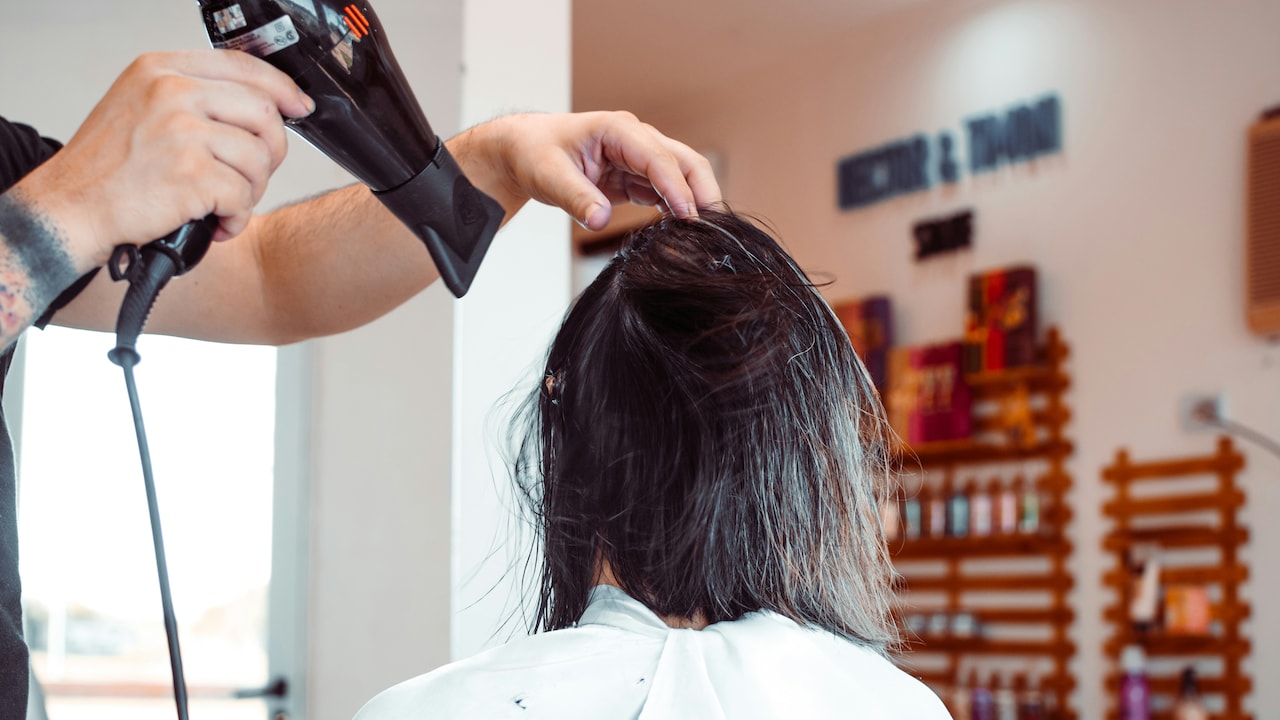
10 Signs Your Hair Dryer Filter Is Dirty and Hurting Performance
A hair dryer rarely gets the same cleaning attention as a comb, makeup brush or bathroom shelf. Once the hair looks good, the dryer usually returns to a drawer or dressing table until the next rushed morning. Yet every time the motor pulls air into the appliance, it can also draw in dust, lint, strands of hair and tiny fibres floating around the room. Most dryers use a filter or protective grille near the air intake to stop that debris from travelling deeper inside. Over time, however, the filter itself can become clogged. Air struggles to move freely, heat builds up and the motor has to work harder than usual. The change often happens gradually, which makes it easy to miss. A dryer that once finished the job quickly may start taking longer. Its familiar hum may turn into an irritated whine. The casing may feel unusually hot. None of these signs automatically means the appliance has reached the end of its life. Before blaming the motor or shopping for a replacement worth several thousand rupees, take a closer look at the filter. These ten signs can reveal when accumulated dirt has started interfering with heat, noise and long-term performance.
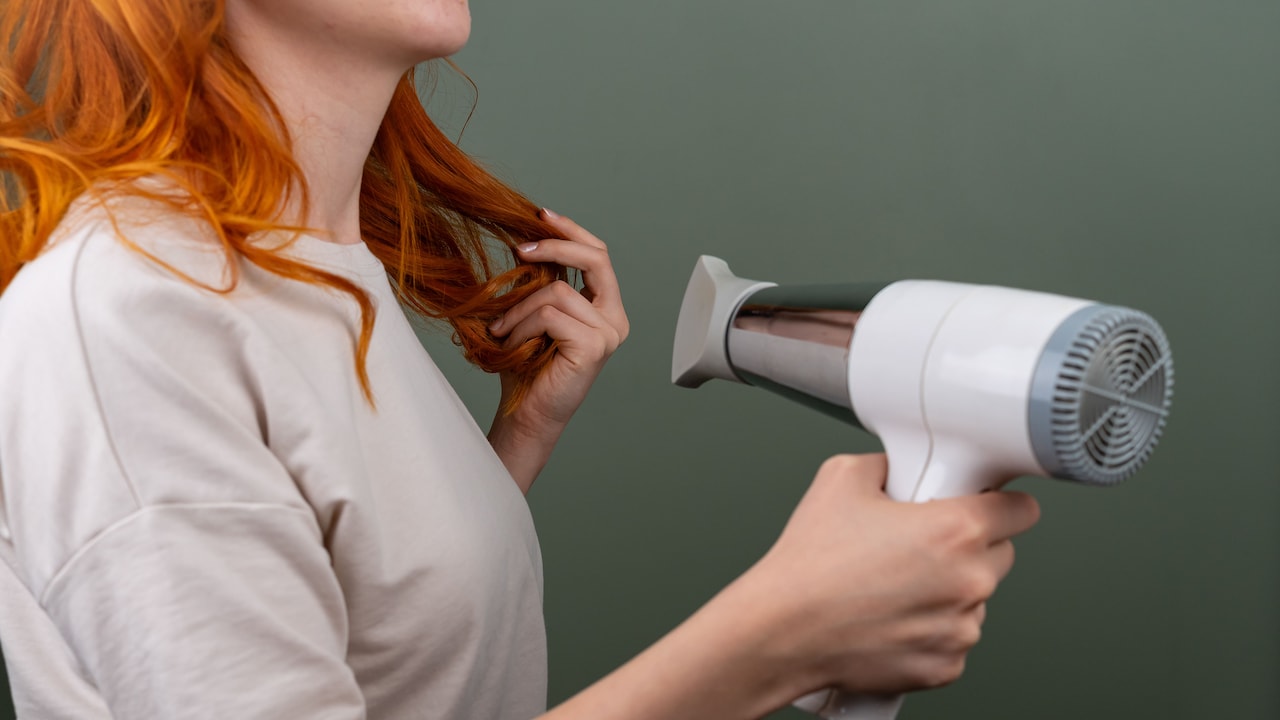
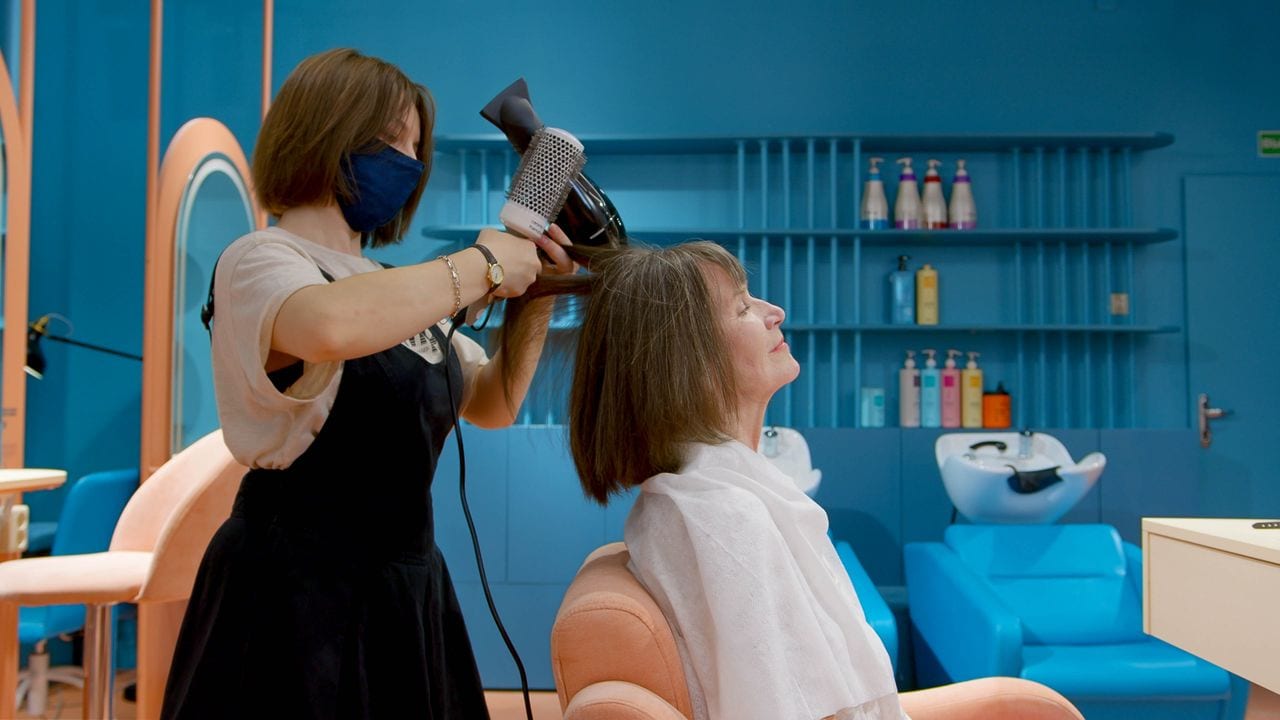
10 Signs Your Hair Dryer Filter Is Dirty and Hurting Performance; Photo Credit: Pexels
How To Tell If Your Hair Dryer Filter Needs Cleaning
1. Drying Your Hair Suddenly Takes Much Longer
One of the easiest signs to notice is a longer drying time. A dryer that once handled damp hair in ten minutes may suddenly need fifteen or twenty, even though the heat setting, hair length and routine have stayed much the same.
A clogged filter can reduce the amount of air entering the dryer. Since the appliance depends on steady airflow to carry heated air towards the hair, restricted intake weakens its drying power. The machine may still feel hot, but less air reaches the strands effectively.
This problem can feel especially irritating during busy mornings. Nobody wants breakfast going cold while a hair dryer behaves as though it has forgotten its only job.
Longer drying also creates another issue: the appliance has to run for more time. That means additional stress on the motor and heating components. It may also expose hair to heat for longer than necessary.
If drying sessions have quietly stretched without an obvious explanation, inspect the rear filter. A layer of grey fluff may explain more than expected.
Also Read: Top 5 Hair Dryers Under ₹1,000 That Actually Work
2. The Airflow Feels Noticeably Weaker
Heat alone does not make a hair dryer effective. Strong, controlled airflow matters just as much. When that airflow starts feeling soft or uneven, the filter deserves attention.
Try to remember how the dryer felt when it was newer. At a high-speed setting, the stream of air probably felt concentrated and powerful. If the same setting now produces a lazy breeze, dust may have blocked part of the intake.
A dirty filter prevents the motor from drawing enough air through the appliance. Rather than moving a healthy volume of air, the dryer has to pull it through a layer of trapped fibres, hair and dust. Imagine trying to sip a thick mango shake through a straw stuffed with cotton; the effort rises while the result falls.
Weak airflow sometimes encourages users to increase the heat setting, but that does not solve the underlying problem. In fact, it can place even more thermal stress on the appliance.
Check the filter before assuming the motor has weakened permanently. Restoring a clear intake can often make the airflow feel stronger and more consistent again.
3. The Hair Dryer Sounds Louder Than Usual
Every hair dryer makes noise, and nobody expects one to whisper politely beside the mirror. Still, owners usually become familiar with the normal sound of their appliance. A sudden increase in volume, pitch or roughness deserves attention.
When a filter becomes clogged, the motor may work harder to pull air through the restricted intake. That extra effort can alter the sound. The familiar hum may become sharper, strained or unusually loud. In some cases, the noise can fluctuate as air struggles to pass through patches of debris.
The difference may initially seem minor. Then one morning the dryer starts sounding less like a grooming tool and more like a mixer-grinder preparing chutney in the next room.
Unusual noise does not always come from the filter. Loose internal components or motor wear can create similar symptoms. However, checking and cleaning the filter provides a sensible first step because it requires little effort and costs nothing. If normal sound returns after cleaning, the dryer has effectively given its own little sigh of relief.
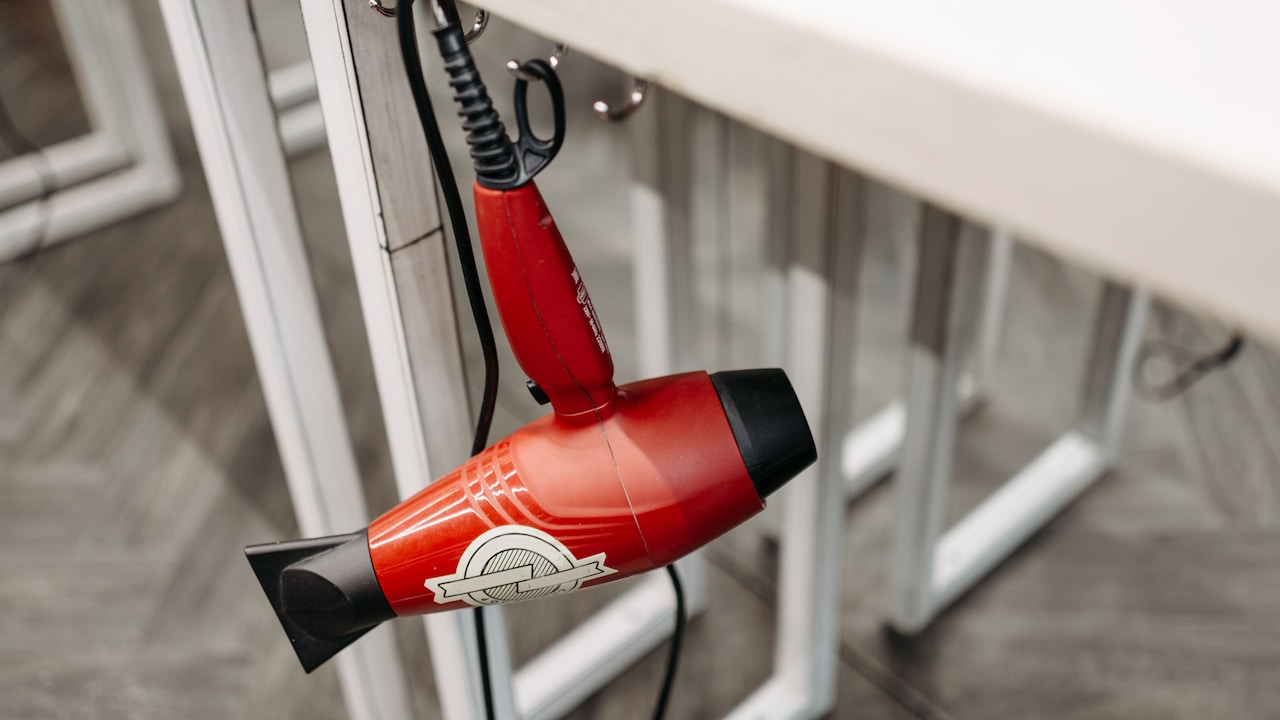
10 Signs Your Hair Dryer Filter Is Dirty and Hurting Performance; Photo Credit: Pexels
4. The Body Of The Dryer Feels Unusually Hot
Hair dryers naturally generate heat, so some warmth around the casing should not cause alarm. The warning sign comes when the body becomes much hotter than it used to, particularly around the rear or sides.
Restricted airflow can trap more heat inside the appliance. The heating element continues doing its job, but insufficient air moves through the dryer to carry that heat away efficiently. Internal temperatures can then rise beyond the normal operating pattern.
A hot casing may become uncomfortable to hold, especially during a longer styling session. More importantly, excessive internal heat can place stress on electrical parts, insulation and the motor.
Do not ignore a dryer that feels alarmingly hot. Switch it off, unplug it and allow it to cool before checking the filter according to the manufacturer's cleaning instructions.
Regular overheating can shorten the useful life of an appliance. A quick filter clean takes far less effort than replacing a dryer unexpectedly, particularly when a reliable model can cost ₹2,000, ₹5,000 or considerably more.
5. The Dryer Keeps Switching Off Mid-Use
Few things disrupt a half-finished hairstyle quite like a hair dryer that suddenly goes silent. After a few minutes, it may work again as though nothing happened. If this pattern repeats, overheating could provide the clue.
Many modern hair dryers include thermal protection that interrupts operation when internal temperatures climb too high. This safety feature helps reduce the risk of serious overheating, but frequent activation suggests that something prevents the dryer from regulating temperature normally.
A blocked filter ranks among the simplest possible causes. Poor airflow allows heat to accumulate quickly, particularly during high-temperature use. The dryer shuts down, cools for a while and then starts working again.
Treat repeated cut-outs as a warning rather than an inconvenience to work around. Constantly restarting an overheating dryer does not address the cause.
After unplugging the appliance and letting it cool fully, inspect its intake area. Removing trapped dust and hair may improve ventilation. If shutdowns continue despite a clean filter, stop using the dryer and have it checked rather than gambling with electrical safety.
6. A Hot Or Burning Smell Appears
A faint heated smell from a brand-new appliance can sometimes occur during early use, but an established dryer that suddenly smells burnt needs attention.
Dust and lint around the filter can become unusually hot when airflow drops. Debris may also move closer to heated internal areas if the filter receives little maintenance. The resulting smell can resemble hot dust, singed hair or warm plastic.
It is tempting to continue drying for another two minutes, especially with one side of the head still damp and an auto-rickshaw already approaching downstairs. Resist that temptation.
Switch the dryer off immediately and unplug it. Once it has cooled, inspect the filter and visible air-intake area. Remove accessible debris only in the manner recommended for that model. Never poke metal objects deep into the dryer or dismantle electrical sections casually.
A persistent burning smell after cleaning can signal a more serious electrical or mechanical issue. In that situation, retire the dryer from daily use until a qualified technician has examined it.

10 Signs Your Hair Dryer Filter Is Dirty and Hurting Performance; Photo Credit: Pexels
7. Heat Output Becomes Unpredictable
A healthy hair dryer should deliver reasonably consistent heat at each setting. When the temperature starts jumping between very hot and strangely cool without anyone touching the controls, restricted airflow may play a role.
A clogged filter can disturb the balance between the heating element, airflow and thermal protection system. The appliance may heat rapidly because too little air passes through it. Temperature safeguards may then reduce heat or interrupt operation before the cycle begins again.
For the person using the dryer, that behaviour feels inconsistent and frustrating. One section of hair receives plenty of warmth, while the next gets a weak puff of cooler air. Styling becomes harder, and there is a greater temptation to hold the nozzle too close to the hair.
Check the filter before concluding that the temperature switch has failed. Dirt often builds slowly, so changes in heat performance can creep into a routine unnoticed.
Consistent airflow helps the dryer manage heat predictably. Keeping the intake clear supports not only faster drying but also more controlled styling.
8. Dust And Fluff Are Clearly Visible On The Filter
Sometimes the most obvious clue needs no detective work. Turn the dryer around and look at the air intake. If the grille resembles a tiny doormat covered in grey fluff, the filter has already delivered its message.
Visible dust means air must travel through that layer before reaching the motor. Hair strands, fabric fibres, pet fur and airborne particles can create a surprisingly dense covering over time. Bathrooms and dressing areas tend to collect plenty of such material.
The build-up may appear harmless because it sits outside the main body of the appliance. In reality, that fuzzy coating can gradually reduce ventilation and contribute to several other symptoms, including weak airflow, louder operation and overheating.
Do not wait for performance problems before cleaning a visibly dirty filter. Preventive maintenance works better than emergency maintenance.
Some dryers have removable filter covers, while others use fixed grilles that require gentle brushing or wiping. Always follow the manufacturer's guidance. Whatever the design, keeping the intake free from lint gives the motor a much easier working life.
9. The Dryer Vibrates Or Sounds Rough During Operation
A hair dryer should produce a fairly steady mechanical hum. If it begins vibrating more than usual or developing a rough, uneven sound, poor airflow may contribute to the strain.
A heavily clogged filter forces the motor and fan assembly to work under less favourable conditions. The resulting load can change how smoothly the dryer operates. Accumulated debris near the intake may also interfere with air movement and create strange rushing or fluttering noises.
Not every vibration points directly to dirt. A damaged fan, worn bearing or loose internal component can produce similar symptoms. That is precisely why the filter makes a sensible starting point: it is easy to inspect without opening the appliance.
Unplug the dryer and clean the accessible intake area carefully. After reassembly, test it briefly. If the roughness disappears, restricted airflow likely played a part.
If strong vibration, rattling or grinding continues, stop treating the problem as routine maintenance. Mechanical faults can worsen with continued use, and an ageing dryer should not receive endless chances simply because it survived yesterday.
10. The Dryer Seems To Be Ageing Faster Than Expected
Not all signs appear during a single drying session. Sometimes the bigger clue lies in how quickly the appliance seems to lose its former performance.
A dryer that has received regular filter care may continue working reliably for years, depending on its quality and frequency of use. A neglected one can spend much of its life fighting restricted airflow. That extra strain affects the motor, increases operating temperatures and can accelerate wear across several components.
The decline may feel gradual. Airflow weakens first, then drying takes longer. Noise increases. The dryer starts running hotter. Eventually, the appliance reaches a point where replacing it seems easier than investigating what happened.
A dirty filter may not cause every failure, but keeping it clean removes one avoidable source of stress.
Think of filter maintenance as the hair dryer's version of clearing a blocked nose. Breathing freely makes everything else easier. A few minutes of regular care can protect performance and help delay the day when another ₹3,000 or ₹6,000 appliance lands on the shopping list.
Products Related To This Article
1. Philips India's No.1 Hair Styling Brand - Glass like Shine Hair Dryer
2. BEARDO Studio Professional Tornado Hair Dryer With 2000 Watts Power
3. VEGA PROFESSIONAL Pro Dry 2000W Hair Dryer for Women & Men
4. Havells HD3151 1200 W Foldable Hair Dryer
5. WINSTON Turbo Pro Hair Dryer
6. AGARO 2000W AC Professional Hair Dryer with Comb
7. URBANNVOA Professional Hair Dryer for Men & Women
A dirty hair dryer filter may look like a small housekeeping issue, but its effects can travel through the entire appliance. Restricted airflow can increase drying time, weaken air pressure, raise internal temperatures and force the motor to work harder. Noise, strange smells, inconsistent heat and unexpected shutdowns often provide early clues.
The good news is that filter maintenance usually requires little time. An occasional check can reveal lint and dust before they turn into a thick barrier. Always unplug the dryer first, allow it to cool and follow the cleaning method recommended for the specific model.
Most importantly, pay attention when a familiar appliance starts behaving differently. A louder hum or an extra five minutes of drying may seem harmless today, yet those changes can signal unnecessary strain building inside.
A hair dryer does not need elaborate pampering. It simply needs room to breathe. Keep its filter clear, and the reward can be steadier heat, stronger airflow, quieter operation and a much better chance of long-term performance.
(Disclaimer: This article may include references to or features of products and services made available through affiliate marketing campaigns. NDTV Convergence Limited (“NDTV”) strives to maintain editorial independence while participating in such campaigns. NDTV does not assume responsibility for the performance or claims of any featured products or services.)