Thread Count Is Overrated: What Actually Makes Bedsheets Feel Hotel-Like
Thread count isn't the secret to luxurious bedsheets. Discover the factors that truly create that crisp, comfortable hotel-bed feeling.
Thread Count Is Overrated: What Actually Makes Bedsheets Feel Hotel-Like
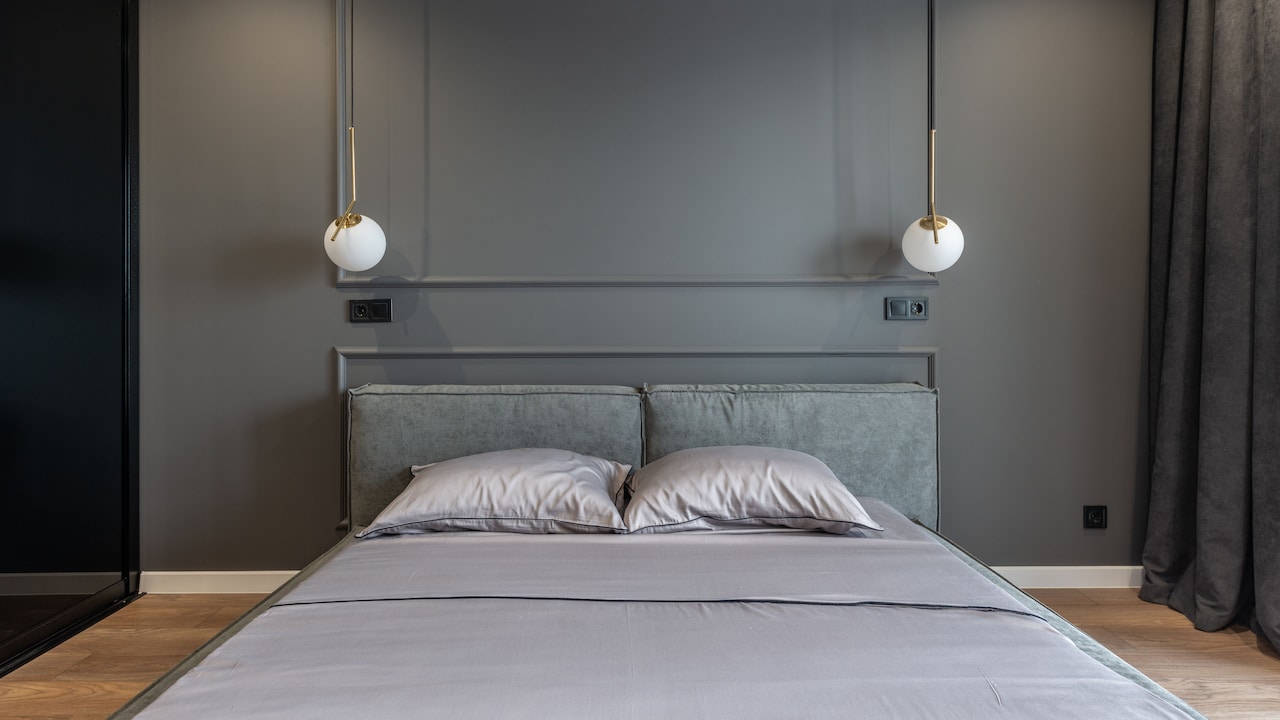
Few pleasures match the feeling of slipping into a perfectly made bed after a long day. The sheets feel cool, smooth and inviting. Pillows sit neatly in place. Everything seems designed for deep, uninterrupted sleep. Many people assume hotels achieve this experience by using bedsheets with extraordinarily high thread counts. Retail packaging often reinforces that belief, with bold claims of 800, 1000 or even 1500 thread counts promising luxury. The reality tells a different story. Thread count plays a role, but it represents only a small piece of a much larger comfort puzzle. In fact, many premium hotels choose sheets with moderate thread counts because other characteristics matter far more. Fibre quality, weave structure, finishing methods and maintenance routines all contribute to that unmistakable hotel feel. Understanding these factors can save money and prevent disappointment. Instead of chasing inflated numbers, shoppers can focus on what genuinely enhances comfort. The result is a bedroom that feels more luxurious every night, without spending a fortune on clever marketing.

Thread Count Is Overrated: What Actually Makes Bedsheets Feel Hotel-Like; Photo Credit: Pexels
Beyond Thread Count: What Creates True Comfort
The Truth About Thread Count
Thread count measures the number of threads woven into one square inch of fabric. For years, retailers promoted it as the ultimate indicator of quality. The logic sounds simple: more threads should create a softer and finer fabric.
Unfortunately, manufacturers discovered ways to inflate these figures. Some count individual fibres within a thread rather than the thread itself. Others use multi-ply yarns that artificially boost numbers without improving comfort.
A bedsheet advertised at 1000 thread count may not feel any better than one with a genuine count of 400. In some cases, excessively high thread counts create denser fabrics that trap heat and reduce breathability.
Most hospitality experts consider a thread count between 250 and 500 perfectly suitable for premium bedding. Beyond that range, improvements become increasingly difficult to notice.
Rather than treating thread count as the deciding factor, it works best as one piece of information among many. Looking beyond the number often leads to better purchases and more satisfying sleep.
Also Read: Shop Premium Cotton King And Queen Size Bedsheets Under ₹1000 On Myntra End Of Reason Sale
Why Fibre Quality Matters More Than Numbers
Imagine two cups of tea. One comes from premium tea leaves, while the other uses lower-grade ingredients. No amount of fancy packaging changes the difference in quality.
The same principle applies to bedsheets.
Long-staple cotton fibres create smoother, stronger and softer fabrics because the fibres extend further before they are spun into yarn. The resulting threads contain fewer loose ends, reducing roughness and pilling over time.
Sheets made from superior fibres often feel luxurious immediately and continue improving with repeated washing. Lower-quality fibres may feel acceptable at first but lose their appeal quickly.
This explains why a well-made 300-thread-count sheet crafted from premium cotton often outperforms a 1000-thread-count sheet made from inferior materials.
Quality starts at the fibre level. Everything that follows depends on that foundation. When selecting bedding, understanding fibre quality offers a far better guide than focusing solely on thread count figures printed on a label.

Thread Count Is Overrated: What Actually Makes Bedsheets Feel Hotel-Like; Photo Credit: Pexels
The Importance Of Cotton Varieties
Not all cotton feels the same.
Different cotton varieties produce dramatically different sleeping experiences. Some create silky smooth surfaces, while others feel slightly coarser and wear out faster.
Premium cotton varieties feature longer fibres that produce stronger yarns and smoother fabrics. These fibres resist fraying and maintain softness over years of use. They also allow sheets to become softer with every wash rather than deteriorating.
Many luxury hotels favour high-quality cotton because guests notice the difference instantly. The fabric feels crisp yet comfortable, balancing softness with durability.
Budget sheets often rely on shorter cotton fibres. While they may look similar in a shop, daily use reveals their shortcomings. Rough patches, pilling and thinning fabric can appear surprisingly quickly.
Investing in better cotton often proves more cost-effective in the long run. A sheet set priced at ₹4,000 that lasts several years frequently delivers better value than repeatedly replacing cheaper alternatives that lose comfort after a few months.
Percale Weave Creates Crisp Hotel Comfort
One reason hotel beds feel so fresh and inviting comes down to weave structure.
Percale weave uses a simple one-over, one-under pattern that creates a lightweight and breathable fabric. The result feels crisp, cool and clean against the skin. Many people associate this sensation directly with luxury hotels.
Unlike heavier fabrics, percale allows air to circulate freely. This makes it particularly comfortable during warm nights when overheating disrupts sleep.
Freshly laundered percale sheets also create that satisfying smoothness often experienced in upscale accommodations. The fabric feels neat without becoming slippery or overly silky.
Another advantage lies in durability. Percale withstands frequent washing remarkably well, making it ideal for environments where sheets undergo constant use.
Many consumers searching for hotel-style bedding overlook weave entirely while concentrating on thread count. Yet percale often contributes more to the experience than any numerical specification. For those craving that freshly made hotel bed sensation, weave deserves serious attention.
Sateen Weave Offers A Different Kind Of Luxury
Not every luxurious sheet needs to feel crisp.
Sateen weave creates a smoother, silkier surface that drapes elegantly across the bed. Instead of the airy crispness associated with percale, sateen delivers a richer and slightly warmer feel.
The weave places more threads on the surface of the fabric, creating a subtle sheen and exceptionally smooth texture. Many people love this sensation, especially during cooler months.
Bedrooms with air conditioning often benefit from sateen sheets because the fabric provides a cosy, comfortable feel without becoming excessively heavy.
Luxury means different things to different sleepers. Some prefer the fresh, cool character of percale. Others enjoy the soft embrace of sateen. Neither option ranks universally better.
Understanding these distinctions helps shoppers choose based on personal preference rather than marketing claims. The most comfortable bedding matches individual sleeping habits, room temperatures and tactile preferences. Thread count alone cannot reveal these important differences.
Breathability Makes A Bigger Difference Than Softness
Soft sheets may impress for a few minutes. Breathable sheets improve sleep for an entire night.
Temperature regulation plays a major role in sleep quality. When bedding traps excess heat, the body struggles to maintain ideal sleeping conditions. Restlessness often follows.
Hotels understand this well. Many choose breathable fabrics that help guests remain comfortable regardless of seasonal fluctuations. A cooler sleeping environment encourages deeper and more restorative rest.
Natural fibres generally outperform synthetic alternatives in this area. They allow better airflow and wick moisture away from the body. The result feels fresher and more comfortable throughout the night.
Anyone who has woken up tangled in warm, stuffy bedding understands the importance of breathability. Even the softest sheets lose their appeal when they create discomfort after a few hours.
True luxury extends beyond first impressions. It supports uninterrupted sleep, making breathability one of the most important qualities in premium bedding.
Thread Count Is Overrated: What Actually Makes Bedsheets Feel Hotel-Like; Photo Credit: Pexels
Finishing Techniques Shape The Feel Of Fabric
Many shoppers overlook an important detail: two sheets made from identical materials can feel completely different.
The reason often lies in finishing techniques.
After weaving, manufacturers apply various treatments to improve texture, appearance and performance. Some processes soften fibres. Others enhance smoothness, reduce shrinkage or increase durability.
High-quality finishing can transform a good fabric into an exceptional one. Poor finishing can undermine even premium raw materials.
Hotels frequently source bedding from suppliers that invest heavily in these processes. Guests may never see the manufacturing details, but they certainly notice the results.
The smooth glide of a sheet across the skin often owes as much to finishing methods as to fibre quality or thread count. This explains why some bedding feels luxurious from the first night while others never quite achieve the same level of comfort.
A label rarely reveals these details, yet they significantly influence the overall sleeping experience.
Proper Care Creates Long-Term Luxury
Even the finest bedsheets require proper care.
Hotels maintain their bedding through disciplined laundering routines that preserve softness and appearance. Sheets receive regular washing, careful drying and prompt replacement when necessary.
At home, simple habits make a remarkable difference. Washing sheets consistently prevents oils and dirt from building up within fibres. Avoiding excessive detergent helps maintain softness. Proper drying reduces unnecessary wear.
Interestingly, many premium cotton sheets improve with age. Repeated washing relaxes fibres and enhances comfort over time. What feels good initially may become even better after several months of use.
Neglect, however, produces the opposite effect. Rough textures, fading colours and weakened fibres can develop surprisingly quickly.
Luxury bedding is not simply purchased; it is maintained. Good care extends lifespan and ensures sheets continue delivering comfort year after year.
The Hotel Secret Is Consistency
People often focus on bedding when trying to recreate hotel comfort, but hotels rely on a broader strategy.
Every element works together. Clean sheets, supportive mattresses, quality pillows and meticulous presentation combine to create the final experience. No single component carries all the responsibility.
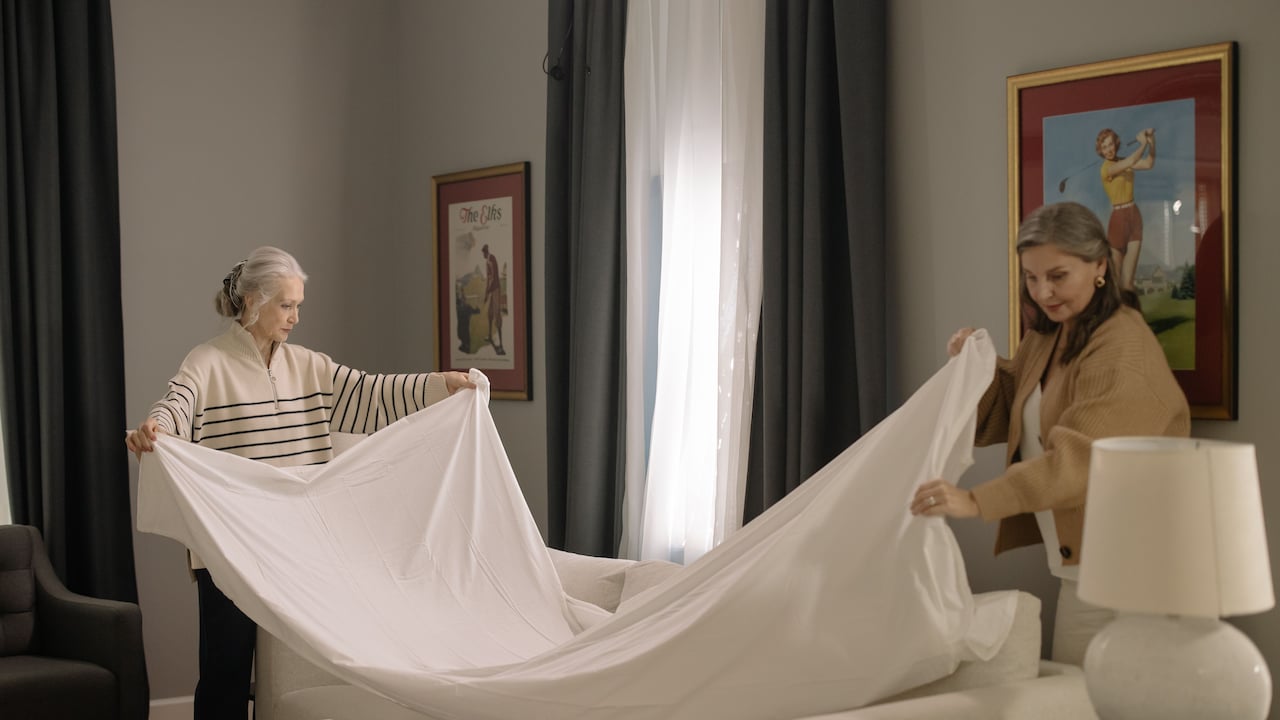
The bed appears inviting because everything feels intentional. Crisp corners, fresh linens and uncluttered surroundings contribute as much to perceived luxury as fabric specifications.
At home, recreating this atmosphere often costs less than expected. Freshly washed sheets, proper bed-making and thoughtful maintenance can dramatically improve comfort without requiring expensive upgrades.
The lesson remains surprisingly simple. Hotels succeed through consistency rather than extravagance. They focus on details that collectively enhance comfort, rather than relying on one impressive statistic.
This approach applies equally well in any bedroom.
Products Related To This Article
1. Story@Home King Size Bedsheet
2. BSB HOME 100% Cotton Feel Double Bed Bedsheet Set
3. haus & kinder Bedsheets, 100% Cotton Double Bed Sheet
4. Blue Dahlia 100% Cotton, King Size/Double
5. NEW LEAF Premium Cotton Elastic Fitted Bedsheets
6. JAIPUR PRINTS 100% Cotton Bedsheet for Double Size Bed bedsheets
7. RajasthaniKart® Pure 100% Cotton Double Bed Sheet with 2 Pillow Covers
Thread count has enjoyed decades of marketing attention, but its importance often gets exaggerated. While it influences fabric quality to a certain extent, it does not determine whether bedsheets feel luxurious.
The true secret behind hotel-like bedding lies in a combination of factors. Superior fibres, quality cotton varieties, breathable weaves, thoughtful finishing techniques and proper care all contribute more meaningfully to comfort than inflated thread count numbers.
Rather than chasing the highest figure on a package, shoppers benefit from looking at the complete picture. A well-crafted 300-thread-count sheet can easily outperform a poorly made alternative boasting a much larger number.
Luxury, after all, is not about statistics. It is about how a bed feels at the end of a demanding day. And that feeling comes from quality, craftsmanship and attention to detail, not just a number printed on a label.
(Disclaimer: This article may include references to or features of products and services made available through affiliate marketing campaigns. NDTV Convergence Limited (“NDTV”) strives to maintain editorial independence while participating in such campaigns. NDTV does not assume responsibility for the performance or claims of any featured products or services.)