Top 10 Grooming Mistakes That Leave A Pet Coat Uneven Or Patchy
Uneven or patchy pet coats often result from simple grooming mistakes. Discover the top 10 errors to avoid for a smoother, healthier and better-looking coat.
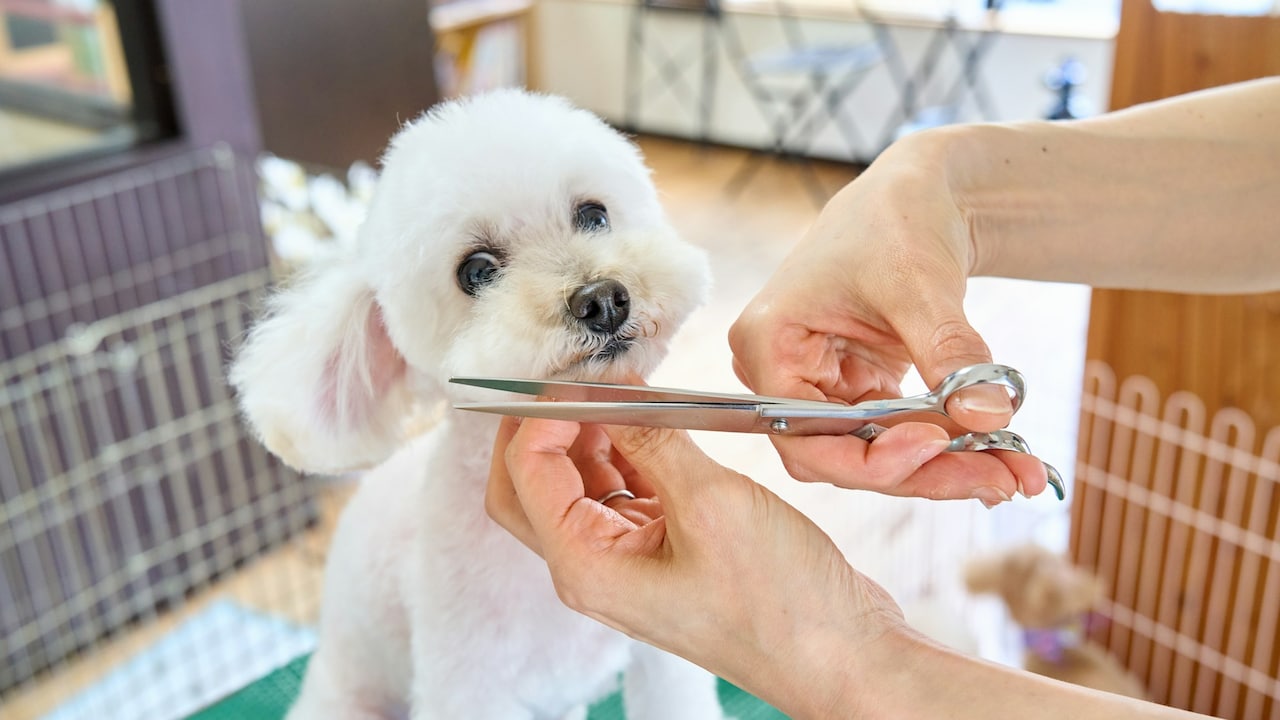
How to safely groom pets at home
A freshly groomed pet should look neat, comfortable and ready to receive compliments from every visitor at the door. Yet many grooming sessions end with one side looking fluffy, the other looking flat and a mysterious patch near the tail that resembles a badly maintained lawn. Uneven coats do not always result from a lack of effort. In fact, enthusiastic grooming can sometimes cause more damage than gentle neglect. A few extra strokes with the wrong brush, a hurried clip before guests arrive, or an attempt to cut through a stubborn mat can leave visible marks for weeks.
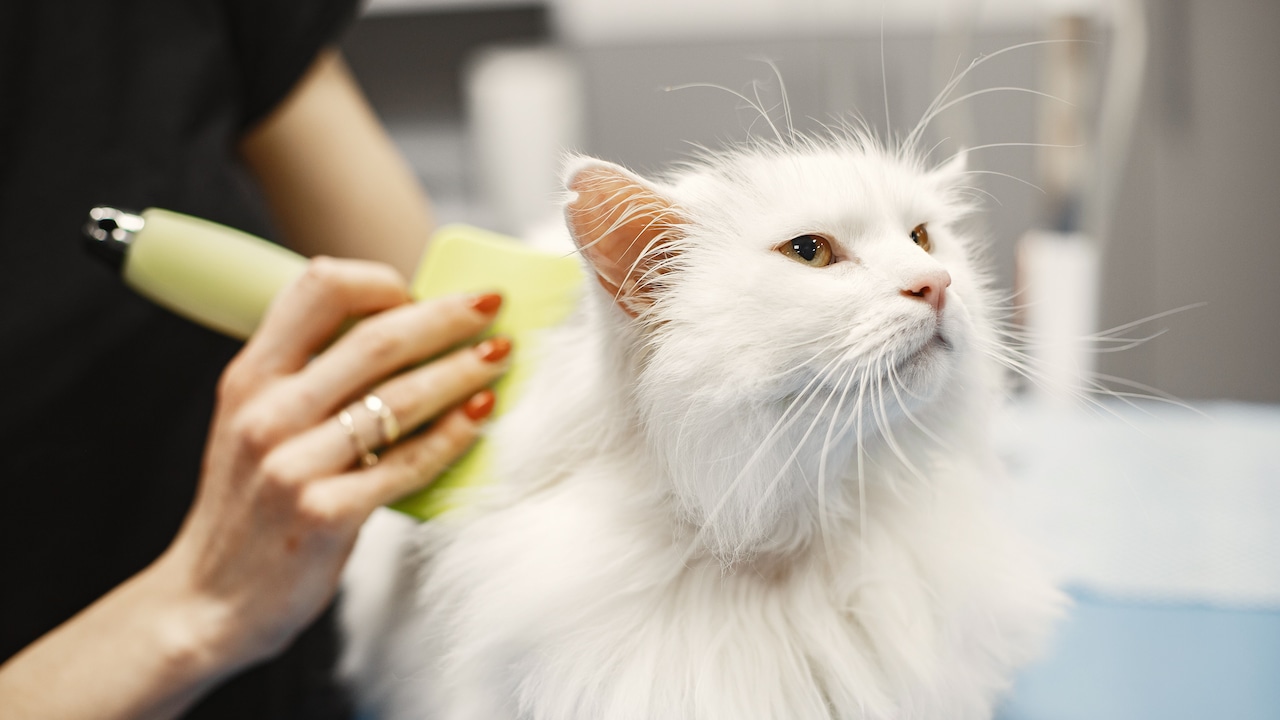
What are common pet grooming mistakes to avoid
Photo Credit: Pexels
The coat also reflects the pet's comfort. Patchy trimming may expose sensitive skin, while poor brushing can pull painfully at knots. In hot and humid weather, pet parents may feel tempted to shave the coat extremely short. However, shorter does not always mean cooler or healthier.
Also Read: Say Goodbye To Fur With These Pet Hair Remover Products From Amazon
Good grooming requires patience, suitable tools and a basic understanding of coat type. It also requires knowing when to stop. The following mistakes commonly create uneven, patchy or awkward-looking coats, even when the intentions behind them remain perfectly loving.
Common Grooming Errors That Can Ruin Your Pet's Coat
1. Using The Wrong Brush For The Coat Type
Not every brush suits every pet. A slicker brush may work beautifully on a fluffy Spitz but feel too harsh on a short-haired Beagle. A wide-toothed comb can glide through long fur, yet it may miss fine undercoat that later forms clumps. Using the wrong tool often creates uneven results because some sections receive proper attention while others remain tangled or flattened.
Coat texture matters just as much as length. Curly coats need regular combing from the roots, not quick brushing across the surface. Double-coated breeds require tools that lift loose undercoat without scraping the skin. Short, smooth coats usually respond better to rubber grooming mitts or soft bristle brushes.
A tool should never cause redness, scratching or nervous behaviour. If the pet turns around repeatedly, flinches or tries to escape, the brush may feel uncomfortable.
Many pet parents buy a grooming kit for ₹500 or ₹1,000 and expect every attachment to work equally well. The better approach involves choosing one or two suitable tools and learning how to use them properly. The right brush creates an even finish because it works through the coat consistently rather than simply polishing the top layer.
2. Brushing Only The Visible Surface
A coat can look tidy on top while hiding knots close to the skin. Surface brushing creates a false sense of success, especially with long-haired and curly-coated pets. The brush glides over the outer fur, but the underlayers remain compacted. When trimming begins, the hidden tangles force the scissors or clippers to move unevenly.
This mistake often produces a coat with sudden dips and short patches. A groomer may need to cut beneath a tight knot, leaving one area much shorter than the rest. Home grooming can create the same problem when a comb meets resistance halfway through the coat.
The safest method involves dividing the fur into small sections. Lift one layer, brush underneath and then move gradually across the body. A metal comb can help check the work. If the comb passes smoothly from the roots to the ends, the section is ready.
Areas behind the ears, under the legs, near the collar and around the tail deserve extra attention. These spots collect friction, moisture and dust. Ignoring them allows mats to grow quietly, like uninvited relatives who arrive for tea and stay until dinner. Regular deep brushing keeps the coat even and prevents dramatic corrective trimming.
3. Cutting Mats Instead Of Loosening Them Safely
A stubborn mat can test anyone's patience. It may look like a small knot, but it often sits tightly against the skin. Reaching for household scissors seems convenient, yet this shortcut can cause both patchy fur and painful injuries.
Pet skin moves easily and may get pulled into the mat. What appears to be a safe gap can disappear when the pet shifts. One quick snip can cut the skin or remove a large chunk of fur. Even without injury, cutting directly through a mat creates an obvious hole in the coat.
Small, loose tangles may respond to a detangling spray, gentle finger separation and a suitable comb. Work from the ends towards the roots instead of pulling from the base. Hold the fur close to the skin to reduce tugging.
Tight mats, large mats and knots around sensitive areas need professional attention. A trained groomer may clip beneath the mat using appropriate equipment. The result may still look shorter in that area, but the process remains safer and more controlled.
Trying to preserve every strand can also cause unnecessary pain. Sometimes removing the mat offers the kindest solution. The goal should focus on comfort and coat health, not on winning a wrestling match with a knot.
4. Clipping A Damp Or Dirty Coat
Clippers work best on a clean, fully dry and well-brushed coat. Damp fur sticks together, bends under the blade and cuts at different lengths. Dirty fur adds another problem because oil, dust and fine grit reduce blade performance. The result often resembles a field after an inexperienced gardener has tested a new machine.
Bathing before clipping can help, but only when the coat dries completely. Thick undercoats may feel dry on the surface while holding moisture near the skin. Clipping too soon can leave ridges, rough patches and visible lines.
Dirt can also heat the blade by creating friction. A hot blade may irritate the skin or make the pet restless. Once the pet starts wriggling, maintaining an even trim becomes much harder.
After bathing, towel-dry the coat without rubbing it into knots. Use a pet-safe dryer on a comfortable setting if the pet tolerates it. Brush while drying to separate the strands and create an even texture.
Skipping the bath can make sense for minor tidying, but the coat should still remain clean and knot-free. Preparation may take longer than the actual haircut. However, those extra minutes often make the difference between a smooth finish and a coat that looks accidentally striped.
5. Moving Clippers In Different Directions
Clipper direction strongly affects coat length and finish. Moving with the natural growth of the fur usually leaves more length, while clipping against it removes more. Switching directions without planning creates obvious variations, even when the same guard comb remains attached.
This mistake commonly appears around the shoulders, sides and legs. A person may begin confidently along the back, then change hand position near the belly. The clipper suddenly moves against the coat, producing a shorter patch. Attempts to “even it out” can lead to an ever-expanding bald-looking area.
Before trimming, examine the direction of hair growth. It may change around the chest, hips, neck and paws. Work in steady, overlapping strokes rather than random passes. Keep the blade flat against the body and avoid digging the edge into the coat.
Lighting matters too. A dim balcony or poorly lit bathroom can hide clipper marks until the pet walks into daylight. By then, every uneven line seems to announce itself proudly.
Frequent pauses help. Step back, view the coat from different angles and compare both sides. Rushing forward often magnifies small errors. Consistent direction and calm movements create a cleaner, more balanced result.
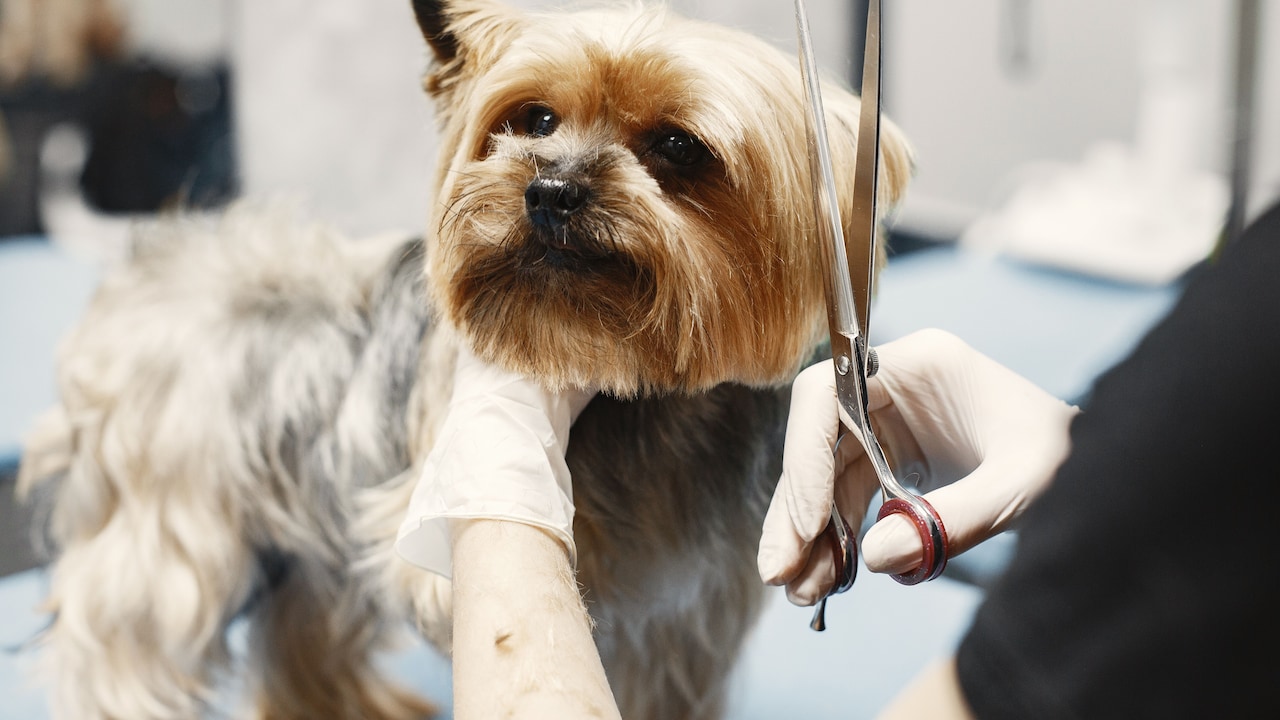
Moving clippers in different directions can affect coat length and finish
Photo Credit: Pexels
6. Pressing Too Hard With Clippers Or Brushes
More pressure does not produce a better groom. Heavy brushing can break fur, scratch the skin and remove more coat from one area than another. Pressing clippers firmly into the body can create short patches, blade lines and irritation.
Pets rarely stay still when grooming hurts. They twist, sit down, lift a paw or suddenly decide that the opposite side of the room looks fascinating. These movements make even trimming nearly impossible.
A brush should move through the coat with controlled, light strokes. When it catches, stop and examine the section. Repeatedly dragging the tool through a knot weakens the hair and may create thin-looking patches over time.
Clippers should rest flat and glide smoothly. The blade needs to do the cutting. Force usually signals another issue, such as a dull blade, dirty coat or unsuitable guard comb.
Skin folds require particular care. Stretch loose skin gently where appropriate and avoid pressing into curved areas. The armpits, groin, neck and belly remain especially sensitive.
A relaxed grip also improves control. Grooming should feel more like guiding a pen than scrubbing a kadai. Gentle handling protects the coat, keeps the pet calmer and allows each stroke to remain consistent.
7. Using Blunt Scissors Or Dull Clipper Blades
Dull tools pull, chew and crush the fur instead of cutting it cleanly. Blunt scissors may fold the hair before slicing through it, creating jagged edges. Worn clipper blades can leave tracks, skip sections and force repeated passes over the same spot.
Repeated clipping often makes one area shorter than planned. It also increases heat and friction. A blade that feels warm on a hand may feel uncomfortable against sensitive pet skin.
Scissors should open and close smoothly without catching. Clipper blades need regular cleaning, oiling and maintenance. Hair trapped between the teeth can reduce performance even when the blade remains sharp.
Cheap tools may seem practical for occasional grooming, but poor-quality blades often lose their edge quickly. Spending ₹1,500 or ₹2,500 on reliable equipment may make more sense than repeatedly replacing bargain tools that tug at the coat.
Maintenance matters regardless of price. Remove fur after each session, use the recommended lubricant and store the tools in a dry place. Rust, moisture and loose screws can affect cutting quality.
When a tool starts pulling or making an unusual sound, stop. Continuing rarely improves the result. Sharp, clean equipment creates smoother lines, reduces discomfort and lowers the temptation to keep trimming the same patch.
8. Trying To Match Both Sides By Repeated Trimming
One leg looks slightly shorter, so the other gets a quick trim. Then the first leg looks fuller, so another snip follows. This cycle continues until the pet appears to be wearing tiny socks of four different lengths.
Perfect symmetry sounds desirable, but constant correction often creates bigger problems. Pets rarely stand in the same position for long. Weight distribution changes the way fur falls, making one side appear shorter even when the lengths match.
Start with a clear reference point. Compare the legs while the pet stands naturally on a level surface. Comb the fur in the same direction before judging the length. Small differences may disappear once the coat settles.
Trim conservatively. Removing a few millimetres gives room for adjustment. Cutting a large section at once leaves fewer options. Curved scissors can help shape rounded areas, but they still require steady handling.
Photographs can reveal balance more clearly than close inspection. Step back or take a quick picture from the front and side. Distance often shows whether the coat truly looks uneven.
A natural finish usually looks better than an overworked one. Pets do not need the precision of a marble statue. Slight softness and variation can make the groom look comfortable, lively and suited to the animal.
9. Ignoring The Pet's Movement And Body Position
A pet's posture changes the shape of the coat. Trimming while the animal sits, twists or leans to one side can produce surprising results once it stands normally. Fur stretches over joints and gathers around bent legs, so cuts made in the wrong position may look uneven later.
This mistake often affects the belly, chest, legs and tail. A dog may tuck one leg under the body during trimming, while a cat may curl the tail close to one side. Cutting along those temporary shapes creates mismatched lines.
Encourage a comfortable, balanced stance. Use a non-slip mat so the pet feels secure. Groom in short sessions rather than expecting perfect stillness for an hour. A favourite treat can reward calm behaviour, though sticky snacks near freshly brushed facial fur may create a new problem entirely.
Never restrain a frightened pet forcefully. Anxiety increases sudden movement and raises the risk of cuts. Pause when the pet pants heavily, growls, trembles or tries repeatedly to escape.
Check the coat after every position change. Comb it again and let the fur fall naturally before continuing. Grooming the animal in a relaxed, natural stance helps the final shape remain even when the pet walks, sits and performs its usual dramatic doorbell routine.
10. Shaving The Coat Too Short Without Understanding Its Function
A very short shave may seem like the easiest answer to heat, shedding or tangled fur. However, many coats protect the skin from sunlight, dust, insects and temperature changes. Removing too much can create an uneven appearance during regrowth and may expose sensitive areas.
Double-coated breeds need particular caution. Their topcoat and undercoat serve different purposes. Shaving them extremely short can sometimes lead to slow, irregular or woolly regrowth. Some sections may return faster than others, leaving the coat patchy for months.
A short clip may become necessary when severe matting affects comfort. In such cases, a professional groomer or veterinarian should assess the coat and skin. The aim should involve safe removal rather than achieving a fashionable look at any cost.
Sun exposure also matters after close clipping. Pale or thin-skinned pets can develop irritation more easily. Walks during harsh afternoon heat may feel uncomfortable.
Instead of automatically choosing the shortest setting, discuss a practical length that suits the breed, lifestyle and season. Regular brushing and modest trimming often control shedding and discomfort without removing the coat's natural protection.
The best groom respects what the coat does, not just how it looks. Fur is not merely decoration. It forms part of the pet's everyday defence system.
Products Related To This Article
1. Qpets® Dog Paws Hair Trimmer,Waterproof Dog Trimmer with LED
2. DPISZONE Pet Grooming Kit for Cats & Dogs
3. AJIGNA MART Pet Paw Trimmer for Dogs & Cats
4. 24x7 eMall Professional Automatic Rechargeable Unisex Pet Hair Trimmer For Dogs And Cats
5. Solimpia Electric Pet Grooming Trimmer Kit
6. Xinrongda Silent Dog Paw Trimmer
7. Petology Professional Automatic Rechargeable Pet Hair Trimmer With Extra Battery For Dogs & Cats
An uneven or patchy coat usually begins with a small grooming decision: the wrong brush, a damp section, a dull blade or one extra corrective snip. None of these mistakes comes from a lack of affection. Most happen because grooming looks easier than it truly is.
A calm routine produces better results than a rushed makeover. Choose tools that suit the coat, work through small sections and keep the fur clean and dry before clipping. Pay attention to the pet's body position, comfort and reactions. When mats sit close to the skin or the coat requires major correction, professional help offers the safer route.
Good grooming should leave a pet feeling lighter, cleaner and comfortable, not irritated or exposed. The final coat does not need to resemble a competition-ready show trim. It only needs to look balanced, feel healthy and allow the pet to move without pulling or discomfort.
After all, pets rarely worry about a slightly fluffy ear or a tail that curves more on one side. They care about gentle hands, familiar voices and the treat waiting at the end. A thoughtful grooming session delivers all three, along with a coat that looks far less like a patchwork quilt.
(Disclaimer: This article may include references to or features of products and services made available through affiliate marketing campaigns. NDTV Convergence Limited (“NDTV”) strives to maintain editorial independence while participating in such campaigns. NDTV does not assume responsibility for the performance or claims of any featured products or services.)